◈
Localized Support & Compliance Assurance
When buyers compare a precision PCB and SMT company, the decisive question is often less about machine count and more about who owns the details after the PO is issued. STHL’s Shenzhen-based engineering and project teams work in English with procurement, quality and hardware teams across time zones; they schedule DFM reviews, consolidate BOM questions into one decision log, prepare shipment documentation and coordinate factory visits or remote audits. Compliance is handled as a production control, not a certificate on a wall: RoHS-compliant builds, IATF 16949 automotive controls, ISO 13485 medical-device discipline, ISO 9001 quality management and ISO 14001 environmental management. Inspection records, lot traceability, reflow and AOI/X-ray data can be discussed against the project’s verification plan, while an NDA is signed before RFQ. The intent is to reduce audit risk for global enterprises while keeping the communication path short and accountable.
⚙
China Factory & Supply-Chain Advantages
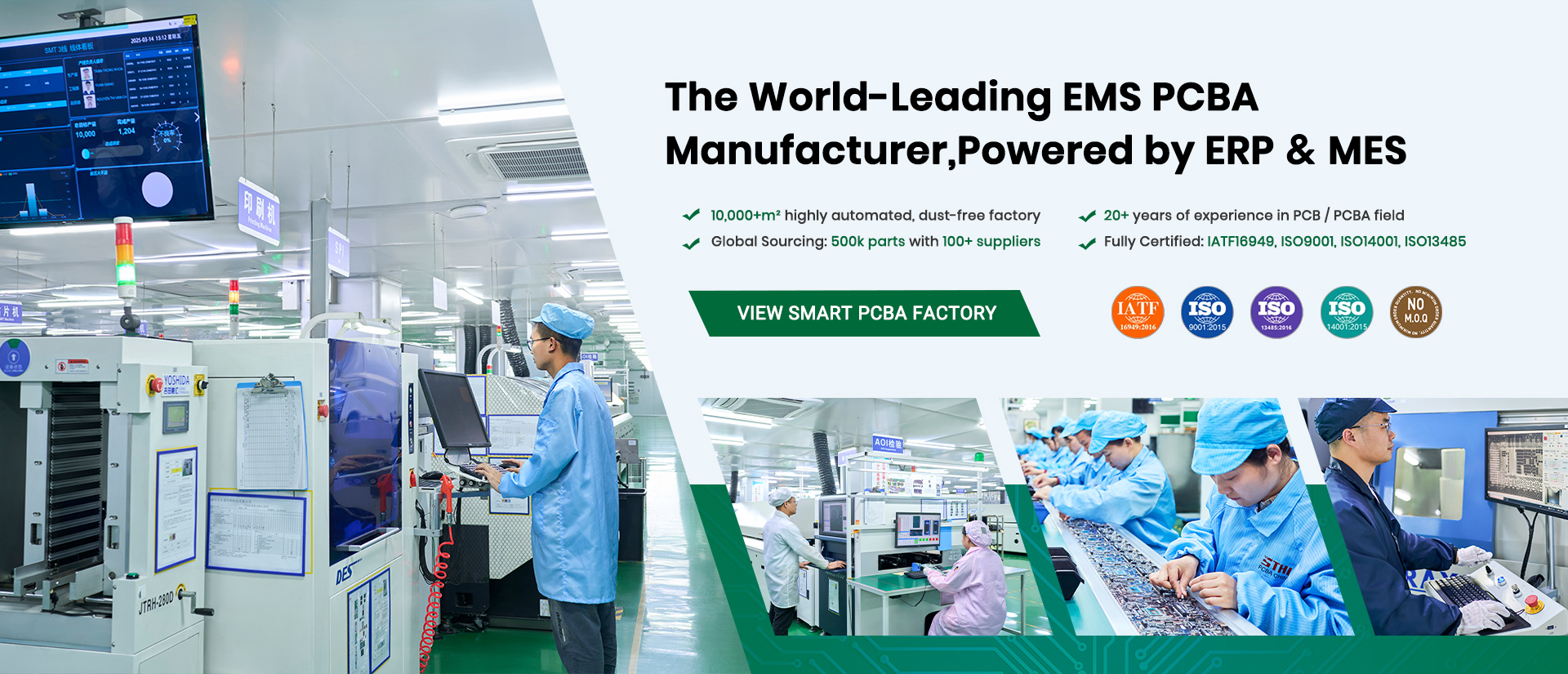
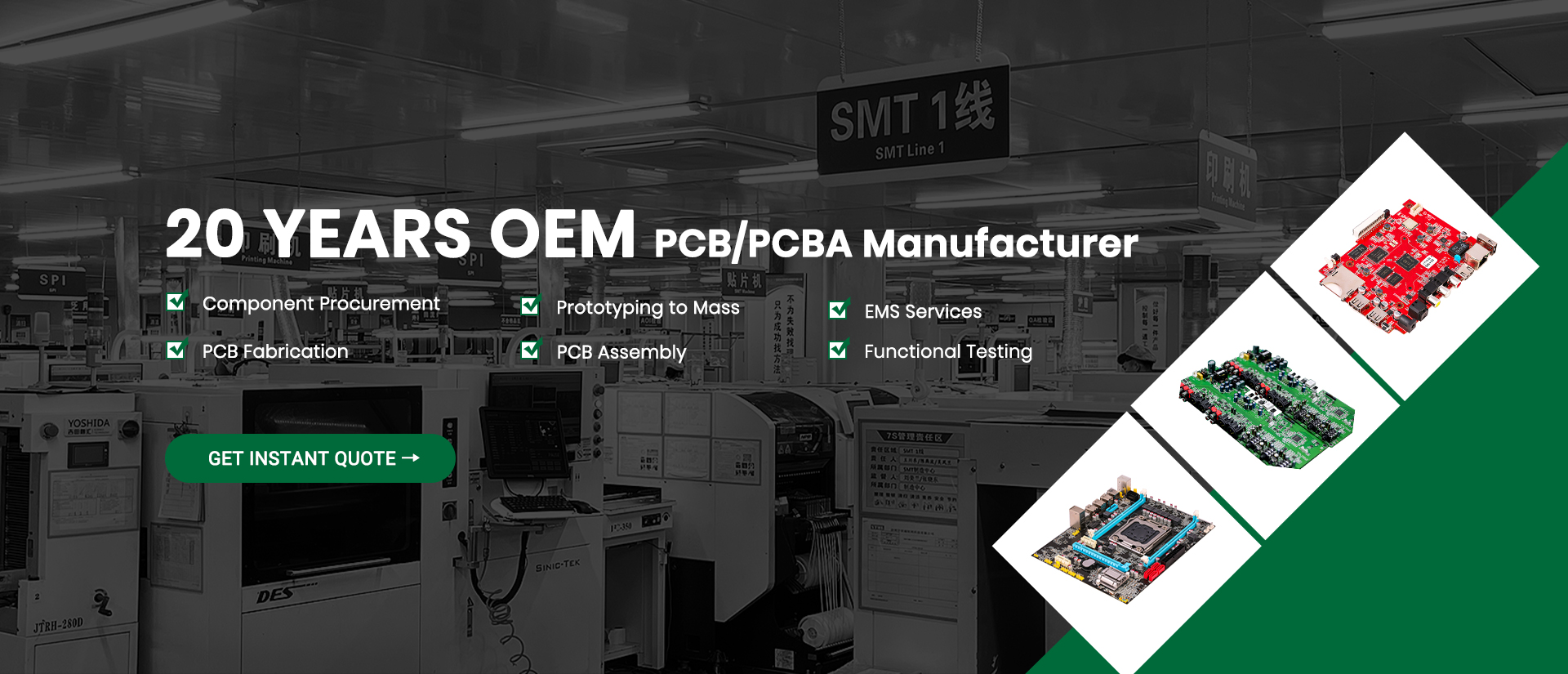
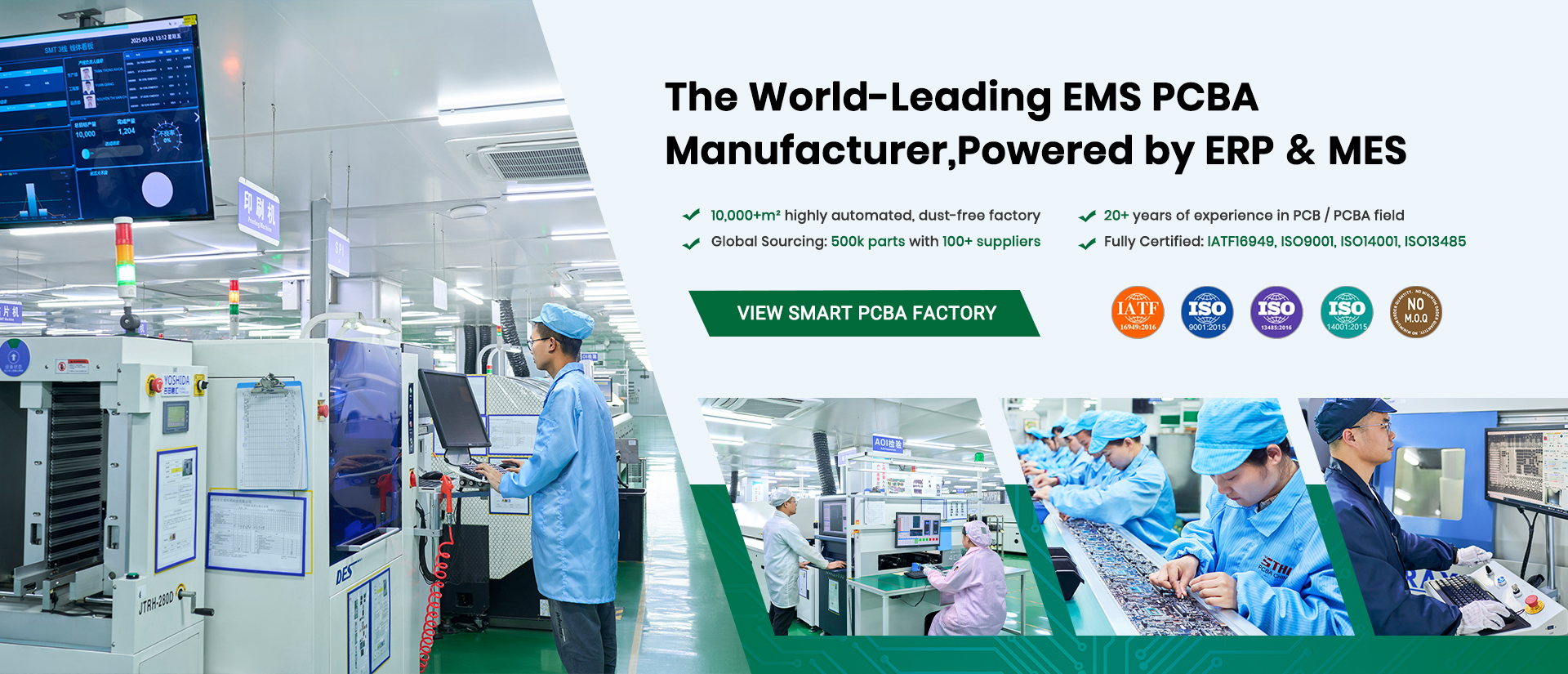
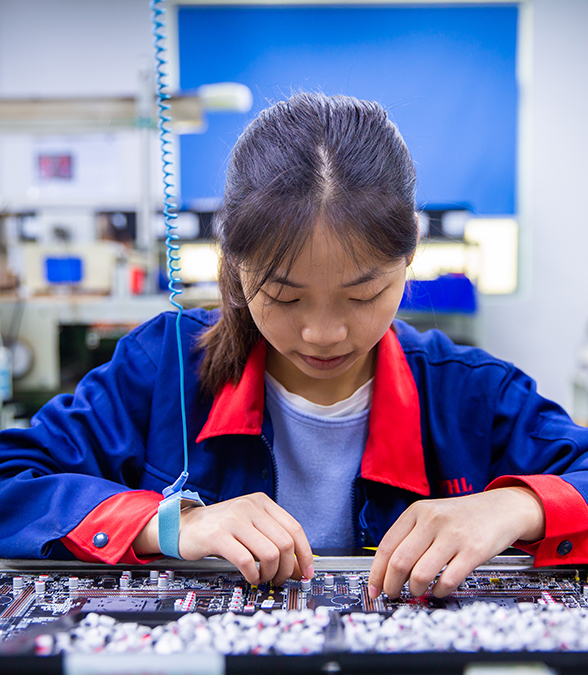
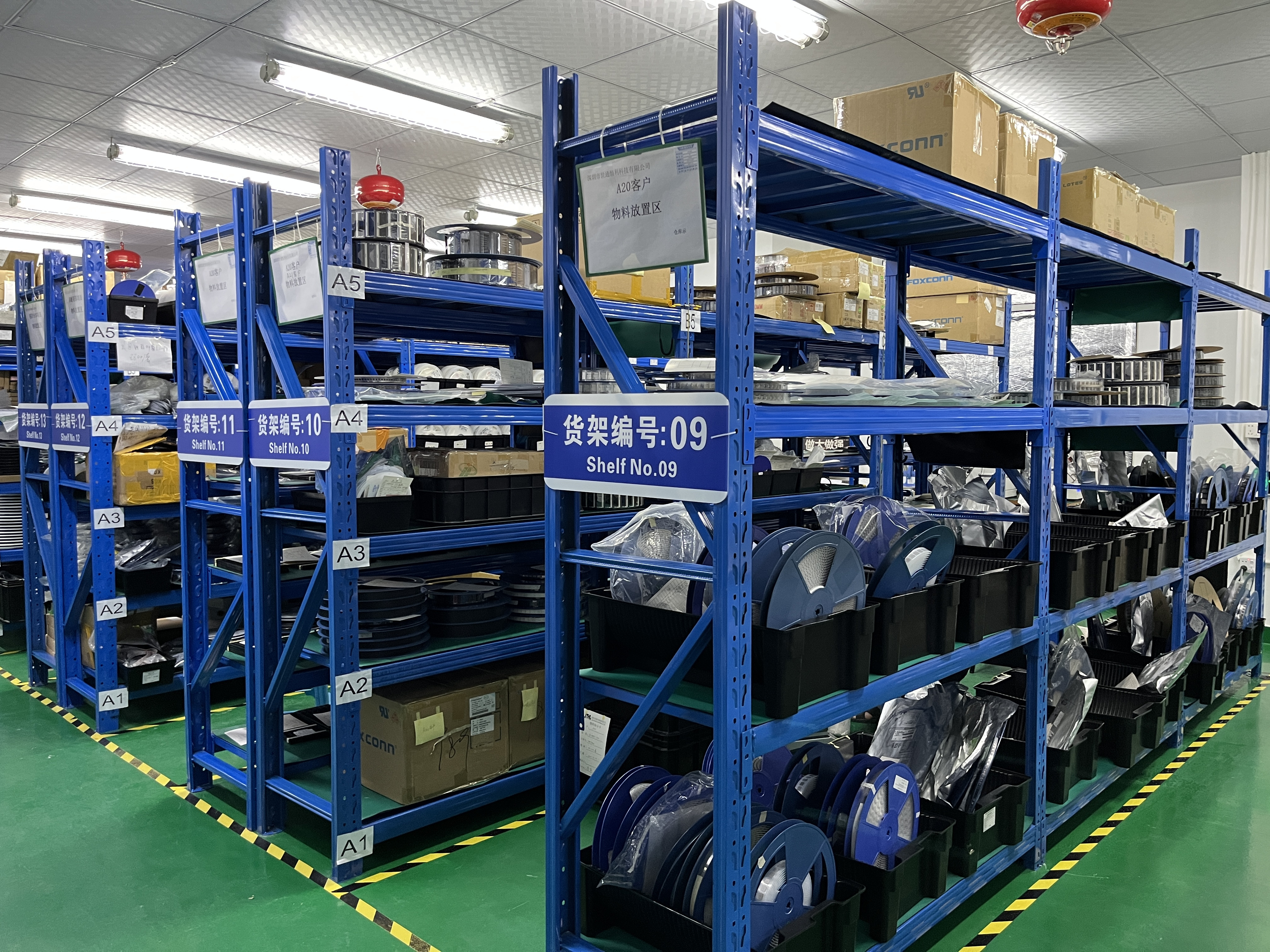
STHL combines 7 SMT lines, 2 DIP/THT lines, 2 functional test lines and 2 box-build lines in a 10,000+ m² facility, supported by 220+ staff and 50+ engineers. The China supply-chain advantage is not only labor cost; it is component density, process breadth and speed of engineering iteration. With 100+ sourcing agents and suppliers covering 500,000+ part numbers, we scrub BOMs, suggest alternates, manage EOL and shortage risk, inspect incoming reels and keep traceability from component to finished board. Prototype, low-volume and mass production can run under the same ERP/MES controls, which shortens the learning curve between NPI and ramp. For global OEMs, this translates into fewer hand-offs, faster lead-time recovery actions and a supplier that can quote a complex mixed-technology build without splitting the project across multiple factories.
▣
Global Enterprise Procurement Requirements
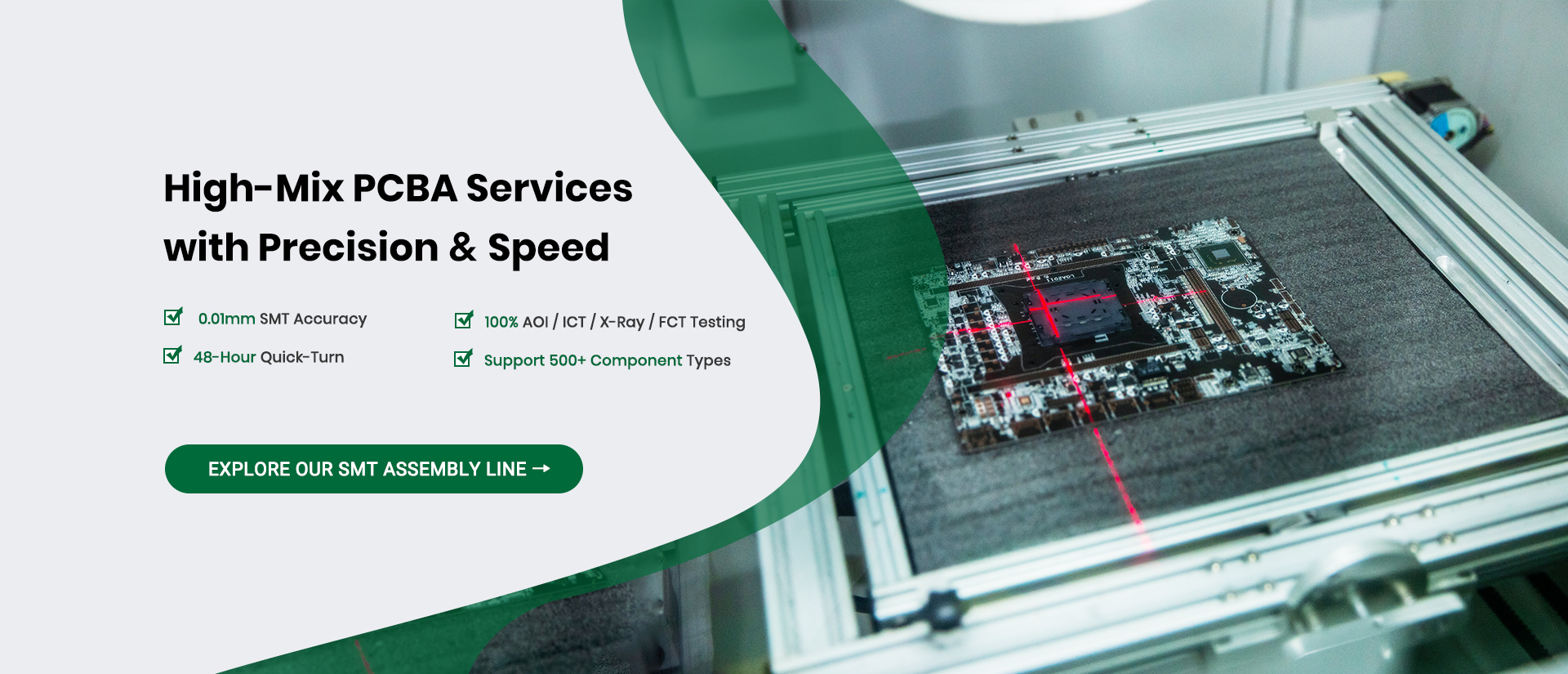
Global procurement teams need more than a unit price. They need a supplier whose commercial terms, quality systems, confidentiality controls and delivery performance can survive their own vendor-onboarding process. STHL supports full turnkey, partial turnkey and consigned assembly; accepts no MOQ; signs NDAs before RFQ; and tracks every build through ERP and MES. RFQ inputs can include Gerber, BOM, centroid, assembly drawings, firmware and test procedures; engineers return a DFM/BOM review before material is ordered. Quality escapes are reduced through AOI, X-ray, ICT and functional testing, with 99.5% on-time delivery and a 99% qualified shipment rate. Buyers can schedule a factory visit, conduct a virtual 360° audit, review certificate images and request lot-level records. For companies consolidating suppliers, this gives a single accountable path from prototype to repeat production.
↗
Industry Trends Reshaping PCB & SMT Procurement
Three shifts are shaping PCB and SMT sourcing. First, high-mix/low-volume production is rising as OEMs localize product variants for different markets, increasing demand for fast changeover, no-MOQ prototypes and engineering support before tooling. Second, traceability and compliance expectations are moving down the supply chain: automotive, medical and industrial buyers increasingly ask for reel-to-board traceability, inspection records and audit-ready documentation. Third, supply-chain resilience is forcing dual sourcing and alternate-part strategies; the factory must be able to scrub BOMs, find compliant substitutes and re-quote without re-learning the product. AI-assisted inspection, digital MES workflows, remote audits and automated SMT lines are becoming competitive necessities, not marketing extras. STHL’s model — high-mix assembly, in-house R&D laboratory, 10,000+ m² facility and 50+ engineers — is designed to respond to these changes without separating prototype learning from mass-production control.
◎
Localized Application Scenarios
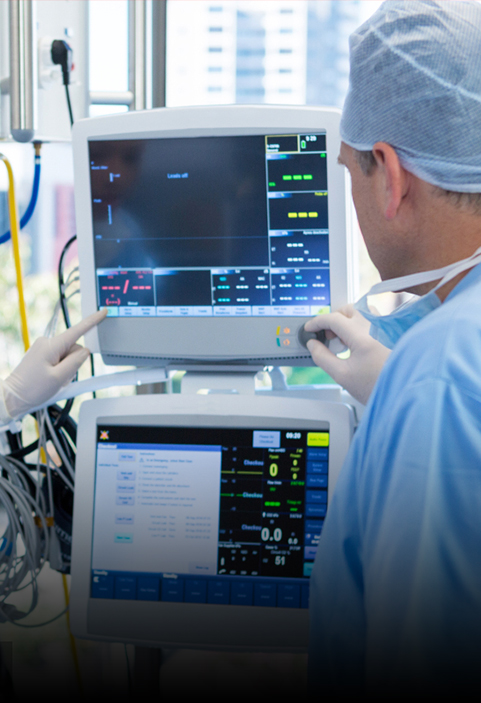
Different markets stress different failure modes. In Germany and Northern Europe, industrial-control and automotive buyers focus on documentation, change control and EMC discipline. In the United States, hardware teams often need fast prototypes, rugged power electronics and a supplier that can move from pilot run to box build without a second contract manufacturer. Medical teams under ISO 13485 ask for validated processes, lot traceability and clean handling for monitoring, diagnostic and wearable devices. Energy customers need robust control boards for solar inverters, wind power controllers and power distribution units. Consumer and IoT brands prioritize compact mixed-technology boards, Bluetooth headset assemblies, LED lighting and infotainment modules. Across these cases, the common requirement is local responsiveness backed by engineering depth: English communication, time-zone-aware project updates, DFM feedback before fabrication and a clear escalation path when a component shortage threatens the build.
✓
E-E-A-T Proof & IP Protection
E-E-A-T for a manufacturing site is built on verifiable evidence. STHL has produced electronics in Shenzhen since 2006, employs 220+ staff including 50+ engineers, and operates a 10,000+ m² facility with 13+ production lines and an in-house R&D laboratory. Certificate previews are linked to full-size ISO 9001, IATF 16949, ISO 13485 and ISO 14001 images; customers may visit or audit the factory. Design data is protected by NDA before RFQ, access is restricted to the assigned engineering team, and builds are tracked through ERP/MES systems. Testimonials from engineers in the USA, Germany, Italy, the UK, New Zealand, Turkey, Brazil and Romania document repeat orders. For procurement, this evidence should be checked against the exact project scope — material compliance, traceability depth, inspection method and box-build responsibilities — so that supplier claims are mapped to a documented control plan.