
Precision Industrial Cable Assembly Partner & Solutions
STHL integrates custom cable assemblies, PCB assembly, component sourcing and box build into one controlled, audit-ready manufacturing workflow for industrial OEMs in 90+ regions.
Industrial PCBA Building Blocks for Cable-Integrated Systems
Precision cable assemblies rarely stand alone. They connect to control boards, power boards, sensor interfaces, monitoring modules and communication gateways. These production-ready PCBA platforms can be quoted with matched cable harnesses, connectors, firmware programming and final box-build integration.
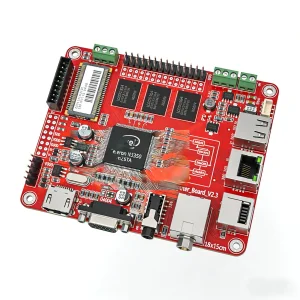
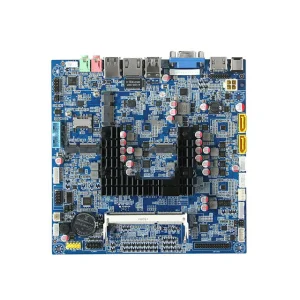
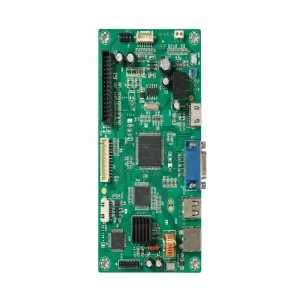
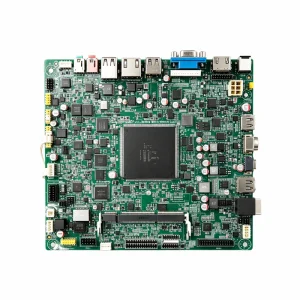
China Top Desktop Power Supply (External Adapter) PCB Assembly--STHL Factory, Manufacturers
View product →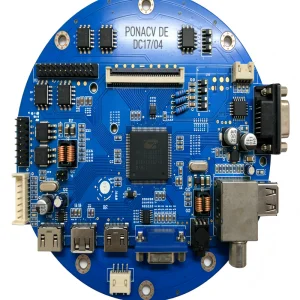
A Precision Cable Assembly Partner Must Be an Integration Partner
For procurement directors, hardware engineering leads and quality managers, the real question is not “who can crimp a connector?” It is “who can keep the entire electro-mechanical system stable from prototype to repeat production?”
Industrial cable assembly sits at the point where electrical design becomes a physical system. A cable harness can carry sensor signals from a machine frame to a control cabinet, deliver DC power from a battery pack to a motor drive, or connect an environmental monitoring probe to a gateway. If the cable assembly is not engineered with the PCB it serves, the result is often late-stage rework, intermittent faults and unplanned field returns. That is why leading OEMs now evaluate cable assembly suppliers as integration partners, not catalogue vendors.
Shenzhen STHL Electronics Co., Ltd. has operated as a certified EMS and ODM provider since 2006. The company combines PCB fabrication, component sourcing, SMT/THT assembly, cable assembly, box build and functional testing in a 10,000 m² Shenzhen facility. More than 220 staff, including 50+ engineers, support high-mix production across 7 SMT lines, 2 DIP/THT lines, 2 functional test lines and 2 box build lines. Quality systems are certified to IATF 16949, ISO 9001, ISO 14001 and ISO 13485, and every build is RoHS-compliant. STHL signs an NDA before RFQ, accepts prototype and low-volume orders with no MOQ, and reports 99.5% on-time delivery and a 99% qualified shipment rate across customers in 90+ regions.
This matters because global industrial buyers are under pressure to reduce supplier count, shorten NPI cycles, document traceability and protect intellectual property. A supplier that can align PCBAs, cable schedules, connector choices, firmware programming, test fixtures and final packaging removes hand-off risk between separate vendors. STHL’s original customer feedback reflects this expectation: engineers and owners in the USA, Germany, Italy, Brazil, Turkey, New Zealand, the UK and Romania have commented on fast delivery, professional communication, sample confidence and repeat-order quality. Factory visits from European healthcare-electronics and German industrial teams also show how remote and on-site audits can be combined before a purchase order is released.




Industrial Cable Assembly Trends Redefining Supplier Selection
Industrial cable assembly is moving from a commodity purchase to a signal-critical subsystem. Buyers now look for engineering depth, process discipline and supply-chain visibility — not just unit price.
From Commodity Harness to Signal-Critical Subsystem
Modern cable assemblies carry more than current. They route sensor data, feedback signals and communication buses through tight enclosures and moving machine parts. A small impedance mismatch, poor shield termination or inconsistent crimp height can become an intermittent field fault that is difficult to diagnose. Suppliers are therefore being asked for cable drawings, wire lists, connector schedules, pull-test data and first-article reports as standard RFQ inputs.
Electrification, Robotics and High-Flex Motion
Battery systems, electric cranes, automated guided vehicles and robotic cells are increasing demand for high-flex, torsion-resistant and vibration-tolerant cable assemblies. Cable chains and continuous-motion axes require carefully selected conductors, fillers, jackets and strain relief. The PCBA and cable assembly must also share a thermal and EMI strategy, especially when motor drives, chargers and BMS boards sit close together.
Ruggedization for Harsh Industrial Environments
Ingress protection, chemical resistance, UV exposure, temperature cycling and vibration are now normal qualification criteria. Security lighting, outdoor monitoring, photovoltaic monitoring and electric-crane systems must survive conditions that laboratory cables never see. Overmolding, IP-rated connectors, proper gaskets and validated strain relief are becoming design requirements rather than optional upgrades.
Miniaturization and Mixed Power/Data Integration
Dense control boxes and compact smart-home gateways force power, ground and high-speed data into smaller connectors and narrower cable bundles. Fine-pitch PCBAs, micro-coax, ribbon cable and board-to-board connectors require tight DFM/DFA review. When engineering teams evaluate a supplier, they increasingly ask whether the same factory can review the PCB footprint, connector orientation and cable bend radius together.
Traceability, Compliance and Cybersecurity
Global buyers want lot-level traceability from incoming reel to finished board and from cable roll to installed harness. They also need material declarations, RoHS/REACH evidence, conflict-mineral statements and controlled handling of design data. ISO 13485 medical programmes, IATF 16949 automotive programmes and industrial safety projects each add their own audit expectations. A partner without ERP/MES discipline becomes a compliance bottleneck.
Regionalization and China+1 Supply Resilience
Post-pandemic sourcing strategies rarely mean abandoning China. They mean building a resilient network with clear risk ownership. For many industrial OEMs, China remains the fastest route to mature electronics supply chains, skilled engineering and high-mix production. The winning model combines China-based manufacturing depth with transparent planning, dual-qualified components and documented business-continuity controls.
What Global Enterprises Actually Buy: Procurement Requirements in 2025–2030
Procurement teams are judged on total cost, supply continuity, compliance and launch speed. The cable assembly and PCBA supplier scorecard now reflects all four.
STHL supports hardware teams in the USA, Germany, Italy, the UK, Poland, New Zealand, Brazil and 90+ other regions. Across these markets, the buying logic is remarkably consistent: engineering teams want a supplier that can interpret drawings and propose improvements; quality teams want evidence; finance teams want landed cost stability; and operations teams want predictable delivery. A low piece price that creates expediting costs, rework or line stoppages is not a low cost at all.
Total Cost of Ownership, Not Unit Price
Global buyers compare piece price against expedite fees, inspection labour, field-failure risk, inventory carrying cost and engineering change effort. A supplier that can combine PCBA, cable assembly and box build reduces multiple freight legs, duplicate inspections and split accountability. STHL's no-MOQ model supports prototype validation without forcing premature volume commitments.
Lead-Time Predictability and Supply Continuity
Long lead-time connectors, end-of-life ICs and single-source sensors can delay an entire build. STHL's sourcing team works through 100+ agents and suppliers covering more than 500,000 part numbers, with incoming inspection and reel-level traceability. When a critical part is constrained, engineers can propose alternate parts, approved equivalents and last-time-buy planning before the production schedule is exposed.
Engineering and NPI Support
DFM and DFA reviews reduce avoidable redesign loops. Cable bend radius, connector access, test-point placement and PCB mounting holes are easier to correct before tooling is released. STHL's 50+ engineers and in-house R&D laboratory support design verification, first-article builds and prototype testing so that a product can move from pilot run to repeat production without changing suppliers.
Quality Systems and Audit Readiness
Industrial, medical and automotive customers expect more than a certificate on a website. They want process flow, control plan, PFMEA, first-article inspection, test logs, calibration records and corrective-action discipline. STHL's IATF 16949, ISO 9001, ISO 14001 and ISO 13485 certifications are supported by AOI, X-ray, ICT and functional testing, with results logged in the production system.
IP Security and Data Governance
Gerber files, BOMs, cable drawings, firmware and test procedures are valuable intellectual property. STHL signs an NDA before RFQ, restricts project data to the assigned engineering team and tracks every build through ERP and MES systems. For buyers, this is an operational requirement: a supplier that cannot control drawings and firmware cannot be trusted with a platform product.
Scalability from Prototype to Volume
Many industrial products begin with low-volume pilots and scale only after field validation. STHL accepts prototype, low-volume and high-volume PCB assembly orders, so a design can be validated and then scaled with the same process controls. The same logic applies to cable assembly: connector schedules, test fixtures and packaging standards set during the prototype phase become the baseline for repeat production.
Supply-Chain Resilience and Efficiency at STHL
China’s manufacturing advantage has shifted from labour cost to engineering depth, supplier density, process automation and delivery speed. Factory 4.0 is not simply robots on a line; it is closed-loop data from quotation to shipment.
STHL’s 10,000 m² facility runs 7 SMT assembly lines, 2 DIP/THT lines, 2 functional test lines and 2 box-build lines, supported by an in-house R&D laboratory. ERP and MES tracking connect planning, incoming inspection, material storage, assembly, testing and shipment. Moisture-sensitive device control, first-article approval and lot traceability are built into the workflow. For industrial cable assembly, the same discipline applies to wire, connector, terminal and overmolding materials: the assembled harness must be traceable back to its approved material lots and work instructions.
Digital Planning and Mixed-Model Production
High-mix orders require fast changeover, accurate material kitting and visible work-in-progress. STHL’s planning discipline supports prototype, low-volume and repeat production on the same quality system, with no MOQ barrier for pilot builds.
Material Control and Component Resilience
Component sourcing through 100+ agents and suppliers covering 500,000+ part numbers supports BOM scrubbing, alternate-part suggestions and last-time-buy planning. Established channels such as Arrow, Avnet, Digi-Key, Mouser, Microchip, STMicroelectronics, TDK and Littelfuse represent the kind of authorised ecosystem global buyers expect.
Inspection and Test Coverage
AOI, X-ray, ICT and functional testing verify solder joints, hidden BGA connections, electrical performance and product behaviour. Cable assemblies can be checked with continuity, pull-test and HiPot routines where the application requires it, with test results linked to the work order.
Closed-Loop Quality and Traceability
Every build is controlled under IATF 16949, ISO 9001, ISO 14001 and ISO 13485 systems. Non-conformance data, corrective actions and inspection records feed continuous improvement. For regulated buyers, this turns a factory visit into an evidence-based audit rather than a visual tour.
Global Logistics and Delivery Discipline
ESD-safe packaging, cable coiling standards, labelling and shipment documentation protect finished assemblies in transit. STHL reports 99.5% on-time delivery and a 99% qualified shipment rate, supported by export experience across 90+ countries and regions.
Audit Access and Remote Qualification
Customers are welcome to visit the Shenzhen factory and R&D laboratory at any time, and a 360-degree virtual factory tour is available for remote evaluation. This is especially useful for procurement and quality teams that need to pre-qualify a supplier before international travel.
Localized Applications Where Cable Assembly and PCBA Must Be Designed Together
Different regions impose different standards, environmental conditions and end-user expectations. In every case, the cable assembly and PCBA interface is where reliability is either designed in or exposed.
Industrial Automation and Robotics
Machine builders in Germany, Italy, the USA and Asia-Pacific need motor-drive boards, sensor interface modules, PLC control boards and robust harnesses that survive continuous motion. Fine-pitch PCBAs, shielded encoder cables and validated strain relief are assessed together to reduce intermittent faults on the line.
Energy, Photovoltaic and Battery Systems
BMS boards, battery charger PCBAs and photovoltaic monitoring systems require accurate current sensing, thermal management and long-life connectors. Outdoor installations add UV, humidity and lightning-surge considerations. Cable routing, connector sealing and PCBA conformal coating must be planned as one environmental protection strategy.
Security, Lighting and Access Control
Security lighting, burglar alarms, access-control readers and repeaters depend on stable power and signal integrity over long cable runs. High-reliability security lighting PCBAs, OEM burglar alarm PCBAs and certified electric-crane PCBA assemblies show how industrial reliability expectations now reach security and infrastructure products.
Smart Home and IoT Gateways
Smart-home gateways concentrate Wi-Fi, Zigbee, Bluetooth, Ethernet and power in a compact enclosure. Antenna placement, cable shielding, connector height and PCB ground strategy interact directly. Precision smart-home gateway PCBA assembly and custom cable assemblies help brands move from concept to certification without split responsibility.
Power Supplies and Monitoring Electronics
Desktop power supplies, open-frame power supplies, monitoring systems, particle monitors and radiation detectors require validated creepage, isolation, thermal performance and calibration. Cable assemblies must match current rating, voltage drop and connector retention, especially when the product is used in continuous-duty industrial environments.
Medical, Automotive and Aerospace-Adjacent Electronics
Air data computer PCBA assembly, radiation detector PCBAs, monitoring systems and other regulated electronics require documented processes and reliable traceability. Automotive and medical customers often audit process controls, change management and test records before approving a supplier. STHL’s ISO 13485 and IATF 16949 systems provide the framework for these expectations.
How STHL Engineers a Precision Cable Assembly and PCBA Program
From Gerber files to box build, each stage is designed to remove ambiguity before production starts. This is how a high-mix industrial program moves through the factory.
Requirements and NDA Review
Engineering drawings, Gerber data, BOM, cable drawing, connector schedule, test procedure and packaging requirements are reviewed under NDA before formal quotation.
DFM, DFA and BOM Review
Engineers check footprints, manufacturability, connector access, cable bend radius, end-of-life parts and alternate components before material is ordered.
Component and Material Sourcing
Electronic components, connectors, wire, terminals and overmolding materials are purchased through controlled channels, then inspected and stored under the correct conditions.
PCB Fabrication, SMT and THT Assembly
Bare boards are produced to the required stack-up and surface finish, then assembled on 7 SMT lines and 2 DIP/THT lines with AOI and X-ray verification.
Cable Assembly and Box Build
Crimping, soldering, connectorization, overmolding, labelling, enclosure integration and final assembly are combined under one work order and one quality record.
Testing, Traceability and Shipment
ICT, functional testing, programming, continuity checks and application-specific tests are completed. Finished goods are packed in ESD-safe packaging with shipment documentation.
Precision Industrial Cable Assembly and PCBA FAQs
Straight answers for engineering, procurement and quality teams evaluating a manufacturing partner in China.
What files do I need to submit for a PCBA project?
Send Gerber files, a BOM with manufacturer part numbers, the pick-and-place or centroid file and assembly drawings. If you need IC programming or functional testing, include firmware and test procedures. For integrated cable assembly, also provide cable drawings, wire lists, connector schedules, strip and crimp requirements, shielding details and any marking or packaging specifications. STHL’s engineers complete a DFM and BOM review before production starts.
Is there a minimum order quantity (MOQ)?
No. STHL accepts prototype, low-volume and high-volume PCB assembly orders, so you can validate a design and scale to mass production with the same supplier. The same approach applies to cable assembly and box-build projects: pilot quantities can be used to prove fixtures, test methods and packaging before repeat production.
Can STHL source all the electronic components?
Yes. STHL offers full turnkey, partial turnkey and consigned assembly. The sourcing team works with 100+ agents and suppliers covering more than 500,000 part numbers, with incoming inspection and traceability from reel to finished board. For cable assemblies, connectors, terminals, wire, tubing and overmolding materials can be sourced or supplied by the customer under controlled incoming inspection.
Which quality certifications does STHL hold?
STHL is certified to IATF 16949, ISO 9001, ISO 14001 and ISO 13485, and produces RoHS-compliant assemblies. Boards are verified with AOI, X-ray, ICT and functional testing. Cable assembly and box-build processes can be integrated into the same quality system, with first-article inspection, work instructions and traceability records appropriate to the project’s risk level.
How do you protect our design files and IP?
STHL signs an NDA before RFQ, restricts project data to the assigned engineering team and tracks every build through ERP and MES systems. Design files, BOMs, cable drawings, firmware and test procedures are treated as controlled customer property. If your programme requires additional data-security procedures, those can be reviewed during supplier qualification.
Can we audit or visit the factory?
Yes. Customers are welcome to visit the Shenzhen factory and R&D laboratory at any time, and a 360-degree virtual factory tour is available for remote evaluation. Procurement and quality teams can review SMT, THT, testing, material preparation, warehouse and box-build areas as part of a supplier audit.
What is the difference between a cable assembly and a wire harness?
A wire harness is generally a bundled set of wires with terminations, while a cable assembly often includes engineered cable, connectors, backshells, shielding, overmolding, labels and tested electrical performance. In industrial systems, the cable assembly may also include branch points, ferrules, heat-shrink strain relief and application-specific keying. The correct specification depends on installation environment, mating interface and test requirements.
How do you control quality for custom cable assemblies and PCBAs?
Quality controls are matched to the application and may include incoming material inspection, first-article approval, in-process checks, pull tests, continuity tests, HiPot testing, AOI, X-ray, ICT and functional testing. Work instructions, test logs and material traceability are retained against the production lot. For regulated industries, additional documentation such as control plans, PFMEA and change-management records can be reviewed during the RFQ and audit process.
Talk to a Cable Assembly and PCBA Engineer
Send Gerber files, BOM, cable drawing and connector schedule. STHL will sign an NDA before RFQ and review manufacturability, component availability and test requirements.
[email protected] +86 135 1018 8049 WhatsApp: +86 135 1018 8049 Contact STHL →More PCBA Platforms Available with Cable and Box-Build Integration
These additional production-ready platforms illustrate the breadth of STHL’s PCBA portfolio. Each can be quoted with matched cable assemblies, connectors, firmware programming, functional testing and final packaging.
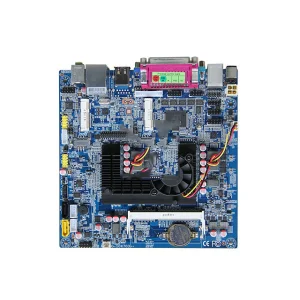
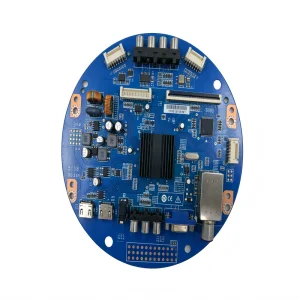
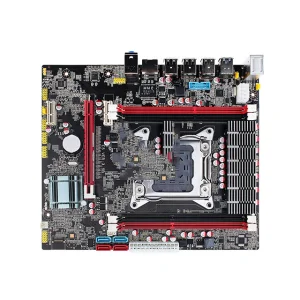
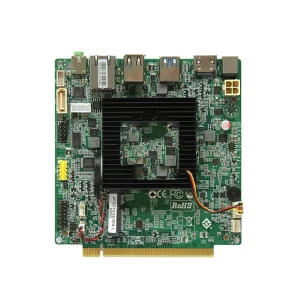
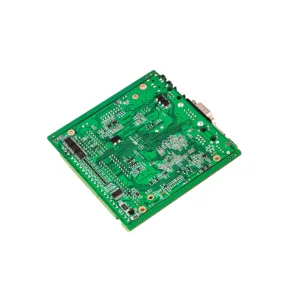
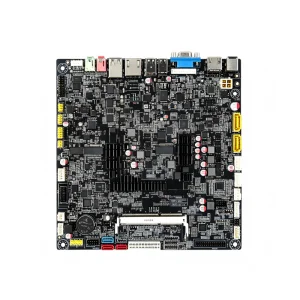
High-Reliability Open Frame Power Supply PCB Assembly--STHL Supplier, Solution Provider
View product →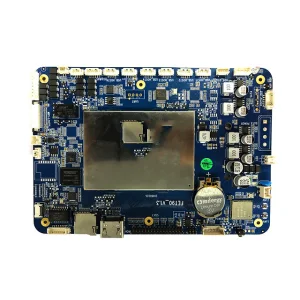
Professional Photovoltaic Power Generation Monitoring System PCB Assembly Supplier, Factory
View product →Planning an Integrated Cable Assembly and PCBA Build?
Send Gerber files, BOM, cable drawing, connector schedule and test requirements to STHL. The team will review DFM, component availability, assembly steps and inspection methods before quotation, with an NDA in place before RFQ.
Shenzhen STHL Electronics Co., Ltd. · B4, AnLe Industrial Zone, No.172 Hangcheng Blvd, Xixiang, Bao'an District, Shenzhen, 518126 China · IATF 16949 · ISO 9001 · ISO 14001 · ISO 13485
