
STHL · Shenzhen EMS & Flex PCB Prototyping Since 2006
Precision Flex Pcb Prototype from China & Manufacturers
A procurement-grade technical guide for OEMs comparing flexible and rigid-flex PCB prototypes from certified Chinese manufacturers—covering design rules, localized applications, technology roadmaps, supply-chain resilience, global compliance, and scalable turnkey PCBA execution.
Featured Prototype & PCBA Portfolio
Flex PCB Prototype and PCBA Solutions from STHL
High-mix prototype and assembly programs for flight control, LED lighting, sensors, energy storage, power distribution, millimeter-wave radar, motor control and e-book readers. Every product link below preserves the original STHL product destination and is presented with a clear button-style action path.
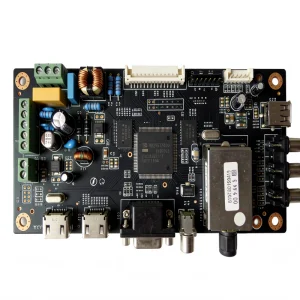
Prototype LED PCB Assembly: Revolutionizing Lighting Technology with Precision and Performance Manufacturer, in China
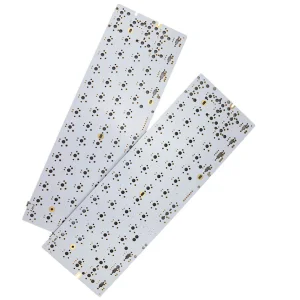
Prototype Sensors PCBA Assembly Solution Provider, Factories
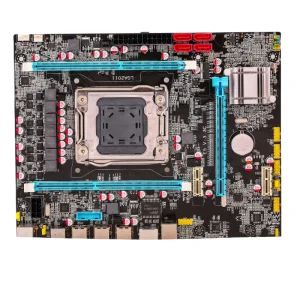
One-Stop Energy Storage Battery Pack Management System PCB Assembly Company, Factories
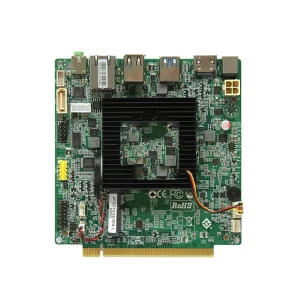
High-Reliability Power Distribution Unit (PDU) PCB Assembly Manufacturer, Manufacturers
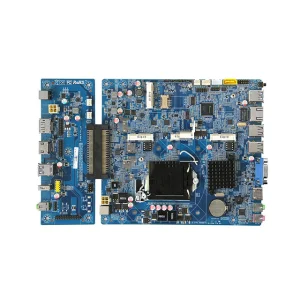
Top 10 Millimeter-wave Radar PCB Assembly Manufacturer, Factory
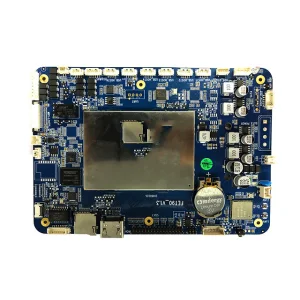
Custom Motor Control Unit (MCU) PCB Assembly Solution Provider, from China
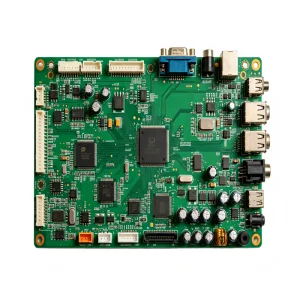
China E-book Readers PCBA Assembly--STHL Partner, Solution Provider
Engineering Brief
What a Precision Flex PCB Prototype Must Prove Before Volume Manufacturing
Flexible circuits are no longer a niche interconnect. They now support wearables, medical catheters, automotive sensors, battery management, robotics, smart meters and compact power electronics. A prototype is valuable only when it reduces uncertainty about bend radius, dynamic flex life, impedance, thermal exposure, assembly yield and field reliability.
For engineering and procurement teams, the search for a precision flex PCB prototype from China is rarely about a single unit price. It is about finding a manufacturer that can translate Gerber data, BOM requirements, mechanical constraints and test expectations into a repeatable process. Flexible PCB prototypes are commonly built on polyimide laminates, with coverlay or photoimageable coverlay, stiffeners, shielding layers, surface finishes such as ENIG, immersion silver or OSP, and controlled impedance where high-speed signals are present. Rigid-flex prototypes add rigid FR4 sections to flexible interconnects, so the supplier must manage lamination, registration, via reliability and assembly handling at the same time.
The strongest information gain comes from validating the link between design rules and production data. A prototype supplier should be able to flag minimum bend radius risks, coverlay openings, stiffener conflicts, panel utilization, component clearance, fine-pitch assembly constraints, moisture-sensitive devices, and functional test coverage before material is ordered. That is the difference between a quick board build and an engineering partnership that protects your launch schedule.
Shenzhen STHL Electronics Co., Ltd. has served OEMs since 2006 as a certified EMS and ODM provider. The company operates a 10,000+ m² facility with 220+ staff, including 50+ engineers, 7 SMT assembly lines, 2 DIP/THT lines, 2 functional test lines, 2 box build lines and an in-house R&D laboratory. STHL is certified to IATF 16949, ISO 9001, ISO 14001 and ISO 13485, produces RoHS-compliant assemblies, and controls builds with AOI, X-ray, ICT and functional testing. Projects are supported with NDA review before RFQ, no MOQ, DFM and BOM review, component sourcing, PCB fabrication, SMT/THT assembly, IC programming, conformal coating, cable assembly, box build and global shipment to 90+ regions.
This guide is deliberately written for both technical and commercial readers. It explains where flex prototypes are used locally, how the technology roadmap is changing, why China remains an efficient NPI and production base, how global market conditions influence sourcing, and which compliance and support controls should be confirmed before a purchase order is released.
Prototype Qualification Focus
Flex Stack-Up Engineering
Polyimide and adhesive-less laminates, coverlay selection, stiffeners, shielding, surface finish and impedance control are reviewed against the mechanical envelope and assembly process.
Prototype Assembly Readiness
Fine-pitch, BGA, mixed-technology and rigid-flex boards are evaluated for stencil, panelization, carrier fixture, reflow and handling requirements before SMT starts.
Verification & Test Coverage
AOI, X-ray, ICT and functional testing can be combined with IC programming and conformal coating to confirm both workmanship and product behavior.
Traceable Documentation
ERP and MES tracking support lot-level traceability, while NDA-first RFQ handling and restricted project access protect design files and IP.
20+Years of EMS & PCBA Experience
10,000+m² Production Facility
50+Professional Engineers
7SMT Assembly Lines
99.5%On-Time Delivery
500k+Component Part Numbers Supported
Localized Application Scenarios
Where Flexible PCB Prototypes Create Regional and Industry Advantage
Different markets impose different failure costs. A wearable in North America may prioritize miniaturization and traceability; an EV module in Europe may prioritize thermal cycling and IATF discipline; a smart meter in Latin America may prioritize long-field-life stability and cost efficiency. The prototype stage should reflect the final use environment.
North America: Medical Wearables & Surgical Navigation
Flexible and rigid-flex prototypes support compact monitoring patches, handheld diagnostics, surgical navigation modules and physiological monitoring equipment. ISO 13485-controlled assembly, lot traceability and fine-pitch inspection are central to supplier qualification.
Germany & Europe: Automotive Sensors, BMS & ADAS
EV battery management, power distribution, millimeter-wave radar and sensor modules require stable interconnects under vibration, heat and current load. IATF 16949 process control, PPAP-style documentation readiness and robust traceability are often requested.
UK & Europe: Smart Energy & Water Leak Detection
Smart meters, water leak detectors and energy gateways use compact flexible circuits to fit constrained enclosures. Long service life, environmental protection, conformal coating and reliable low-volume NPI support matter as much as unit cost.
Poland & Central Europe: Industrial Automation & Robotics
Motor control units, PLC accessories, PDU assemblies and robot sensor boards benefit from rigid-flex designs that reduce connectors and cable harness complexity. Prototype builds should validate assembly fixtures, shock resistance and serviceability.
Brazil & Latin America: Telecom, Power & Smart Infrastructure
Telecom equipment, open-frame power supplies, video servers and smart meters must often survive unstable field conditions. Localized support means clear English communication, export packaging, documentation and a supplier able to manage component alternatives without compromising approvals.
Asia-Pacific: Consumer Electronics, Telemedicine & IoT
E-book readers, LED modules, telemedicine devices, wearables and IoT sensors demand rapid NPI cycles. Flexible prototypes help test enclosure integration, antenna clearance, display interconnection and battery packaging before tooling and mass production.
Technology Roadmap & Future Outlook
Flex PCB Prototype Technology Route: From HDI Rigid-Flex to Sustainable Electronics
The next generation of flexible prototypes will be shaped by denser routing, higher signal speeds, tighter thermal budgets and stronger environmental requirements. Buyers should ask suppliers how they are preparing for these transitions—not only what they can build today.
0–18 Months
HDI Rigid-Flex and Fine-Line Prototyping
Microvia, fine-line, high-layer-count rigid-flex and mixed-material stack-ups will continue to grow in medical, automotive and industrial modules. Prototype suppliers need strong DFM feedback, controlled lamination, laser direct imaging readiness and precision SMT carriers to protect yield during NPI.
18–36 Months
High-Frequency, Thermal and Assembly Integration
Millimeter-wave radar, high-speed computing and power electronics will push flexible circuits toward low-loss materials, better thermal management and tighter impedance tolerances. Integrated shielding, embedded stiffeners and assembly-level co-design will become differentiators for prototype-to-production programs.
36+ Months
Sustainable Materials and Smart Interconnects
Recyclable or halogen-free material options, lower-energy processes, thinner dielectrics and sensor-embedded flexible circuits are likely to expand. For now, procurement teams should confirm material availability, RoHS and REACH documentation, and device-specific regulatory requirements before committing to a roadmap.
China Supply-Chain Resilience & Efficiency
Why China Remains a High-Value Base for Flex PCB Prototypes and PCBA
The competitive advantage of a Shenzhen-based manufacturer is not limited to labor cost. It is the density of PCB fabrication, component distribution, tooling, SMT capacity, test engineering and logistics within a short geographic radius—combined with the ability to scale from one prototype to repeat production under one quality system.
Supplier Density and Component Sourcing
STHL works with 100+ agents and suppliers covering more than 500,000 part numbers. BOM scrubbing, alternate-part suggestions and incoming inspection help reduce line-down risk without silently changing critical specifications.
NPI Velocity and Scalability
DFM review, PCB fabrication, SMT/THT assembly, testing and box build can move through one controlled workflow. That compressed communication loop supports fast prototype turns and a cleaner transition to low-volume or mass production.
Business Continuity and Traceability
ERP and MES tracking, reel-level traceability, moisture-sensitive device controls and documented inspection help global OEMs manage quality recalls, engineering changes and repeat orders with greater confidence.
99%Qualified Shipment Rate
7SMT Lines for High-Mix Builds
2DIP/THT Assembly Lines
2Functional Test Lines
2Box Build Lines
90+Countries & Regions Served
Global Commercial & Industrial Status
What Global Buyers Should Know About Flexible Circuit Sourcing Today
Global demand is moving toward smaller devices, electrified platforms, distributed healthcare and smarter energy infrastructure. At the same time, procurement teams are balancing cost, lead time, supply continuity and regulatory evidence. A flexible PCB prototype supplier must therefore behave like a manufacturing partner, not a board broker.
Miniaturization
Wearables, hearables, medical patches and compact IoT devices require thin interconnects, tight bend radii and connector reduction. Prototype data should prove assembly handling and repeated flex performance.
Electrification
EV, energy storage and power distribution systems demand higher current, thermal robustness and traceable quality. IATF 16949 process discipline and testing strategy are major supplier filters.
Distributed Healthcare
Telemedicine, physiological monitoring and surgical navigation equipment require reliable small-batch production, documentation and clean process control under ISO 13485 systems.
Industrial IoT & Energy Transition
Smart meters, water leak detectors, gateways and automation controllers need stable long-life assemblies with practical conformal coating, enclosure integration and global logistics.
| Procurement Lens | What to Verify in a Flex PCB Prototype Quote | Why It Matters |
|---|---|---|
| Design maturity | DFM feedback on bend radius, stiffener, coverlay, panelization and impedance | Reduces re-spins and protects NPI timing |
| Assembly capability | Fine-pitch, BGA, rigid-flex carrier, AOI, X-ray, ICT and functional test plan | Confirms the supplier can build the board, not just fabricate it |
| Supply resilience | BOM scrubbing, alternate-part approval process, incoming inspection and traceability | Limits line-down risk and undocumented changes |
| Compliance | IATF 16949, ISO 9001, ISO 14001, ISO 13485, RoHS, REACH and customer-specific documents | Supports regulated-industry qualification and audit readiness |
| Local support | English communication, NDA before RFQ, sample logistics, factory audit and virtual tour options | Shortens the path from prototype approval to repeat production |
Localized Support & Compliance Assurance
Protecting IP, Quality and Market Access During Flex PCB Prototyping
Cross-border sourcing works best when commercial, engineering and compliance expectations are documented before the first purchase order. STHL supports customers in the USA, Germany, Italy, the UK, Poland, New Zealand, Brazil and 90+ other regions with NDA-first communication, engineering review and export-ready documentation.
NDA Before RFQ
Design files, BOMs and test procedures can be protected before quotation. Project data is restricted to the assigned engineering team and tracked through ERP/MES workflows.
DFM, BOM and Test Review
Engineers review Gerber, BOM, centroid data and assembly drawings for manufacturability, footprint errors, end-of-life parts and missing test coverage before production.
Certified Quality Systems
IATF 16949, ISO 9001, ISO 14001 and ISO 13485 systems support automotive, medical, industrial and consumer electronics programs. RoHS-compliant assembly is standard.
Audit and Export Support
Factory visits and audits are welcome, and a 360-degree virtual factory tour is available for remote pre-qualification. Regulatory compliance remains device-specific and should be confirmed against final market requirements.
STHL Capability
From Flexible Prototype to Turnkey PCBA and Box Build
STHL is a certified EMS and ODM provider in Shenzhen, China. The production model is designed for high-mix, engineering-led programs: prototype validation, component sourcing, PCB fabrication, SMT/THT assembly, testing, conformal coating, cable assembly and final box build.
Electronic Components Procurement
Full turnkey, partial turnkey and consigned assembly options with BOM scrubbing, alternate-part suggestions and reel-level traceability.
PCB Fabrication
Standard, prototype, aluminum, flexible, rigid-flex, HDI, Rogers, ceramic, heavy-copper, high-Tg and halogen-free boards built to the required stack-up.
SMT & THT PCB Assembly
Prototype, low-volume and high-volume assembly including fine-pitch, BGA and mixed-technology boards, verified by AOI and X-ray.
Value-Added Services
PCB layout and design support, IC programming, ICT and functional testing, conformal coating, cable and wire harness, and complete box build assembly.
Controlled Workflow
From Gerber Files to Global Shipment in 6 Controlled Steps
No MOQ · NDA before RFQ · Prototype-to-volume continuity
01
DFM & BOM Review
Engineers check Gerber, BOM and centroid data for manufacturability, footprint errors and end-of-life parts before material is ordered.
02
Component Sourcing
Parts are purchased through 100+ agents and suppliers, then pass incoming inspection and moisture-sensitive device control.
03
PCB Fabrication
Bare boards are produced to the required stack-up, surface finish and impedance requirements, from single-layer to HDI and rigid-flex.
04
SMT & THT Assembly
7 SMT lines and 2 DIP/THT lines handle fine-pitch, BGA and mixed-technology boards for prototypes and mass production.
05
Inspection & Testing
AOI, X-ray, ICT and functional tests, plus IC programming and conformal coating, with results logged in our MES.
06
Box Build & Delivery
Cable assembly, enclosure integration and ESD-safe packaging, shipped to customers in 90+ countries and regions.
Why Global OEMs Choose STHL
Engineering Support, Documented Quality and Practical Scalability
Measurable capacity, certified quality systems and engineering support reduce total cost rather than only the unit price. This matters most when a flex prototype must survive mechanical validation and then transition into a repeatable PCBA program.
Dust-Free Smart Factory
10,000+ m² highly automated production space with dedicated assembly and test areas.
20 Years of Experience
Proven PCB and PCBA know-how since 2006 across prototype and production builds.
Global Sourcing
500,000+ part numbers through 100+ agents and suppliers, with incoming inspection controls.
Fully Certified
IATF 16949, ISO 9001, ISO 14001 and ISO 13485 systems support regulated industries.
ERP & MES Tracking
Real-time production status, lot traceability and documented inspection results.
No MOQ · NDA First
Prototype and large-quantity orders are both accepted, with IP protection from the first RFQ.
Certifications & Quality Evidence
Certified Systems That Support Flex PCB Prototype Qualification
Third-party audits help procurement and quality teams pre-qualify STHL for automotive, medical and industrial programs. Certifications support process control; final device regulatory approval remains the responsibility of the product owner and should be confirmed against the destination market.
IATF 16949
Automotive quality management orientation for control modules, sensors, lighting, BMS and power electronics programs.
ISO 9001
Quality management system discipline across sourcing, fabrication, assembly, testing and shipment.
ISO 13485
Medical device quality management support for monitoring, diagnostic and surgical navigation electronics.
ISO 14001
Environmental management system support for responsible manufacturing and continuous improvement.
Global Customer Feedback
What Engineers and Buyers Say About STHL PCBA
Feedback from hardware engineers, designers and company owners across North America, Europe and beyond reflects the day-to-day experience of building prototypes, samples and repeat orders with STHL.
“Excellent team to work with and fast delivery with high-quality boards. We are very happy to work with such a good supplier. Thanks again.”

PauloR&D Engineer · United States
“Please extend my thanks to your team for your hard work in preparing these samples. This positive experience has strengthened my confidence in your company, and I'm looking forward to discussing bulk orders in the near future.”

OliviaHardware Engineer · Germany
“We are satisfied with the last order. You did a great job on those boards and the lead time was short. I will place a new order soon.”

WilliamCEO · Italy
Q&A / FAQ
Flex PCB Prototype and China PCBA Sourcing Questions
Direct answers to the questions engineering and procurement teams ask before choosing a flexible or rigid-flex prototype manufacturer in China.
What is a precision flex PCB prototype?
A precision flex PCB prototype is a small-batch flexible or rigid-flex circuit built to validate electrical performance, mechanical fit, bend radius, assembly handling and reliability before volume tooling. It may include polyimide laminates, coverlay, stiffeners, controlled impedance, fine-pitch components and functional testing.
Which files are required for a flex PCB prototype quotation?
Send Gerber files, a BOM with manufacturer part numbers, the pick-and-place or centroid file, assembly drawings and any mechanical envelope requirements. If IC programming or functional testing is needed, include firmware and test procedures. STHL engineers complete a DFM and BOM review before production starts.
Can STHL assemble components on flexible and rigid-flex boards?
Yes. STHL supports SMT and THT assembly for flexible, rigid-flex and mixed-technology boards, including fine-pitch and BGA devices. Assembly can be verified with AOI, X-ray, ICT and functional testing, and combined with conformal coating, IC programming and box build.
Is there a minimum order quantity for flex PCB prototypes?
No. STHL accepts prototype, low-volume and high-volume PCB assembly orders, so a design can be validated and then scaled with the same supplier. NDA review can be completed before RFQ.
Which materials, surface finishes and stack-up options are available?
Options include polyimide-based flexible laminates, adhesive-less stack-ups, coverlay or photoimageable coverlay, FR4 stiffeners, shielding, HDI and rigid-flex constructions. Surface finishes can include ENIG, immersion silver and OSP. The final choice depends on bend requirements, current, thermal exposure and assembly process.
How does STHL protect design files and intellectual property?
An NDA is signed before RFQ, project data is restricted to the assigned engineering team, and builds are tracked through ERP and MES systems. Customers can also request documentation and audit controls appropriate to their industry.
Which certifications does STHL hold?
STHL is certified to IATF 16949, ISO 9001, ISO 14001 and ISO 13485, and produces RoHS-compliant assemblies. Boards are verified with AOI, X-ray, ICT and functional testing. Customers should confirm device-specific market requirements separately.
Can international customers audit the factory or request a virtual tour?
Yes. Customers are welcome to visit the Shenzhen factory and R&D laboratory, and a 360-degree virtual factory tour is available for remote evaluation. This helps procurement and quality teams pre-qualify STHL before placing a prototype order.
More Prototype & Assembly Solutions
Additional STHL Flex PCB and PCBA Product Programs
Smart meters, battery management systems, video servers, telemedicine equipment, water leak detectors, surgical navigation, physiological monitoring and open-frame power supplies. These original STHL product links are preserved with button-style actions for direct evaluation.
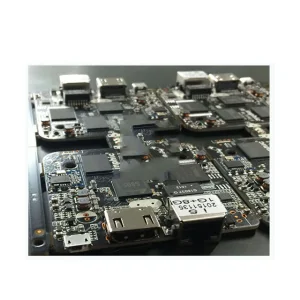
China Top Smart Meter PCB Assembly Partner, Solutions
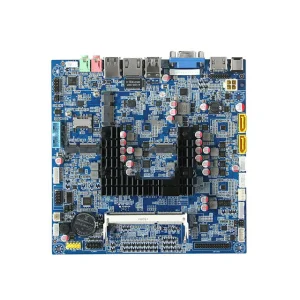
Top 10 Battery Management System (BMS) PCB Assembly-1 Company, in China
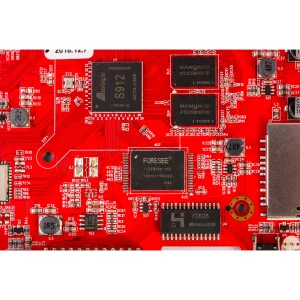
High Quality Video Server PCB Assembly--STHL Factory, Factories
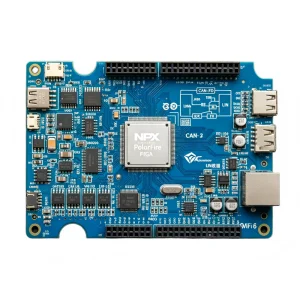
China Telemedicine Equipment PCB Assembly--STHL Manufacturer, Solutions
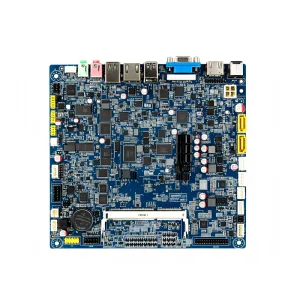
High Quality Water Leak Detector PCBA Assembly--STHL Partner, from China
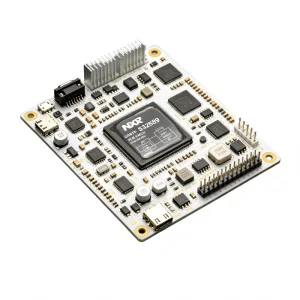
High-Reliability Surgical Navigation System PCB Assembly--STHL Factory, Solutions
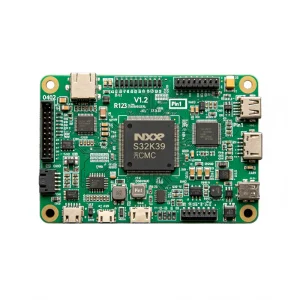
OEM Physiological Monitoring Equipment PCB Assembly--STHL Factory, Service
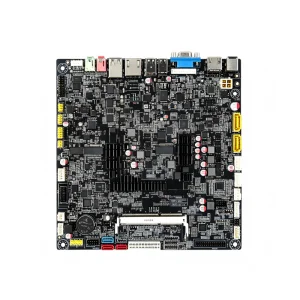
High-Reliability Open Frame Power Supply PCB Assembly--STHL Supplier, Solution Provider
Planning a Precision Flex PCB Prototype from China?
Send Gerber, BOM and mechanical constraints for a DFM-led review. STHL can support flex and rigid-flex prototyping, component sourcing, SMT/THT assembly, testing and repeat production under one certified quality system.
