Application-Specific PCBA Solutions from a One-Stop Producer
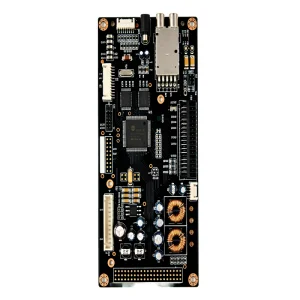
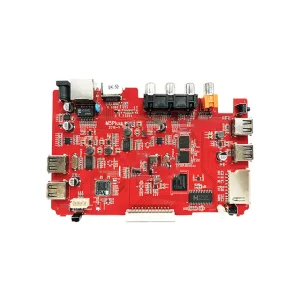
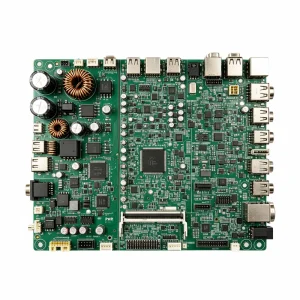
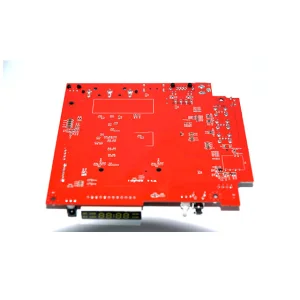
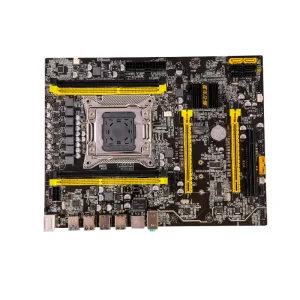
High-mix projects demand more than a bare-board supplier. These PCBA programs show how STHL aligns component sourcing, fabrication, assembly, inspection and documentation around the end product’s reliability target.
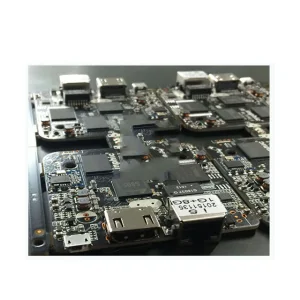
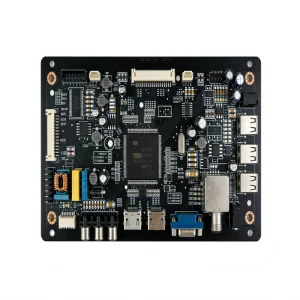
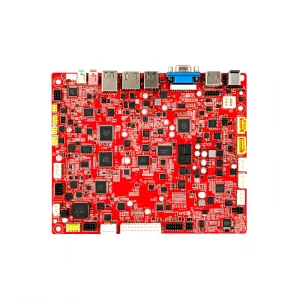
Evidence of a One-Stop PCB Producer, Not a Broker
A serious PCB producer company must demonstrate capacity, process control and traceability. STHL combines engineering, sourcing, fabrication, assembly and test under one management system, with auditable quality records for every build.


 Certified quality & environmental systems

Your Turnkey PCBA & ODM Partner in Shenzhen Since 2006
Shenzhen STHL Electronics Co., Ltd. is a certified electronics manufacturing services (EMS) and ODM provider. We help hardware teams in the USA, Germany, Italy, the UK, Poland, New Zealand, Brazil and 90+ other regions move from schematic to shipped product — PCB layout, component sourcing, PCB fabrication, SMT/THT assembly, cable assembly, box build and full testing in one factory.
Our 220+ staff, including 50+ engineers, run a 10,000 m² facility with an in-house R&D laboratory for design verification and prototype testing. Every build is RoHS-compliant and controlled under IATF 16949, ISO 9001, ISO 14001 and ISO 13485 systems. Factory visits and audits are welcome at any time.
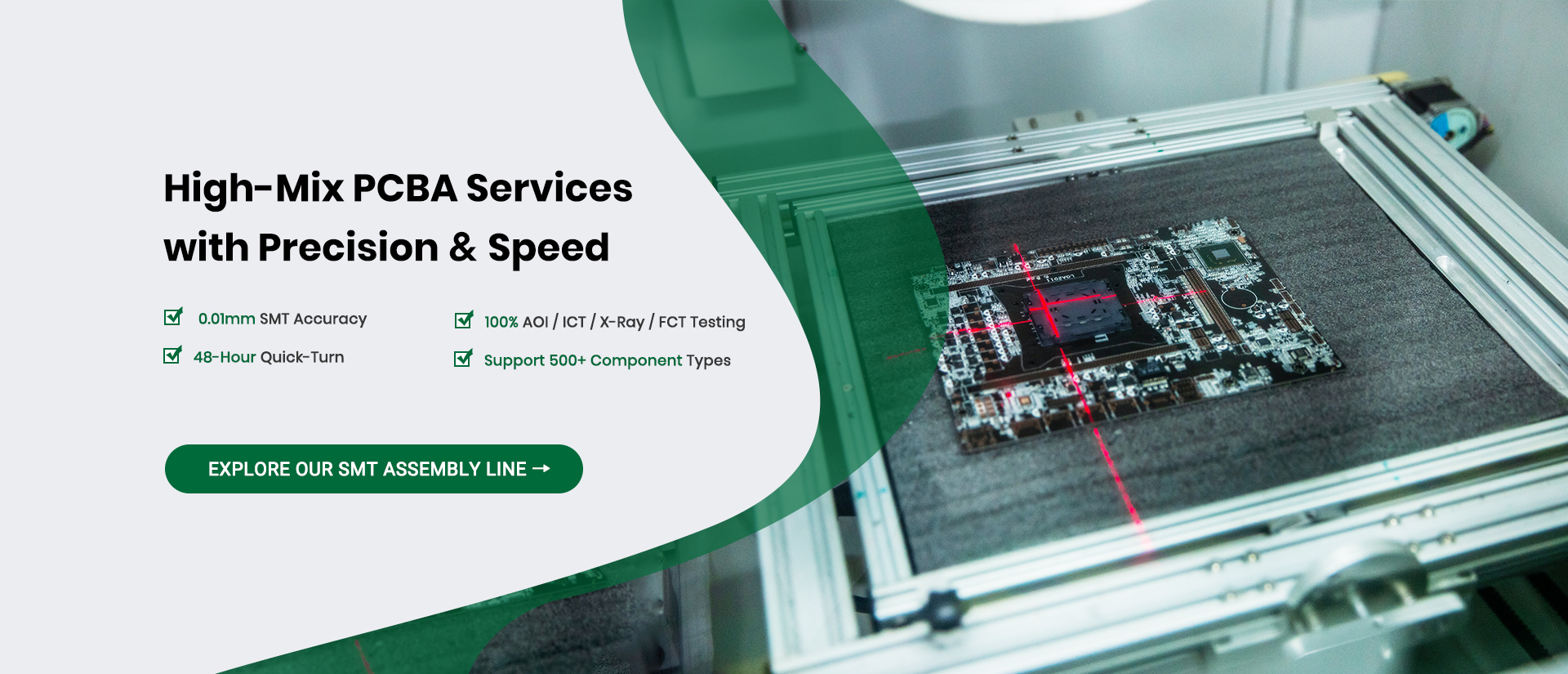

End-to-End PCBA Manufacturing Services
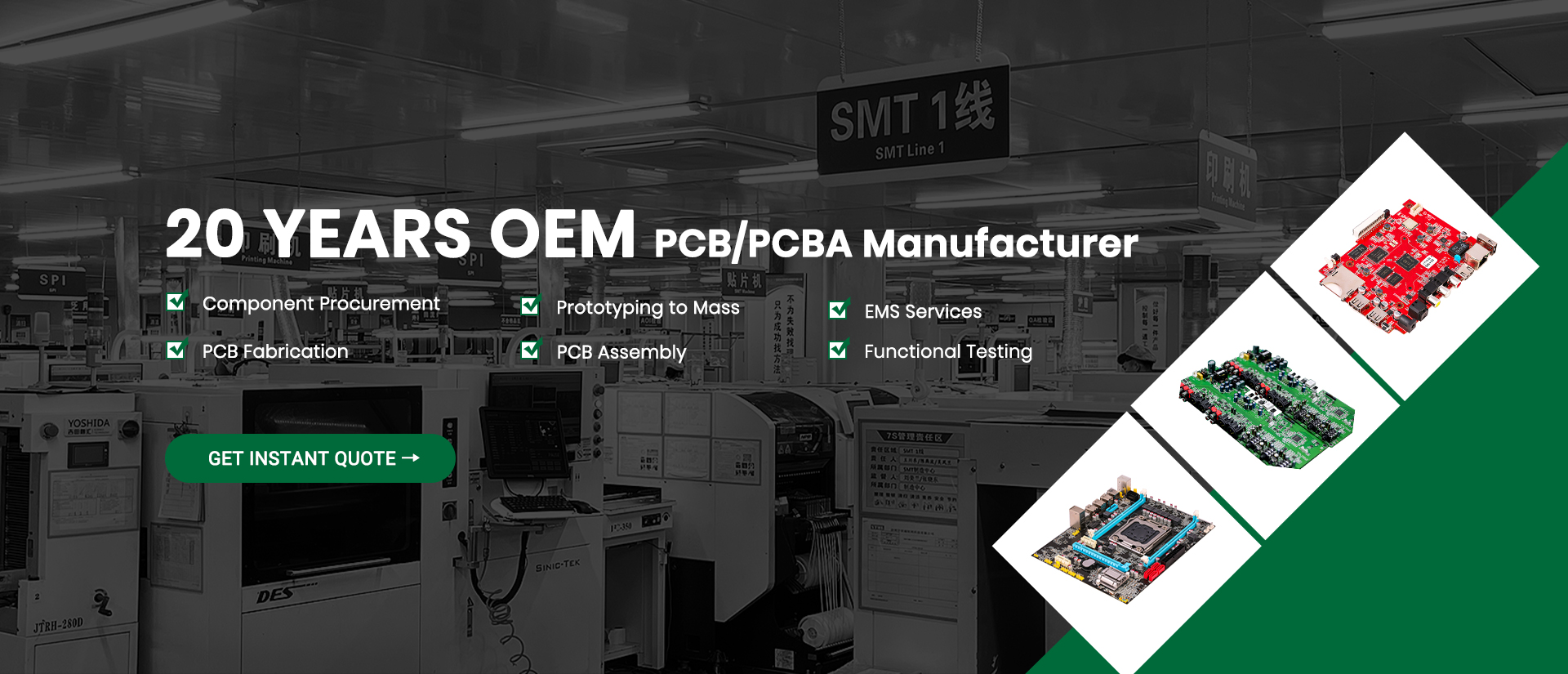
For 20 years, STHL has combined component procurement, PCB fabrication, SMT and THT assembly and functional testing into one controlled workflow — so you deal with one accountable supplier from first article to repeat production.

Electronic Components Procurement
Full or partial turnkey sourcing through 100+ agents and suppliers, with BOM scrubbing, alternate-part suggestions and reel-level traceability. The sourcing team works across more than 500,000 part numbers and controls moisture-sensitive devices, counterfeit risk and incoming inspection.
Learn more →
PCB Fabrication
Standard, prototype, aluminum, flexible, rigid-flex, HDI, Rogers, ceramic, heavy-copper, high-Tg and halogen-free boards built to your stack-up. Fabrication is planned together with assembly so impedance, surface finish, panelization and component placement do not become disconnected decisions.
Learn more →
SMT & THT PCB Assembly
Prototype, low-volume and high-volume assembly including fine-pitch, BGA and mixed-technology boards, verified by AOI and X-ray. Seven SMT lines and two DIP/THT lines support quick turns without forcing a minimum order quantity on validation builds.
Learn more →
Value-Added Services
PCB layout and design, IC programming, ICT and functional testing, conformal coating, cable and wire harness, and complete box build assembly. These steps reduce the number of handoffs that normally create schedule risk between a bare-board factory, a component distributor and a final assembler.
Learn more →PCB Assembly for Demanding Industries
From in-vehicle electronics to medical devices and smart IoT products, our process controls are matched to the reliability and compliance level each market requires.
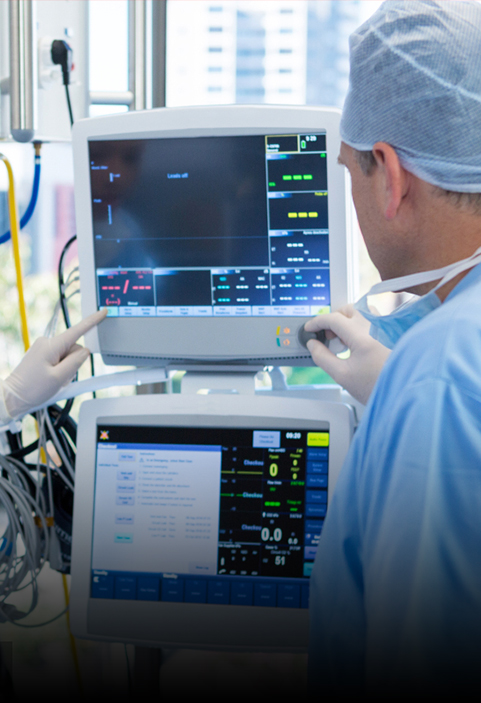
Medical & Healthcare
ISO 13485-controlled assembly for monitoring, diagnostic and wearable devices with full lot traceability. Relevant programs include body temperature monitors, medical power supplies, drug delivery systems and imaging subsystems.

Automotive Electronics
IATF 16949 processes for control modules, lighting and charging electronics that must survive heat and vibration. EV charging pile assemblies and power distribution units benefit from controlled traceability and testing discipline.
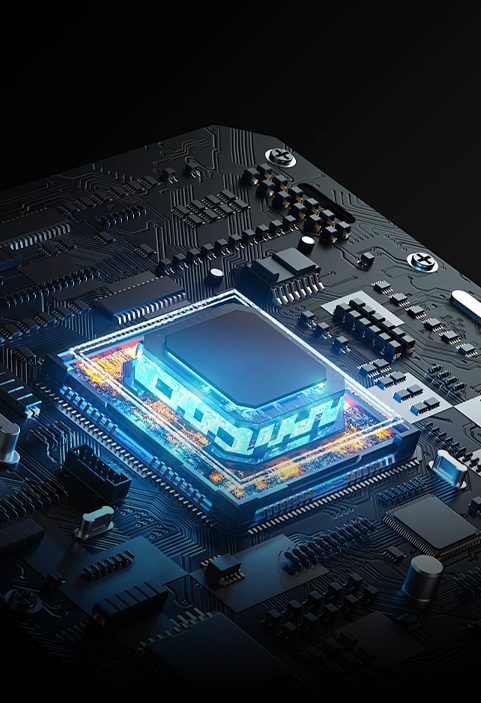
Computer & Storage
High-density, BGA-rich boards for computing, storage and peripherals, verified by X-ray inspection. Assembly planning considers thermal load, fine-pitch routing and the test access needed for repeatable production.
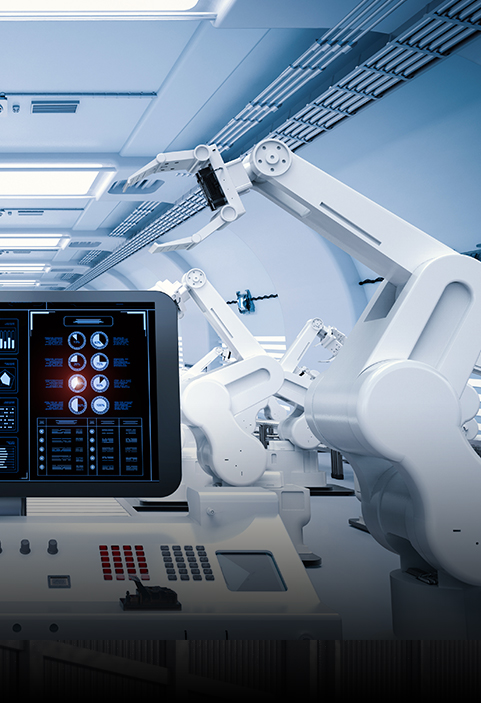
Industrial Control
Robust PCBAs for PLCs, motor drives and automation equipment, with conformal coating options. DIN rail power supplies, PDU boards and smart metering electronics are matched to long-life industrial deployment conditions.
Where a One-Stop PCB Producer Delivers Practical Advantage
Different deployment environments place different demands on a PCB producer company and its factories. The following scenario groups connect product function, local operating conditions and manufacturing controls.
Smart Metering & Grid Intelligence
Smart meter PCB assembly must support long service life, stable metrology, isolation and communication modules. Localized deployment in dense urban grids and remote utility sites calls for controlled solderability, protective coating options and repeatable functional test. STHL aligns the smart meter PCBA build with utility documentation and long-term traceability.
Voice Assistants & Smart Home Devices
Voice assistant devices, smart speakers and home automation hubs combine microphones, wireless modules and compact enclosures. Rapid prototype smart speaker PCB assembly helps teams validate acoustic and RF performance before mass production. Low-volume builds can move to repeat production without changing the supplier.
DIN Rail Power & Industrial Control
DIN rail power supplies and PDU assemblies are deployed in cabinets where thermal stress, EMI and vibration are normal. A one-stop producer can coordinate heavy-copper fabrication, THT power devices, conformal coating and functional testing so the board arrives ready for integration rather than waiting for another vendor.
Wearables & Medical Monitoring
Smartwatches, body temperature monitors and wearable monitors demand small form factors, fine-pitch assembly and consistent inspection. Rigid-flex and HDI boards can reduce connector count, while AOI and X-ray inspection support tighter process control. For medical products, ISO 13485 systems and lot traceability are part of the production plan.
Imaging, Printing & Diagnostic Equipment
Multi-function printers, MRI imaging systems and diagnostic equipment require boards that remain stable under continuous operation. Controlled fabrication, BGA inspection, ICT and functional test reduce field failure risk. Sensitive analog and digital sections also benefit from early DFM review rather than late-stage rework.
Energy, Water & Environmental Monitoring
Wastewater monitoring equipment, surveillance cameras, LED rigid strip lights, EV charging piles and inertial navigation systems operate in varied environments. Localized support means the manufacturer understands humidity, temperature swing, enclosure constraints and export documentation — and translates those needs into material, coating and test choices.
What the Next PCBA Generation Requires from a Producer
Electronics manufacturing is moving toward higher density, faster interfaces, more embedded intelligence and stronger traceability. The PCB producer company of the next decade must invest in process engineering, data and sustainability — not only in placement speed.
Miniaturization, HDI & Rigid-Flex
Wearables, medical monitors and compact IoT modules continue to reduce available board area. HDI, fine-pitch BGA, rigid-flex and package-level considerations will increasingly be specified together. Early stack-up planning and design-for-assembly reviews become more valuable than late cost negotiations.
High-Speed, RF & Thermal Management
Higher data rates and wireless functions require controlled impedance, low-loss materials and careful thermal design. The roadmap includes tighter fabrication tolerances, copper balance planning and test methods that verify signal integrity before volume production. Heat-generating power and charging boards need similar attention.
Advanced Inspection & Microelectronics
AOI, X-ray and ICT remain essential, but future factories will connect inspection data across SMT, THT and test stations. AI-assisted defect classification can prioritize engineering attention. For medical and automotive customers, the value lies in closed-loop traceability rather than a single inspection result.
Digital Thread & MES Traceability
ERP and MES tracking connect BOM, material lot, placement program, inspection result and shipment. This digital thread supports root-cause analysis, repeat orders and audit readiness. As supply chains become more complex, data continuity becomes a competitive advantage for OEMs managing multi-region production.
Flexible Automation & High-Mix Production
High-mix, low-volume and prototype-to-volume transitions are now normal. The roadmap is not simply more machines; it is faster changeover, smarter scheduling and engineering teams that can review BOM risk, alternate parts and test coverage. This is how a China PCBA factory supports both innovation and scale.
Sustainability & Compliance by Design
RoHS-compliant assemblies, ISO 14001 environmental management and responsible material choices are becoming procurement requirements. Future programs will expect clearer documentation, lower waste, energy-aware process planning and suppliers that can answer compliance questions with evidence rather than promises.
Why Shenzhen Production Depth Still Matters
Global buyers are not choosing between “China” and “somewhere else” in a simple way. They are building resilient, multi-source supply chains. China remains important because the Shenzhen–Pearl River Delta cluster combines component availability, process specialization, engineering talent and fast iteration.
Deep Component Ecosystem
STHL works with 100+ agents and suppliers covering more than 500,000 part numbers. When a specified part is constrained or obsolete, the sourcing team can propose alternates, check lifecycle risk and align the change with engineering review. This is a practical resilience mechanism, not a marketing claim.
Controlled In-House Workflow
PCB fabrication, SMT, THT, testing and box build are managed as one workflow. Fewer handoffs mean fewer schedule surprises. If a BGA inspection result requires engineering review, the response can be coordinated internally rather than through several unrelated suppliers.
Capacity with High-Mix Flexibility
Seven SMT lines, two DIP/THT lines, two functional test lines and two box build lines support prototype, low-volume and volume production. No MOQ allows design validation without distorting the commercial model, while repeat production can scale with the same process knowledge.
Traceability & IP Protection
ERP and MES tracking, incoming inspection and reel-to-board traceability support quality investigations. NDAs are signed before RFQ, and project data is restricted to the assigned engineering team. For OEMs, supply-chain resilience also means protecting designs and avoiding unauthorized leakage.
Fast Engineering Iteration
DFM and BOM review before material is ordered reduces rework and line-down risk. Cost-down engineering can examine alternate packages, panel utilization, test strategy and component availability. This engineering feedback loop is a major efficiency advantage in Shenzhen’s dense electronics ecosystem.
Export Readiness for 90+ Regions
ESD-safe packaging, export documentation and global shipment experience support customers in North America, Europe, the Middle East, South America, Oceania and other regions. A 99.5% on-time delivery target reflects process planning, not wishful scheduling.
The PCBA Market Is Being Reshaped by Reliability and Speed
Demand is rising in electrification, medical technology, industrial automation, smart infrastructure and connected consumer products. At the same time, procurement teams are under pressure to reduce single-source exposure, shorten iteration cycles and document compliance.
Electrification & Energy Infrastructure
EV charging, power distribution, energy storage and smart metering require power-capable PCBAs with controlled thermal behavior and test coverage. These products often combine high-voltage isolation, communication and long service-life requirements.
Medical Device Localization
Diagnostics, monitoring and drug delivery systems need documented processes, traceability and reliable change control. ISO 13485 manufacturing helps overseas OEMs localize production while maintaining audit-ready quality evidence.
Industrial Automation & Robotics
PLCs, drives, sensors, PDU boards and navigation systems demand robustness, EMC awareness and consistent assembly. High-mix production capability matters because industrial customers often order multiple variants from one platform.
IoT, Security & Smart Infrastructure
Surveillance cameras, smart speakers, environmental monitoring and connected appliances combine RF modules, compact layouts and cost pressure. Rapid prototyping plus scalable volume production helps teams move from concept validation to shipment.
Global Reach with Documented, Auditable Support
Localized support for an overseas OEM means clear communication, evidence-based compliance, NDA-backed confidentiality and a factory that can be audited. STHL supports customers through engineering review, production tracking, inspection records and export-ready packaging.
Certification Stack
STHL is certified to IATF 16949, ISO 9001, ISO 14001 and ISO 13485, and produces RoHS-compliant assemblies. Certification is supported by process control, inspection records and management-system discipline rather than a single certificate image.
Documentation & Material Evidence
BOM review, incoming inspection, lot traceability, AOI/X-ray results, ICT and functional test records can be organized around customer requirements. For regulated products, change control and record retention are discussed before production begins.
IP Security & NDA Before RFQ
Design files, firmware and test procedures are confidential. We sign an NDA before RFQ, restrict project data to the assigned engineering team and track builds through ERP and MES systems. Protection starts before pricing, not after a purchase order.
Export Countries & Communication
Customers in the USA, Germany, Italy, the UK, Poland, New Zealand, Brazil and 90+ other regions work with STHL in English. Engineering, sourcing and quality questions can be consolidated through one account team instead of fragmented vendors.
Factory Audit & Remote Verification
Customers are welcome to visit the Shenzhen factory and R&D laboratory at any time. A 360-degree virtual factory tour is available for remote evaluation, helping procurement and quality teams pre-qualify the supplier before travel.
Packaging & Delivery Control
ESD-safe packaging, labeling and shipment preparation are planned with the production schedule. Cable assembly, enclosure integration, final inspection and export packing can be coordinated as part of the same build.
From Gerber Files to Global Shipment in 6 Controlled Steps
Knowing what happens after you place a purchase order removes surprises. This is how every STHL PCBA project moves through our factory.
DFM & BOM Review
Engineers check Gerber, BOM and centroid data for manufacturability, footprint errors and end-of-life parts before any material is ordered.
Component Sourcing
Parts are purchased through 100+ agents and suppliers, then pass incoming inspection and moisture-sensitive device control.
PCB Fabrication
Bare boards are produced to your stack-up, surface finish and impedance requirements, from single-layer to HDI and rigid-flex.
SMT & THT Assembly
7 SMT lines and 2 DIP/THT lines handle fine-pitch, BGA and mixed-technology boards for prototypes and mass production.
Inspection & Testing
AOI, X-ray, ICT and functional tests, plus IC programming and conformal coating, with results logged in our MES.
Box Build & Delivery
Cable assembly, enclosure integration and ESD-safe packaging, shipped to customers in 90+ countries and regions.
Why Global OEMs Choose STHL for PCB Assembly
Measurable capacity, documented quality systems and engineering support that reduces your total cost — not just the unit price. The value of a one-stop PCB producer company is visible when design, sourcing, assembly and test data stay connected.

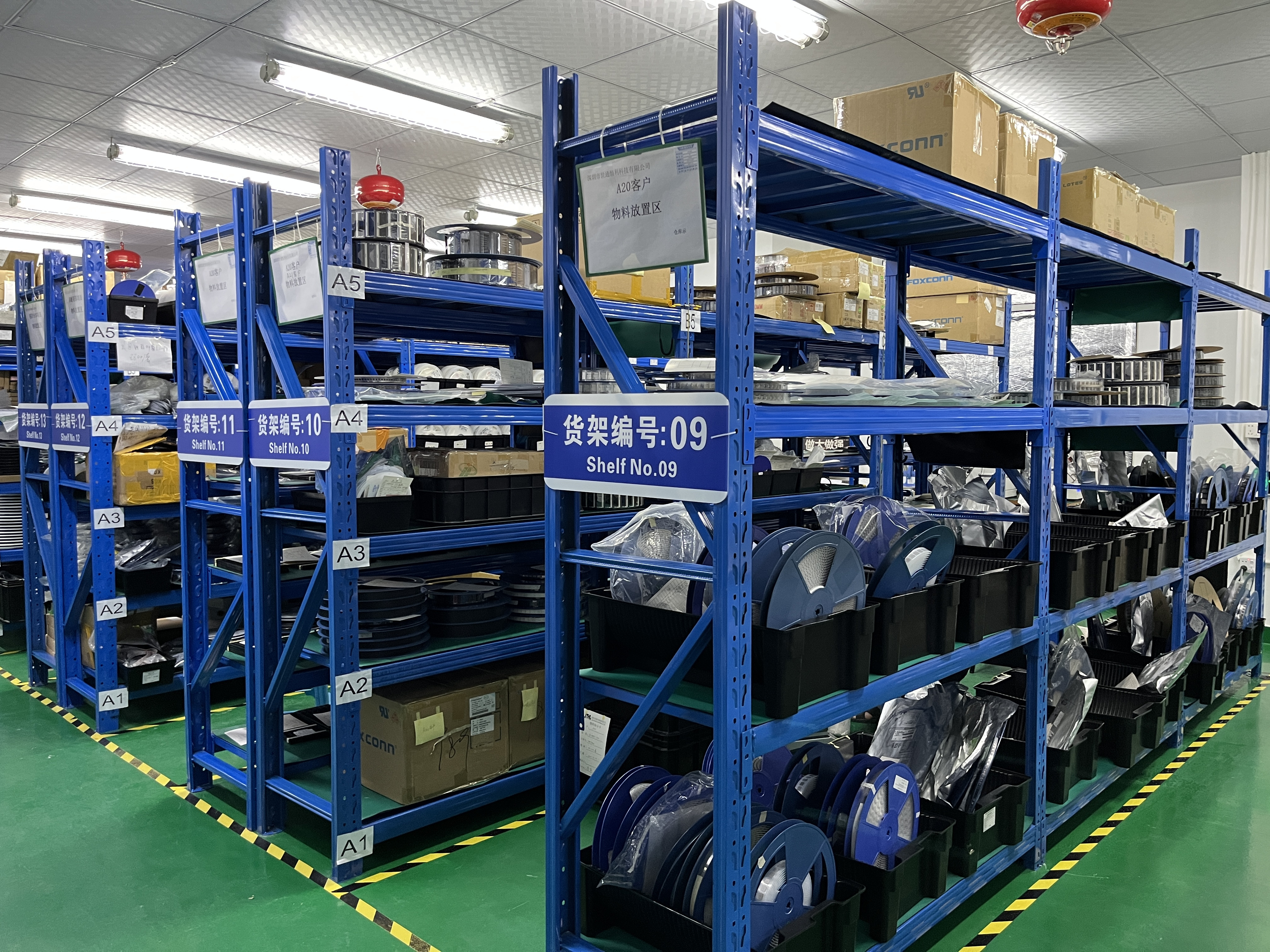
Dust-Free Smart Factory
10,000+ m² highly automated production space.

20 Years of Experience
Proven know-how across PCB and PCBA since 2006.

Global Sourcing
500k+ parts via 100+ agents and suppliers.

Fully Certified
IATF 16949, ISO 9001, ISO 14001, ISO 13485.

ERP & MES Tracking
Real-time production status and lot traceability.

Cost-Down Engineering
DFM and BOM optimisation by our engineering team.

No MOQ
Prototype and large-quantity orders both welcome.

NDA Before RFQ
Your design data and IP are protected from day one.

Fast Delivery
99.5% on-time delivery across global shipments.
Certified Quality Management Systems
Independent third-party audits confirm that our processes meet the requirements of automotive, medical and industrial customers. Click any certificate to view it in full size.

ISO 9001
Quality Management System

IATF 16949
Automotive Quality Management

ISO 13485
Medical Devices Quality Management

ISO 14001
Environmental Management System
Audit Our Factory Remotely with a 360° Virtual Tour
Walk through our SMT, THT, testing and warehouse areas before you visit. It is the fastest way for procurement and quality teams to pre-qualify a new PCBA supplier. Remote evaluation does not replace an on-site audit, but it shortens the list of suppliers that deserve travel time.
The Shenzhen factory and R&D laboratory are open to customer visits. For teams that need an early technical discussion, the 360° tour can be combined with a DFM and BOM review session.
Brands & Supply-Chain Partners We Work With
Long-term cooperation with global brands and established component distributors keeps your BOM genuine, traceable and available. The partner ecosystem supports both prototype validation and repeat production.































What Engineers & Buyers Say About STHL
Feedback from hardware engineers, designers and company owners across North America, Europe and beyond.
“Excellent team to work with and fast delivery with high-quality boards. We are very happy to work with such a good supplier. Thanks again.”

“Please extend my thanks to your team for your hard work in preparing these samples. This positive experience has strengthened my confidence in your company, and I'm looking forward to discussing bulk orders in the near future.”

“We are satisfied with the last order. You did a great job on those boards and the lead time was short. I will place a new order soon.”

“The order was perfect — exactly as specified with top quality. Highly recommend this reliable supplier.”

“Exciting! Very fast delivery, a professional supplier and a professional product. We will place a new order very soon!”

“We have tested all the boards and I am highly pleased. I will repeat my order soon. Thank you again for your excellent service.”

“It's always a pleasure ordering. Very professional team and good quality — thanks for your great service.”

“Satisfied with the sample products delivered. Very good product, quick delivery and a good understanding of my requirements.”

“The supplier's professionalism is evident in their seamless communication, efficient processing and reliable service. They are a trustworthy and commendable partner.”

PCBA Insights & Factory News
Practical updates from our production floor — customer visits, traceability practices and what really drives PCBA lead time.



PCBA Sourcing FAQs for Overseas Buyers
Straight answers to the questions procurement and engineering teams ask before choosing a PCB assembly manufacturer in China.
📁What files do I need to submit for a PCBA project?
Send Gerber files, a BOM with manufacturer part numbers, the pick-and-place (centroid) file and assembly drawings. If you need IC programming or functional testing, include firmware and test procedures. Our engineers complete a DFM and BOM review before production starts.
📦Is there a minimum order quantity (MOQ)?
No. STHL accepts prototype, low-volume and high-volume PCB assembly orders, so you can validate a design and scale to mass production with the same supplier.
🧩Can STHL source all the electronic components?
Yes. We offer full turnkey, partial turnkey and consigned assembly. Our sourcing team works with 100+ agents and suppliers covering more than 500,000 part numbers, with incoming inspection and traceability from reel to finished board.
🛡️Which quality certifications does STHL hold?
STHL is certified to IATF 16949, ISO 9001, ISO 14001 and ISO 13485, and produces RoHS-compliant assemblies. Boards are verified with AOI, X-ray, ICT and functional testing.
🔒How do you protect our design files and IP?
We sign an NDA before RFQ, restrict project data to the assigned engineering team and track every build through our ERP and MES systems.
🏭Can we audit or visit the factory?
Yes. Customers are welcome to visit our Shenzhen factory and R&D laboratory at any time, and a 360-degree virtual factory tour is available for remote evaluation.
🌐How do you improve supply-chain resilience?
We combine multi-source component channels, BOM review, alternate-part suggestions, incoming inspection and lot traceability. For constrained parts, engineering and sourcing review the impact on fit, function and test coverage before a change is approved.
⏱️What affects PCBA lead time?
Lead time depends on PCB fabrication complexity, component availability, assembly quantity, test requirements and documentation. Prototype builds can move faster when files are complete; volume production benefits from early material planning and repeat-order process knowledge.
🔄How do you handle obsolete or long-lead parts?
During BOM review, the sourcing team flags lifecycle risk and long lead-time items. Where appropriate, we propose qualified alternates, adjust the purchasing plan or discuss last-time-buy options with the customer. Changes are documented before production.
🔬What testing can be included?
Typical options include AOI, X-ray, ICT and functional testing, plus IC programming and conformal coating. The right test plan depends on board complexity, end-product risk and the customer’s own acceptance criteria.
🚀Can you support prototype-to-volume transitions?
Yes. No MOQ and flexible production lines allow a prototype to be validated, then scaled with the same supplier. Keeping the same process history reduces revalidation effort and makes repeat orders more predictable.
📄How is localized support handled for overseas teams?
Support is delivered in English through one account and engineering team. We align DFM questions, BOM changes, production status, inspection records and export packaging around the customer’s time zone and approval workflow. NDAs and audit access are available before and after order placement.
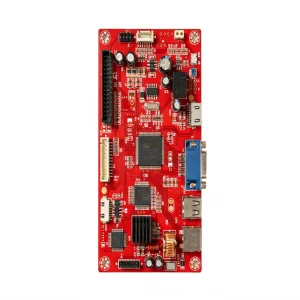
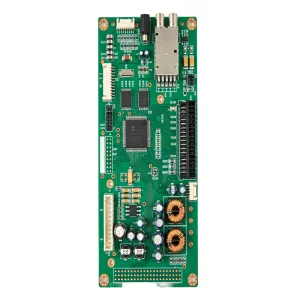
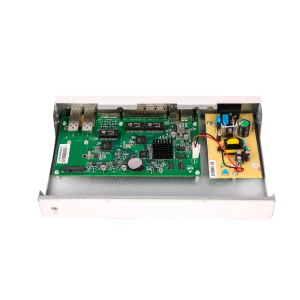
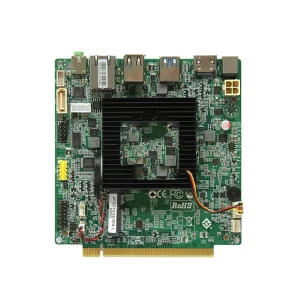
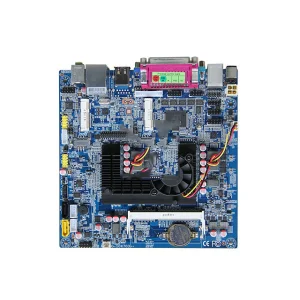
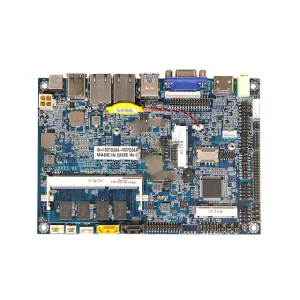
More One-Stop PCBA Programs from STHL Factories
These additional programs illustrate the breadth of the factory: connected devices, LED lighting, environmental monitoring, security, power distribution, medical delivery, EV charging and navigation electronics.
Get a One-Stop PCB Producer Review Before You Place the Order
Share Gerber, BOM and build requirements for a DFM and BOM review. We will help you identify supply risk, test coverage gaps and the right factory route from prototype to repeat production. NDA before RFQ is available.

Talk to a PCBA Engineer