Featured PCBA Programs Built Around One-Stop Process Control
These application-led programs show how STHL combines front-end engineering, material sourcing, PCB fabrication, SMT/THT assembly, test and final integration for high-mix global buyers. Each link is preserved from the original product library.
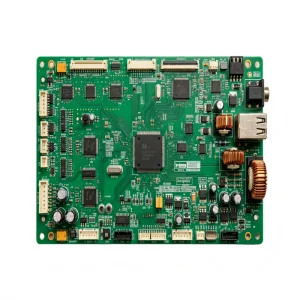
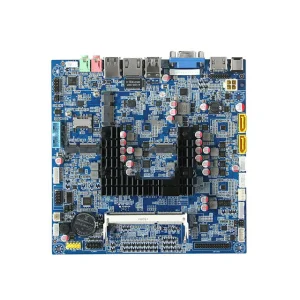
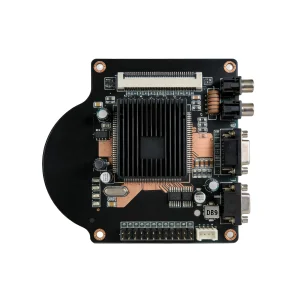
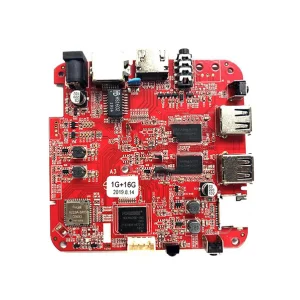
Top-Rated Ecological Restoration Monitoring Equipment PCB Assembly Manufacturer, Solutions
View product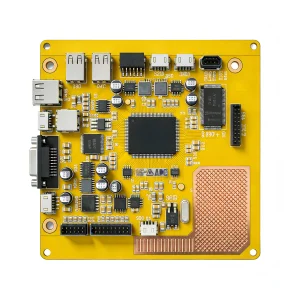
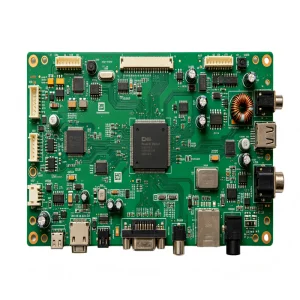
OEM Communication PCBA Application: Connecting the World with Precision Supplier, Factory
View productOne-Stop PCB Manufacturing Process Steps: What Global Buyers Are Really Evaluating
Semantic search for this topic is not only technical. It combines process understanding, supplier qualification, total landed cost, compliance evidence and shipment risk.
Buyers who search for One-Stop PCB Manufacturing Process Steps Factory & Factories usually sit between an approved design and a manufacturing decision. They need more than a list of machines. They need to understand how front-end engineering, component sourcing, PCB fabrication, SMT and THT assembly, inspection, conformal coating, firmware programming and box build interact; where yield loss and schedule risk come from; and how a supplier's quality system translates into predictable shipments. That is why a product page with real process depth creates information gain: it answers commercial questions while proving technical capability.
At industry level, PCBA demand is being reset by electrification, automation, miniaturization and connected products. Automotive control units, battery management systems, medical infusion pumps, telemedicine terminals, industrial cranes, electric forklifts, environmental sensors, X-ray security inspection equipment and precision communication devices all require different process controls. A one-stop factory must therefore operate a high-mix model: standard work instructions for repeatability, flexible changeovers for low-volume builds, and traceability from incoming reel to finished board. The most competitive factories do not merely assemble boards; they reduce the number of handoffs, decisions and undocumented risks in the customer's program.
From unit price to total landed cost
Procurement teams compare quotes, but experienced buyers evaluate scrap, rework, freight, duty, inventory, engineering changes and delayed launch cost. A one-stop supplier reduces hidden cost by controlling the interfaces between bare board, components, assembly and test.
From catalogue supplier to process partner
Good factories provide DFM feedback before material is ordered, flag end-of-life parts before they stop a line, propose alternate components during allocation, and document test coverage so the customer can audit what happened to each lot.
From low-cost sourcing to supply resilience
The China advantage is no longer just labor. It is supplier density, engineering speed, component access, mature quality systems and the ability to move from prototype to volume without changing the manufacturing partner.
Global PCBA Market Context: Why Process Depth Now Wins Contracts
Post-pandemic supply-chain volatility, component allocation, regional diversification and stricter product compliance have changed how OEMs select PCB assembly factories.
North America and Europe continue to invest in product innovation while relying on Asian manufacturing clusters for scale, component access and engineering depth. China's Greater Bay Area remains one of the densest electronics ecosystems in the world, with PCB fabricators, component distributors, stencil makers, testing houses, enclosure suppliers and logistics providers concentrated within a short distance. For a global buyer, this density shortens the loop between an engineering change and a production release, but it also raises the bar for supplier selection. A factory that cannot demonstrate process discipline becomes a source of variability rather than an extension of the customer's engineering team.
Global procurement teams are not simply looking for the lowest quotation. They ask for NDA protection before RFQ, DFM feedback before tooling, evidence of IATF 16949 or ISO 13485 control, BOM transparency, counterfeit avoidance, lot traceability, and a clear escalation path when a part is allocated. In practice, the winning factories are those that can compress the loop between engineering change and production release while keeping documentation audit-ready. That is especially important in automotive electronics, medical devices, industrial controls, energy systems, safety and security equipment, and communication hardware, where a board failure is not only a warranty issue but also a regulatory, safety or brand-risk event.
At the same time, demand is fragmenting. High-volume consumer products still reward scale and automation, but many growth categories now demand high-mix, low-volume production: custom environmental monitoring devices, specialized medical equipment, electric material-handling vehicles, telemedicine systems and industrial IoT controllers. These programs may start with prototypes, move through pilot builds and then scale into repeat production. A one-stop factory with no MOQ and a controlled prototype-to-volume workflow can reduce re-qualification cost and shorten time-to-market.
China Factory Efficiency Advantage: Cluster Density, Engineering Speed and Quality Systems
Shenzhen and the Greater Bay Area remain a practical base for high-mix PCBA because supplier density, engineering talent and logistics speed reinforce each other.
China's efficiency advantage is often misdescribed as low labor cost. In a mature PCBA project, the more important advantages are supplier density, same-day access to components, rapid stencil and fixture support, experienced process engineers, flexible line changeovers and mature export logistics. For an overseas buyer, these factors can matter more than a small difference in assembly labor, because a missing part, an unclear footprint or a delayed test fixture can wipe out the benefit of a lower quotation within days.
STHL's Shenzhen operation illustrates this model: 220+ staff, 50+ engineers, a 10,000 m² facility, 7 SMT lines, 2 DIP/THT lines, 2 functional test lines, 2 box build lines and 13+ production lines. More than 100 agents and suppliers cover 500,000+ part numbers. Production is controlled under IATF 16949, ISO 9001, ISO 14001 and ISO 13485, with AOI, X-ray, ICT and functional test verification. No MOQ lowers the barrier for prototypes, while ERP and MES tracking support repeat orders, lot traceability and customer audits.
Efficiency should be measured by first-pass yield, changeover time, material readiness, engineering response and on-time delivery. A 99.5% on-time delivery rate is not a slogan; it is the cumulative result of BOM scrubbing, incoming inspection, moisture-sensitive device control, pre-production checks, test coverage and shipping discipline. The same discipline supports global buyers in 90+ countries and regions who need a supplier that can answer both technical and commercial questions with evidence.
One-Stop PCB Manufacturing Process Steps From Gerber to Global Shipment
A controlled workflow matters more than a long equipment list. These six commercial stages contain dozens of sub-steps that determine yield, lead time and audit readiness.
DFM & BOM Review
Gerber, BOM, centroid and assembly drawings are checked for manufacturability, footprint errors, panelization, test access and end-of-life parts. This is where cost and risk should be removed before material is ordered.
Component Sourcing
Full turnkey, partial turnkey and consigned assembly are supported. Parts are purchased through 100+ agents and suppliers, then pass incoming inspection, moisture-sensitive device control and reel-level traceability.
PCB Fabrication
Standard, aluminum, flexible, rigid-flex, HDI, Rogers, ceramic, heavy-copper, high-Tg and halogen-free boards are produced to the required stack-up, impedance and surface finish.
SMT & THT Assembly
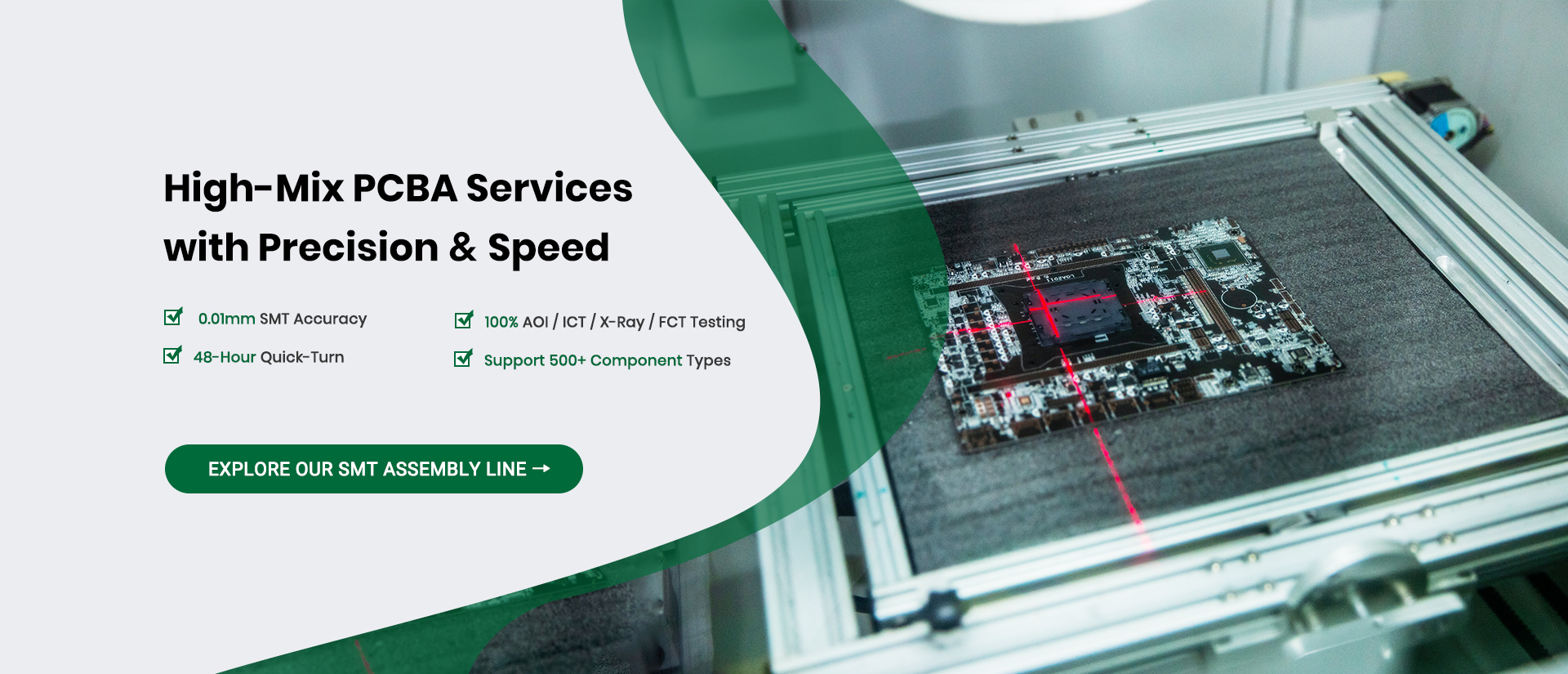
7 SMT lines and 2 DIP/THT lines handle fine-pitch, BGA and mixed-technology boards. Solder paste printing, SPI, pick-and-place, reflow, AOI, X-ray and wave/solder processes are controlled by work instructions.
Inspection & Testing
AOI, X-ray, ICT and functional testing verify workmanship and performance. IC programming, conformal coating and firmware checks can be added, with results logged in the MES for traceability.
Box Build & Delivery
Cable assembly, enclosure integration and ESD-safe packaging complete the one-stop model. Finished assemblies are shipped to customers in 90+ countries and regions with export documentation support.
Between those six visible stages sit dozens of controlled sub-steps: stencil and solder-paste preparation, SPI, reflow profiling, MSL baking, ESD control, first-article inspection, X-ray of BGA voids, boundary scan where available, firmware checksum verification, functional test fixture validation, conformal-coat cure, final visual inspection and packaging protection. A credible one-stop factory should expose these controls in the quote, PFMEA, control plan and traceability record, not only in a factory tour. This is the information gain that separates a process page from a generic supplier brochure.
Where One-Stop PCBA Capability Matters Most
Different markets translate the same process steps into different reliability, documentation and test requirements.
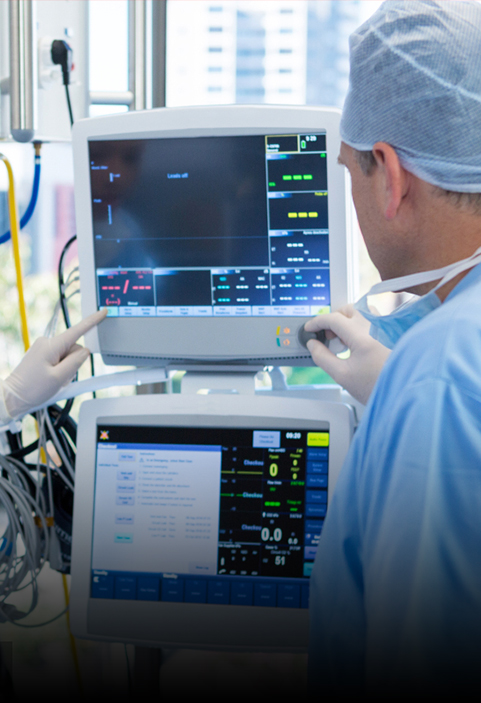
Medical & Healthcare
Infusion pumps, telemedicine equipment, monitoring devices and diagnostic hardware require ISO 13485 control, lot traceability, validated test fixtures and disciplined change management. Process documentation is part of the product.
Explore medical PCBA →
Automotive Electronics
Vehicle control units, battery management systems, supplemental restraint systems and electric material-handling electronics require IATF 16949 discipline, PPAP-style evidence, thermal robustness and traceability under vibration and heat.
Explore automotive PCBA →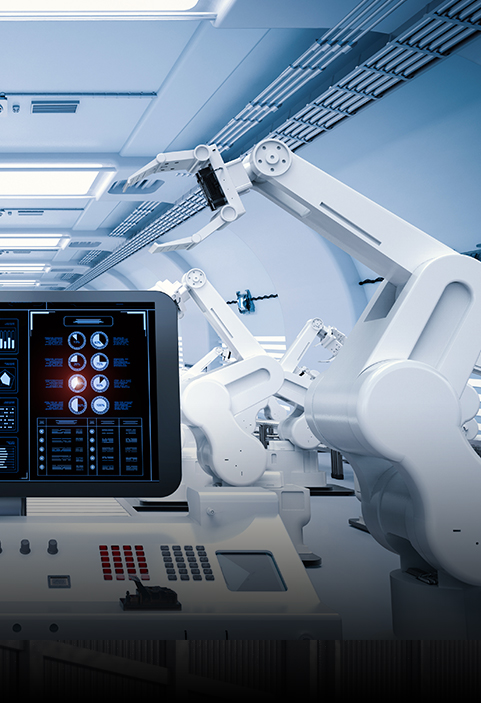
Industrial Control & Equipment
Electric cranes, electric forklifts, smart thermostats and automation controllers demand robust PCBAs, conformal coating options, stable component sourcing and functional test coverage that reflects real operating conditions.
Explore industrial PCBA →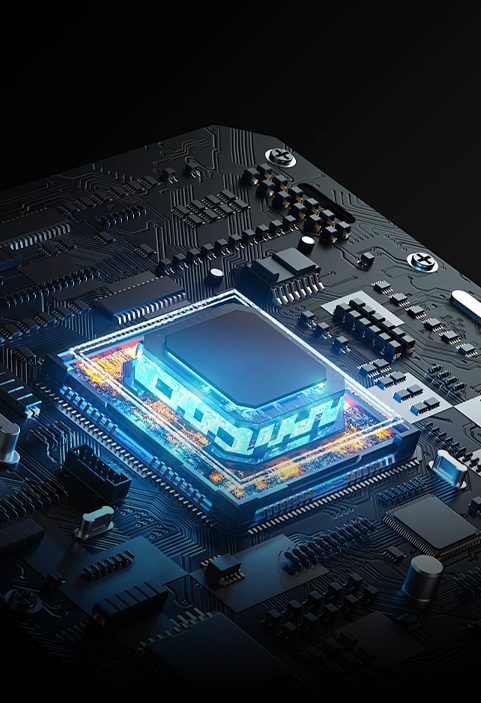
Environmental & Communication
Soil detectors, ecological restoration monitoring equipment, mobile hotspots, communication PCBA, LED backlight units and security inspection machines combine sensor interfaces, RF performance and long-field-life reliability.
Explore monitoring PCBA →Industry Trends Reshaping PCB Assembly Procurement
Buyers should map these trends to supplier capability before awarding a production program.
Miniaturization, HDI and rigid-flex
Fine-pitch devices, 01005 components, BGA, SiP and rigid-flex boards increase the need for SPI, AOI, X-ray and controlled reflow profiles. Factory capability must be proven by inspection data, not only by equipment names.
High-mix, low-volume production
Prototype, pilot and volume programs increasingly coexist. No MOQ, rapid changeovers and engineering support reduce the cost of iterating without changing suppliers at each stage.
Digital traceability
ERP and MES records, reel-level data, test logs and lot genealogy are becoming standard expectations for regulated customers and brand owners managing recalls or field failures.
Supply-chain resilience
China remains a key manufacturing base, but buyers increasingly ask for China+1 options, approved alternate parts, buffer stock strategies and visibility into component lifecycle risk.
Sustainability and RoHS compliance
ISO 14001 controls, lead-free processes, waste management and material declarations now sit alongside price and lead time in supplier scorecards, especially for European and North American brands.
Earlier design-for-test input
Test access, fixture design, programming strategy and functional test coverage should be discussed during DFM. Moving test thinking earlier prevents expensive late-stage rework and improves first-pass yield.
A Practical Supplier Scorecard for Global Enterprise Buyers
Use these criteria to compare a one-stop factory with a fragmented supplier chain.
Complete RFQ package
Gerber, BOM with manufacturer part numbers, pick-and-place centroid data, assembly drawings, firmware, test procedures and any mechanical integration files. A supplier that reviews these before quoting is more likely to control cost later.
Certification fit
IATF 16949 for automotive, ISO 13485 for medical, ISO 9001 for general quality and ISO 14001 for environmental control. Ask how the certificates are reflected in work instructions, traceability and corrective action.
IP protection and NDA
NDA before RFQ, restricted project access inside the factory, ERP/MES permission control and clear data-handling rules. Design files, firmware and test fixtures are valuable IP and should be treated as such from the first contact.
Audit and traceability evidence
Factory visit, 360° virtual tour, lot traceability records, AOI/X-ray data, ICT/FCT logs, non-conformance handling and corrective-action history. Remote buyers need evidence that can be reviewed before an on-site audit.
BOM lifecycle and shortage strategy
Alternate part suggestions, EOL alerts, approved vendor discipline, incoming inspection, counterfeit avoidance and allocation management. Component risk is often the largest hidden risk in a PCBA quotation.
Logistics and total cost
Packaging, ESD protection, export documents, freight mode, consolidation options and communication cadence. The best supplier makes the total program predictable, not only the unit price attractive.
Your Turnkey PCBA & ODM Partner in Shenzhen Since 2006
Technical content in this guide is aligned with STHL's engineering, sourcing, production and quality experience across regulated and industrial markets.
Shenzhen STHL Electronics Co., Ltd. is a certified electronics manufacturing services (EMS) and ODM provider. We help hardware teams in the USA, Germany, Italy, the UK, Poland, New Zealand, Brazil and 90+ other regions move from schematic to shipped product—PCB layout, component sourcing, PCB fabrication, SMT/THT assembly, cable assembly, box build and full testing in one factory.
Our 220+ staff, including 50+ engineers, run a 10,000 m² facility with an in-house R&D laboratory for design verification and prototype testing. Every build is RoHS-compliant and controlled under IATF 16949, ISO 9001, ISO 14001 and ISO 13485 systems. Factory visits and audits are welcome at any time, and a 360° virtual tour is available for remote pre-qualification.
- 7 SMT assembly lines
- 2 DIP / THT lines
- 2 functional test lines
- 2 box build lines
- In-house R&D laboratory
- AOI · X-Ray · ICT · FCT



End-to-End PCBA Manufacturing Services
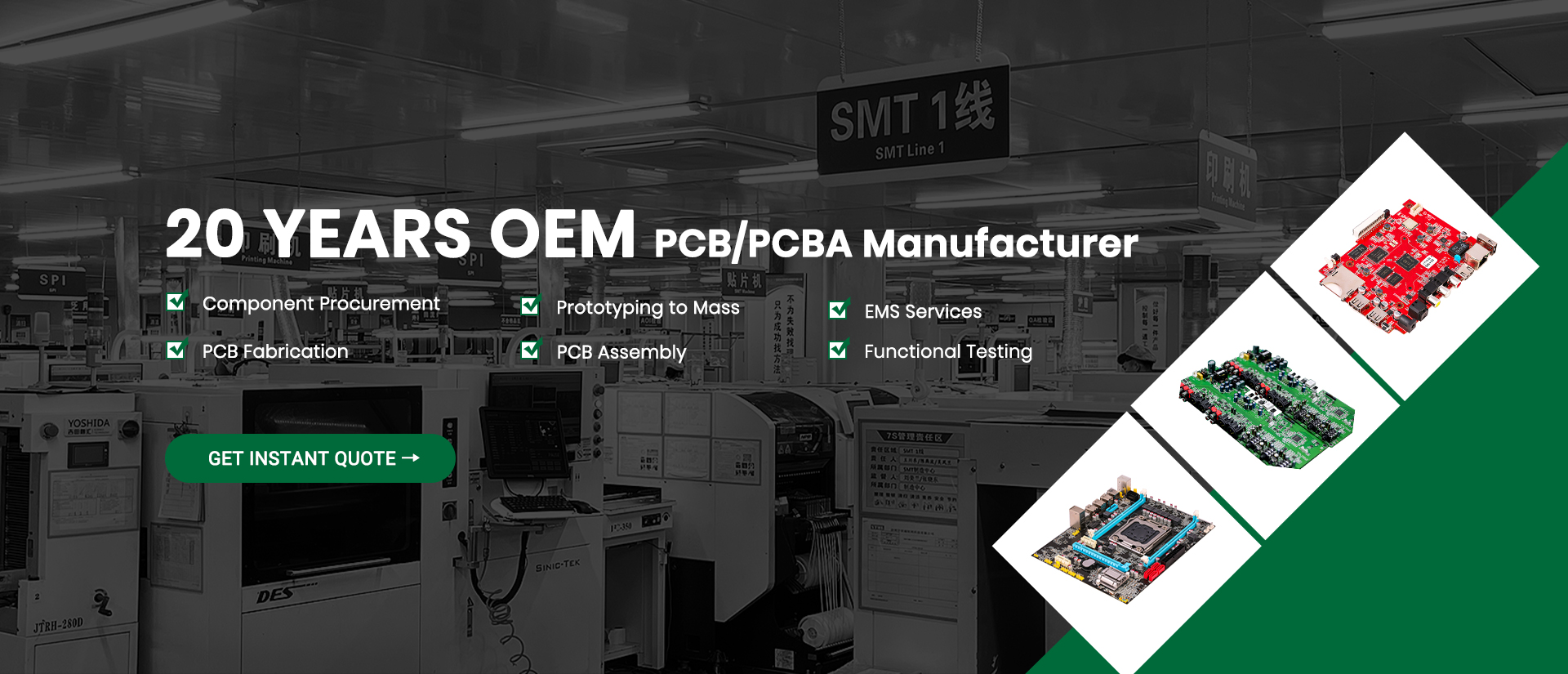
For 20 years, STHL has combined component procurement, PCB fabrication, SMT and THT assembly and functional testing into one controlled workflow—so you deal with one accountable supplier from first article to repeat production.

Electronic Components Procurement
Full or partial turnkey sourcing through 100+ agents and suppliers, with BOM scrubbing, alternate-part suggestions and reel-level traceability.
Learn more
PCB Fabrication
Standard, prototype, aluminum, flexible, rigid-flex, HDI, Rogers, ceramic, heavy-copper, high-Tg and halogen-free boards built to your stack-up.
Learn more
SMT & THT PCB Assembly
Prototype, low-volume and high-volume assembly including fine-pitch, BGA and mixed-technology boards, verified by AOI and X-ray.
Learn more
Value-Added Services
PCB layout and design, IC programming, ICT and functional testing, conformal coating, cable and wire harness, and complete box build assembly.
Learn moreWhy Global OEMs Choose STHL for PCB Assembly
Measurable capacity, documented quality systems and engineering support that reduces your total cost—not just the unit price.

Dust-Free Smart Factory
10,000+ m² highly automated production space.

20 Years of Experience
Proven know-how across PCB and PCBA since 2006.

Global Sourcing
500k+ parts via 100+ agents and suppliers.

Fully Certified
IATF 16949, ISO 9001, ISO 14001, ISO 13485.

ERP & MES Tracking
Real-time production status and lot traceability.

Cost-Down Engineering
DFM and BOM optimisation by our engineering team.

No MOQ
Prototype and large-quantity orders both welcome.

NDA Before RFQ
Your design data and IP are protected from day one.

Fast Delivery
99.5% on-time delivery across global shipments.
Certified Quality Management Systems
Independent third-party audits confirm that our processes meet the requirements of automotive, medical and industrial customers. Click any certificate to view it in full size.




Brands & Supply-Chain Partners We Work With
Long-term cooperation with global brands and established component distributors keeps your BOM genuine, traceable and available.
Brand Customers



















Component Sourcing Channels












What Engineers & Buyers Say About STHL
Feedback from hardware engineers, designers and company owners across North America, Europe and beyond.
“Excellent team to work with and fast delivery with high-quality boards. We are very happy to work with such a good supplier. Thanks again.”

“Please extend my thanks to your team for your hard work in preparing these samples. This positive experience has strengthened my confidence in your company, and I'm looking forward to discussing bulk orders in the near future.”

“We are satisfied with the last order. You did a great job on those boards and the lead time was short. I will place a new order soon.”

“The order was perfect — exactly as specified with top quality. Highly recommend this reliable supplier.”

“Exciting! Very fast delivery, a professional supplier and a professional product. We will place a new order very soon!”

“We have tested all the boards and I am highly pleased. I will repeat my order soon. Thank you again for your excellent service.”

“It's always a pleasure ordering. Very professional team and good quality — thanks for your great service.”

“Satisfied with the sample products delivered. Very good product, quick delivery and a good understanding of my requirements.”

“The supplier's professionalism is evident in their seamless communication, efficient processing and reliable service. They are a trustworthy and commendable partner.”

PCBA Insights & Factory News
Practical updates from our production floor—customer visits, traceability practices and what really drives PCBA lead time.




PCBA Sourcing FAQs for Overseas Buyers
Straight answers to the questions procurement and engineering teams ask before choosing a PCB assembly manufacturer in China.
What files do I need to submit for a PCBA project?
Send Gerber files, a BOM with manufacturer part numbers, the pick-and-place centroid file and assembly drawings. If you need IC programming or functional testing, include firmware and test procedures. Our engineers complete a DFM and BOM review before production starts.
Is there a minimum order quantity (MOQ)?
No. STHL accepts prototype, low-volume and high-volume PCB assembly orders, so you can validate a design and scale to mass production with the same supplier.
Can STHL source all the electronic components?
Yes. We offer full turnkey, partial turnkey and consigned assembly. Our sourcing team works with 100+ agents and suppliers covering more than 500,000 part numbers, with incoming inspection and traceability from reel to finished board.
Which quality certifications does STHL hold?
STHL is certified to IATF 16949, ISO 9001, ISO 14001 and ISO 13485, and produces RoHS-compliant assemblies. Boards are verified with AOI, X-ray, ICT and functional testing.
How do you protect our design files and IP?
We sign an NDA before RFQ, restrict project data to the assigned engineering team and track every build through our ERP and MES systems.
Can we audit or visit the factory?
Yes. Customers are welcome to visit our Shenzhen factory and R&D laboratory at any time, and a 360-degree virtual factory tour is available for remote evaluation.
How long does a one-stop PCBA project take?
Lead time depends on bare-board fabrication, component availability, assembly complexity, test fixture readiness and documentation. Prototypes can move faster, while automotive or medical programs may require more validation. A controlled factory should provide a milestone plan covering material readiness, first article, testing and shipment.
What is the difference between PCB fabrication and PCB assembly?
PCB fabrication produces the bare circuit board: copper layers, drilling, plating, solder mask and surface finish. PCB assembly places and solders components onto that board, then adds inspection, programming and testing. A one-stop factory controls both stages and the component sourcing between them.
How are process steps controlled from reflow to final test?
Critical controls include solder-paste inspection, reflow profiling, MSL baking, ESD protection, AOI, X-ray for hidden joints, ICT or functional test, programming checks and final visual inspection. Records should be linked to the production lot so quality can be reviewed after shipment.
How do you manage component shortages and EOL parts?
We review BOM lifecycle risk before purchasing, propose approved alternates, use 100+ supplier channels and inspect incoming material. For long programs, buyers should discuss buffer stock, last-time-buy planning and approval rules for alternate parts.
What are the main advantages of manufacturing PCBA in China?
Dense supplier ecosystems, fast engineering feedback, broad component access, mature SMT and test capacity, flexible high-mix production and competitive total landed cost. The key is to choose a factory with documented quality systems, traceability and global communication discipline.
How should overseas buyers compare a one-stop factory with multiple vendors?
Compare total cost, accountability, DFM feedback, NDA protection, audit access, and consistency of documentation. A one-stop factory reduces coordination risk across bare board, components, assembly and test. Multiple vendors may offer flexibility, but they also multiply handoffs where schedule and quality issues can hide. The best choice depends on program complexity, compliance requirements and expected production scale.
More Specialized PCBA Applications From the Product Library
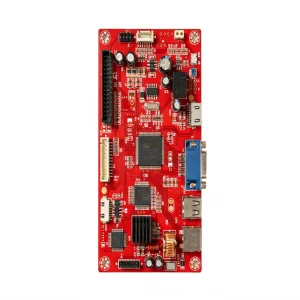
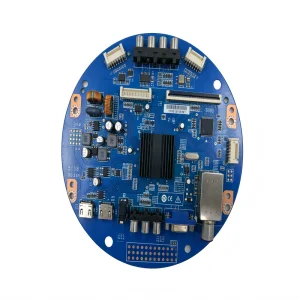
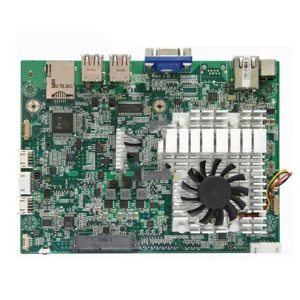
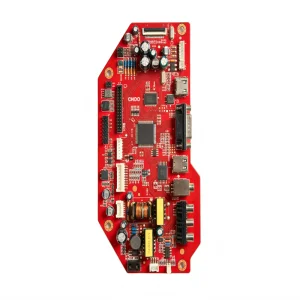
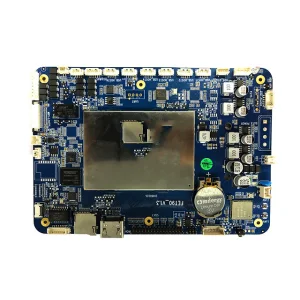
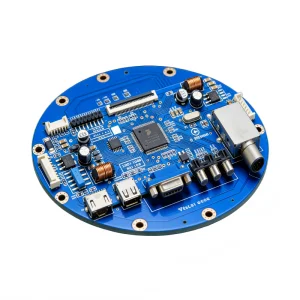
These additional programs reflect the breadth of one-stop PCBA demand, from battery management and inertial navigation to LED backlight, restraint systems, telemedicine and security inspection equipment.
 ✦Talk to a PCBA Engineer
Planning Your Next One-Stop PCBA Build?
Get our capability catalog with PCB fabrication options, assembly processes, testing methods and industry case references—everything your team needs to qualify STHL as a supplier. Share Gerber, BOM and centroid data after NDA, and our engineers will review manufacturability before quotation.
 Scan for WhatsApp
 Scan for WeChat
What Happens Next
1. NDA before RFQ. 2. DFM and BOM review. 3. Material and lead-time confirmation. 4. First-article and test plan alignment. 5. Production, inspection and shipment. The goal is a repeatable one-stop process that your engineering, quality and procurement teams can audit.
