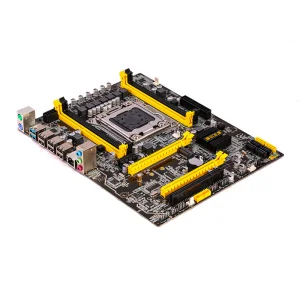
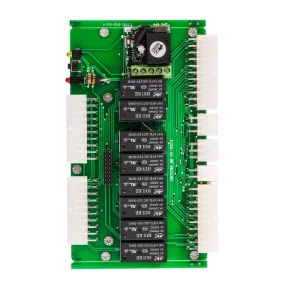
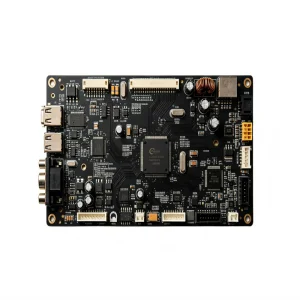
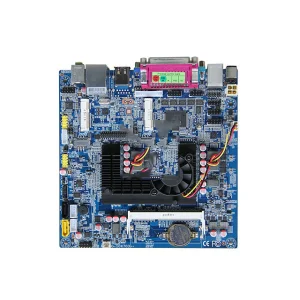
OEM DIP Assembly Product Platforms
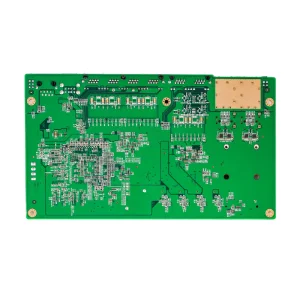
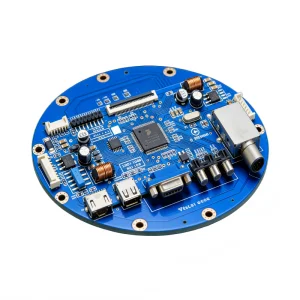
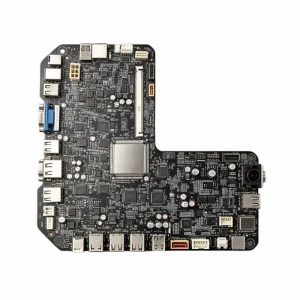
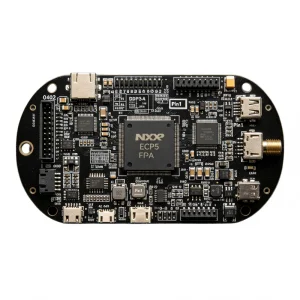
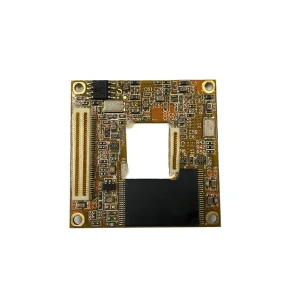
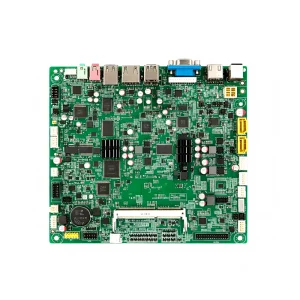
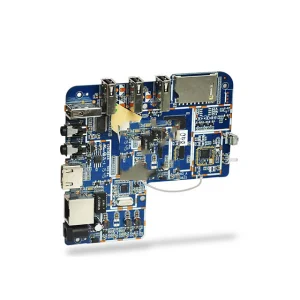
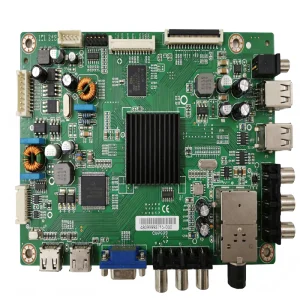
These production-ready platforms show how through-hole assembly, SMT, testing and box build are combined for communication, automotive, industrial, energy, security and smart-device programs. Each product page provides a practical starting point for RFQ and DFM review.
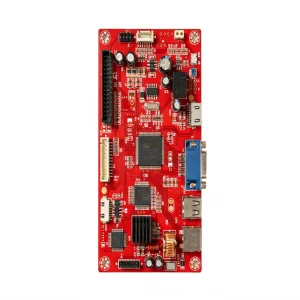
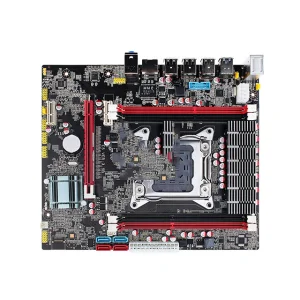
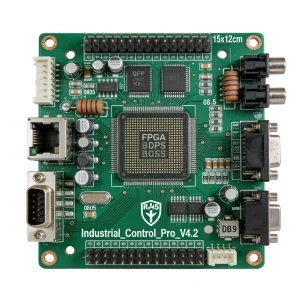
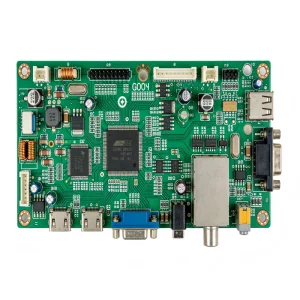
OEM Dip Assembly Service & Solutions for High-Reliability Hardware
OEM DIP assembly is not a commodity soldering step. In high-reliability products, every through-hole part creates mechanical, thermal and inspection demands that affect the entire PCBA flow.
Whether a board uses connectors, relays, transformers, terminal blocks, power devices, sensors or legacy through-hole ICs, the manufacturing sequence must be planned as a mixed-technology PCBA program. SMT placement, reflow, through-hole insertion, selective or wave soldering, cleaning, conformal coating, IC programming, functional testing and box build must work together. STHL approaches OEM DIP assembly this way: not as a single production station, but as a controlled manufacturing system with traceability from incoming reel to finished board.
Shenzhen STHL Electronics Co., Ltd. has supported OEMs since 2006 from our Shenzhen factory. Our 10,000 m² facility is organised around 7 SMT assembly lines, 2 DIP/THT lines, 2 functional test lines and 2 box build lines, with 220+ staff and 50+ engineers. Every build is RoHS-compliant and controlled under IATF 16949, ISO 9001, ISO 14001 and ISO 13485 systems. We accept prototype, low-volume and high-volume orders with no MOQ, and we sign an NDA before RFQ so design files and intellectual property are protected from the first technical review.
For global procurement teams, the value is not only unit price. It is the ability to qualify one accountable EMS partner for PCB fabrication, component sourcing, SMT/THT assembly, testing and box build — with documentation that supports engineering, quality and compliance reviews across the USA, Germany, Italy, the UK, Poland, New Zealand, Brazil and 90+ other regions.
What OEM DIP Assembly Means in a Modern PCBA Program
Through-hole assembly remains essential where mechanical strength, thermal mass, high voltage, current carrying capacity, serviceability or legacy design requirements matter. The engineering challenge is integrating DIP assembly into a modern SMT workflow without compromising yield, cleaning, inspection or delivery.
Through-Hole Process Control
Axial and radial components, connectors, relays and power devices require controlled hole fill, flux management, preheat profiles and thermal reliefs. Selective soldering and wave soldering parameters are matched to board thickness, plating, component mass and assembly density.
Mixed-Technology Sequencing
Most DIP projects are mixed-technology boards: fine-pitch SMT, BGA, connectors and through-hole parts share one substrate. We define the sequence for paste printing, reflow, THT insertion, selective solder, cleaning, coating and final assembly to avoid rework and thermal damage.
Inspection and Test Coverage
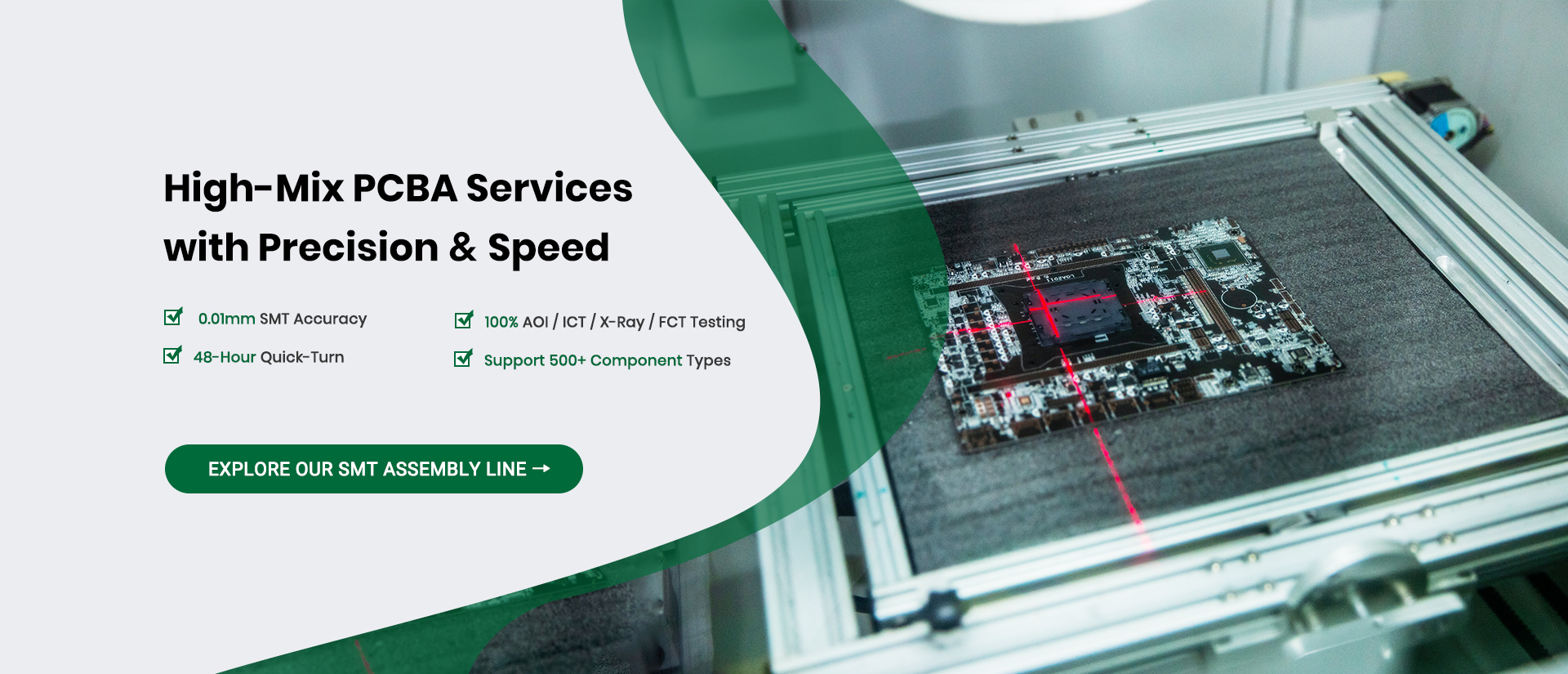
AOI, X-ray, ICT and functional testing are selected according to fault probability and product risk. Through-hole joints, connector seating and hidden solder fillets are reviewed alongside SMT quality. Results are logged for lot traceability and review.
Prototype-to-Volume Flexibility
No MOQ means a DIP assembly program can start with engineering samples, move through pilot builds and scale into repeat production without changing the supplier or losing manufacturing history. This is especially useful for industrial, medical, automotive and energy products with long validation cycles.
End-to-End PCBA Manufacturing Services
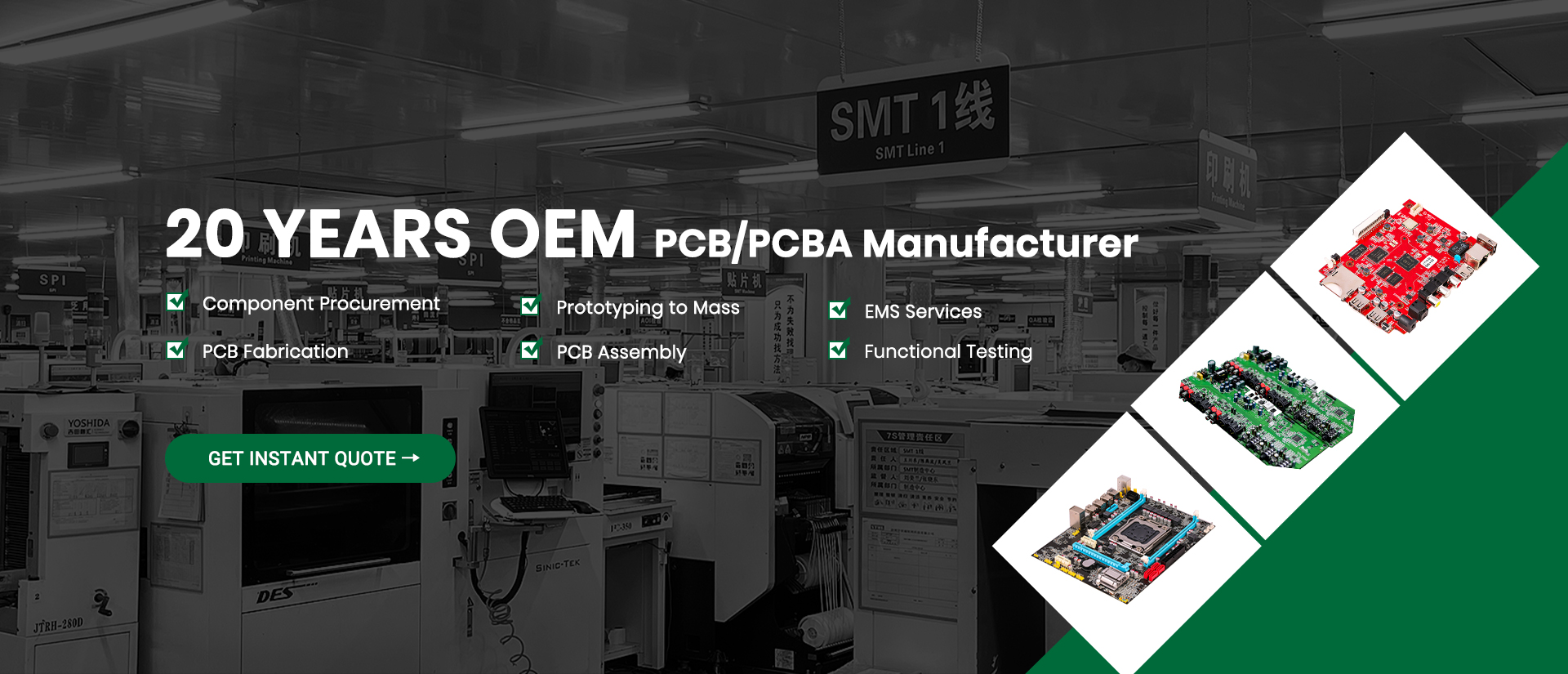
For 20 years, STHL has combined component procurement, PCB fabrication, SMT and THT assembly and functional testing into one controlled workflow — so you deal with one accountable supplier from first article to repeat production.

Electronic Components Procurement
Full or partial turnkey sourcing through 100+ agents and suppliers, with BOM scrubbing, alternate-part suggestions and reel-level traceability.
Learn more
PCB Fabrication
Standard, prototype, aluminum, flexible, rigid-flex, HDI, Rogers, ceramic, heavy-copper, high-Tg and halogen-free boards built to your stack-up.
Learn more
SMT & THT PCB Assembly
Prototype, low-volume and high-volume assembly including fine-pitch, BGA and mixed-technology boards, verified by AOI and X-ray.
Learn more
Value-Added Services
PCB layout and design, IC programming, ICT and functional testing, conformal coating, cable and wire harness, and complete box build assembly.
Learn moreDIP Assembly Technical Roadmap and Future Outlook
DIP assembly is not disappearing. It is moving into areas where through-hole parts provide electrical, thermal or mechanical advantages: high-current power stages, connector-dense interfaces, automotive control modules, medical instrumentation, industrial drives, security equipment and energy monitoring. The roadmap below explains where OEM DIP assembly is heading and how procurement teams can prepare.
Closed-Loop Selective Soldering
Selective soldering with recipe control, nozzle verification, preheat monitoring and solder-pot data logging improves repeatability for high-mix DIP assembly. Closed-loop process data becomes part of the digital manufacturing record and helps engineering teams compare builds across sites and product revisions.
Power Electronics and High-Temperature Builds
Wide-bandgap semiconductors, battery monitoring modules, hot-swappable power supplies and EV/energy products create more thermal and current demands. Through-hole and mixed-technology assemblies must be designed for thermal relief, copper balance, solder joint fatigue and high-temperature material compatibility.
Press-Fit and Solderless Interconnects
Press-fit pins and compliant connectors reduce soldering risk in high-reliability backplanes and power interfaces. OEM teams increasingly evaluate press-fit, screw-terminal, spring-contact and connector-based interconnects alongside traditional wave and selective solder processes.
Miniaturized Mixed-Technology PCBA
Even as SMT feature sizes shrink, connectors, shields, power devices and mechanical interfaces remain through-hole or hybrid. Future DIP assembly programs will depend on panel design, selective solder access, inspection feasibility and cleaning validation under low-clearance components.
Digital Thread and Change Control
ERP and MES tracking connect BOM revisions, component lots, process recipes, inspection results and shipment records. For OEM customers, this supports PCN/ECN discipline, serial-number traceability, corrective-action investigations and repeat production with fewer surprise changes.
Sustainable Material Compliance
RoHS-compliant assembly is the baseline. Customers increasingly require material declarations, packaging reduction, conflict-mineral awareness and controlled handling of high-reliability parts. A robust DIP assembly partner should be able to align documentation with customer compliance systems.
Looking ahead, the strongest OEM DIP assembly programs will be those that treat through-hole assembly as part of a digitally controlled mixed-technology flow. Products such as battery monitoring modules, radiation detectors, hot-swappable power supplies, transmission control units and X-ray security inspection boards all show the same pattern: value comes from combining process engineering, test coverage and supply-chain visibility rather than from solder alone.
PCB Assembly for Demanding Industries
From in-vehicle electronics to medical devices and smart IoT products, our process controls are matched to the reliability and compliance level each market requires. The same DIP/THT line can support very different risk profiles when DFM, sourcing, test and documentation are planned around the end application.
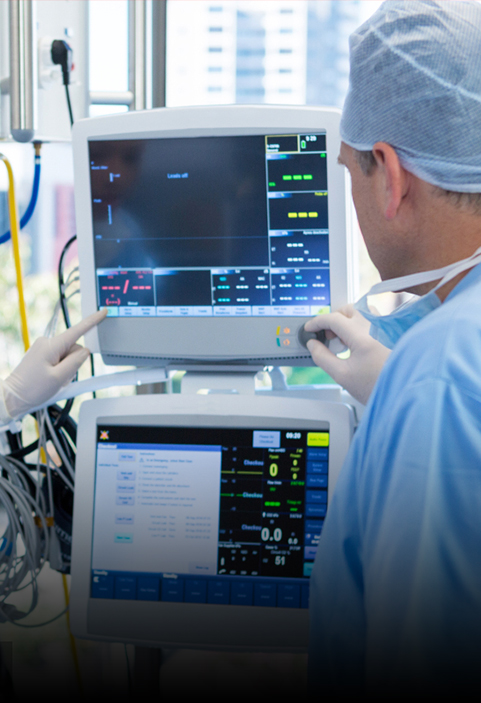
Medical & Healthcare
ISO 13485-controlled assembly for monitoring, diagnostic and wearable devices with full lot traceability.
View medical solution
Automotive Electronics
IATF 16949 processes for control modules, lighting and charging electronics that must survive heat and vibration.
View automotive solution
Computer & Storage
High-density, BGA-rich boards for computing, storage and peripherals, verified by X-ray inspection.
View computer solution
Industrial Control
Robust PCBAs for PLCs, motor drives and automation equipment, with conformal coating options.
View industrial solutionLocalized Support, Compliance Assurance and IP Protection
International OEMs need more than a factory that can solder. They need an EMS partner that can communicate clearly, support engineering reviews, protect intellectual property, provide audit evidence and maintain compliance documentation across the product lifecycle.

ISO 9001
Quality Management System supporting consistent process control, corrective action and customer documentation.
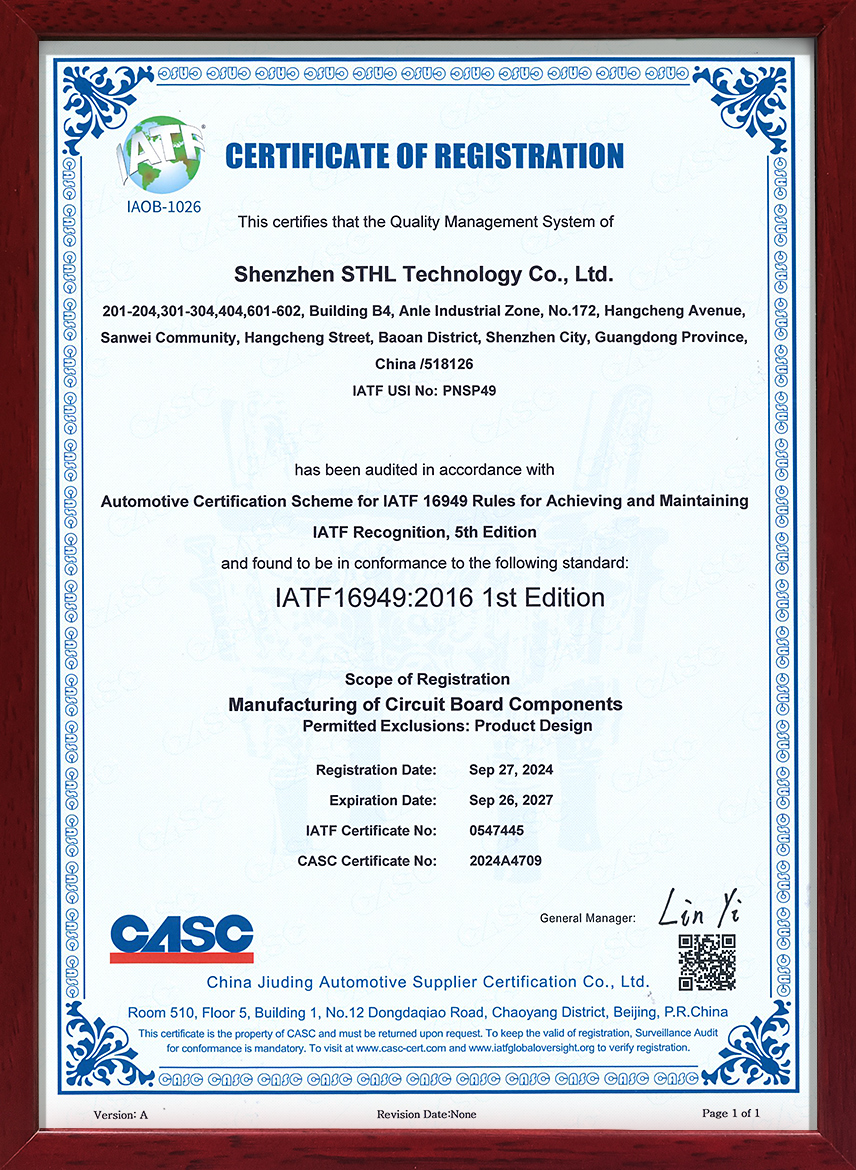
IATF 16949
Automotive Quality Management System for control modules and vehicle electronics with demanding reliability expectations.
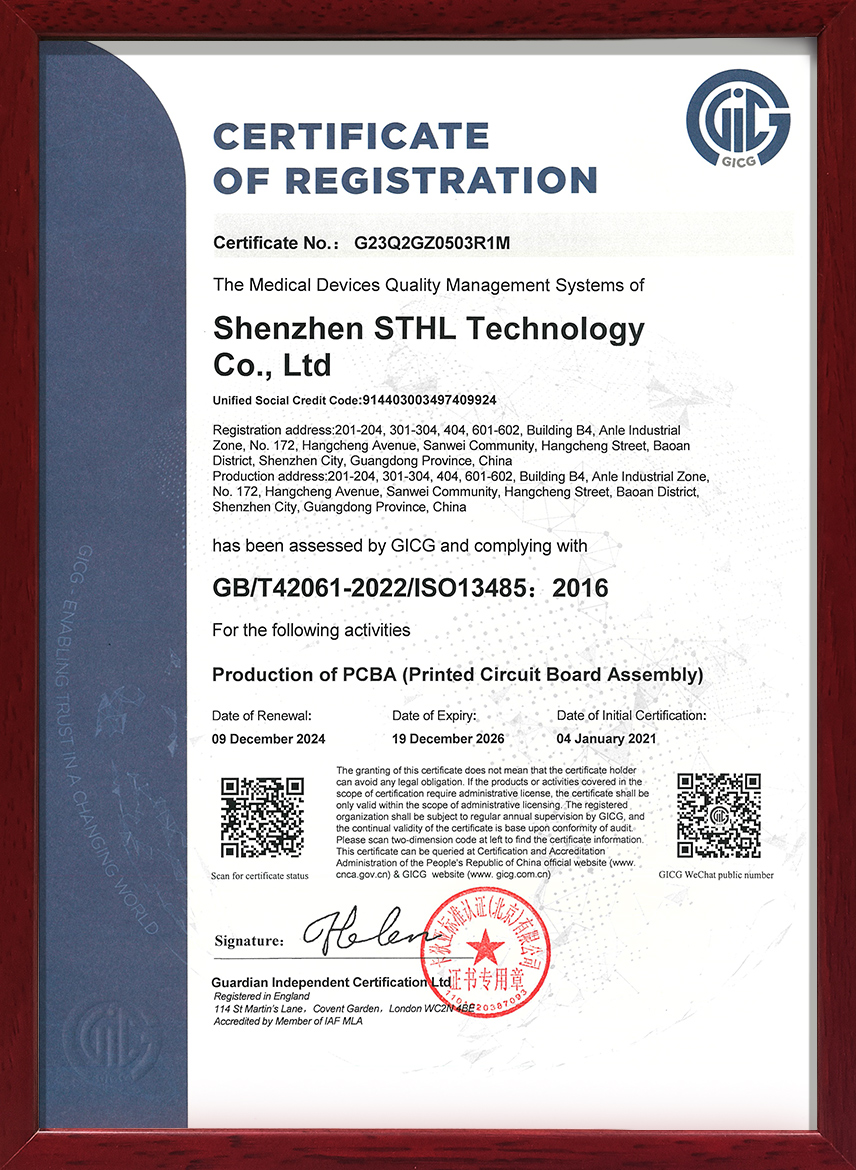
ISO 13485
Medical Devices Quality Management for monitoring, diagnostic and healthcare electronics requiring controlled traceability.
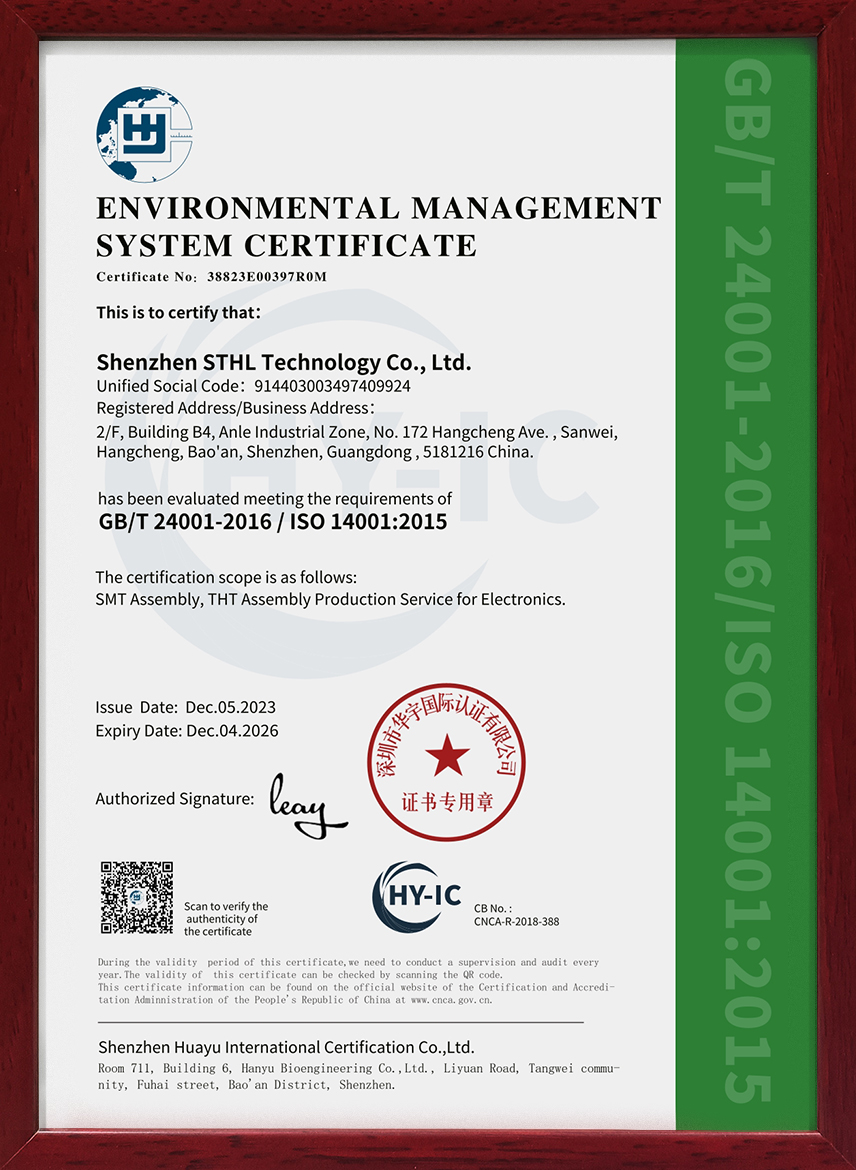
ISO 14001
Environmental Management System supporting responsible manufacturing and environmental performance monitoring.
Localized Engineering Support
English-speaking commercial and engineering communication supports RFQ clarification, DFM feedback, BOM review, test requirements and production updates across time zones.
Compliance Documentation
Builds are RoHS-compliant, quality records are maintained, and inspection or test results can be organised to support customer supplier qualification and product release.
IP Protection Before RFQ
NDA before RFQ, project access restricted to the assigned engineering team, and production tracking through ERP and MES systems help protect design files and intellectual property.
Audits and Factory Visits
Customers are welcome to visit our Shenzhen factory and R&D laboratory. A 360-degree virtual factory tour is available for remote supplier evaluation before an onsite audit.


For buyers evaluating localization options, this combination matters: China manufacturing efficiency with export-ready communication, audit access and documented quality systems. Visit Global Service or Contact us to discuss audit checklists, NDA, compliance requirements and supplier onboarding.
China Factory 4.0: Supply Chain Resilience and Efficiency Advantages
China remains a deep electronics manufacturing ecosystem, but resilience depends on how a factory uses that ecosystem. At STHL, supply-chain strength is built through multi-source component access, incoming inspection, MSD control, ERP/MES visibility and flexible mixed-technology production.
Multi-Tier Component Sourcing
100+ agents and suppliers covering more than 500,000 part numbers support full turnkey, partial turnkey and consigned assembly. BOM scrubbing and alternate-part suggestions are completed before material commitment.
Incoming Inspection and MSD Control
Components pass incoming inspection and moisture-sensitive device control before release to production. Reel-level traceability helps connect material lots to finished boards and supports quality investigations.
ERP and MES Visibility
Real-time production status and lot traceability through ERP and MES systems reduce black-box communication. Engineering, quality and procurement teams can review build progress and documentation with fewer manual handoffs.
Flexible SMT, DIP and Box Build Capacity
7 SMT lines, 2 DIP/THT lines, 2 functional test lines and 2 box build lines support high-mix production. That flexibility matters when prototypes, pilot builds and volume orders share one supplier relationship.
Engineering Cost-Down
DFM and BOM optimisation by our engineering team can reduce avoidable rework, improve panel utilisation, identify alternative parts and clarify test coverage before production starts.
Supply-Chain Risk Mitigation
Consigned and turnkey models can be combined according to customer preference. Alternate parts, lifecycle checks, incoming inspection and traceability help reduce disruption from allocation, obsolescence and long-lead components.
What Global Enterprises Need from an OEM DIP Assembly Partner
International procurement teams typically evaluate PCBA suppliers on total risk, not only piece price. The list below summarises the operational and compliance requirements we see most often in OEM DIP assembly RFQs.
Turnkey, Partial Turnkey and Consigned Models
Full turnkey sourcing, partial turnkey and consigned assembly are all supported. This allows customers to control strategic components while outsourcing the rest of the BOM and assembly workflow.
No MOQ and Prototype-to-Volume Support
No minimum order quantity allows engineering samples, pilot production and volume manufacturing with the same supplier. Design validation can move to mass production without a supplier change.
NDA and Intellectual Property Protection
An NDA is signed before RFQ. Project data is restricted to the assigned engineering team and tracked through ERP and MES systems to reduce exposure during quotation and production.
Supplier Qualification Documentation
IATF 16949, ISO 9001, ISO 14001 and ISO 13485 systems provide a qualification framework. Certificates, audit access and production records support customer supplier-approval processes.
Global Logistics and ESD-Safe Packaging
Cable assembly, enclosure integration and ESD-safe packaging support shipment to customers in 90+ countries and regions. Packaging and documentation can be aligned with the agreed receiving process.
DFM and Cost-Down Reviews
Engineers review Gerber, BOM and centroid data for manufacturability, footprint errors and end-of-life parts before material is ordered. Recommendations target yield, test access and total cost.
Lifecycle and Obsolescence Support
BOM lifecycle checks, alternate-part suggestions and sourcing feedback help purchasing teams plan bridge buys, last-time buys or design changes before a component becomes unavailable.
Clear RFQ Inputs
Send Gerber files, a BOM with manufacturer part numbers, the pick-and-place centroid file and assembly drawings. Include firmware and test procedures if IC programming or functional testing is required.
From Gerber Files to Global Shipment in 6 Controlled Steps
Knowing what happens after you place a purchase order removes surprises. This is how every STHL PCBA project moves through our factory, with DIP assembly integrated into the wider mixed-technology workflow.
DFM & BOM Review
Engineers check Gerber, BOM and centroid data for manufacturability, footprint errors and end-of-life parts before any material is ordered.
Component Sourcing
Parts are purchased through 100+ agents and suppliers, then pass incoming inspection and moisture-sensitive device control.
PCB Fabrication
Bare boards are produced to your stack-up, surface finish and impedance requirements, from single-layer to HDI and rigid-flex.
SMT & THT Assembly
7 SMT lines and 2 DIP/THT lines handle fine-pitch, BGA and mixed-technology boards for prototypes and mass production.
Inspection & Testing
AOI, X-ray, ICT and functional tests, plus IC programming and conformal coating, with results logged in our MES.
Box Build & Delivery
Cable assembly, enclosure integration and ESD-safe packaging, shipped to customers in 90+ countries and regions.
Why Global OEMs Choose STHL for OEM DIP Assembly
Measurable capacity, documented quality systems and engineering support that reduce total cost — not just the unit price. These are the capabilities procurement and engineering teams review most often during supplier selection.

Dust-Free Smart Factory
10,000+ m² highly automated production space.

20 Years of Experience
Proven know-how across PCB and PCBA since 2006.

Global Sourcing
500k+ parts via 100+ agents and suppliers.

Fully Certified
IATF 16949, ISO 9001, ISO 14001, ISO 13485.

ERP & MES Tracking
Real-time production status and lot traceability.

Cost-Down Engineering
DFM and BOM optimisation by our engineering team.

No MOQ
Prototype and large-quantity orders both welcome.

NDA Before RFQ
Your design data and IP are protected from day one.

Fast Delivery
99.5% on-time delivery across global shipments.
Inside the STHL Shenzhen Factory
Our 10,000 m² facility includes an in-house R&D laboratory for design verification and prototype testing. Factory visits and audits are welcome at any time, and remote buyers can use our virtual factory tour to pre-qualify the production environment.

Watch: Inside the STHL PCBA Factory
See the SMT lines, testing area and box build flow that support OEM DIP assembly and turnkey PCBA production.
Play Factory Video
Your Turnkey PCBA & ODM Partner in Shenzhen Since 2006
Shenzhen STHL Electronics Co., Ltd. is a certified electronics manufacturing services (EMS) and ODM provider. We help hardware teams move from schematic to shipped product — PCB layout, component sourcing, PCB fabrication, SMT/THT assembly, cable assembly, box build and full testing in one factory.
Address: B4, AnLe Industrial Zone, No.172 Hangcheng Blvd, Xixiang, Bao'an District, Shenzhen, 518126 China
Talk to an engineer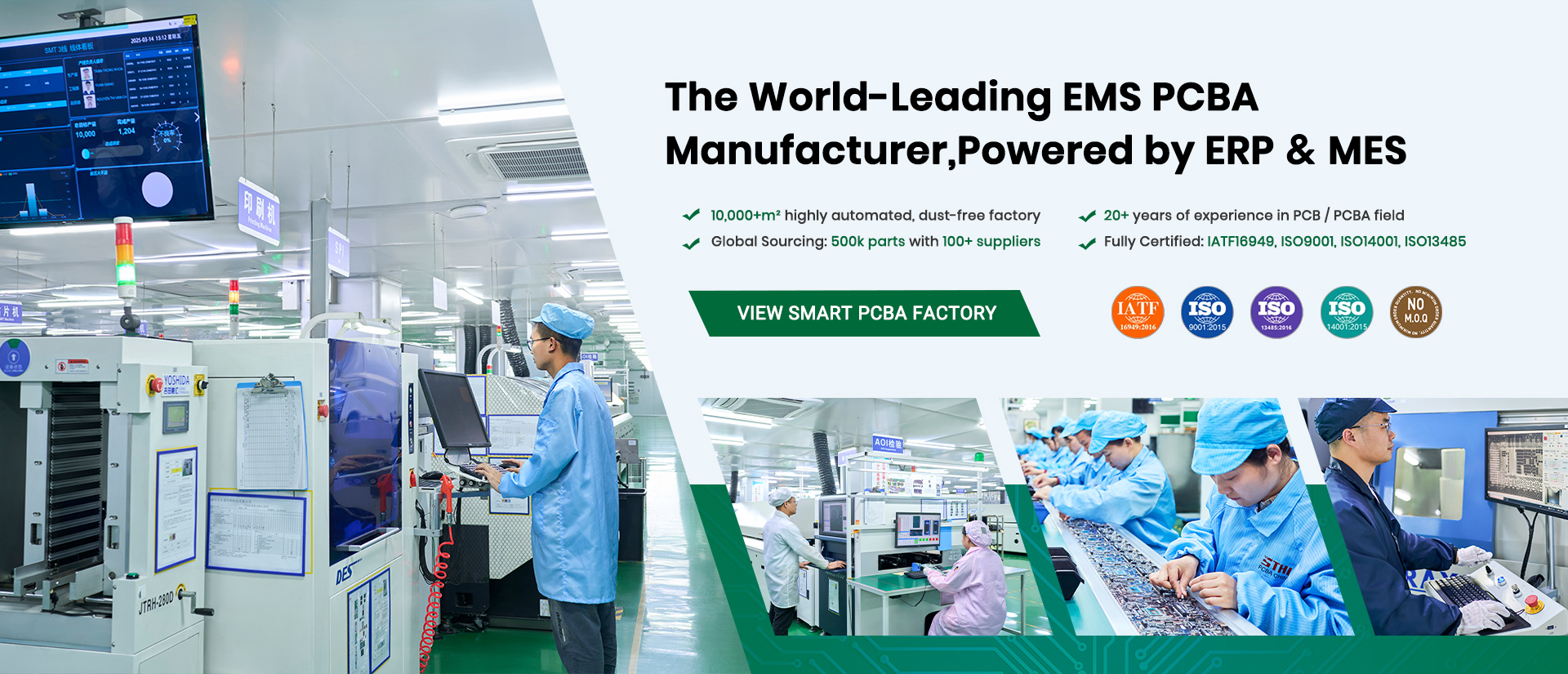
SMT and Inspection
Automated placement, AOI and process control support high-mix PCBA production.
Flex and Mixed Assembly
Component placement and inspection for rigid, flex and mixed-technology boards.
Quality for Critical Electronics
IATF 16949, ISO 13485 and ISO 9001 systems guide inspection and traceability.
What Engineers and Buyers Say About STHL
Feedback from hardware engineers, designers and company owners across North America, Europe, South America and beyond. These comments reflect the importance of communication, sample quality and repeat-order reliability in OEM DIP assembly programs.
“Excellent team to work with and fast delivery with high-quality boards. We are very happy to work with such a good supplier. Thanks again.”

“Please extend my thanks to your team for your hard work in preparing these samples. This positive experience has strengthened my confidence in your company, and I'm looking forward to discussing bulk orders in the near future.”

“We are satisfied with the last order. You did a great job on those boards and the lead time was short. I will place a new order soon.”

“The order was perfect — exactly as specified with top quality. Highly recommend this reliable supplier.”

“Exciting! Very fast delivery, a professional supplier and a professional product. We will place a new order very soon!”

“We have tested all the boards and I am highly pleased. I will repeat my order soon. Thank you again for your excellent service.”

“It's always a pleasure ordering. Very professional team and good quality — thanks for your great service.”

“Satisfied with the sample products delivered. Very good product, quick delivery and a good understanding of my requirements.”

“The supplier's professionalism is evident in their seamless communication, efficient processing and reliable service. They are a trustworthy and commendable partner.”

Brands and Supply-Chain Partners We Work With
Long-term cooperation with global brands and established component distributors keeps your BOM genuine, traceable and available. These relationships support sourcing resilience for OEM DIP assembly projects with long production lives.
Brand Customers



















Component Sourcing Channels












PCBA Insights & Factory News
Practical updates from our production floor — customer visits, traceability practices and what really drives PCBA lead time for OEM DIP assembly and mixed-technology programs.

STHL Hosts Two European Visitors for an Early-Stage Healthcare Electronics Concept Review and Factory Tour
Company News · Nov 4, 2026
Read more
STHL Hosts Two German Visitors for an SMT, THT and Material Preparation Walkthrough
Factory Visit · Nov 9, 2026
Read more
STHL PCBA Component Traceability: From Incoming Reel to Finished Board
Tech Update · Nov 12, 2026
Read more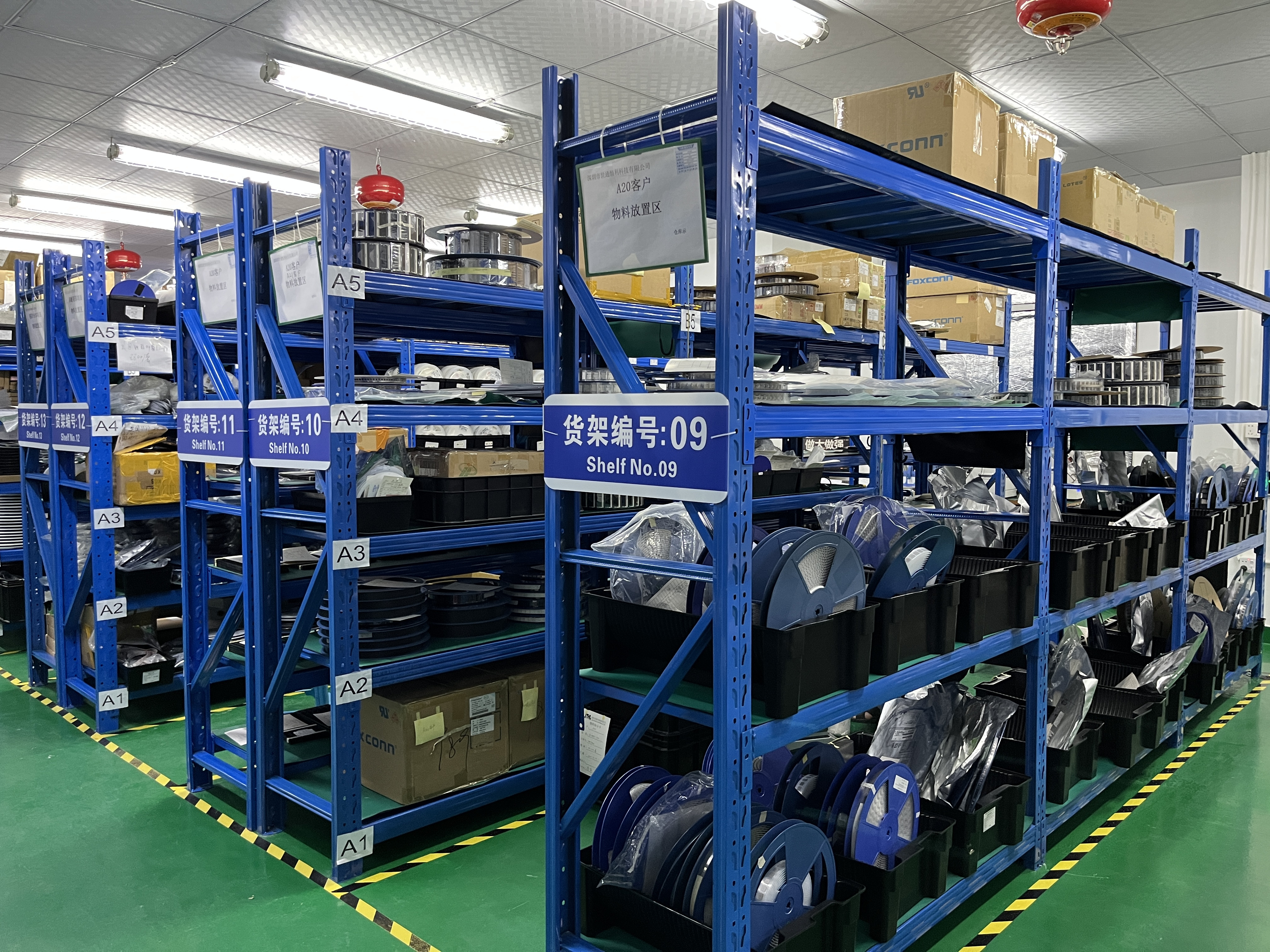
PCBA Lead Time: Where the Days Go Between Purchase Order and Shipment
Industry News · Nov 10, 2026
Read moreOEM DIP Assembly Sourcing FAQs for Overseas Buyers
Straight answers to the questions procurement and engineering teams ask before choosing a PCB assembly manufacturer in China for through-hole, mixed-technology and turnkey PCBA projects.
What files do I need to submit for an OEM DIP assembly project?
Send Gerber files, a BOM with manufacturer part numbers, the pick-and-place (centroid) file and assembly drawings. If you need IC programming or functional testing, include firmware and test procedures. Our engineers complete a DFM and BOM review before production starts.
What is the difference between DIP assembly and SMT assembly?
SMT assembly places surface-mount components on the board surface and joins them through reflow soldering. DIP assembly inserts through-hole components into plated holes and solders them using wave, selective or hand soldering. Most modern products are mixed-technology PCBA, where both SMT and DIP processes are required on the same board.
Is there a minimum order quantity (MOQ)?
No. STHL accepts prototype, low-volume and high-volume PCB assembly orders, so you can validate a design and scale to mass production with the same supplier. This supports engineering samples, pilot runs and repeat production without a supplier change.
Can STHL source all the electronic components?
Yes. We offer full turnkey, partial turnkey and consigned assembly. Our sourcing team works with 100+ agents and suppliers covering more than 500,000 part numbers, with incoming inspection and traceability from reel to finished board.
Which quality certifications does STHL hold?
STHL is certified to IATF 16949, ISO 9001, ISO 14001 and ISO 13485, and produces RoHS-compliant assemblies. Boards are verified with AOI, X-ray, ICT and functional testing according to the product and customer requirements.
How do you control through-hole solder quality?
Through-hole quality is controlled through DFM review, panel design, flux and preheat management, selective or wave solder recipe control, visual inspection and, where relevant, X-ray and functional testing. Connector seating, hole fill and thermal relief design are reviewed during engineering before production.
Can you support mixed SMT and through-hole boards?
Yes. Our 7 SMT lines and 2 DIP/THT lines are configured for mixed-technology PCBA. We plan the sequence of SMT reflow, through-hole insertion, selective soldering, cleaning, conformal coating and testing to protect sensitive components and maintain yield.
How do you protect our design files and IP?
We sign an NDA before RFQ, restrict project data to the assigned engineering team and track every build through our ERP and MES systems. This supports controlled access from quotation through production.
How do you mitigate supply-chain risk?
We combine BOM scrubbing, lifecycle checks, alternate-part suggestions, multi-source component access and incoming inspection. Turnkey, partial turnkey and consigned models can be used according to customer preference, with reel-level traceability to support quality investigations.
Can we audit or visit the factory?
Yes. Customers are welcome to visit our Shenzhen factory and R&D laboratory at any time, and a 360-degree virtual factory tour is available for remote evaluation. Visit our Global Service page or contact us to arrange an audit.
Talk to an OEM DIP Assembly Engineer
Get our capability catalog with PCB fabrication options, assembly processes, testing methods and industry case references — everything your team needs to qualify STHL as a supplier for through-hole, mixed-technology and turnkey PCBA programs.
- [email protected]
- +86 135 1018 8049
+86 755 8936 9123 - B4, AnLe Industrial Zone, No.172 Hangcheng Blvd, Bao'an Xixiang District, Shenzhen, 518126 China
- WhatsApp: +86 135 1018 8049


OEM DIP Assembly & Turnkey PCBA Product Platforms
Explore additional product platforms for industrial control, alarm systems, wireless phones, data acquisition, smartphones, security inspection, hot-swappable power and video doorbell applications. Every link leads to a product page that can be used as a starting point for RFQ, DFM review and BOM discussion.