
Eight OEM Device Assembly Platforms for Global Programs
The first eight platforms below are preserved directly from STHL’s product portfolio. They show the breadth of system-level device assembly — from smart outlet and smart plug PCBA to industrial gas monitoring, isolated DC-DC power, photovoltaic monitoring, smart thermostats, EFIS avionics and perimeter protection. Each product image and URL is retained.
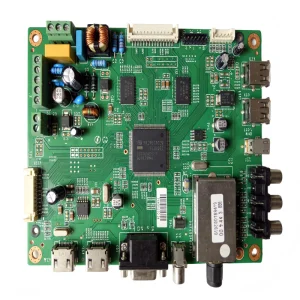
Professional Smart Outlet PCBA Assembly--STHL Manufacturer, Supplier
View Product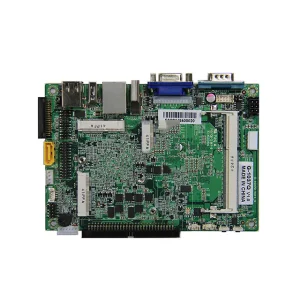
Reliable Industrial Waste Gas Online Monitoring System PCB Assembly Solutions, Manufacturers
View Product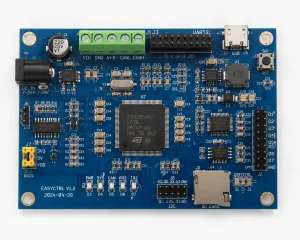
Certified Isolated DC-DC Converter PCB Assembly--STHL in China, from China
View Product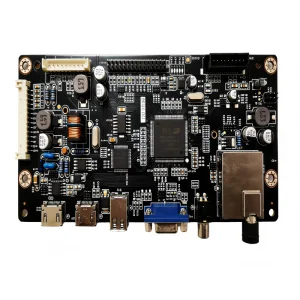
OEM Smart Plug PCBA Assembly--STHL Service, Factories
View Product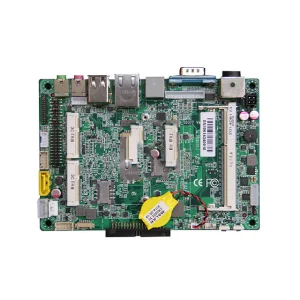
Professional Photovoltaic Module Monitor PCB Assembly in China, from China
View Product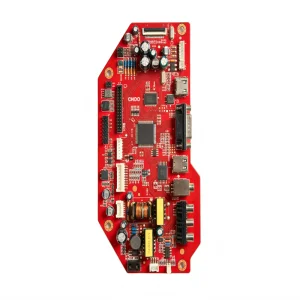
Reliable Smart Thermostat PCBA Assembly--STHL Solution Provider, in China
View Product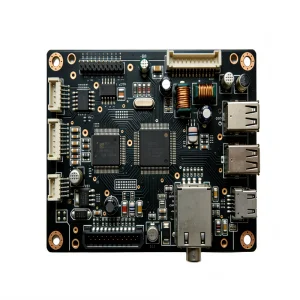
Certified Electronic Flight Instrument System (EFIS) PCBA Assembly--STHL Manufacturer, Factories
View Product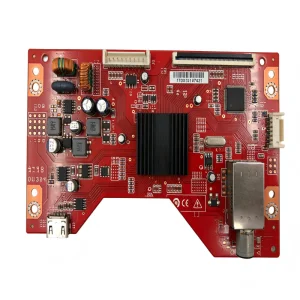
Prototype Perimeter Protection System PCB Assembly--STHL Company, Solutions
View ProductOEM Device Assembly Is No Longer a PCBA Line Item
An OEM device assembly solution provider is not simply a factory that places components on a board. At system level, the provider becomes the integrating layer between engineering intent and a shippable product: bare PCB fabrication, component sourcing, SMT and THT assembly, firmware programming, functional test, cable and harness, enclosure integration, packaging and documentation.
You can evaluate a device assembly manufacturer in two ways: by the number of machines on the floor, or by the number of risks removed from your program. The second view is more useful. A device assembly program absorbs PCB fabrication variation, component allocation risk, SMT/THT yield, firmware release control, test coverage, enclosure fit, packaging and destination-market documentation. When one partner owns these interfaces, the OEM gains fewer handoffs, faster engineering feedback and a single evidence trail when a customer or auditor asks how the product was built.
We use a four-layer model to make quotations comparable. L1 is bare board fabrication. L2 is PCBA: solder paste, placement, reflow, THT, inspection and test. L3 is subassembly: cable harness, display, sensor, power module, firmware loading and partial enclosure. L4 is box build: final mechanical integration, functional test, labeling, packaging and shipment. A supplier that quotes only L2 may appear cheaper per board, but it pushes integration labor, test fixtures, programming and compliance work back to the OEM. An L4 provider must expose its process controls, because the scope is larger.
Fewer handoffs, faster learning
Engineering feedback from assembly, test and box build returns to one team instead of crossing three suppliers. This shortens the loop between DFM, first article and production release.
Risk moves to the partner
Component allocation, EOL parts, programming errors, test escapes and packaging damage are managed inside one quality system with one corrective-action path.
Evidence becomes a deliverable
Lot traceability, test logs, certificate packs and change records are produced as part of the build — not reconstructed after a customer complaint.
Global Device Assembly Landscape: Six Forces Reshaping Supplier Selection
Between 2025 and 2030, OEM procurement teams will not select device assembly manufacturers on unit price alone. They will select on total landed risk, compliance evidence and the ability to keep a program moving when components, tariffs or regulations change.
Regionalized supply chains
OEMs are not abandoning China; they are adding options. Programs increasingly require a primary source, a qualified alternate and a documented plan for final assembly or configuration changes. Device assembly partners must quote the same BOM across scenarios and preserve traceability when parts change.
Electrification and power density
Power density is rising across smart home, industrial and mobility products. Isolated DC-DC converters, PoE supplies, motor control units and photovoltaic monitors demand creepage, thermal and test coverage discipline.
Edge AI and connectivity
Routers, VoIP phones, thermostats, alarms and dimmers are becoming software-defined. Assembly now includes firmware version control, RF test, provisioning and cybersecurity hygiene.
Regulated quality
IATF 16949 for automotive, ISO 13485 for medical and flight instrument programs for avionics require different validation depth. One generic line is not enough; the quality system must match the destination market.
Traceability as a product requirement
A recall investigation needs lot genealogy, not a shipping label. Reel-to-board traceability, serialization and MES records are becoming purchasing requirements in safety-critical categories.
ESG and lifecycle compliance
RoHS compliance is baseline. OEMs now ask for packaging reduction, energy data, controlled rework documentation and a credible plan for material declarations.
From Board Fabrication to Box Build: Four Service Families
STHL combines component procurement, PCB fabrication, SMT and THT assembly and value-added device assembly into one controlled workflow. The service images below are preserved from the original STHL service area and linked to the product overview.

Electronic Components Procurement
Full or partial turnkey sourcing through 100+ agents and suppliers, with BOM scrubbing, alternate-part suggestions and reel-level traceability.

PCB Fabrication
Standard, prototype, aluminum, flexible, rigid-flex, HDI, Rogers, ceramic, heavy-copper, high-Tg and halogen-free boards built to your stack-up.

SMT & THT PCB Assembly
Prototype, low-volume and high-volume assembly including fine-pitch, BGA and mixed-technology boards, verified by AOI and X-ray.

Value-Added Device Assembly
PCB layout and design, IC programming, ICT and functional testing, conformal coating, cable and wire harness, and complete box build assembly.
Localized Support & Compliance Assurance for Global OEM Programs
Localized support does not mean simply adding a local salesperson. For a device assembly program, localization includes engineering response, destination-market compliance evidence, IP protection, component qualification and auditability across the life of the product.
Engineering localization in Shenzhen
DFM, DFA, DFT and BOM reviews are performed close to the production floor. This shortens the feedback loop between design, first article and corrective action.
Compliance mapping by destination market
Build documentation can be aligned to RoHS, REACH, conflict-mineral declarations, lot traceability and customer-specific certificate packs. Requirements are confirmed before quotation.
NDA-first IP protection
STHL signs an NDA before RFQ, restricts project data to the assigned engineering team and tracks builds through ERP and MES systems.
Component localization and alternates
Sourcing teams qualify alternates, manage EOL notices and control moisture-sensitive devices. The goal is continuity without silently changing product behavior.
Audit evidence and remote qualification
Factory visits and customer audits are welcome. A 360-degree virtual factory tour supports preliminary supplier qualification for remote procurement teams.
Logistics, packaging and continuity
ESD-safe packaging, labeling, cable assembly and box build integration are planned with shipment routes in mind so that production does not stop at the loading dock.
Device Assembly for Demanding Applications and Regional Markets
From smart home and energy management to medical devices, automotive electronics and mission-critical avionics, the process controls must match the reliability and compliance level of the end market.
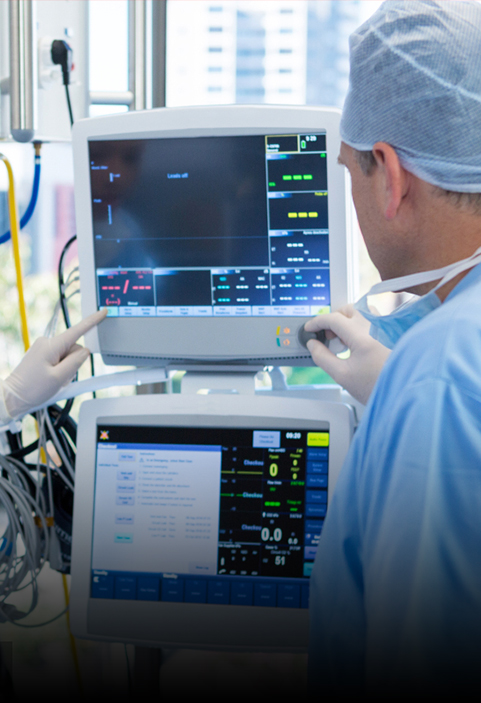
Medical & Healthcare
ISO 13485-controlled assembly for monitoring, diagnostic and wearable devices with lot traceability and controlled change records.

Automotive Electronics
IATF 16949 processes for control modules, lighting and charging electronics that must survive heat, vibration and long service life.
Computer & Storage
High-density, BGA-rich boards for computing, storage and peripherals, verified by X-ray inspection and functional test.
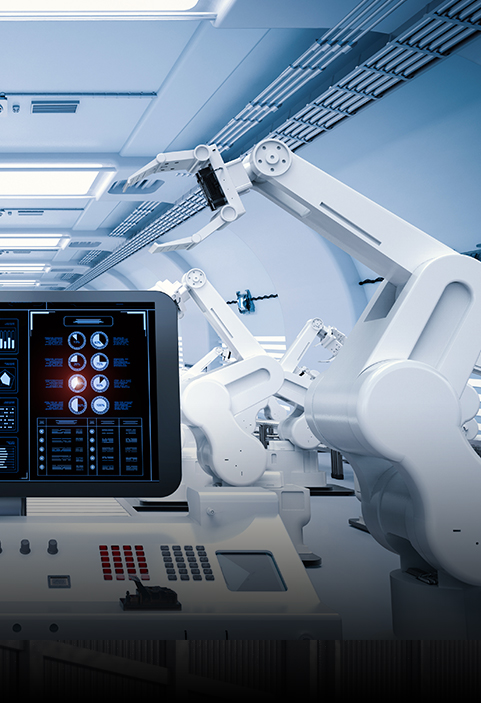
Industrial Control
Robust PCBAs for PLCs, motor drives and automation equipment, with conformal coating and test coverage options.
Smart Home & Energy
Smart outlets, smart plugs, thermostats, dimmer switches and photovoltaic monitors require firmware control, RF test and regional safety documentation.
Environmental Monitoring
Waste-gas online monitoring and perimeter protection systems demand stable sensor interfaces, long-term availability and enclosure-level integration.
Power & PoE
Isolated DC-DC converters, PoE power supplies and MCU boards require creepage control, thermal validation and repeatable functional testing.
Safety & Security
Burglar alarms, VoIP phones and routers combine connectivity, firmware provisioning and mechanical integration in one device assembly flow.
Technical Roadmap & Future Outlook: 2026–2030
A credible device assembly roadmap separates proven capability from development direction. The priorities below reflect where OEM programs are expected to demand more evidence, more data and more flexibility.
2026 · Digital thread and serialization
Deeper MES/ERP linkage, serialized builds and digital test records make every unit easier to trace from incoming reel to finished device.
2027 · AI-assisted inspection
AOI and X-ray data are analyzed for defect patterns earlier, while functional test data is used to separate process drift from design margin issues.
2028–2029 · Flexible automation
High-mix device assembly benefits from quick-change fixtures, modular test cells and line balancing that supports low-volume builds without losing repeatability.
2030 · Closed-loop sustainability
Energy data, packaging reduction, controlled rework and material declarations become part of the assembly evidence pack, not a separate report.
Indicative internal emphasis for planning discussion, not a certified performance score. Project-specific requirements should be validated during RFQ.
From Gerber Files to Global Shipment in Six Controlled Steps
Knowing what happens after you place a purchase order removes surprises. This is how a device assembly project moves through STHL’s production workflow.
01 · DFM & BOM Review
Engineers check Gerber, BOM and centroid data for manufacturability, footprint errors and end-of-life parts before any material is ordered.
02 · Component Sourcing
Parts are purchased through 100+ agents and suppliers, then pass incoming inspection and moisture-sensitive device control.
03 · PCB Fabrication
Bare boards are produced to your stack-up, surface finish and impedance requirements, from single-layer to HDI and rigid-flex.
04 · SMT & THT Assembly
7 SMT lines and 2 DIP/THT lines handle fine-pitch, BGA and mixed-technology boards for prototypes and mass production.
05 · Inspection & Testing
AOI, X-ray, ICT and functional tests, plus IC programming and conformal coating, with results logged in our MES.
06 · Box Build & Delivery
Cable assembly, enclosure integration and ESD-safe packaging, shipped to customers in 90+ countries and regions.
Factory, Certifications and Accountability
Shenzhen STHL Electronics Co., Ltd. is a certified electronics manufacturing services and ODM provider. The company has supported hardware teams in the USA, Germany, Italy, the UK, Poland, New Zealand, Brazil and 90+ other regions since 2006.
Our 220+ staff, including 50+ engineers, run a 10,000 m² facility with an in-house R&D laboratory for design verification and prototype testing. Production capacity includes 7 SMT assembly lines, 2 DIP/THT lines, 2 functional test lines and 2 box build lines. Every build is RoHS-compliant and controlled under IATF 16949, ISO 9001, ISO 14001 and ISO 13485 systems. Factory visits and audits are welcome at any time.
 Watch: Inside the STHL PCBA FactoryOpen YouTube channel




What Engineers and Buyers Say About STHL
Feedback from hardware engineers, designers and company owners across North America, Europe, South America, New Zealand and beyond.
“Excellent team to work with and fast delivery with high-quality boards. We are very happy to work with such a good supplier. Thanks again.”

“Please extend my thanks to your team for your hard work in preparing these samples. This positive experience has strengthened my confidence in your company, and I’m looking forward to discussing bulk orders in the near future.”

“We are satisfied with the last order. You did a great job on those boards and the lead time was short. I will place a new order soon.”

“The order was perfect — exactly as specified with top quality. Highly recommend this reliable supplier.”

“Exciting! Very fast delivery, a professional supplier and a professional product. We will place a new order very soon!”

“We have tested all the boards and I am highly pleased. I will repeat my order soon. Thank you again for your excellent service.”

“It’s always a pleasure ordering. Very professional team and good quality — thanks for your great service.”

“Satisfied with the sample products delivered. Very good product, quick delivery and a good understanding of my requirements.”

“The supplier’s professionalism is evident in their seamless communication, efficient processing and reliable service. They are a trustworthy and commendable partner.”

Brands and Supply-Chain Partners
Long-term cooperation with global brands and established component channels helps keep the BOM genuine, traceable and available. The logo images below are preserved from the original STHL partner section.
Brand Customers



















Component Sourcing Channels












PCBA Insights and Factory News
Practical updates from the production floor — customer visits, traceability practices and what really drives PCBA lead time.
 Nov 4, 2026 · Company News
STHL Hosts Two European Visitors for an Early-Stage Healthcare Electronics Concept Review and Factory Tour
Read more Nov 9, 2026 · Factory Visit
STHL Hosts Two German Visitors for an SMT, THT and Material Preparation Walkthrough
Read more Nov 12, 2026 · Tech Update
STHL PCBA Component Traceability: From Incoming Reel to Finished Board
Read more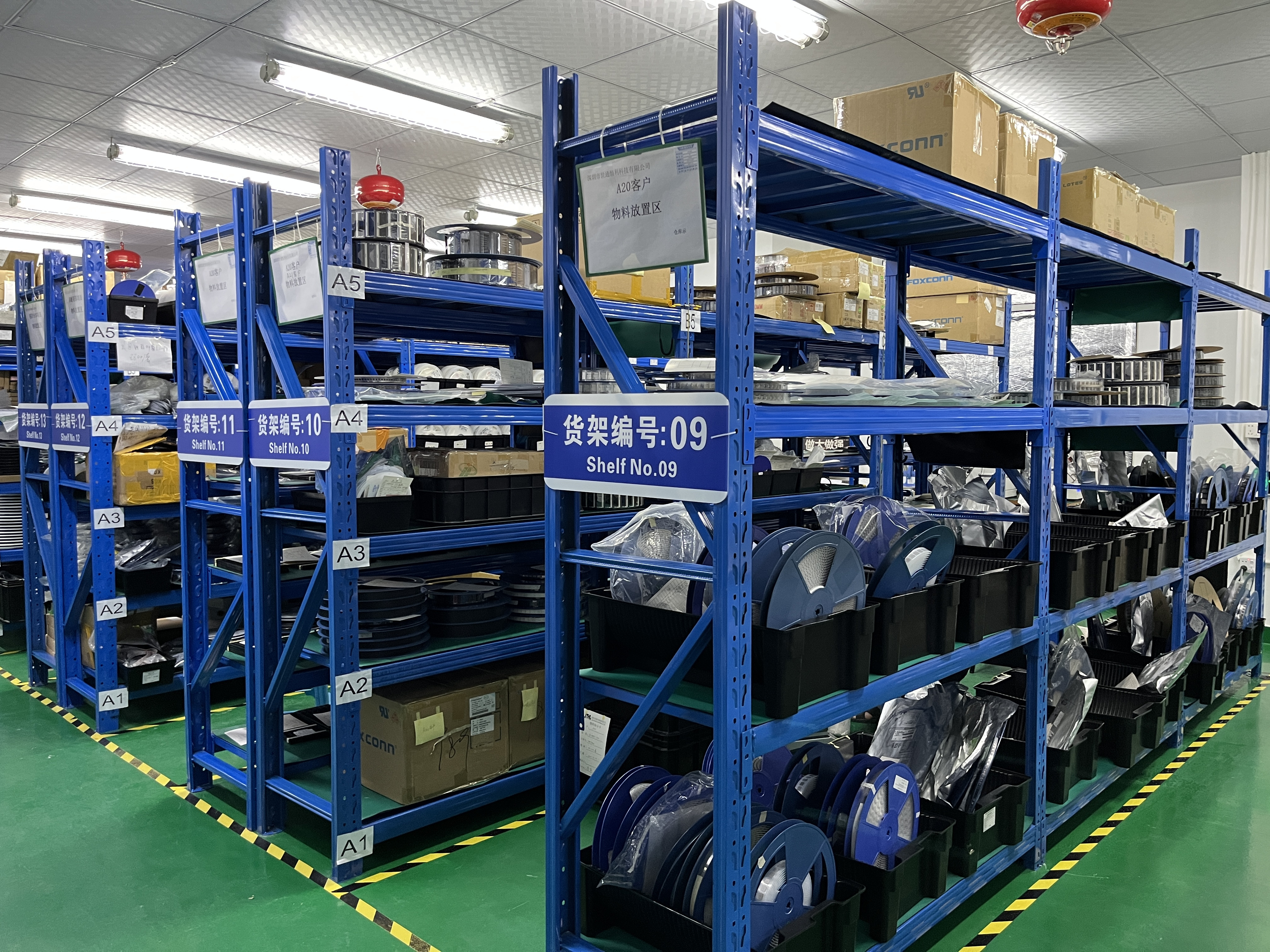 Nov 10, 2026 · Industry News
PCBA Lead Time: Where the Days Go Between Purchase Order and Shipment
Read moreOEM Device Assembly FAQ for Global Procurement Teams
Straight answers to the questions procurement and engineering teams ask before choosing a device assembly manufacturer in China.
What files do I need to submit for a PCBA project?
Send Gerber files, a BOM with manufacturer part numbers, the pick-and-place (centroid) file and assembly drawings. If you need IC programming or functional testing, include firmware and test procedures. Our engineers complete a DFM and BOM review before production starts.
Is there a minimum order quantity (MOQ)?
No. STHL accepts prototype, low-volume and high-volume PCB assembly orders, so you can validate a design and scale to mass production with the same supplier.
Can STHL source all the electronic components?
Yes. We offer full turnkey, partial turnkey and consigned assembly. Our sourcing team works with 100+ agents and suppliers covering more than 500,000 part numbers, with incoming inspection and traceability from reel to finished board.
Which quality certifications does STHL hold?
STHL is certified to IATF 16949, ISO 9001, ISO 14001 and ISO 13485, and produces RoHS-compliant assemblies. Boards are verified with AOI, X-ray, ICT and functional testing.
How do you protect our design files and IP?
We sign an NDA before RFQ, restrict project data to the assigned engineering team and track every build through our ERP and MES systems.
Can we audit or visit the factory?
Yes. Customers are welcome to visit our Shenzhen factory and R&D laboratory at any time, and a 360-degree virtual factory tour is available for remote evaluation.
How does STHL manage multi-site OEM device assembly programs?
We use one controlled BOM, one change-review path and one traceability standard. If a program uses multiple fulfillment locations, we document which operations are performed at each site and how firmware versions, test limits and packaging requirements are controlled.
What is the fastest path from prototype to box build?
Start with a complete DFM/BOM package and a clear test specification. A joint review of Gerber, BOM, firmware, enclosure drawings and compliance destination usually removes the biggest delays before material is ordered. First article inspection and functional test then become the release gate for volume.
Can you support special processes such as conformal coating, IC programming and cable assembly?
Yes. Value-added services include PCB layout support, IC programming, ICT and functional testing, conformal coating, cable and wire harness, and complete box build assembly. Requirements should be included in the RFQ so that fixtures, test coverage and documentation are quoted correctly.
Eight More OEM Device Assembly Platforms
The second set of eight platforms completes the 16-item device assembly portfolio shown on this page. Product images, titles and URLs are preserved from the original STHL product list.
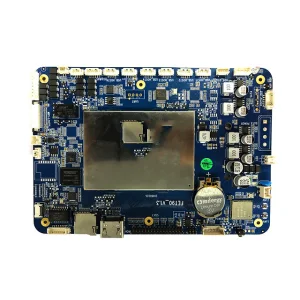
Custom Motor Control Unit (MCU) PCB Assembly Solution Provider, from China
View Product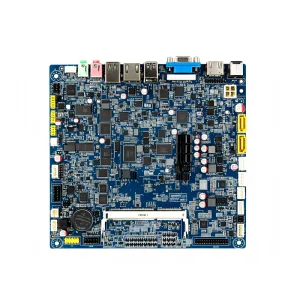
Prototype Router PCB Assembly Service, from China
View Product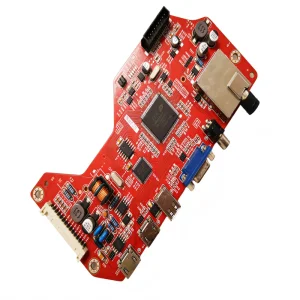
Top 10 Smart Dimmer Switch PCBA Assembly--STHL Service, Solutions
View Product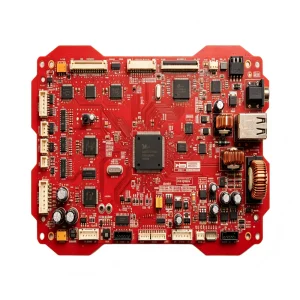
One-Stop VoIP Phones PCBA Assembly--STHL Factory, from China
View Product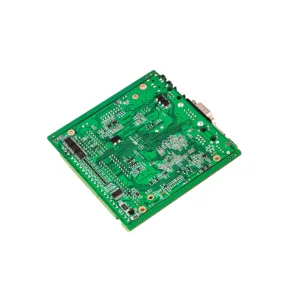
OEM Burglar Alarm PCB Assembly--STHL Manufacturer, Solutions
View Product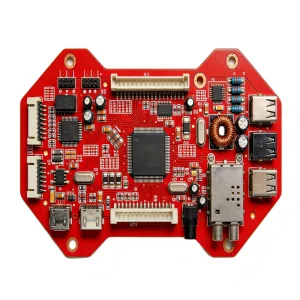
High-Reliability Multifunction Display (MFD) PCBA Assembly--STHL Solutions, from China
View Product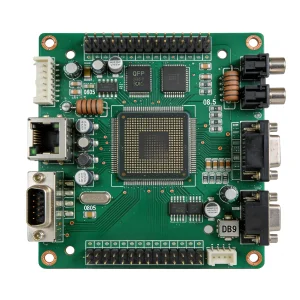
Top 10 Laboratory Automation Equipment PCB Assembly--STHL Manufacturers, Factories
View Product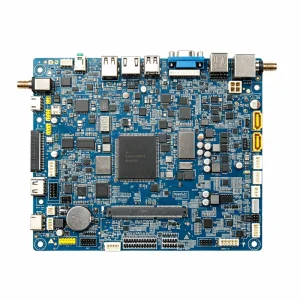
China Leading PoE Power Supply (Power over Ethernet) PCB Assembly--STHL Supplier, Manufacturers
View ProductPlanning Your Next OEM Device Assembly Build?
Share Gerber, BOM, centroid, firmware, test specification and target market. STHL will confirm DFM, BOM risk, lead time and compliance requirements before quotation. NDA available before RFQ.
B4, AnLe Industrial Zone, No.172 Hangcheng Blvd, Xixiang, Bao’an District, Shenzhen, 518126 China
