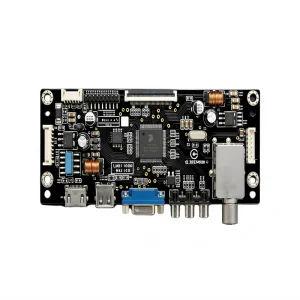
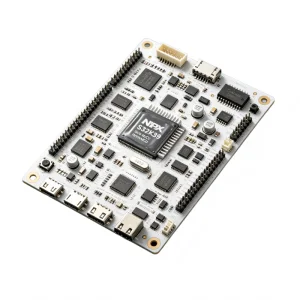
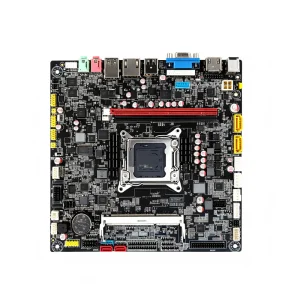
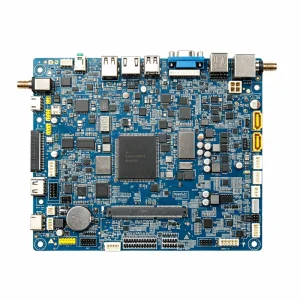
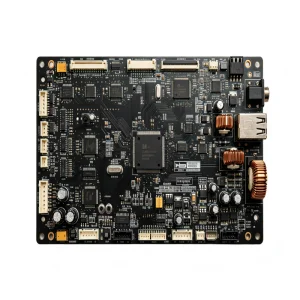
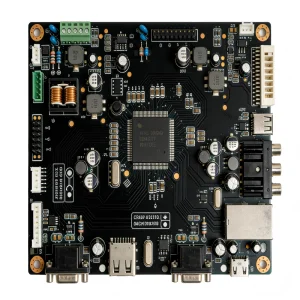
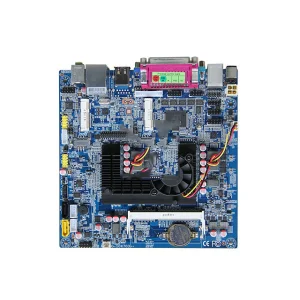
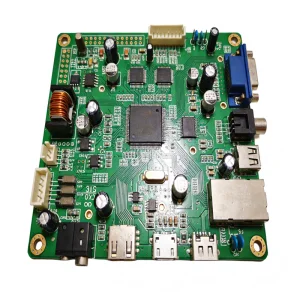
OEM BGA PCB Assembly Product Programs
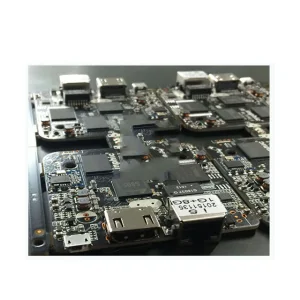
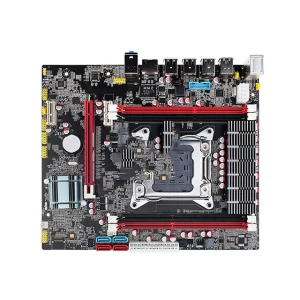
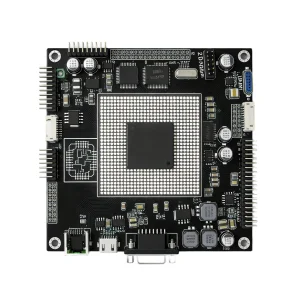
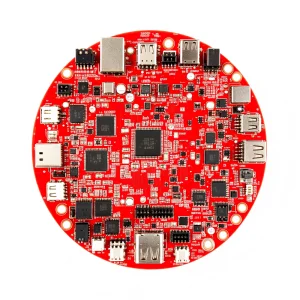
These product-linked programs show how BGA PCBA capability is applied across aviation, energy, environmental monitoring, networking, radar, power supply, communications and industrial electronics. Each program can be quoted as full turnkey, partial turnkey or consigned assembly.
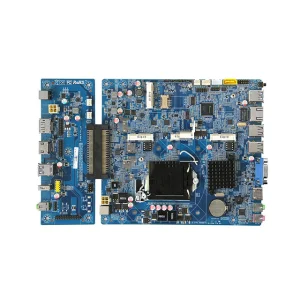
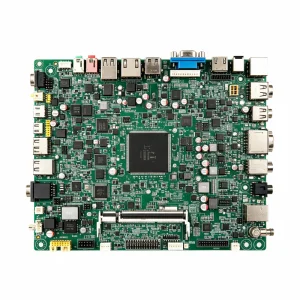
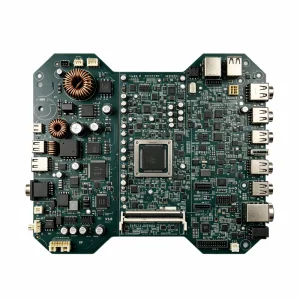
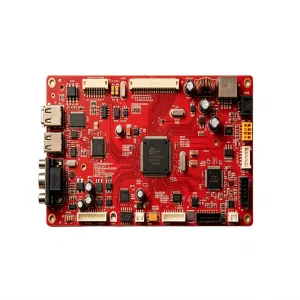
Beyond SMT: A Controlled Manufacturing Service for Ball-Grid Array Assemblies
OEM BGA PCB assembly is not simply an SMT line with a ball-grid array package on the bill of materials. It is a controlled service that links design for manufacturability, package handling, solder-paste deposition, reflow profiling, X-ray inspection, electrical test, traceability and supply-chain discipline. For an OEM, the PCBA manufacturer becomes an extension of the product team: the factory must understand the end application, the reliability envelope and the documentation required by automotive, medical, industrial, communications or aerospace customers.
BGA packages hide their solder joints under the body. That single fact changes the economics of quality. A defect that would be visible on a gull-wing lead may only appear as a void, bridging, head-in-pillow or warpage-related open after X-ray, boundary scan or functional test. This is why experienced buyers evaluate a BGA PCBA supplier by its process window, inspection strategy and material control — not only by its SMT placement speed.
Shenzhen STHL Electronics Co., Ltd. has served OEMs since 2006 from Shenzhen, China, with 220+ staff, 50+ engineers, a 10,000 m² facility, 7 SMT assembly lines, 2 DIP/THT lines, 2 functional test lines, 2 box build lines and an in-house R&D laboratory. The factory operates under IATF 16949, ISO 9001, ISO 14001 and ISO 13485 systems, accepts prototype and volume orders with no MOQ, signs an NDA before RFQ and tracks every build through ERP and MES records.
- DFM and BOM review before material commitment
- Full turnkey, partial turnkey and consigned assembly
- AOI, X-ray, ICT and functional test with lot traceability
- 99.5% on-time delivery and 99% qualified shipment rate
Manufacturing Control Dashboard
BGA PCBA in the Global Commercial and Industrial Supply Chain
The BGA PCBA market is shaped by regional engineering clusters, concentrated advanced-packaging capability, component availability and compliance pressure. Buyers are not only comparing unit price; they are qualifying continuity, engineering responsiveness and inspection depth.
Regional Demand and Localization
North America and Europe concentrate product definition, software, regulatory ownership and field-service requirements. Asia remains a critical manufacturing base for advanced SMT, BGA rework and test capacity. OEMs increasingly ask for a China plus regional supply model, but BGA process depth, X-ray capability and engineering support are still unevenly distributed.
Advanced Packaging Pressure
Finer pitches, larger body BGA, HDI, rigid-flex, high-Tg materials, heavy copper and system-in-package designs are moving into industrial and consumer programs. These designs raise the value of dry storage, warpage control, reflow profiling and X-ray interpretation much earlier in the NPI cycle.
Supply-Chain Resilience
Component allocation, end-of-life notices, counterfeit risk and long lead times can delay a BGA build even when SMT capacity is available. A capable turnkey partner scrubs the BOM, proposes qualified alternates and documents incoming inspection so production does not stop at the first missing reel.
Compliance and Sustainability
Automotive, medical and industrial buyers now expect more than RoHS statements. They ask for IATF 16949 or ISO 13485 controls, lot traceability, conflict-mineral awareness, packaging discipline and documented corrective-action processes. Sustainability is becoming part of supplier qualification rather than a marketing footnote.
Why BGA Assembly Is a Different Class of PCBA Service
BGA reliability is created before the finished board reaches final test. The supplier must control paste volume, placement force, reflow atmosphere, moisture sensitivity, board support and inspection interpretation as one system.
Solder-Joint Integrity
Paste volume, aperture design, placement accuracy and reflow profile all influence voiding and joint shape. For fine-pitch and large-body BGA, the process window is narrow and must be locked with a documented recipe.
Warpage and Moisture Control
Thin boards, large packages and high-temperature reflow can combine to create warpage, head-in-pillow or open joints. Bake schedules, dry-pack handling and carrier support are not optional details.
Inspection Strategy
AOI cannot see every BGA joint. X-ray, X-ray CT, boundary scan and functional test must be selected by risk. A supplier that treats X-ray as a final visual step rather than a process-control tool is a risk to the program.
Traceability and Discipline
From solder-paste lot to reflow oven recipe, stencil revision and X-ray image, the build record should connect material, machine and operator. This is how an OEM responds quickly if a field issue appears months later.
Capacity, Engineering and Quality Systems for OEM BGA PCBA
Shenzhen STHL Electronics combines documented production capacity with engineering support. The figures below are the operating baseline that OEM buyers can discuss during a supplier audit or NPI review.
One Accountable Partner from BOM to Box Build
For OEM BGA PCB assembly, fragmentation creates hidden cost. STHL combines component procurement, PCB fabrication, SMT/THT assembly, testing and value-added services under one controlled workflow.
Electronic Components Procurement
Full or partial turnkey sourcing through 100+ agents and suppliers covering more than 500,000 part numbers. BOM scrubbing, alternate-part suggestions, incoming inspection and reel-level traceability reduce line-down risk.
PCB Fabrication
Standard, prototype, aluminum, flexible, rigid-flex, HDI, Rogers, ceramic, heavy-copper, high-Tg and halogen-free boards built to the stack-up, surface finish and impedance requirements of the program.
SMT & THT PCB Assembly
Prototype, low-volume and high-volume assembly including fine-pitch, BGA, mixed-technology and high-density boards. AOI and X-ray inspection support process control before electrical test.
Value-Added Services
PCB layout support, IC programming, ICT and functional testing, conformal coating, cable and wire harness assembly, and complete box build. This keeps the final product configuration under one quality system.
Technology Roadmap and Future Outlook for BGA PCBA
The next wave of OEM products will demand more inspection data, faster NPI cycles and stronger lifecycle management. The road map below is a practical way to evaluate whether a BGA assembly supplier is prepared for the next three to five years.
1. Earlier DFM and BOM Review
Future programs will move more engineering into the quotation stage. Footprint checks, panelization, stencil design, package clearance and alternate-part planning help avoid costly re-spins before hardware is built.
2. Closed-Loop Reflow and Paste Control
Paste-volume monitoring, profile traceability and automatic recipe control will become more important for fine-pitch BGA and mixed-technology boards. The goal is a repeatable process window, not a one-time sample success.
3. Advanced Inspection and Test
X-ray, CT, boundary scan, flying probe and functional test will be combined by risk. Data from inspection and test should feed corrective action, not remain trapped in separate spreadsheets.
4. Digital Traceability
ERP and MES records will increasingly connect component lot, machine recipe, operator, inspection image and shipment. OEM audit teams will expect fast retrieval, not a manual paper chase.
5. BOM Lifecycle Management
End-of-life notices, allocation and counterfeit risk require proactive sourcing. Manufacturers that can propose validated alternates and document change control will protect schedule better than suppliers that only quote the lowest BOM price.
6. Sustainability and Next-Gen Packaging
RoHS compliance, waste control, energy management and packaging efficiency are becoming part of supplier evaluation. At the same time, SiP, 2.5D/3D and module-level assemblies will require closer collaboration between PCB, assembly and test engineers.
BGA PCBA for Demanding Industrial and Commercial Scenarios
BGA PCBA programs fail when the manufacturing process is disconnected from the application. STHL matches inspection, documentation and material controls to the reliability level required by each market.
Automotive and EV Electronics
Millimeter-wave radar, control modules, lighting, charging electronics and sensor boards must survive heat, vibration and long field life. IATF 16949 discipline, traceability and functional test are central to the build plan.
Explore automotive PCBAMedical and Healthcare Devices
Diagnostic equipment, patient monitoring, wearables and imaging modules require ISO 13485 controls, lot traceability, contamination awareness and documentation that supports regulatory review.
Explore medical PCBACommunications and Data Infrastructure
Ethernet switches, repeaters, intercoms and PoE power supplies depend on high-density routing, impedance control and stable test coverage. BGA inspection and signal-integrity-focused fabrication are often coupled.
Explore communication PCBAIndustrial Control and Automation
PLCs, motor drives, HMI boards and automation equipment need robust assembly, conformal coating options and long lifecycle support. BGA devices on these boards often sit close to power and thermal stress.
Explore industrial PCBAEnergy, Solar and Power Electronics
Solar street light controllers, redundant power supplies, metering and monitoring boards face wide temperature ranges and outdoor duty. Material selection, coating and test strategy must align with the installation environment.
Explore energy PCBAConsumer, LED and Smart IoT
Bluetooth headsets, LED strip lighting, plant grow lights, wall adapters and smart-home devices require fast NPI, cost control and reliable volume ramp. BGA packages can appear in wireless, audio and power-management sections.
Explore consumer PCBAIndustry-Level Solutions for OEM BGA PCB Assembly Programs
A white-paper approach to BGA PCBA procurement looks beyond the unit price. It asks how the supplier will protect schedule, quality, compliance and product lifecycle across the whole program.
NPI to Volume Ramp
Start with prototype and low-volume build, validate the process, then scale on the same documentation platform. This reduces re-qualification work when the product moves from pilot to mass production.
BOM Risk and Obsolescence
Use BOM scrubbing, lifecycle monitoring and qualified alternates to reduce line-down risk. For long-life industrial products, change control is as important as first-article quality.
Test Engineering and Quality
Define AOI, X-ray, ICT, boundary scan and functional test by risk, not by habit. Test data should support root-cause analysis and continuous improvement across repeated builds.
Compliance, IP and Audit Readiness
NDA before RFQ, restricted project data, ERP/MES records and certification evidence help procurement and quality teams qualify the supplier without slowing the engineering team down.
From Gerber Files to Global Shipment in Six Controlled Steps
Knowing what happens after a purchase order removes surprises. Every STHL PCBA project moves through a documented workflow before shipment.
DFM and BOM Review
Engineers check Gerber, BOM and centroid data for manufacturability, footprint errors, package clearance and end-of-life parts before material is ordered.
Component Sourcing
Parts are purchased through 100+ agents and suppliers, then pass incoming inspection and moisture-sensitive device control before release to production.
PCB Fabrication
Bare boards are produced to the stack-up, surface finish and impedance requirements, from single-layer and HDI to rigid-flex and high-Tg constructions.
SMT and THT Assembly
7 SMT lines and 2 DIP/THT lines handle fine-pitch, BGA and mixed-technology boards for prototypes and mass production.
Inspection and Testing
AOI, X-ray, ICT and functional tests, plus IC programming and conformal coating, are logged in MES records for traceability.
Box Build and Delivery
Cable assembly, enclosure integration and ESD-safe packaging support shipment to customers in 90+ countries and regions.
Why Global OEMs Choose STHL for PCB Assembly
Measurable capacity, documented quality systems and engineering support that reduces total cost — not just the unit price.
Dust-Free Smart Factory
10,000+ m² highly automated production space.
20 Years of Experience
Proven know-how across PCB and PCBA since 2006.
Global Sourcing
500k+ parts via 100+ agents and suppliers.
Fully Certified
IATF 16949, ISO 9001, ISO 14001 and ISO 13485.
ERP & MES Tracking
Real-time production status and lot traceability.
Cost-Down Engineering
DFM and BOM optimisation by our engineering team.
No MOQ
Prototype and large-quantity orders both welcome.
NDA Before RFQ
Your design data and IP are protected from day one.
Fast Delivery
99.5% on-time delivery across global shipments.
What Engineers and Buyers Say About STHL
Feedback from hardware engineers, designers and company owners across North America, Europe, South America, Turkey and New Zealand.
Excellent team to work with and fast delivery with high-quality boards. We are very happy to work with such a good supplier. Thanks again.

Please extend my thanks to your team for your hard work in preparing these samples. This positive experience has strengthened my confidence in your company, and I'm looking forward to discussing bulk orders in the near future.

We are satisfied with the last order. You did a great job on those boards and the lead time was short. I will place a new order soon.

The order was perfect — exactly as specified with top quality. Highly recommend this reliable supplier.

Exciting! Very fast delivery, a professional supplier and a professional product. We will place a new order very soon!

We have tested all the boards and I am highly pleased. I will repeat my order soon. Thank you again for your excellent service.

It's always a pleasure ordering. Very professional team and good quality — thanks for your great service.

Satisfied with the sample products delivered. Very good product, quick delivery and a good understanding of my requirements.

The supplier's professionalism is evident in their seamless communication, efficient processing and reliable service. They are a trustworthy and commendable partner.

Certified Quality and Environmental Management Systems
Independent third-party audits confirm that the processes behind OEM BGA PCB assembly meet the requirements of automotive, medical, industrial and commercial customers.




OEM BGA PCBA Sourcing Questions Answered
Straight answers to the questions procurement and engineering teams ask before choosing a PCB assembly manufacturer in China.
What files do I need to submit for a PCBA project?
Send Gerber files, a BOM with manufacturer part numbers, the pick-and-place centroid file and assembly drawings. If you need IC programming or functional testing, include firmware and test procedures. Our engineers complete a DFM and BOM review before production starts.
Is there a minimum order quantity (MOQ)?
No. STHL accepts prototype, low-volume and high-volume PCB assembly orders, so you can validate a design and scale to mass production with the same supplier.
Can STHL source all the electronic components?
Yes. We offer full turnkey, partial turnkey and consigned assembly. Our sourcing team works with 100+ agents and suppliers covering more than 500,000 part numbers, with incoming inspection and traceability from reel to finished board.
Which quality certifications does STHL hold?
STHL is certified to IATF 16949, ISO 9001, ISO 14001 and ISO 13485, and produces RoHS-compliant assemblies. Boards are verified with AOI, X-ray, ICT and functional testing.
How do you protect our design files and IP?
We sign an NDA before RFQ, restrict project data to the assigned engineering team and track every build through our ERP and MES systems.
Can we audit or visit the factory?
Yes. Customers are welcome to visit our Shenzhen factory and R&D laboratory at any time, and a 360-degree virtual factory tour is available for remote evaluation.
How do you control BGA voiding, warpage and solder-joint quality?
We control paste volume, stencil design, placement accuracy, board support, moisture-sensitive device handling and reflow profiling. X-ray inspection is used according to the package risk, and electrical test or functional test verifies the assembled board before shipment.
What testing is used for BGA PCBA?
The test plan depends on the product. Typical options include AOI, X-ray, boundary scan, ICT, flying probe and functional test. For medical, automotive or industrial programs, the plan can also include programming, conformal coating verification and lot-level documentation.
Which industries are the best fit for BGA PCBA?
BGA PCBA is commonly used in automotive radar and control electronics, medical monitoring and imaging, communications and data infrastructure, industrial automation, energy and power electronics, and compact consumer or IoT devices where package density and signal performance matter.
Planning Your Next OEM BGA PCBA Build?
Get our capability catalog with PCB fabrication options, BGA assembly processes, inspection methods, testing capability and industry references — everything your team needs to qualify STHL as a supplier.
Additional OEM BGA PCB Assembly Product Programs
From LED and smart IoT to fencing, repeaters, PoE, Bluetooth headsets, particle monitoring and heads-up displays, these product programs show the range of BGA PCBA support available for prototype, low-volume and high-volume production.