
High-Reliability PCB Box Build Partner & Factories
A procurement and engineering guide to high-reliability PCB box build, localized compliance support, China supply-chain depth, global sourcing requirements and the industry trends shaping the next generation of electronic manufacturing.
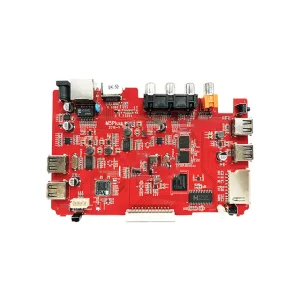
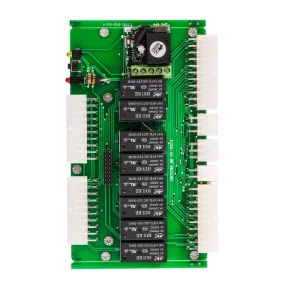
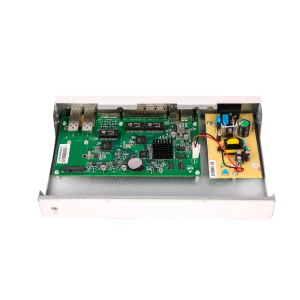
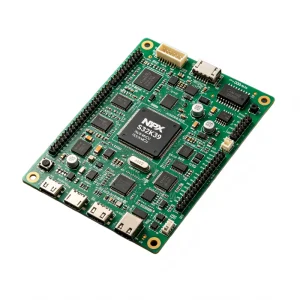
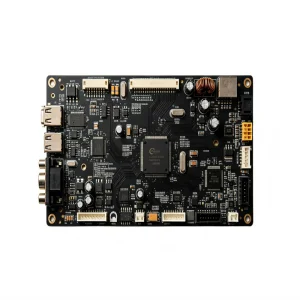
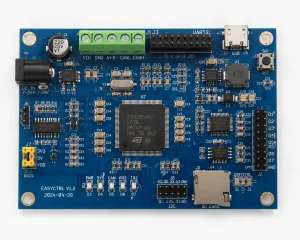
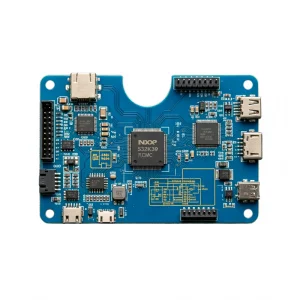
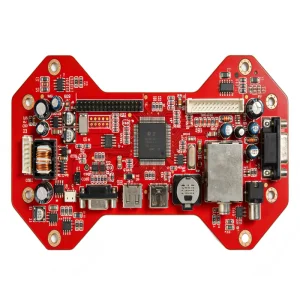
Eight PCBA Programs Ready for High-Reliability Box Build
These product platforms show the breadth of STHL’s turnkey capability: PCB fabrication, component sourcing, SMT and THT assembly, testing, cable assembly, final integration and global shipment. Each product link and image below is preserved for direct technical and commercial review.
What High-Reliability PCB Box Build Really Means
Box build is not simply “putting a board into an enclosure.” In reliability-critical programs, it is a controlled integration discipline that connects electronics, mechanics, firmware, documentation, testing and logistics into one accountable manufacturing system.
For global OEMs, the search intent behind “high-reliability PCB box build partner” is rarely limited to unit price. Buyers are trying to reduce technical risk, supply disruption, late-stage rework, field failures, audit findings and total cost of ownership. That means the supplier must demonstrate experience in design for manufacturability, incoming material control, SMT and THT process discipline, test coverage, final assembly, traceability, packaging and change management.
A reliable box build partner should be able to answer a harder question than “Can you assemble this?” It should explain how it will prevent a wrong component from reaching the line, how it will handle engineering changes after first article approval, how it will preserve device history records, how it will validate cable and harness assemblies, and how it will package a product for export to a specific region. Information gain in this category comes from documented process controls, not generic marketing claims.
STHL’s manufacturing system is built for this broader responsibility. Since 2006, Shenzhen STHL Electronics Co., Ltd. has operated as an EMS and ODM partner with a 10,000 m² facility, 220+ staff, 50+ engineers, 7 SMT lines, 2 DIP/THT lines, 2 functional test lines, 2 box build lines and an in-house R&D laboratory. The company serves OEMs in 90+ countries and regions with turnkey PCB assembly, component sourcing, PCB fabrication, cable assembly, testing and box build.
High reliability begins with alignment between the customer’s product requirement and the factory’s process capability. Thermal management, vibration resistance, EMC/EMI behaviour, ingress protection, ESD control, connector retention, firmware programming, label durability and packaging shock protection all affect field performance. A box build partner should participate early enough to flag design issues before tooling, material commitments and regulatory documentation are locked.
What Buyers Should Verify First
- Certification scope: IATF 16949, ISO 9001, ISO 14001 and ISO 13485.
- Traceability from incoming reel to finished board and final assembly lot.
- DFM and BOM review before material purchase, not after production starts.
- AOI, X-ray, ICT and functional test coverage matched to product risk.
- NDA before RFQ, restricted project data access and change-control records.
- Factory audit access, bilingual communication and documented corrective action.
Years of EMS & PCBA experience
Production facility in Shenzhen
Professional engineers
Production lines
On-time delivery
Qualified shipment rate
China Factory Supply-Chain Advantages Without the Broker Risk
China remains a deep electronics manufacturing ecosystem, but global buyers increasingly need more than access to capacity. They need transparent sourcing, controlled substitution, traceability and a partner that can explain where every critical material comes from.
Component Sourcing Depth
STHL’s sourcing team works with 100+ agents and suppliers covering more than 500,000 part numbers. Full turnkey, partial turnkey and consigned assembly models let procurement teams match risk tolerance, cash flow and approved-vendor requirements.
Prototype-to-Volume Continuity
No MOQ allows engineering teams to validate a design, then scale into repeat production with the same supplier. This reduces the hand-off losses that occur when a prototype house, PCB fabricator, assembly factory and box build vendor operate as separate silos.
Process Breadth Under One Roof
PCB fabrication coordination, SMT, THT, cable assembly, IC programming, conformal coating, functional testing and box build can be managed through one controlled workflow. Fewer hand-offs mean clearer accountability when schedule or quality issues arise.
Incoming Inspection Discipline
Counterfeit avoidance, moisture-sensitive device control, packaging integrity checks and reel-level traceability are essential for high-reliability programs. Buyers should request evidence of how these controls are recorded and linked to production lots.
Engineering Cost-Down Support
DFM and BOM optimisation can reduce cost without trading away reliability. STHL engineers review footprint issues, end-of-life risk, alternate parts, panel utilisation, test strategy and assembly sequence before production commitments are made.
Risk Mitigation, Not Only Price
China’s supply-chain advantage is strongest when it is paired with auditability. ERP and MES tracking, NDA protection, approved-vendor discipline and documented change control turn sourcing depth into a repeatable procurement asset rather than a broker-dependent gamble.
Localized Support and Compliance Assurance Across Global Markets
Localized support does not mean simply having a sales contact in a time zone. It means matching documentation, labeling, packaging, communication, change notification and audit evidence to the expectations of the customer’s market, quality team and end users.
Global OEMs buying from a China box build factory need confidence that the manufacturing system can support the compliance obligations of the destination market. STHL operates under IATF 16949, ISO 9001, ISO 14001 and ISO 13485 and produces RoHS-compliant assemblies. These systems provide the framework for automotive, medical, industrial, consumer, communication, energy and aerospace-related programs that require different levels of process control and documentation.
For European buyers, RoHS and REACH-related material declarations, packaging expectations and environmental management evidence often sit alongside quality requirements. For medical customers, ISO 13485 process discipline, lot traceability, clean handling and change control are central. Automotive programs require an IATF 16949 mindset: error prevention, control plans, corrective action, first article validation and supplier quality discipline. Industrial and energy customers typically prioritise robustness, test coverage, long product life and supply continuity.
“Localized” support can also mean practical details: English and Chinese communication, export-ready packaging, labels that match the customer’s language and market, serial-number records, firmware version control and shipment documentation that does not create customs delays. STHL’s team supports remote and on-site audits, and customers are welcome to visit the Shenzhen factory and R&D laboratory. A 360-degree virtual factory tour is available for procurement teams that need to pre-qualify a supplier before travel.
Intellectual property protection is part of compliance. STHL signs an NDA before RFQ, restricts project data to the assigned engineering team and tracks builds through ERP and MES systems. For high-value designs, buyers should also ask about user access control, change logs, test-data retention and how engineering change orders are communicated after mass production begins.
Compliance Evidence Buyers Should Request
- Certificate scope and validity for the relevant quality system.
- Material and RoHS declarations linked to the approved BOM.
- First article inspection, test logs and serial or lot traceability.
- Engineering change notification and deviation approval process.
- IP protection agreement, data-access control and audit access.
What Global Enterprises Should Require in a Box Build Partner
Procurement teams evaluating a China box build factory should compare suppliers against a risk-weighted scorecard. The lowest quoted unit price can disappear quickly when engineering changes, test escapes, late materials or unclear documentation create hidden costs.
Total Cost of Ownership
Compare not only the board price but also NPI effort, test time, rework rate, freight, packaging, inventory carrying cost, quality escapes and the management cost of dealing with multiple suppliers.
Verified Capacity
Ask for line count, shift structure, equipment capability, maximum board size, fine-pitch and BGA experience, box build space and current utilisation. Capacity should be measured, not described vaguely.
Quality System Maturity
Certification is a starting point. Buyers should review process flow, control plan, inspection standards, non-conforming material control, corrective action records and how quality data is linked to lots.
Supply Continuity
For long-life products, component end-of-life planning matters. The supplier should offer alternate-part review, last-time-buy planning, approved substitution and early warning when a BOM line becomes risky.
Compliance and Audit Readiness
The factory should be able to present certificates, inspection records, traceability logic, IP protection measures and audit responses without days of preparation. Audit readiness is a leading indicator of process discipline.
Engineering Communication
Responsiveness during NPI is often more valuable than a marginal price difference. Look for clear DFM feedback, documented questions, fast sample iteration and a named engineering contact during production.
Industry Trends Shaping High-Reliability Box Build
The next wave of electronics procurement is being shaped by higher product complexity, shorter engineering cycles, stricter traceability and the need to make supply resilience part of product design.
High-mix, low-volume production is becoming normal in industrial, medical, automotive and aerospace-adjacent markets. Products are more customised, firmware changes more frequent and launch windows shorter. A box build partner must therefore be good at engineering change control, small-lot traceability and mixed-technology assembly, not only long runs of a single board.
Traceability is moving from a quality department requirement to a commercial requirement. Customers increasingly expect component-level records, serialisation, test results and packaging data to be retrievable by lot. The digital thread between BOM, sourcing, SMT, test and final assembly is becoming a differentiator. STHL’s ERP and MES tracking support real-time production status and lot traceability, while AOI, X-ray, ICT and functional testing create verifiable quality checkpoints.
Sustainability and material compliance are also influencing supplier selection. Environmental management under ISO 14001, RoHS-compliant assemblies, packaging reduction and responsible material declarations are becoming part of the RFQ rather than an afterthought. At the same time, buyers are balancing China’s manufacturing depth with “China plus one” risk strategies. The practical answer is not to treat suppliers as interchangeable, but to qualify primary and secondary sources with documented capability.
Finally, the box build partner is becoming an integration partner. Edge AI, renewable energy, EV infrastructure, portable communication devices, medical monitoring and safety inspection equipment all combine electronics, software, connectivity, power and enclosure design. The supplier that can coordinate these interfaces earlier will reduce late-stage redesign and protect launch schedules.
Trends with Direct Procurement Impact
- Higher product mix, smaller batches and faster change cycles.
- MES/ERP traceability and test-data retention as buyer expectations.
- Material compliance and environmental documentation earlier in RFQ.
- Dual-source planning for critical components and long-life products.
- Engineering support for thermal, EMC, enclosure and test strategy.
Localized Application Scenarios
Different markets create different definitions of reliability. A successful box build program translates regional requirements into process controls, documentation and test coverage.
North America: Medical & Industrial Systems
Diagnostic equipment, industrial automation, video servers, autopilot modules and safety inspection systems require robust documentation, controlled traceability and responsive engineering communication across time zones.
Europe: Automotive, Energy & Smart Home
Automotive electronics, renewable energy controls, smart home devices and safety products demand process discipline, environmental compliance awareness and supply continuity for long product life cycles.
United Kingdom: Safety & Communication
Safety inspection, communication and specialized industrial products often require clear first article approval, packaging protection, label accuracy and reliable small-batch repeat production.
Japan & Korea: Precision & High-Mix
Precision electronics, communication devices and compact consumer systems benefit from fine-pitch SMT capability, BGA inspection, functional test development and careful documentation of process changes.
Brazil & Latin America: Security & Communication
Alarm systems, surveillance cameras, wireless phones and communication PCBA applications require stable sourcing, export packaging and clear communication around lead times and component alternatives.
Southeast Asia & Middle East: Energy & Connectivity
Renewable energy, portable Wi-Fi devices, LED systems and infrastructure electronics require robust testing, conformal coating options and shipment planning that supports project deadlines.
From Gerber Files to Global Shipment in Six Controlled Steps
Every STHL PCBA and box build project follows a documented path from engineering review to export packaging. The objective is to remove surprises before they become schedule or quality problems.
DFM & BOM Review
Engineers check Gerber files, BOM, centroid data and assembly drawings for manufacturability, footprint errors, end-of-life risk and ambiguity before any material is ordered.
Component Sourcing
Parts are purchased through STHL’s sourcing network and pass incoming inspection. Moisture-sensitive devices, reel traceability and approved substitutions are controlled before the line receives material.
PCB Fabrication
Bare boards are produced to the required stack-up, surface finish and impedance requirements, from standard boards to HDI, rigid-flex, aluminium, Rogers and heavy-copper options.
SMT & THT Assembly
Seven SMT lines and two DIP/THT lines handle fine-pitch, BGA and mixed-technology boards for prototype, low-volume and high-volume production.
Inspection & Testing
AOI, X-ray, ICT and functional testing are applied according to product risk. IC programming, conformal coating and test-result logging support downstream traceability.
Box Build & Delivery
Cable assembly, enclosure integration, final inspection, ESD-safe packaging and export shipment complete the project. STHL ships to OEMs in 90+ regions.
Certified Quality Management Systems & Testing Capability
Independent third-party audits and in-process inspection provide the evidence global buyers need. Certificates should be reviewed for scope and validity in the context of the actual product and process.

ISO 9001
Quality Management System

IATF 16949
Automotive Quality Management

ISO 13485
Medical Devices Quality Management

ISO 14001
Environmental Management System
End-to-End PCBA Manufacturing Services
For 20 years, STHL has combined component procurement, PCB fabrication, SMT and THT assembly, testing and final integration into one controlled workflow so buyers deal with one accountable supplier.

Electronic Components Procurement
Full or partial turnkey sourcing through 100+ agents and suppliers, with BOM scrubbing, alternate-part suggestions and reel-level traceability.
Learn more
PCB Fabrication
Standard, prototype, aluminium, flexible, rigid-flex, HDI, Rogers, ceramic, heavy-copper, high-Tg and halogen-free boards built to the required stack-up.
Learn more
SMT & THT PCB Assembly
Prototype, low-volume and high-volume assembly including fine-pitch, BGA and mixed-technology boards, verified by AOI and X-ray.
Learn more
Value-Added Services
PCB layout and design, IC programming, ICT and functional testing, conformal coating, cable and wire harness assembly and complete box build assembly.
Learn morePCB Assembly for Demanding Industries
From medical devices to automotive electronics, computer systems and industrial control, process controls are matched to the reliability and compliance level each market requires.
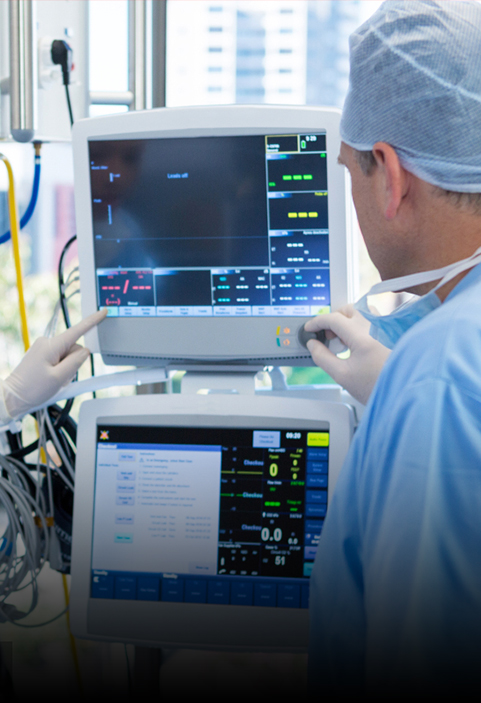
Medical & Healthcare
ISO 13485-controlled assembly for monitoring, diagnostic and wearable devices with lot traceability and change-control discipline.

Automotive Electronics
IATF 16949 processes for control modules, lighting and charging electronics that must survive heat, vibration and long service life.
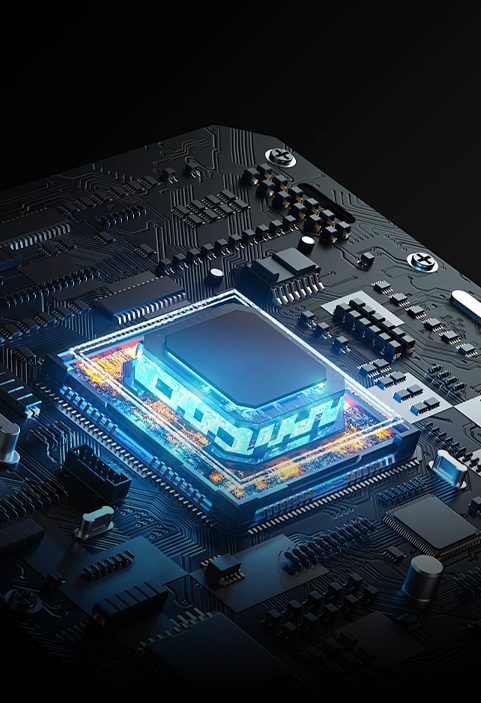
Computer & Storage
High-density, BGA-rich boards for computing, storage and peripherals, verified with X-ray inspection and functional test coverage.
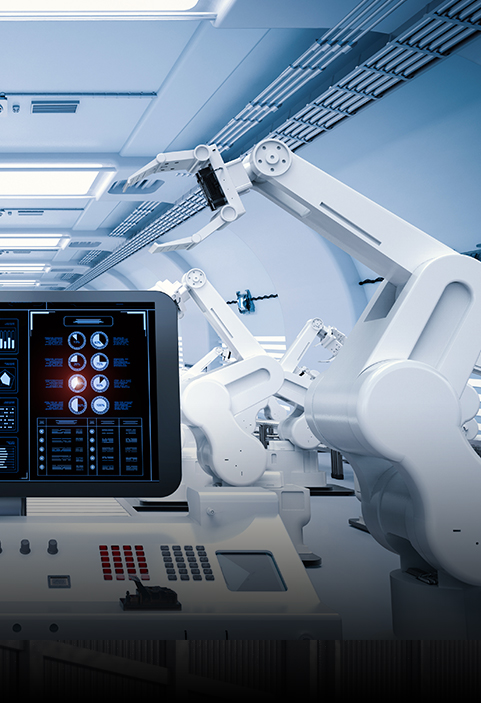
Industrial Control
Robust PCBAs for PLCs, motor drives and automation equipment, with conformal coating and reliability-focused inspection options.
Why Global OEMs Choose STHL for PCB Assembly
Measurable capacity, documented quality systems and engineering support that reduces total cost — not just unit price.

Dust-Free Smart Factory
10,000+ m² highly automated production space in Shenzhen.

20 Years of Experience
Proven know-how across PCB and PCBA since 2006.

Global Sourcing
500k+ parts via 100+ agents and suppliers.

Fully Certified
IATF 16949, ISO 9001, ISO 14001 and ISO 13485.

ERP & MES Tracking
Real-time production status and lot traceability.

Cost-Down Engineering
DFM and BOM optimisation by the engineering team.

No MOQ
Prototype and large-quantity orders are both welcome.

NDA Before RFQ
Design data and IP are protected from day one.

Fast Delivery
99.5% on-time delivery across global shipments.
What Engineers & Buyers Say About STHL
Feedback from hardware engineers, designers and company owners across North America, Europe and other regions.
Excellent team to work with and fast delivery with high-quality boards. We are very happy to work with such a good supplier. Thanks again.

Please extend my thanks to your team for your hard work in preparing these samples. This positive experience has strengthened my confidence in your company, and I’m looking forward to discussing bulk orders in the near future.

We are satisfied with the last order. You did a great job on those boards and the lead time was short. I will place a new order soon.

The order was perfect — exactly as specified with top quality. Highly recommend this reliable supplier.

Exciting! Very fast delivery, a professional supplier and a professional product. We will place a new order very soon!

We have tested all the boards and I am highly pleased. I will repeat my order soon. Thank you again for your excellent service.

It’s always a pleasure ordering. Very professional team and good quality — thanks for your great service.

Satisfied with the sample products delivered. Very good product, quick delivery and a good understanding of my requirements.

The supplier’s professionalism is evident in their seamless communication, efficient processing and reliable service. They are a trustworthy and commendable partner.

PCBA Insights & Factory News
Practical updates from the production floor: customer visits, traceability practices and the factors that really drive PCBA lead time.


STHL Hosts Two German Visitors for an SMT, THT and Material Preparation Walkthrough
Read more
STHL PCBA Component Traceability: From Incoming Reel to Finished Board
Read more
PCBA Lead Time: Where the Days Go Between Purchase Order and Shipment
Read moreBrands & Supply-Chain Partners
Long-term cooperation with global brands and established component distributors helps keep the BOM genuine, traceable and available.



















Component Sourcing Channels












PCBA Sourcing FAQs for Overseas Buyers
Straight answers to the questions procurement and engineering teams ask before choosing a PCB assembly and box build manufacturer in China.
What files do I need to submit for a PCBA project?
Send Gerber files, a BOM with manufacturer part numbers, the pick-and-place or centroid file and assembly drawings. If you need IC programming or functional testing, include firmware and test procedures. STHL engineers complete a DFM and BOM review before production starts.
Is there a minimum order quantity?
No. STHL accepts prototype, low-volume and high-volume PCB assembly orders, so you can validate a design and scale to mass production with the same supplier.
Can STHL source all the electronic components?
Yes. STHL offers full turnkey, partial turnkey and consigned assembly. The sourcing team works with 100+ agents and suppliers covering more than 500,000 part numbers, with incoming inspection and traceability from reel to finished board.
Which quality certifications does STHL hold?
STHL is certified to IATF 16949, ISO 9001, ISO 14001 and ISO 13485 and produces RoHS-compliant assemblies. Boards are verified with AOI, X-ray, ICT and functional testing according to the program’s quality plan.
How do you protect our design files and intellectual property?
STHL signs an NDA before RFQ, restricts project data to the assigned engineering team and tracks every build through ERP and MES systems. Buyers can request additional access-control and change-log arrangements for sensitive programs.
Can we audit or visit the factory?
Yes. Customers are welcome to visit the Shenzhen factory and R&D laboratory at any time, and a 360-degree virtual factory tour is available for remote evaluation.
When should a product use PCB box build instead of PCBA alone?
Box build is appropriate when the finished product requires integration of the PCBA with an enclosure, cable or wire harness, display, user interface, firmware programming, labels, accessories, packaging or final functional testing. It reduces the number of suppliers the OEM must manage and improves accountability for final product quality.
How do you support high-reliability programs beyond visual inspection?
High-reliability programs typically use a risk-based test strategy: AOI, X-ray for hidden joints, ICT for electrical opens and shorts, functional test against the product specification, firmware version checks and traceability records. For automotive, medical or long-life industrial products, the quality plan may also include first article inspection, change control, approved substitutions and lot-specific documentation.
Can STHL support localized labels, packaging and documentation?
Yes. Export programs can be supported with customer-specified labels, language requirements, serialisation, packaging protection and shipment documentation. The earlier these requirements are shared, the more reliably they can be built into the process and inspection plan.
How do you manage lead time and supply-chain disruption?
Lead time depends on PCB complexity, component availability, test development, enclosure or cable lead time and final assembly scope. STHL reviews the BOM for long-lead and end-of-life risk, proposes alternates where appropriate and uses ERP and MES tracking to provide production visibility. For repeat programs, buyers should agree on buffer strategy, last-time-buy triggers and change-notification rules.
More Box-Build-Ready PCBA Platforms from STHL
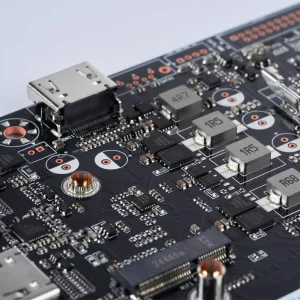
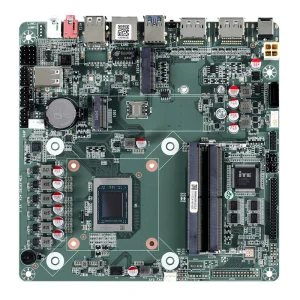
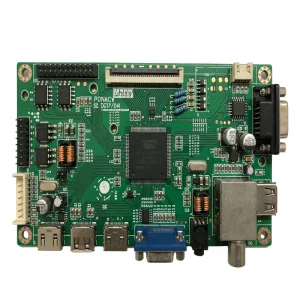
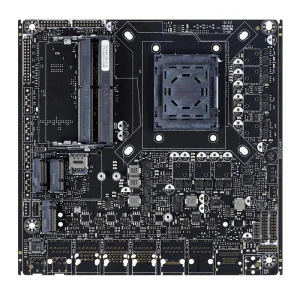
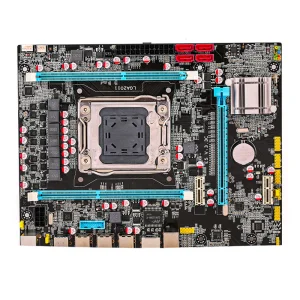
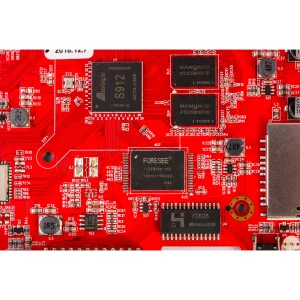
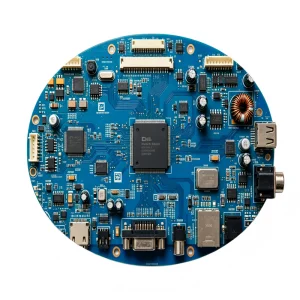
The second group of product platforms expands the review across communications, renewable energy, LED systems, aerospace, computing, video servers and portable connectivity. All original images and product URLs are preserved.
Planning Your Next High-Reliability Box Build Program?
Share Gerber files, BOM, assembly drawings, test requirements and packaging expectations. STHL can review manufacturability, component risk, test strategy and box build scope before quotation. NDA can be signed before RFQ.
