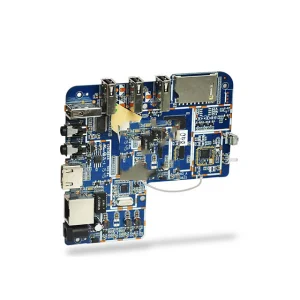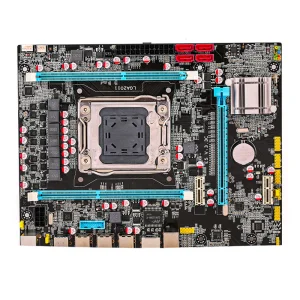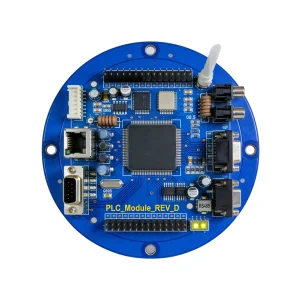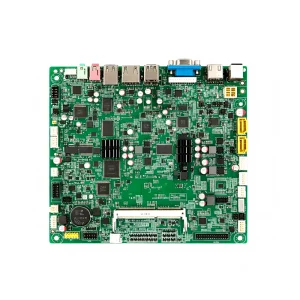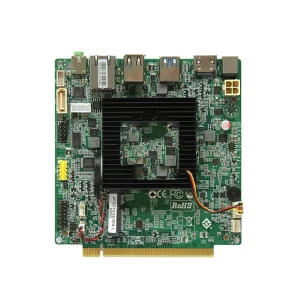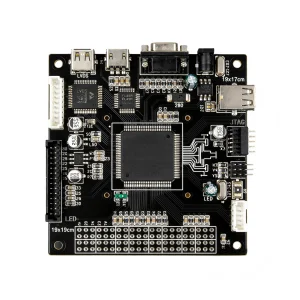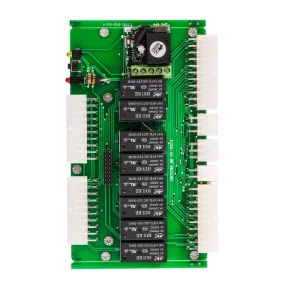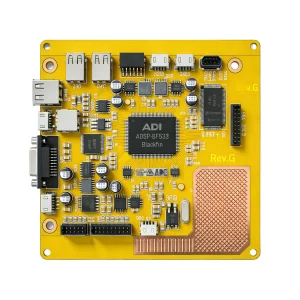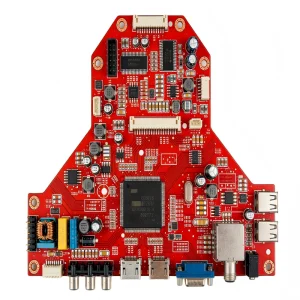
Verified PCBA Platforms
Proven PCB Assembly Programs Across Smart Home, Medical, Energy & Industrial Markets
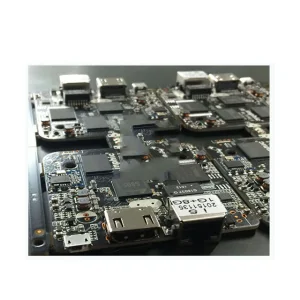
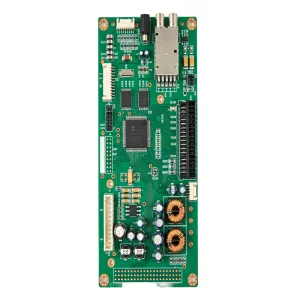
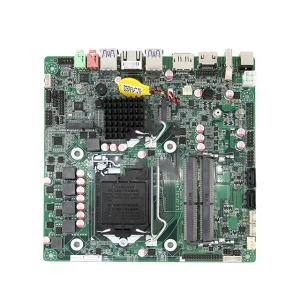
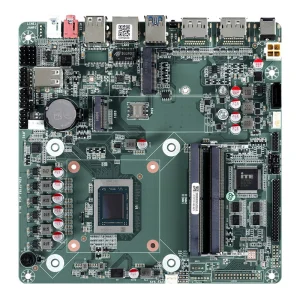
Each program below runs through the same controlled workflow reserved for your own project: BOM scrubbing, incoming inspection, AOI and X-ray verification, ICT/FCT testing and lot-level traceability. Choose a category — our engineers will map it to your Gerber, BOM and firmware.
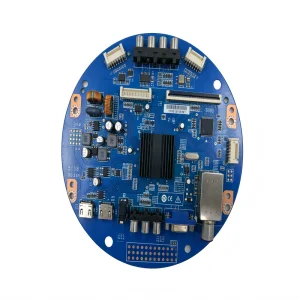
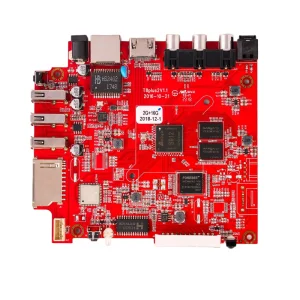
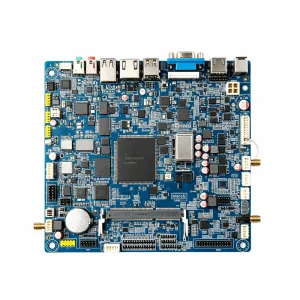
Quality Architecture
What a High Quality PCB Assembly Factory Actually Does Differently
Certificates open the door; process discipline keeps it open. A genuinely high quality PCBA partner engineers quality into every station instead of inspecting it at the loading dock. These are the six pillars our own audits, customer audits and 13 production lines are measured against.
Front-End DFM & BOM Engineering
Before a single reel is purchased, engineers validate Gerber layers, solder-mask clearances, panelization, footprint-to-package matching and part lifecycle status. Most PCBA failures are designed in, not built in — a documented DFM report before production is the cheapest yield improvement a buyer will ever receive.
Controlled Incoming Material
Counterfeit and grey-market components remain the single largest risk in global PCBA sourcing. Authorized distribution, incoming visual and X-ray inspection, MSL baking records and reel-to-board traceability turn an opaque supply chain into an auditable one.
Process Capability, Not Marketing Claims
Fine-pitch QFN, 0.3 mm BGA pitch, 01005 passives, press-fit connectors and rigid-flex all demand different stencils, reflow profiles and nozzle strategies. Capability should be evidenced by first-article reports, not brochures.
Test Coverage That Matches Risk
AOI covers placement and solder joints; X-ray covers hidden BGA and QFN voids; ICT and FCT prove electrical function. The right mix is determined by end-market risk — a medical monitor and a decorative LED strip should never receive the same test plan.
Traceability & Data Integrity
Every build should carry a retrievable record: which reels, which machines, which operator, which reflow profile, which test results. When a field complaint arrives 18 months later, data — not memory — is what protects your brand.
Change Management & 8D Discipline
Engineering change notices, deviation approvals, SPC monitoring and formal 8D corrective actions separate a factory from a reliable partner. Silicon revisions, EOL parts and process tweaks must be communicated before they reach your dock.
Global Procurement Benchmarks
What Global OEMs Now Expect From a PCBA Partner in 2025
Procurement priorities have shifted. Price still matters, but buyers now rank availability, documentation, flexibility and responsiveness above unit cost. The reason is simple: a board that arrives three weeks late costs far more than a three-cent component.
20+Years in EMS & PCBA, founded 2006
10,000 m²Automated, dust-controlled production space
220+Staff, including 50+ professional engineers
13Production lines: 7 SMT, 2 THT, 2 test, 2 box build
99.5%On-time delivery across global shipments
99%Qualified shipment rate
500K+Sourceable part numbers via 100+ suppliers
90+Countries and regions served
Three structural pressures dominate today's sourcing decisions. First, allocation risk: passive components, MCUs and power devices still see cyclical shortages, so buyers demand BOM-level alternate-part planning rather than one-off quotes. Second, regulatory gravity: medical and automotive customers now push ISO 13485 and IATF 16949 expectations down the entire supply chain, including bare-board and component vendors. Third, responsiveness: hardware teams iterate weekly, which makes a no-MOQ, prototype-friendly factory with in-house engineering a commercial advantage — not a convenience.
Industry Trends
Six Trends Reshaping PCB Assembly, 2025 to 2030
Understanding where the industry is heading lets procurement teams design supplier agreements that still work in three years. These are the shifts we see reflected in daily RFQs, engineering change requests and customer audits.
Edge AI Pushes Board Density Upward
Inference at the sensor node demands HDI stack-ups, 0.4 mm fine-pitch packages and tighter thermal design. Assembly houses must pair 3D AOI and X-ray with real process engineering — placement alone is no longer a differentiator.
High-Mix, Low-Volume Becomes Normal
Product lifecycles shorten and customization rises. Fast changeover, digital SMT programs and smart material racks now determine whether a factory remains economical from 50 to 50,000 units.
Traceability Evolves Into Compliance
UDI for medical devices, PPAP packages for automotive and full material declarations for export markets mean documentation is now deliverable, not optional. MES and ERP integration is the infrastructure behind it.
Supply-Chain Resilience Beats Optimism
Dual sourcing, approved vendor lists, last-time-buy planning and alternate-part engineering have moved from contingency worksheets into standard RFQ requirements across North America and Europe.
Medical and Automotive Requirements Converge
Cleanliness specs, void limits and functional-safety documentation are spreading from automotive into healthcare and industrial control. A factory that already runs both systems transfers that discipline to every program.
Sustainable Electronics Takes Shape
Halogen-free laminates, lead-free processes, RoHS and REACH declarations, packaging reduction and carbon reporting are entering supplier scorecards — especially for European and North American consumer brands.
Macro Industry Solutions
PCB Assembly Solutions Mapped to Regulated, High-Risk Industries
Different markets fail in different ways. Our process controls, test strategy and documentation are configured to the failure mode that matters most in your sector — not applied uniformly to every board.
Smart Home & IoT
Hubs, gateways and energy managers built with RF tuning verification, antenna-clearance control and firmware programming for high-volume consumer launches.
Automotive Electronics
IATF 16949 controlled assembly for control modules, lighting and charging electronics, with PPAP documentation and vibration/thermal reliability focus.
Medical & Healthcare
ISO 13485 governed builds for monitors, analyzers and wearables — lot traceability, validated cleaning and controlled change notification.
Industrial Control
PLCs, drives and automation boards with conformal coating, wide-temperature validation and EMI-conscious layout support.
Energy, Metering & Inverters
Smart meters, inverters and energy-management modules with heavy-copper boards, isolation creepage control and long-term field reliability.
Environmental Monitoring
Water-quality analyzers, gas-leak detectors and climate recorders requiring sensor calibration support and drift-aware test procedures.
Communication & Networking
Modems, routers and gateways with impedance-controlled fabrication, RF shielding and throughput-oriented functional test fixtures.
Consumer & LED Lighting
Strip lights, lamp control modules and alarm systems optimized for cost, thermal management and high-volume repeatability.
Localized Support & Compliance
Making Cross-Border PCBA Procurement Predictable
Offshore manufacturing only works when communication, documentation and accountability are engineered as carefully as the boards. Every overseas program we run is supported by these six structures.
Logistics & Trade Terms
ESD-safe packaging, moisture-barrier bags, DDP/DAP/FOB options, air and consolidated sea freight, and shipment documentation prepared for customs clearance in your destination market.
Time-Zone & Language Coverage
Dedicated English-speaking account managers, response within one business day, WhatsApp and email escalation paths, and engineering reviews scheduled to overlap with your working hours.
Certification & Standards Matrix
IATF 16949, ISO 9001, ISO 14001 and ISO 13485 certified systems; IPC-A-610 Class 2 and Class 3 workmanship targets, J-STD-001 soldering controls, RoHS-compliant assembly and REACH/conflict-mineral declarations on request.
IP Protection & Confidentiality
NDA signed before RFQ, project folders restricted to the assigned engineering team, no public reference to customer designs, and full data retention and deletion policies on request.
Remote & On-Site Auditing
Factory visits and third-party audits are welcome at any time, and a 360° virtual tour lets quality and procurement teams pre-qualify the Shenzhen facility before booking travel.
Traceability & After-Sales Response
Reel-to-board records in ERP and MES, documented rework procedures, buffer-stock options for repeat programs and formal 8D responses to any non-conformance raised after shipment.
Technology Roadmap
Future Outlook: From SMT Assembly to System-Level Integration
The board is increasingly the platform, not the product. Our engineering roadmap follows the same direction as the customers we serve — denser, more integrated, more instrumented and more sustainable.
2025 — AI-Assisted Inspection
Machine-learning assisted AOI and SPI defect classification, automatic SMT changeover and fully digital work orders reduce dependence on operator experience and shorten new-product introduction cycles.
2026 — HDI & Fine-Pitch Scaling
Broader HDI and rigid-flex capacity for micro-via stacks, laser-drilled features and 0.35 mm pitch packages, supported by underfill and void-controlled BGA reflow recipes.
2027 — Embedded & Flex Hybrids
Embedded passive and component-in-board approaches for wearable and implantable-adjacent devices, where board area and weight dominate the mechanical design envelope.
2028 — Module-Level Assembly
System-in-package and modular sub-assembly services extend past traditional PCBA so customers can receive tested, calibrated functional modules rather than bare boards.
2029 — Closed-Loop Digital Twin
Every build parameter — stencil, profile, nozzle, test data — feeding a simulation model that predicts yield before a new revision is released to the line.
2030 — Toward Zero-Defect & Carbon Accountability
Process capability targets aligned with automotive zero-defect expectations, paired with energy monitoring and per-board carbon reporting for sustainability-driven procurement.
How We Work
From Gerber Files to Global Shipment in Six Controlled Steps
Knowing exactly what happens after the purchase order is issued removes most of the anxiety from offshore sourcing. This is the route every STHL PCBA project travels.
DFM & BOM Review
Engineers check Gerber, BOM and centroid data for manufacturability, footprint errors, lifecycle risk and end-of-life components before any material is purchased.
Component Sourcing
Parts are purchased through 100+ agents and authorized suppliers, then pass incoming inspection with moisture-sensitive device control and reel-level identification.
PCB Fabrication
Bare boards are produced to your stack-up, surface finish and impedance requirements, from single-layer and aluminium to HDI and rigid-flex constructions.
SMT & THT Assembly
7 SMT lines and 2 DIP/THT lines handle fine-pitch, BGA and mixed-technology boards, covering prototype runs and mass production on the same equipment.
Inspection & Testing
AOI, X-ray, ICT and functional testing, plus IC programming and conformal coating, with every result logged against the production lot in MES.
Box Build & Delivery
Cable assembly, enclosure integration and ESD-safe packaging, shipped to customers in more than 90 countries and regions with full export documentation.
Why Choose STHL
Why Global OEMs Choose STHL as Their PCB Assembly Partner
Measurable capacity, documented quality systems and engineering support that lowers total cost — not just the unit price on the quotation sheet.
Dust-Free Smart Factory
10,000+ m² of highly automated production space with environmental controls suited to fine-pitch assembly.
20 Years of Experience
Proven PCB and PCBA know-how accumulated since 2006 across consumer, industrial and regulated markets.
Global Component Sourcing
500,000+ part numbers reachable through 100+ agents and suppliers, with alternate-part engineering when allocation bites.
Fully Certified Systems
IATF 16949, ISO 9001, ISO 14001 and ISO 13485 — audited by independent third parties, not self-declared.
ERP & MES Tracking
Real-time production status, machine records and lot traceability available to customers on request.
Cost-Down Engineering
DFM and BOM optimization performed by in-house engineers, frequently reducing landed cost without redesign.
No Minimum Order Quantity
Prototype, pilot and volume builds are all accepted, so a design can be validated and scaled with one supplier.
NDA Before RFQ
Design data and intellectual property are protected from the first conversation, before any quotation is issued.
Fast, Predictable Delivery
99.5% on-time delivery and a 99% qualified shipment rate across global air and sea freight lanes.
Certification & Client Feedback
Independently Audited Systems, Verified by Customers
Third-party certification confirms our management systems meet automotive, medical and industrial requirements. The feedback below comes from engineers and buyers who have shipped products built on these processes.

ISO 9001
Quality Management System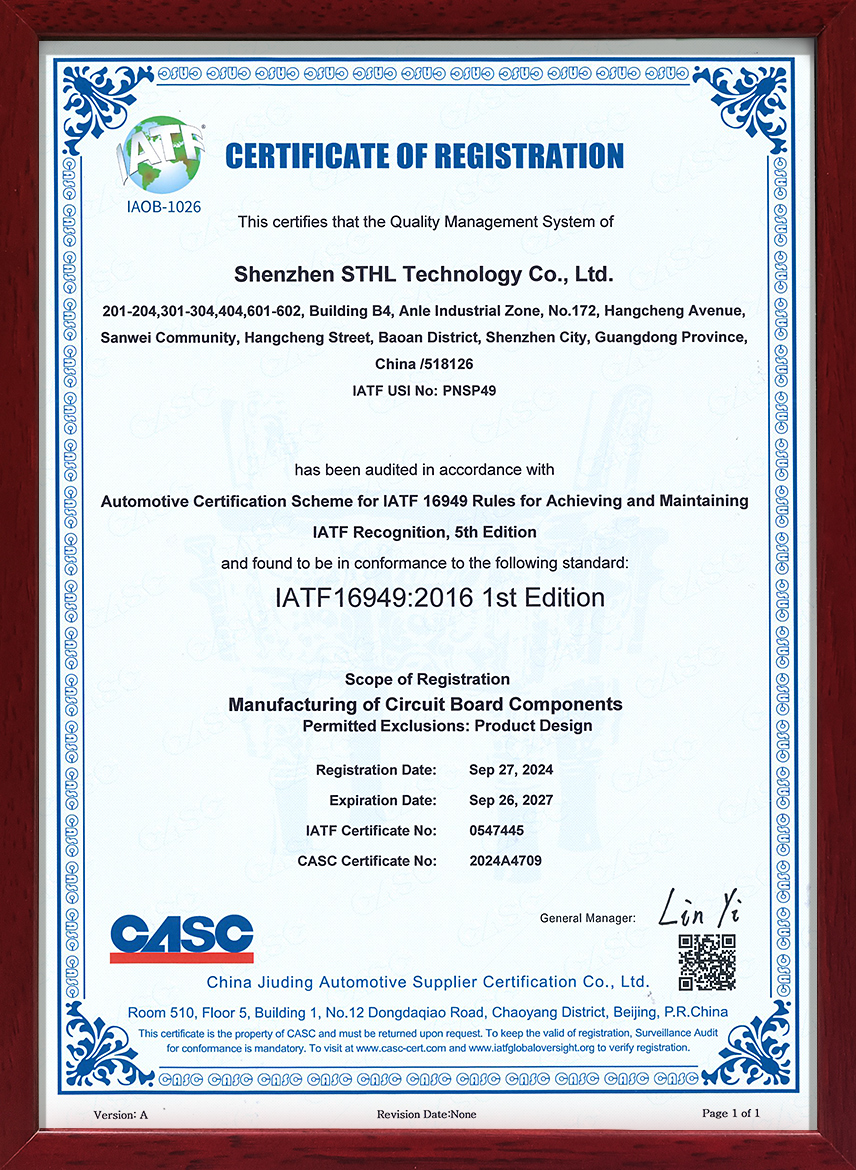
IATF 16949
Automotive Quality Management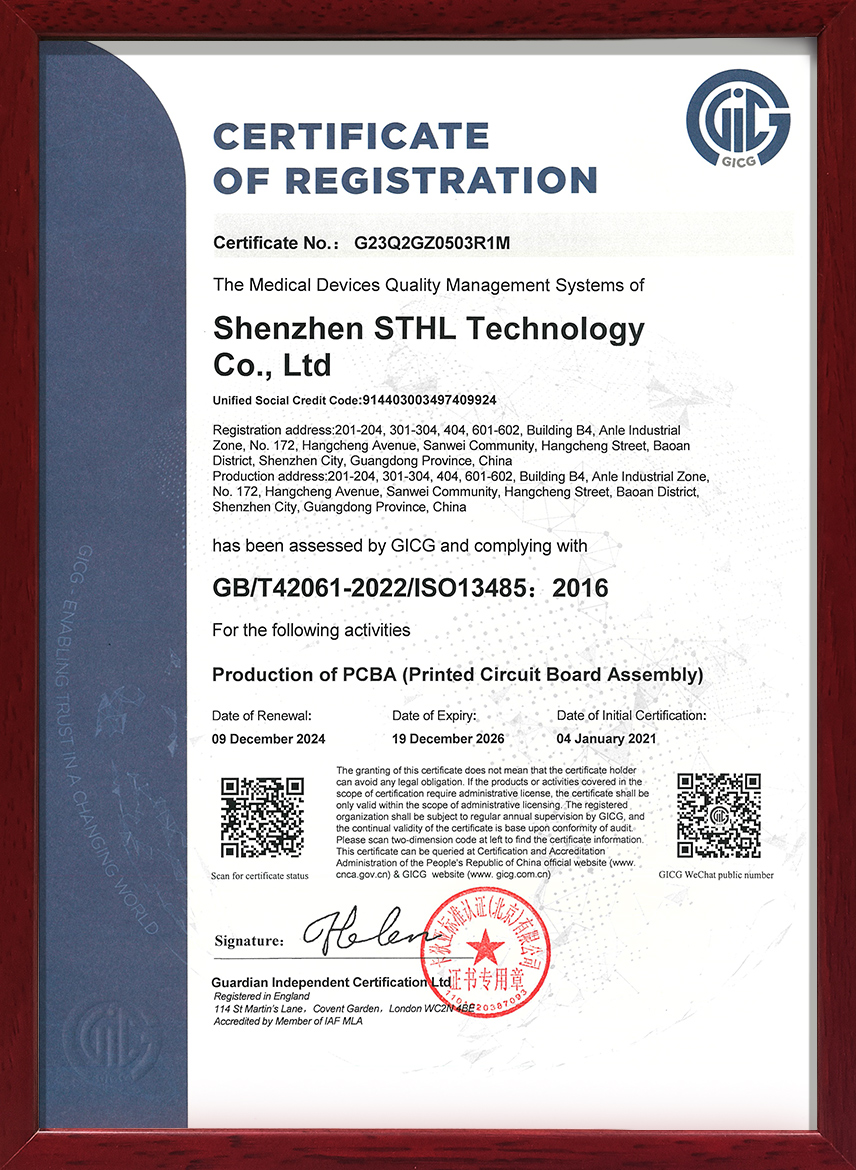
ISO 13485
Medical Devices Quality Management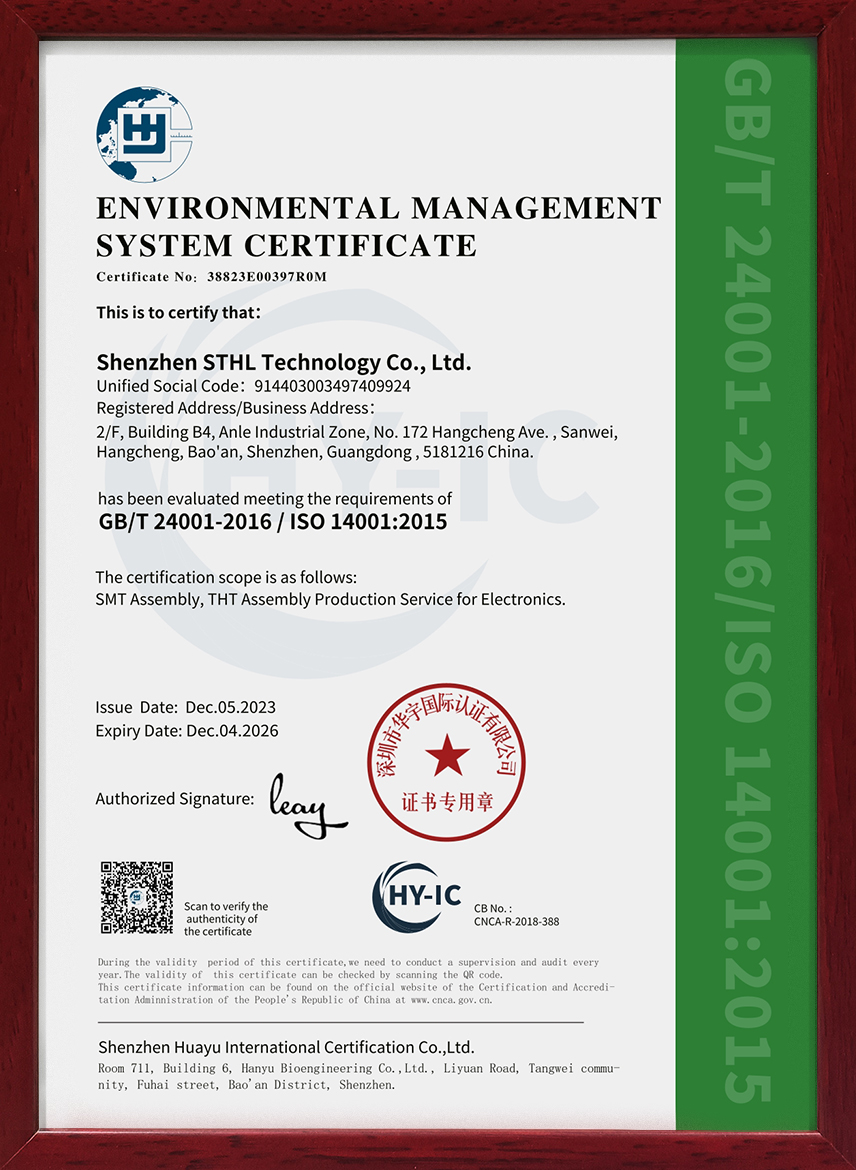
ISO 14001
Environmental Management System“Excellent team to work with and fast delivery with high-quality boards. We are very happy to work with such a good supplier.”

PauloR&D Engineer · United States
“Please extend my thanks to your team for your hard work in preparing these samples. This positive experience has strengthened my confidence in your company.”

OliviaHardware Engineer · Germany
“We have tested all the boards and I am highly pleased. I will repeat my order soon. Thank you again for your excellent service.”

AnnaSr. Hardware Designer · New Zealand
Q&A
PCB Assembly Sourcing FAQs for Overseas Buyers
Direct answers to the questions procurement, quality and engineering teams ask before appointing a PCB assembly manufacturer in China.
What files do I need to submit for a PCBA project?
Send Gerber files, a BOM with manufacturer part numbers, the pick-and-place (centroid) file and assembly drawings. If you need IC programming or functional testing, include firmware and test procedures. Our engineers complete a DFM and BOM review before production starts.
Is there a minimum order quantity (MOQ)?
No. STHL accepts prototype, low-volume and high-volume PCB assembly orders, so you can validate a design and scale to mass production with the same supplier.
Can STHL source all the electronic components?
Yes. We offer full turnkey, partial turnkey and consigned assembly. Our sourcing team works with 100+ agents and suppliers covering more than 500,000 part numbers, with incoming inspection and traceability from reel to finished board.
Which quality certifications does STHL hold?
STHL is certified to IATF 16949, ISO 9001, ISO 14001 and ISO 13485, and produces RoHS-compliant assemblies. Boards are verified with AOI, X-ray, ICT and functional testing.
How do you protect our design files and IP?
We sign an NDA before RFQ, restrict project data to the assigned engineering team and track every build through our ERP and MES systems.
Can we audit or visit the factory?
Yes. Customers are welcome to visit our Shenzhen factory and R&D laboratory at any time, and a 360-degree virtual factory tour is available for remote evaluation.
How do you handle component shortages and end-of-life parts?
Our sourcing engineers monitor lifecycle status during the BOM review and flag NRND or obsolete items early. When allocation occurs, we propose qualified alternates, verify electrical and footprint compatibility with your approval, and document the change through the engineering change process. Last-time-buy planning is also offered for long-life programs.
What lead times should we expect for prototypes and mass production?
Turnkey prototypes typically complete in several working days once materials are in house, while volume production depends on component lead time, board complexity and test scope. Your account manager provides a dated schedule with each milestone — material readiness, assembly, testing and shipment — rather than a single vague estimate.
Do you support both turnkey and consigned assembly?
Yes. Full turnkey, partial turnkey and customer-consigned models are all supported. Consigned material goes through incoming inspection and MSL control on arrival, and any shortage or damage is reported before production begins so responsibilities stay clear.
What testing standards apply to medical and automotive projects?
Medical programs run under ISO 13485 controls with lot traceability and validated processes, while automotive work follows IATF 16949 with PPAP-style documentation. Workmanship is held to IPC-A-610 Class 2 or Class 3 depending on your specification, and functional test fixtures can be designed specifically for your product.
How are boards packed and shipped?
Assemblies are packed in ESD-safe trays or bags with moisture-barrier protection and desiccant where required, then boxed for air or consolidated sea freight. We supply commercial invoices, packing lists and any declarations needed for customs, and can ship under DDP, DAP or FOB terms depending on your preference.
Can you produce the compliance documentation our regulator requires?
Yes. RoHS and REACH declarations, material and conflict-mineral statements, first-article inspection reports, test records and process capability data can be provided on request. Let us know your market and product category during the RFQ so the correct document package is planned from the start rather than assembled afterwards.
Planning Your Next PCBA Build?
Request our capability catalog for PCB fabrication options, assembly processes, testing methods and industry case references — the documentation your engineering and quality teams need to qualify a new supplier with confidence.
More PCBA Programs
Additional PCB Assembly Solutions Built to the Same Quality Standard
From water-quality analyzers and gas-leak detectors to certified computer boards and modem assemblies — each of these platforms is manufactured with full material traceability, controlled reflow profiles and documented functional testing.