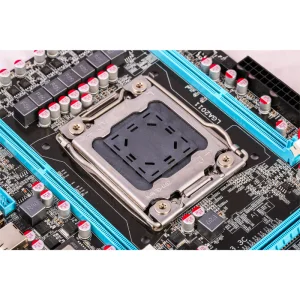
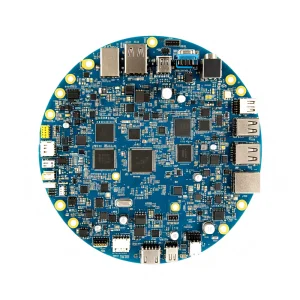
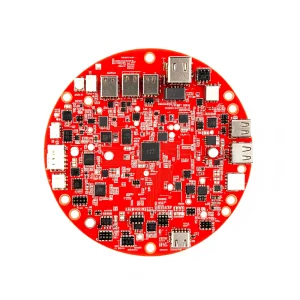
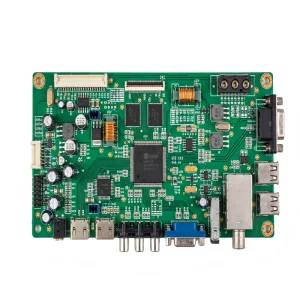
High Quality FR4 PCB Solution Provider & Factories
Turnkey FR4 PCB fabrication, component sourcing, SMT/THT assembly, testing, cable assembly and box build from Shenzhen for OEMs in 90+ regions.
High-Reliability FR4 PCB & PCBA Products
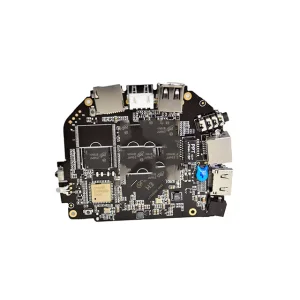
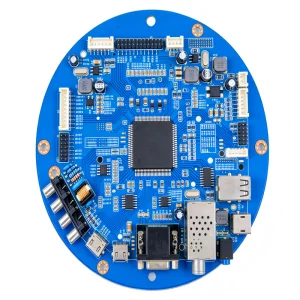
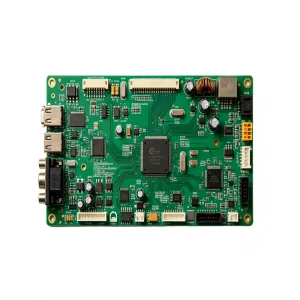
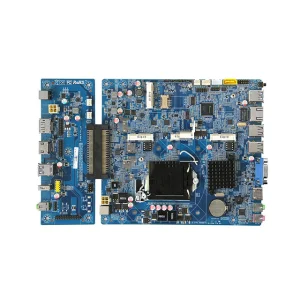
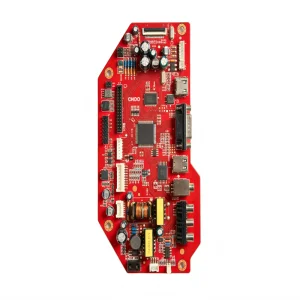
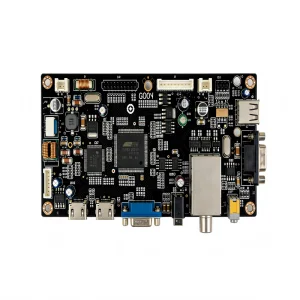
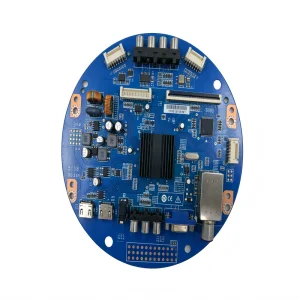
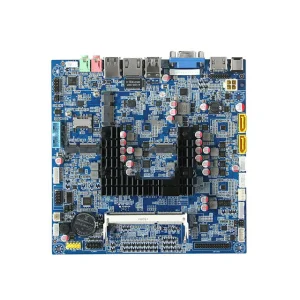
When a design needs a proven flame-retardant laminate, stable electrical performance, mature assembly processes and predictable cost, FR4 remains the engineering default. These product families show how STHL converts FR4 substrates into application-ready PCBAs for medical, automotive, smart home, LED, communications and industrial programs.
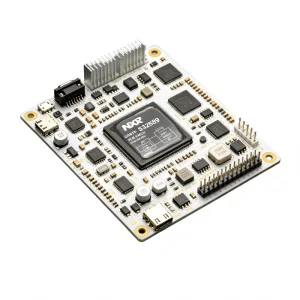
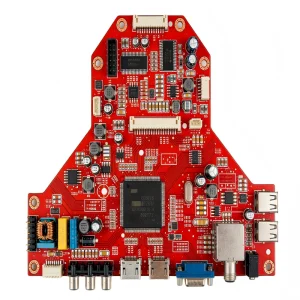
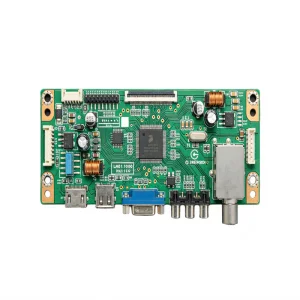
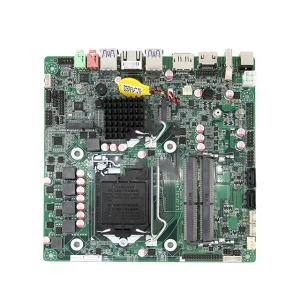
Why FR4 Remains the Workhorse of PCB Assembly
FR4 is not a single recipe; it is a family of flame-retardant glass-reinforced epoxy laminates. The material balances mechanical strength, dielectric stability, moisture resistance, process maturity and cost. For most industrial, medical, consumer and automotive control boards, a correctly selected FR4 grade gives the best total-cost-of-ownership among rigid substrates.
For buyers, the important question is not simply “FR4 or not FR4?” It is which FR4 grade, which Tg, which copper weight, which surface finish and which assembly controls match the product’s thermal, electrical and regulatory environment. Standard FR4 may be sufficient for a room-temperature smart hub; a high-Tg FR4 with tighter impedance control and enhanced CAF resistance may be essential for an automotive control unit or a medical monitoring board. The choice affects yield, field reliability, lead time and compliance.
Semantic search intent around “FR4 PCB solution provider” usually combines three buying journeys: material selection, factory qualification and assembly execution. A high-quality provider must therefore be able to explain material trade-offs, prove process control and demonstrate traceability from incoming laminate and components to the finished PCBA. That is the practical meaning of E-E-A-T in this category: experience with real builds, expertise in materials and assembly, authority through certifications, and reliability through repeatable systems.
FR4 PCB Selection Matrix for Global OEMs
A useful FR4 specification is a risk-management document. The table below translates common technical language into sourcing and application decisions so engineering, procurement and quality teams can align expectations before tooling or material purchase.
| FR4 Option | Typical Signal | Best-Fit Applications | What to Verify with the Factory |
|---|---|---|---|
| Standard FR4 | Tg around 130–140°C; mature, cost-efficient laminate | Consumer electronics, smart home hubs, LED drivers, general industrial controls | Laminate source, thickness tolerance, copper adhesion, solder-mask adhesion, RoHS status |
| High-Tg FR4 | Tg around 170°C or higher; improved thermal stability | Automotive modules, power electronics, medical devices, high-layer-count boards | Tg evidence, thermal cycling data, CAF resistance, moisture absorption, press and drilling controls |
| High-CTI FR4 | Comparative tracking index suited to higher-voltage isolation | Power supply, EV charging, industrial drives, energy storage controls | CTI class, creepage/clearance review, surface finish, conformal-coating compatibility |
| Halogen-free FR4 | Restricted halogen content for environmental compliance | Consumer brands, medical disposables, products with strict material declarations | Material declaration, REACH/RoHS documentation, availability and cost impact |
| High-frequency / low-loss FR4 variants | More stable Dk/Df than generic FR4 at higher frequencies | Communication boards, radar front ends, RF modules, antenna control boards | Stack-up simulation, impedance verification, test coupon data, assembly sensitivity |
Typical FR4 electrical values are often quoted around Dk 4.2–4.8 and Df 0.015–0.025 at 1 MHz, but the exact value depends on resin chemistry, glass style, copper foil and frequency. At higher data rates, impedance control and stack-up consistency matter more than a generic material label. STHL engineers review Gerber data, stack-up, BOM and centroid file before production, so the factory does not simply “build what was uploaded” without flagging manufacturability risks, end-of-life parts or process limits.
Global FR4 PCB Demand, Industrial Reality and Supply-Chain Trends
FR4 PCB manufacturing is a mature industry, but demand is not static. It is being reshaped by electrification, automation, medical monitoring, smart living, high-speed communication, energy transition and regional supply-chain diversification.
Across North America, Europe and Asia-Pacific, OEMs are buying more than bare boards. They are buying a controlled manufacturing outcome: reliable laminate sourcing, exacting SMT assembly, inspection data, component traceability and predictable delivery. The global market continues to shift toward high-mix, low-to-medium volume production, faster prototypes and repeatable mass production under one quality system. Buyers want fewer suppliers, not more coordination work.
Component volatility has also changed supplier qualification. A factory that can scrub a BOM, propose approved alternates, manage moisture-sensitive devices and preserve reel-level traceability is more valuable than a quotation that only wins on unit price. For FR4 PCB projects, hidden costs usually appear in rework, delayed assembly, missing compliance evidence or repeated first-article cycles. Information gain comes from preventing those costs before the purchase order is released.
Where FR4 PCBAs Deliver Locally and Globally
The same FR4 material platform supports sharply different application environments. The practical difference is how the manufacturing solution is localized to the regulatory, thermal, mechanical and reliability demands of each region and product category.
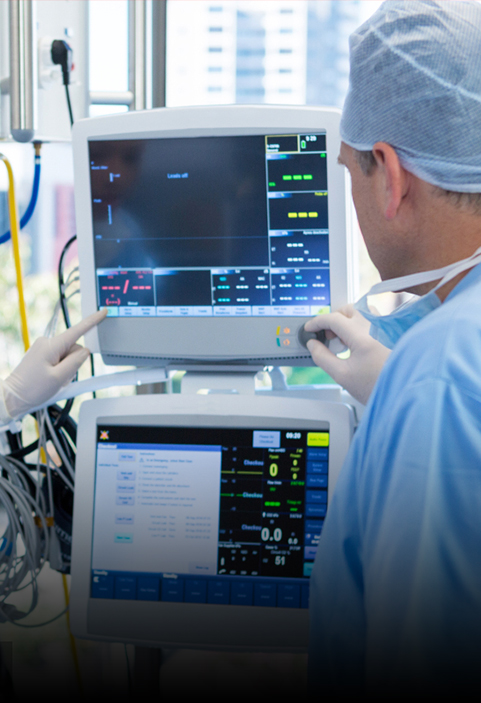
Medical & Healthcare
ISO 13485-controlled assembly for monitoring, diagnostic and wearable devices with lot traceability.

Automotive Electronics
IATF 16949 processes for control modules, lighting and charging electronics that must survive heat and vibration.
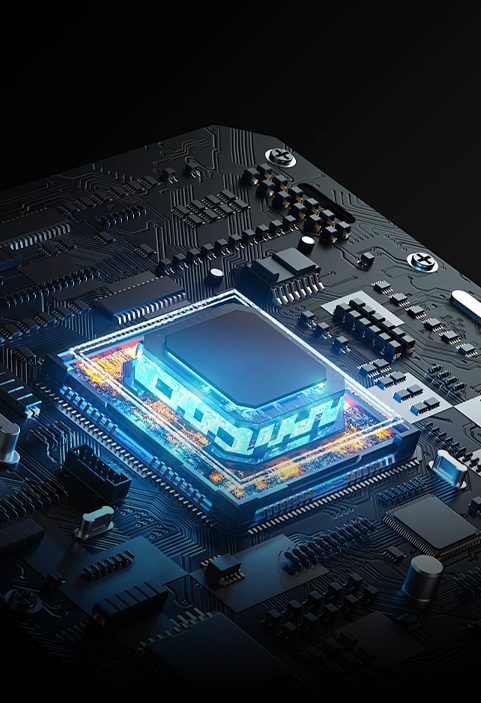
Computer & Storage
High-density, BGA-rich boards for computing, storage and peripherals, verified by X-ray inspection.
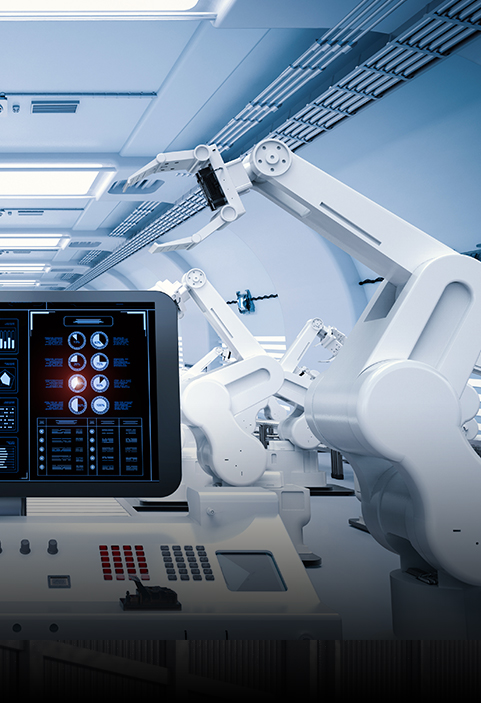
Industrial Control
Robust PCBAs for PLCs, motor drives and automation equipment, with conformal coating options.
FR4 PCB Technology Roadmap and Future Outlook
The future of FR4 is not a single breakthrough; it is continuous refinement across materials, geometry, inspection and data. The roadmap below reflects the questions serious buyers already ask during supplier qualification.
Higher-Density FR4
Fine-pitch components, via-in-pad, HDI and thinner dielectrics continue to migrate into mainstream FR4 designs. Factory success depends on laser drilling, copper filling, registration and AOI capability.
High-Reliability Materials
Automotive and medical programs are pushing high-Tg laminate, CAF resistance and thermal-cycling evidence into normal procurement conversations, not only into premium product tiers.
Thermal Management
Heavy copper, thermal vias, metal-backed approaches and intelligent copper balancing help FR4 handle LED, power and motor-drive heat without sacrificing manufacturability.
Inspection Data as a Product
AOI, X-ray, ICT and functional test data increasingly support traceability and field-failure analysis. Buyers benefit when inspection records are structured rather than simply stored.
Mixed-Technology Assembly
FR4 boards often combine SMT, THT, press-fit, wire harness and box build. One accountable workflow reduces handling risk and makes engineering change management more reliable.
Sustainability and Compliance
RoHS, REACH, halogen-free options and responsible material declarations are becoming part of the FR4 specification. Documented compliance is now a design input, not a shipping afterthought.
FR4 PCBA Solutions by Industry
STHL supports industry-specific PCBA programs with the same certified manufacturing backbone and application-specific controls. Explore the solution pages below to align your search intent with a relevant manufacturing route.
PCBA Solution
Turnkey sourcing, fabrication, assembly and test for custom programs.
LED PCB Assembly
LED matrix, lighting, floodlight and thermal-management assemblies.
Aerospace PCB Assembly
High-reliability builds with inspection evidence and controlled processes.
Smart Home PCB Assembly
Hubs, gateways, thermostats, sensors and connected consumer devices.
Safety & Security PCB Assembly
Access control, surveillance, alarm and security electronics.
Communication PCB Assembly
Networking, optical terminals, wireless and data-communication boards.
Power Supply PCB Assembly
Power conversion, isolation, high-CTI and thermal-aware design support.
Energy PCB Assembly
Energy storage, charging, metering and renewable-energy controls.
Consumer Electronics PCB Assembly
Audio, wearables, smart peripherals and high-mix consumer products.
Medical PCB Assembly
ISO 13485 systems for diagnostics, monitoring and surgical navigation.
Automotive PCB Assembly
IATF 16949 manufacturing for VCU, ESP, lighting and control modules.
Computer PCB Assembly
High-density computing, storage and peripheral PCBAs with X-ray validation.
Industrial Control PCB Assembly
PLC, motor-drive and automation boards with conformal-coating options.
Environmental Monitoring Equipment PCB Assembly
Sensor, measurement and outdoor monitoring electronics for harsh environments.
End-to-End FR4 PCBA Manufacturing Services
For 20 years, STHL has combined component procurement, PCB fabrication, SMT and THT assembly and functional testing into one controlled workflow — so you deal with one accountable supplier from first article to repeat production.

Electronic Components Procurement
Full or partial turnkey sourcing through 100+ agents and suppliers, with BOM scrubbing, alternate-part suggestions and reel-level traceability.
Learn more →
PCB Fabrication
Standard, prototype, aluminum, flexible, rigid-flex, HDI, Rogers, ceramic, heavy-copper, high-Tg and halogen-free boards built to your stack-up.
Learn more →
SMT & THT PCB Assembly
Prototype, low-volume and high-volume assembly including fine-pitch, BGA and mixed-technology boards, verified by AOI and X-ray.
Learn more →
Value-Added Services
PCB layout and design, IC programming, ICT and functional testing, conformal coating, cable and wire harness, and complete box build assembly.
Learn more →Your Turnkey FR4 PCBA & ODM Partner in Shenzhen Since 2006
Shenzhen STHL Electronics Co., Ltd. is a certified electronics manufacturing services (EMS) and ODM provider. We help hardware teams in the USA, Germany, Italy, the UK, Poland, New Zealand, Brazil and 90+ other regions move from schematic to shipped product — PCB layout, component sourcing, PCB fabrication, SMT/THT assembly, cable assembly, box build and full testing in one factory.
Our 220+ staff, including 50+ engineers, run a 10,000 m² facility with an in-house R&D laboratory for design verification and prototype testing. Every build is RoHS-compliant and controlled under IATF 16949, ISO 9001, ISO 14001 and ISO 13485 systems. Factory visits and audits are welcome at any time.
For FR4 projects, this means engineering can challenge the stack-up early, procurement can secure long-lead parts, production can protect yield, and quality can demonstrate traceability from laminate and incoming reel to finished board.
Explore Our Products Request a Catalog
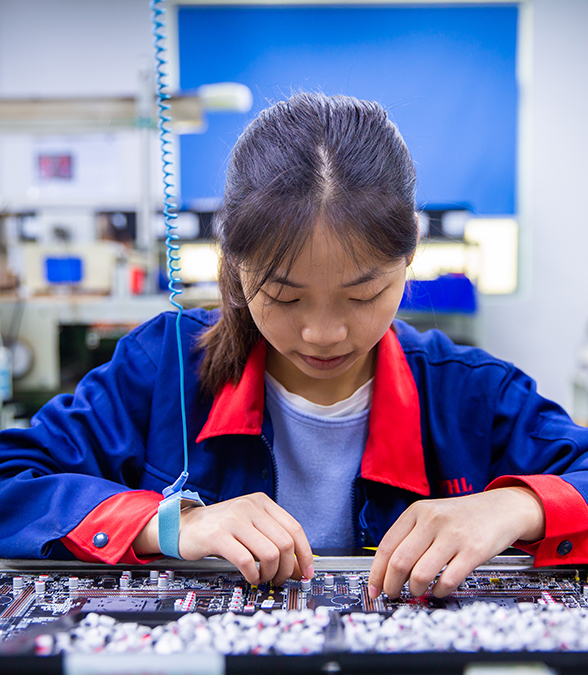

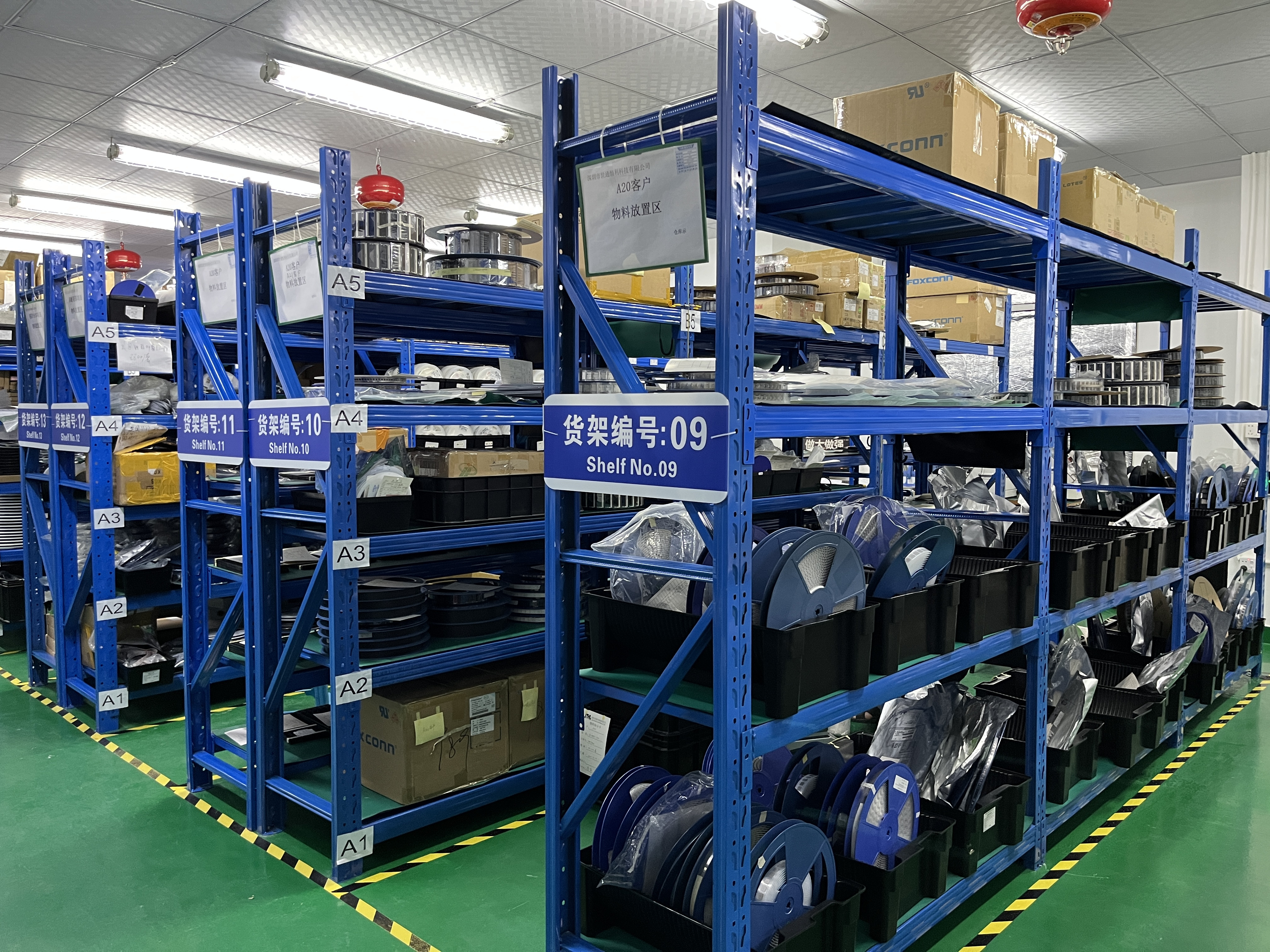
Dust-Free Smart Factory
10,000+ m² highly automated production space.

20 Years of Experience
Proven know-how across PCB and PCBA since 2006.

Global Sourcing
500k+ parts via 100+ agents and suppliers.

Fully Certified
IATF 16949, ISO 9001, ISO 14001, ISO 13485.

ERP & MES Tracking
Real-time production status and lot traceability.

Cost-Down Engineering
DFM and BOM optimisation by our engineering team.

No MOQ
Prototype and large-quantity orders both welcome.

NDA Before RFQ
Your design data and IP are protected from day one.

Fast Delivery
99.5% on-time delivery across global shipments.
From Gerber Files to Global Shipment in 6 Controlled Steps
Knowing what happens after you place a purchase order removes surprises. This is how every STHL PCBA project moves through our factory.
DFM & BOM Review
Engineers check Gerber, BOM and centroid data for manufacturability, footprint errors and end-of-life parts before any material is ordered.
Component Sourcing
Parts are purchased through 100+ agents and suppliers, then pass incoming inspection and moisture-sensitive device control.
PCB Fabrication
Bare boards are produced to your stack-up, surface finish and impedance requirements, from single-layer to HDI and rigid-flex.
SMT & THT Assembly
7 SMT lines and 2 DIP/THT lines handle fine-pitch, BGA and mixed-technology boards for prototypes and mass production.
Inspection & Testing
AOI, X-ray, ICT and functional tests, plus IC programming and conformal coating, with results logged in our MES.
Box Build & Delivery
Cable assembly, enclosure integration and ESD-safe packaging, shipped to customers in 90+ countries and regions.
Certified Quality Management Systems
Independent third-party audits confirm that our processes meet the requirements of automotive, medical and industrial customers. The certificate images below are retained from the original STHL page for verification.





ISO 9001
Quality Management System
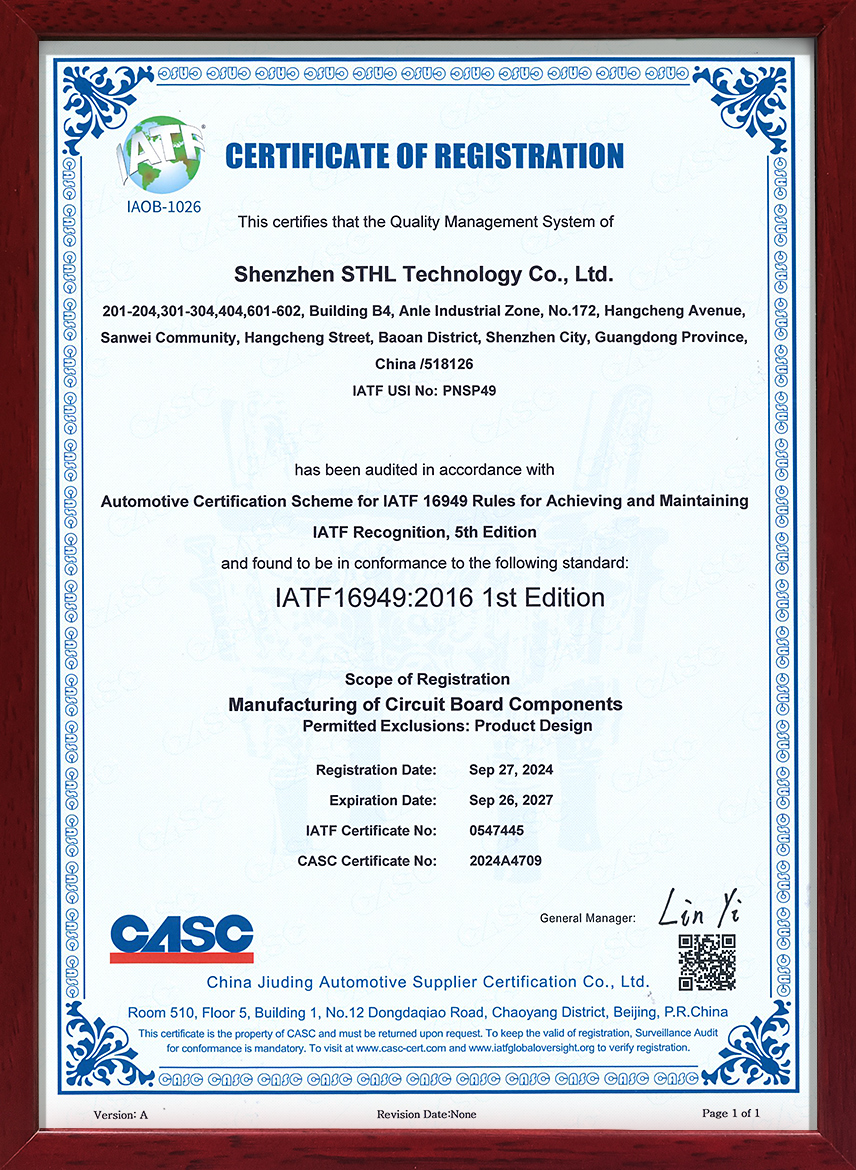
IATF 16949
Automotive Quality Management
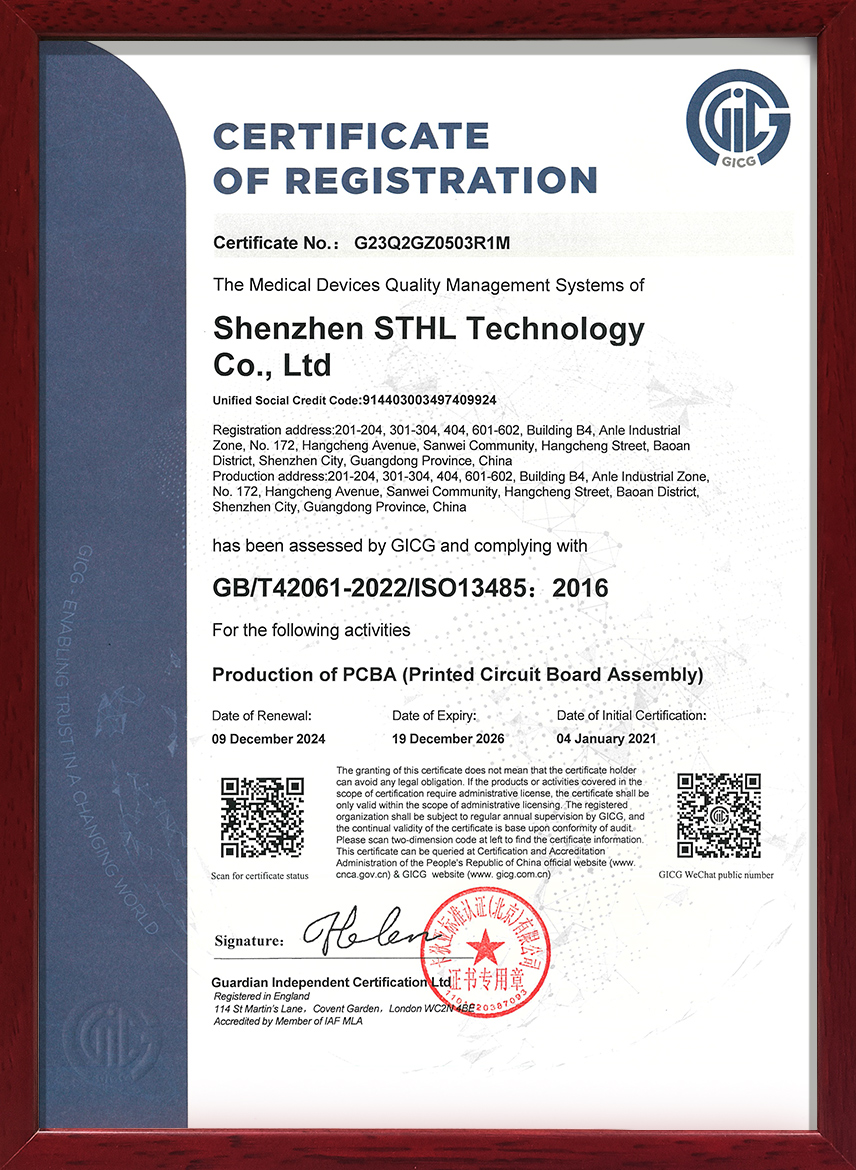
ISO 13485
Medical Devices Quality Management
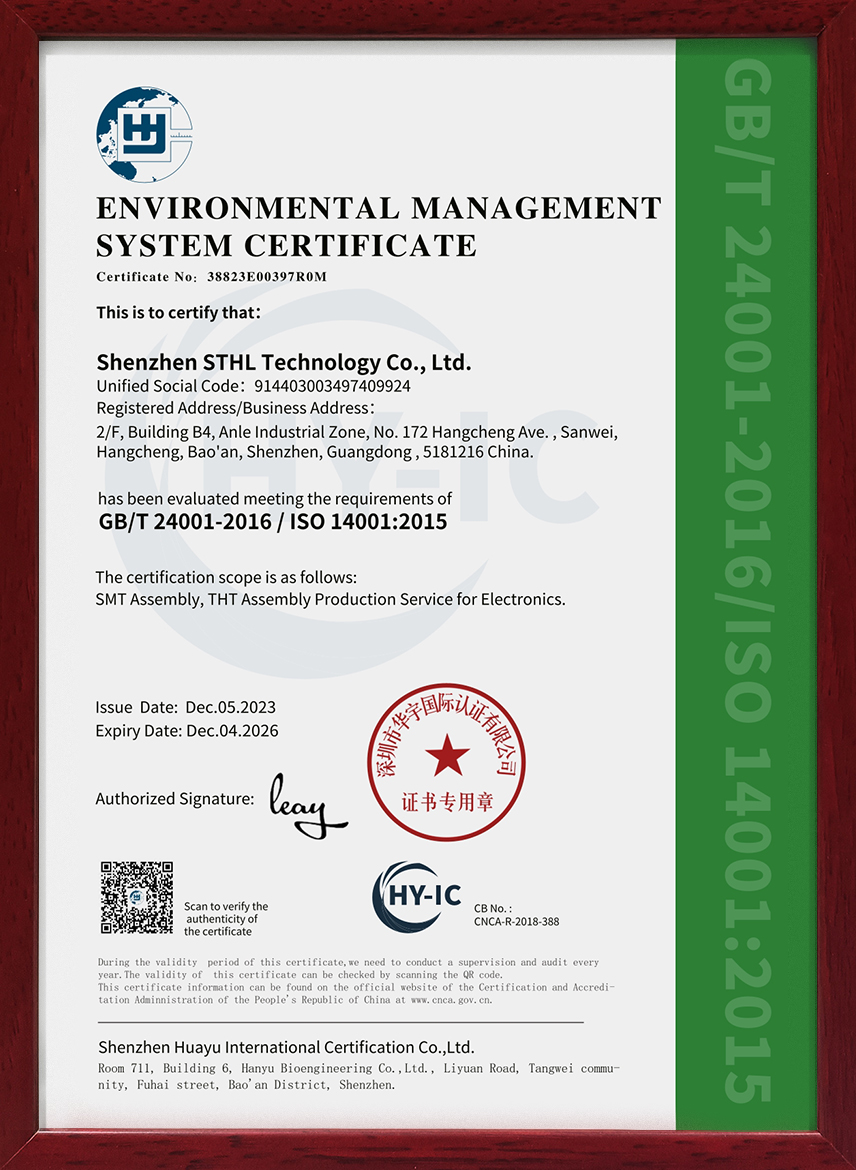
ISO 14001
Environmental Management System
Brands & Supply-Chain Partners
Long-term cooperation with global brands and established component distributors keeps your BOM genuine, traceable and available. The logo images below preserve the partner references from the original STHL page.































What Engineers & Buyers Say About STHL
Feedback from hardware engineers, designers and company owners across North America, Europe and beyond. These references are retained from the original STHL page to support trust and supplier evaluation.
“Excellent team to work with and fast delivery with high-quality boards. We are very happy to work with such a good supplier. Thanks again.”

“Please extend my thanks to your team for your hard work in preparing these samples. This positive experience has strengthened my confidence in your company, and I'm looking forward to discussing bulk orders in the near future.”

“We are satisfied with the last order. You did a great job on those boards and the lead time was short. I will place a new order soon.”

“The order was perfect — exactly as specified with top quality. Highly recommend this reliable supplier.”

“Exciting! Very fast delivery, a professional supplier and a professional product. We will place a new order very soon!”

“We have tested all the boards and I am highly pleased. I will repeat my order soon. Thank you again for your excellent service.”

“It's always a pleasure ordering. Very professional team and good quality — thanks for your great service.”

“Satisfied with the sample products delivered. Very good product, quick delivery and a good understanding of my requirements.”

“The supplier's professionalism is evident in their seamless communication, efficient processing and reliable service. They are a trustworthy and commendable partner.”

PCBA Insights & Factory News
Practical updates from our production floor — customer visits, traceability practices and what really drives PCBA lead time. The links below are kept from the original page and point to the catalog resource.



PCBA and FR4 Sourcing FAQs for Overseas Buyers
Straight answers to the questions procurement and engineering teams ask before choosing a PCB assembly manufacturer in China. The first six questions preserve the original STHL FAQ; the additional questions address high-intent FR4 selection topics.
What files do I need to submit for a PCBA project?
Send Gerber files, a BOM with manufacturer part numbers, the pick-and-place (centroid) file and assembly drawings. If you need IC programming or functional testing, include firmware and test procedures. Our engineers complete a DFM and BOM review before production starts.
Is there a minimum order quantity (MOQ)?
No. STHL accepts prototype, low-volume and high-volume PCB assembly orders, so you can validate a design and scale to mass production with the same supplier.
Can STHL source all the electronic components?
Yes. We offer full turnkey, partial turnkey and consigned assembly. Our sourcing team works with 100+ agents and suppliers covering more than 500,000 part numbers, with incoming inspection and traceability from reel to finished board.
Which quality certifications does STHL hold?
STHL is certified to IATF 16949, ISO 9001, ISO 14001 and ISO 13485, and produces RoHS-compliant assemblies. Boards are verified with AOI, X-ray, ICT and functional testing.
How do you protect our design files and IP?
We sign an NDA before RFQ, restrict project data to the assigned engineering team and track every build through our ERP and MES systems.
Can we audit or visit the factory?
Yes. Customers are welcome to visit our Shenzhen factory and R&D laboratory at any time, and a 360-degree virtual factory tour is available for remote evaluation.
How do I choose between standard FR4 and high-Tg FR4?
Start with the thermal and reliability environment, not with price. Standard FR4 is often adequate for room-temperature consumer and general industrial boards. High-Tg FR4 is usually specified when the assembly will experience higher soldering temperatures, thermal cycling, dense multilayer construction or automotive/medical reliability expectations. The right decision should be supported by stack-up review, thermal simulation, assembly process capability and test data.
What FR4 thickness, copper weight and surface finish should I specify?
Common thicknesses include 0.8 mm, 1.0 mm, 1.2 mm and 1.6 mm, but the correct value depends on mechanical constraints, connector height, layer count and thermal requirements. Copper weight should be selected from current-carrying and thermal needs, while surface finish depends on component pitch, storage conditions and reliability requirements. STHL can review your drawings and propose manufacturable options before quotation.
Can FR4 boards support HDI, impedance control and mixed assembly?
Yes. FR4 is widely used for impedance-controlled, fine-pitch, BGA and mixed SMT/THT assemblies. The key is to align the stack-up, fabrication capability and assembly process early. STHL supports HDI, fine-pitch, BGA, AOI, X-ray, ICT and functional testing within a controlled workflow.
How does STHL control FR4 quality from bare board to finished PCBA?
Quality control starts with material and supplier documentation, continues through incoming inspection, bare-board checks, solder-paste and placement control, AOI, X-ray, ICT and functional testing, and ends with ESD-safe packaging and shipment records. Every build is traceable through ERP and MES systems, and projects are controlled under IATF 16949, ISO 9001, ISO 14001 and ISO 13485 systems.
Planning Your Next FR4 PCB Assembly Build?
Get our capability catalog with PCB fabrication options, assembly processes, testing methods and industry case references — everything your team needs to qualify STHL as a supplier.


More FR4 PCB & PCBA Products from STHL Factories
Continue exploring application-specific FR4 PCB assembly programs. Each product link below is preserved from the original STHL product list and leads to the corresponding product page.