Custom Flex Circuit PCB Solutions & Factories
Engineering-led flexible, rigid-flex and high-mix PCBA manufacturing for global OEMs that need repeatable bend performance, traceable components and resilient China Factory 4.0 execution.
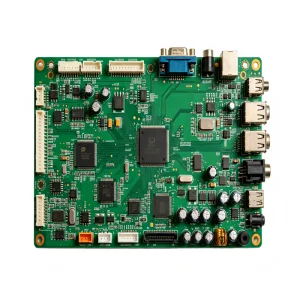
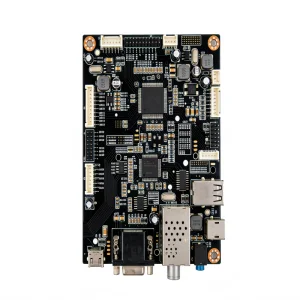
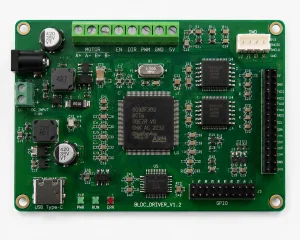
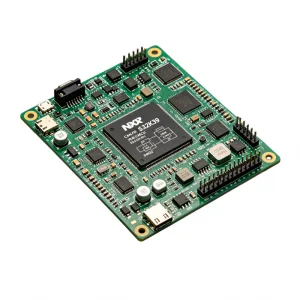
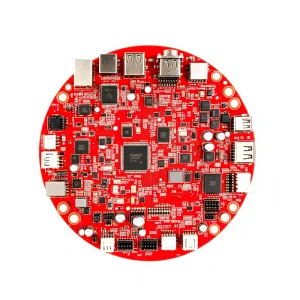
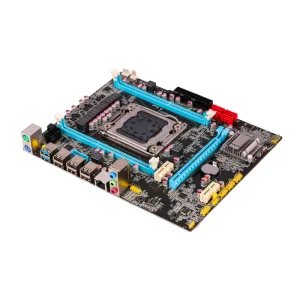
Custom Flex & Turnkey PCBA Product Programs
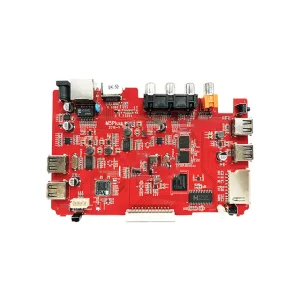
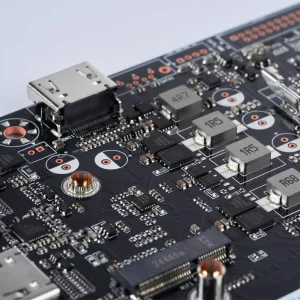
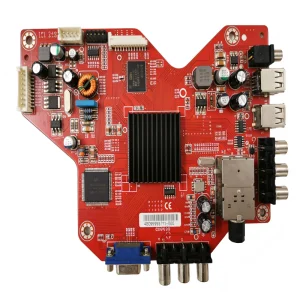
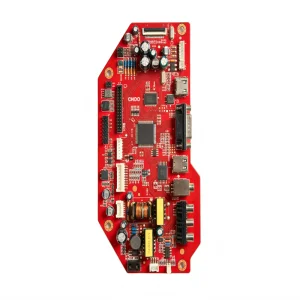
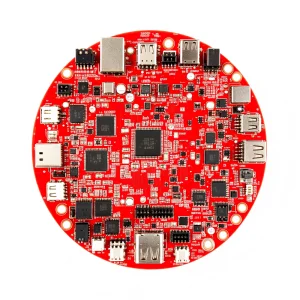
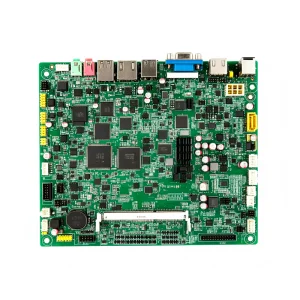
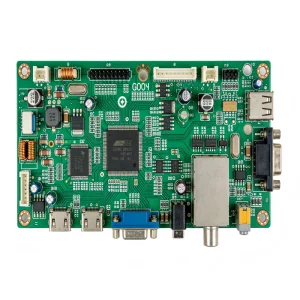
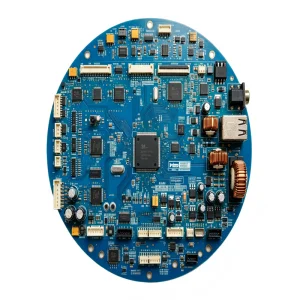
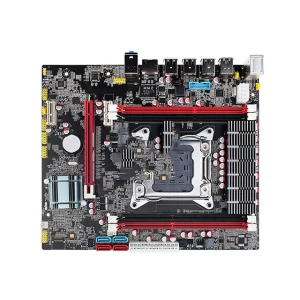
These production programs show how flex-circuit thinking, rigid board fabrication, component sourcing and functional testing come together inside one accountable manufacturing workflow.
Why Custom Flex Circuits Are Becoming a Strategic PCB Category
A flexible circuit is not simply a board that bends. It is a mechanical, electrical and manufacturing system that must survive assembly, shipment, installation and years of field use.
Custom flex circuit PCB solutions sit at the intersection of electrical design, mechanical packaging and manufacturing discipline. In wearables, medical monitors, automotive sensors and compact industrial controls, the flex circuit often replaces a bundle of wires, a connector pair or a rigid board that cannot fit into the available envelope. The result can be a lighter assembly, fewer solder joints, more predictable routing and a more elegant product architecture.
The challenge is that flexibility introduces process variables that a conventional rigid PCB does not have. Bend radius, copper grain direction, coverlay registration, stiffener placement, adhesive selection, surface finish, panel handling and assembly fixturing all influence yield. For global OEMs, the real procurement question is not “Can this circuit bend?” It is “Can the supplier repeat the same bend radius, layer registration, impedance, surface finish and assembly yield across prototype, pilot and volume production?” That is where E-E-A-T matters: experience, engineering depth, documented process control and factory traceability.
Shenzhen STHL Electronics has supported PCB fabrication and PCBA projects since 2006, serving OEMs in the USA, Germany, Italy, the UK, Poland, New Zealand, Brazil and 90+ other regions. Our work spans flexible boards, rigid boards, rigid-flex, HDI, aluminum, Rogers, ceramic, heavy-copper and high-Tg technologies, combined with SMT/THT assembly, component sourcing, testing and box build. This whitepaper view reflects the questions our engineers and sourcing team answer every week: how to reduce total landed cost, how to qualify a China factory intelligently, and how to balance speed with supply-chain resilience.
Edge AI & Sensor Fusion
More edge devices combine cameras, radar, biosensors and wireless modules in small enclosures. Flex and rigid-flex interconnects reduce connector count and allow sensing arrays to reach locations a rigid PCB cannot.
Miniaturization & HDI
Fine-pitch components, laser vias and thin dielectrics continue to push density. Buyers increasingly ask for rigid-flex stacks that combine a stable rigid area for BGA devices with a thin flexible tail for display, antenna or battery connections.
Supply-Chain Resilience
Global procurement teams now qualify suppliers for more than unit price. They look at component availability, alternates, NPI responsiveness, MES traceability and the ability to shift from prototype to repeat production without changing the process window.
STHL Manufacturing Footprint at a Glance
For procurement and quality teams, capacity must be visible. These figures describe the production, engineering and sourcing base behind STHL PCBA programs.
Quality systems: IATF 16949, ISO 9001, ISO 14001 and ISO 13485. RoHS-compliant assemblies are verified with AOI, X-ray, ICT and functional testing.
What Is a Custom Flex Circuit PCB?
Custom flex circuits are built from flexible dielectric materials, usually polyimide, with patterned copper traces and protective coverlay. The construction is engineered around movement, space and assembly constraints.
Single-Sided Flex
One copper layer with a simple coverlay. Well suited to static bend applications where cost control and repeatable routing matter more than high layer count.
Double-Sided Flex
Two conductive layers increase routing capacity and support denser component placement, shielding options and more complex interconnection between subsystems.
Multilayer Flex
Three or more layers support controlled impedance, higher I/O density and advanced medical, communication and instrumentation designs where space is fixed.
Rigid-Flex
Rigid sections carry BGAs and connectors while flexible tails replace cables and connectors. This architecture is common in medical wearables, cameras and compact industrial modules.
At the quotation stage, a useful RFQ should include more than Gerber data. It should describe the bend type, dynamic or static flex, minimum bend radius, flex cycles, copper thickness, coverlay material, stiffener requirements, impedance targets, assembly side, test method and expected annual volume. These details allow DFM engineers to flag stress concentrations, neutral-axis issues, coverlay openings, panelization limits and assembly fixtures before material is purchased. For high-reliability programs, flex PCB assembly should also consider conformal coating, strain relief, shielding and handling trays.
Global Procurement Requirements for Flex & Rigid-Flex PCBA
Overseas buyers are not only comparing piece price. They are managing landed cost, compliance, engineering response, component risk and the probability that the same design will build cleanly in repeat production.
Total Landed Cost
Price must include scrap, rework, freight, duties, inventory, testing and the engineering hours consumed by unclear documentation. A low unit price with weak DFM support is rarely the lowest total cost.
Traceability & IP Control
NDA before RFQ, restricted data access, ERP/MES lot tracking and reel-to-board component traceability protect design IP and make recalls or quality investigations practical.
Component Availability
Full turnkey, partial turnkey and consigned assembly give buyers flexibility. Alternate-part suggestions, moisture-sensitive device control and incoming inspection reduce line-down risk.
Compliance Fit
Medical programs need ISO 13485 thinking; automotive programs need IATF 16949 discipline; industrial and consumer programs need consistent RoHS controls and documented inspection.
In North America and Europe, procurement teams often dual-source critical boards while keeping NPI with one engineering-focused supplier. In Japan, Germany and Italy, documentation quality and change control can be as important as lead time. In Brazil, Poland, the UK and the USA, buyers value a China PCBA factory that can communicate in English, provide a fast DFM response and ship ESD-safe packages with consistent labels. STHL supports these expectations with a 10,000 m² facility, 50+ engineers and a sourcing network covering more than 500,000 part numbers through 100+ agents and suppliers.
Supply-Chain Resilience and Efficiency Advantages
China manufacturing has moved far beyond manual assembly. For flex and PCBA programs, the advantage is a dense component ecosystem, automated SMT, engineering depth and process data that can be audited.
Automated SMT & AOI
Seven SMT lines, two DIP/THT lines and in-line inspection support high-mix prototypes and repeat volume without changing the quality system.
ERP & MES Visibility
Real-time production status, lot traceability and documented test results let global teams audit progress without relying on informal email updates.
NPI & DFM Speed
Engineering review before material purchase shortens the loop between prototype feedback and production release. This is especially valuable for flex circuits with mechanical uncertainty.
Box Build Integration
Cable assembly, conformal coating, IC programming, functional testing and final box build under one roof reduce hand-offs, packaging waste and coordination risk.
Resilience does not mean avoiding China. It means using a supplier that can document process control, offer alternate sourcing and keep engineering communication tight. Shenzhen’s component ecosystem is a practical advantage: when a BOM includes an obsolete or long-lead part, the sourcing team can propose alternates, verify second sources and coordinate incoming inspection before SMT starts. For buyers in the USA, Germany, Italy, the UK, Poland, New Zealand and Brazil, this combination of speed, traceability and engineering support is often more valuable than a headline price alone.
Flex PCB Assembly for Demanding Industries
Different markets ask different questions. Medical buyers ask about ISO 13485 and traceability; automotive buyers ask about IATF 16949 and vibration; industrial buyers ask about coating, thermal cycling and long service life.
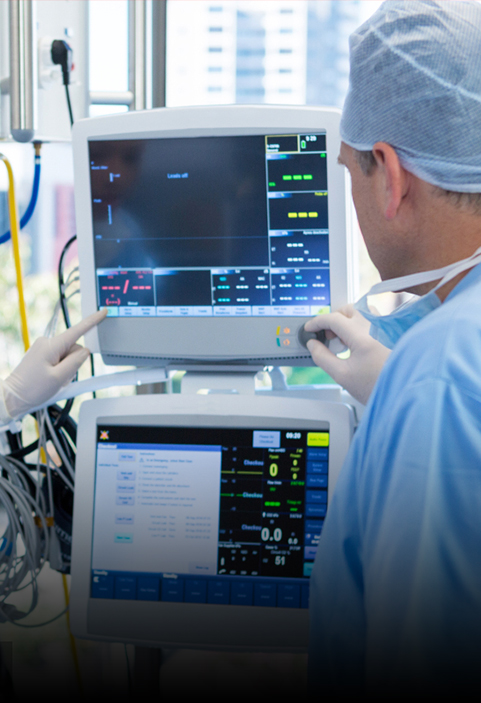
Medical & Healthcare
ISO 13485-controlled assembly for monitoring, diagnostic and wearable devices with full lot traceability.

Automotive Electronics
IATF 16949 processes for control modules, lighting and charging electronics that must survive heat and vibration.
Computer & Storage
High-density, BGA-rich boards for computing, storage and peripherals, verified by X-ray inspection.
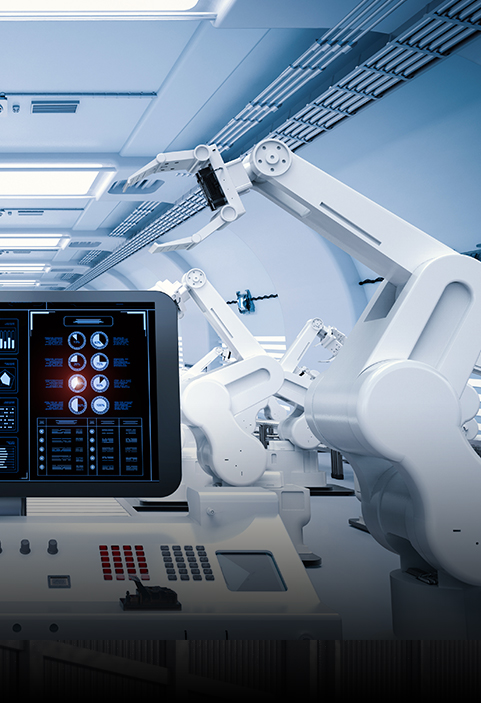
Industrial Control
Robust PCBAs for PLCs, motor drives and automation equipment, with conformal coating options.
Localized application scenarios matter because flex circuits are often designed into the mechanical envelope of a product. A medical wearable in California may prioritize skin-contact comfort, repeated bending and low outgassing. A German automotive sensor module may prioritize temperature cycling, vibration and PPAP discipline. An Italian industrial automation controller may require conformal coating and long-term availability. A communications product in the UK or Poland may need controlled impedance and EMI management. STHL combines the fabrication, assembly and test processes needed to support these different risk profiles under one quality system.
End-to-End PCBA Manufacturing Services
For 20 years, STHL has combined component procurement, PCB fabrication, SMT and THT assembly and functional testing into one controlled workflow — so you deal with one accountable supplier from first article to repeat production.

Electronic Components Procurement
Full or partial turnkey sourcing through 100+ agents and suppliers, with BOM scrubbing, alternate-part suggestions and reel-level traceability.
Learn more
PCB Fabrication
Standard, prototype, aluminum, flexible, rigid-flex, HDI, Rogers, ceramic, heavy-copper, high-Tg and halogen-free boards built to your stack-up.
Learn more
SMT & THT PCB Assembly
Prototype, low-volume and high-volume assembly including fine-pitch, BGA and mixed-technology boards, verified by AOI and X-ray.
Learn more
Value-Added Services
PCB layout and design, IC programming, ICT and functional testing, conformal coating, cable and wire harness, and complete box build assembly.
Learn moreFrom Gerber Files to Global Shipment in 6 Controlled Steps
Knowing what happens after you place a purchase order removes surprises. This is how every STHL PCBA project moves through our factory.
DFM & BOM Review
Engineers check Gerber, BOM and centroid data for manufacturability, footprint errors and end-of-life parts before any material is ordered.
Component Sourcing
Parts are purchased through 100+ agents and suppliers, then pass incoming inspection and moisture-sensitive device control.
PCB Fabrication
Bare boards are produced to your stack-up, surface finish and impedance requirements, from single-layer to HDI and rigid-flex.
SMT & THT Assembly
7 SMT lines and 2 DIP/THT lines handle fine-pitch, BGA and mixed-technology boards for prototypes and mass production.
Inspection & Testing
AOI, X-ray, ICT and functional tests, plus IC programming and conformal coating, with results logged in our MES.
Box Build & Delivery
Cable assembly, enclosure integration and ESD-safe packaging, shipped to customers in 90+ countries and regions.
Why Global OEMs Choose STHL for PCB Assembly
Measurable capacity, documented quality systems and engineering support that reduces your total cost — not just the unit price.

Dust-Free Smart Factory
10,000+ m² highly automated production space.

20 Years of Experience
Proven know-how across PCB and PCBA since 2006.

Global Sourcing
500k+ parts via 100+ agents and suppliers.

Fully Certified
IATF 16949, ISO 9001, ISO 14001, ISO 13485.

ERP & MES Tracking
Real-time production status and lot traceability.

Cost-Down Engineering
DFM and BOM optimisation by our engineering team.

No MOQ
Prototype and large-quantity orders both welcome.

NDA Before RFQ
Your design data and IP are protected from day one.

Fast Delivery
99.5% on-time delivery across global shipments.
Certified Quality Management Systems
Independent third-party audits confirm that our processes meet the requirements of automotive, medical and industrial customers. Click any certificate to view it in full size.

ISO 9001
Quality Management System

IATF 16949
Automotive Quality Management

ISO 13485
Medical Devices Quality Management

ISO 14001
Environmental Management System





Your Turnkey PCBA & ODM Partner in Shenzhen Since 2006

Shenzhen STHL Electronics Co., Ltd. is a certified electronics manufacturing services (EMS) and ODM provider. We help hardware teams in the USA, Germany, Italy, the UK, Poland, New Zealand, Brazil and 90+ other regions move from schematic to shipped product — PCB layout, component sourcing, PCB fabrication, SMT/THT assembly, cable assembly, box build and full testing in one factory.
Our 220+ staff, including 50+ engineers, run a 10,000 m² facility with an in-house R&D laboratory for design verification and prototype testing. Every build is RoHS-compliant and controlled under IATF 16949, ISO 9001, ISO 14001 and ISO 13485 systems. Factory visits and audits are welcome at any time.
- 7 SMT assembly lines
- 2 DIP / THT lines
- 2 functional test lines
- 2 box build lines
- In-house R&D laboratory
- AOI · X-Ray · ICT · FCT
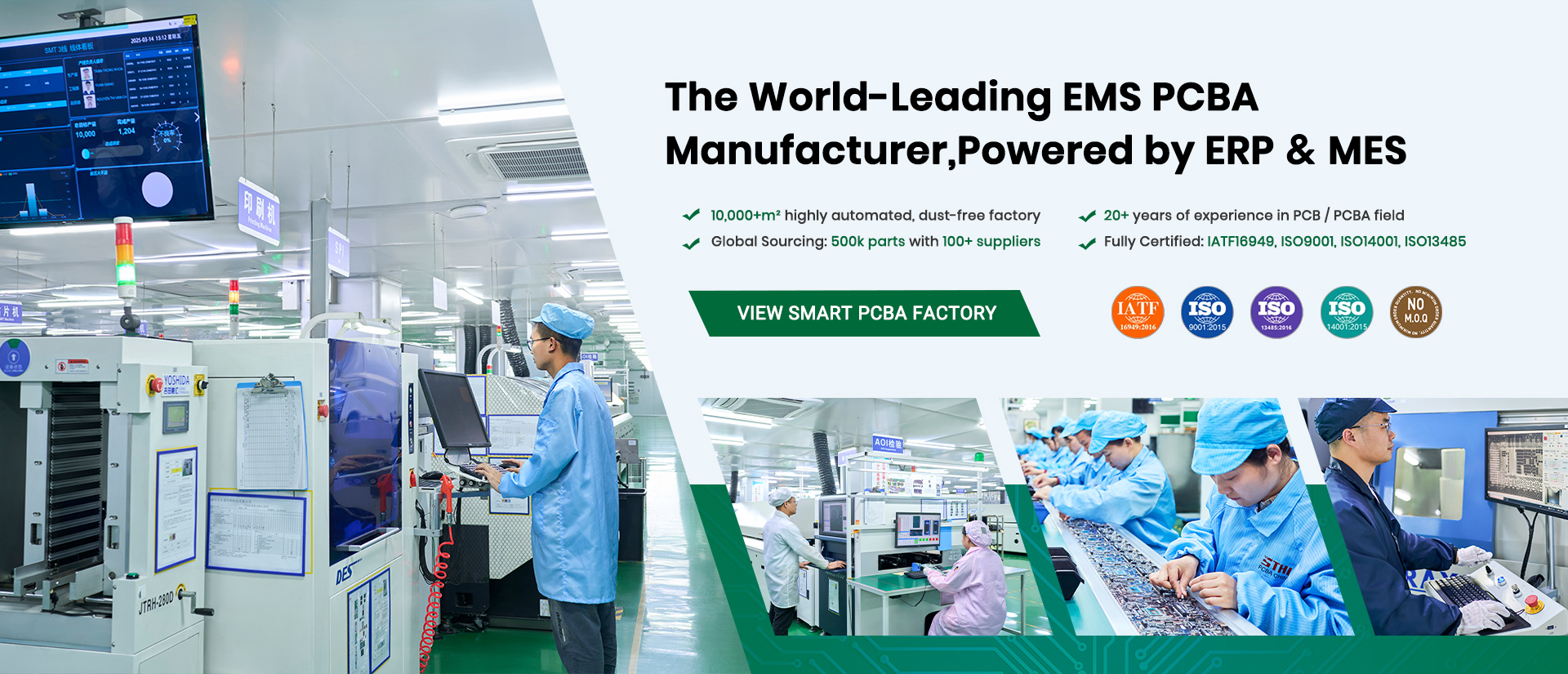
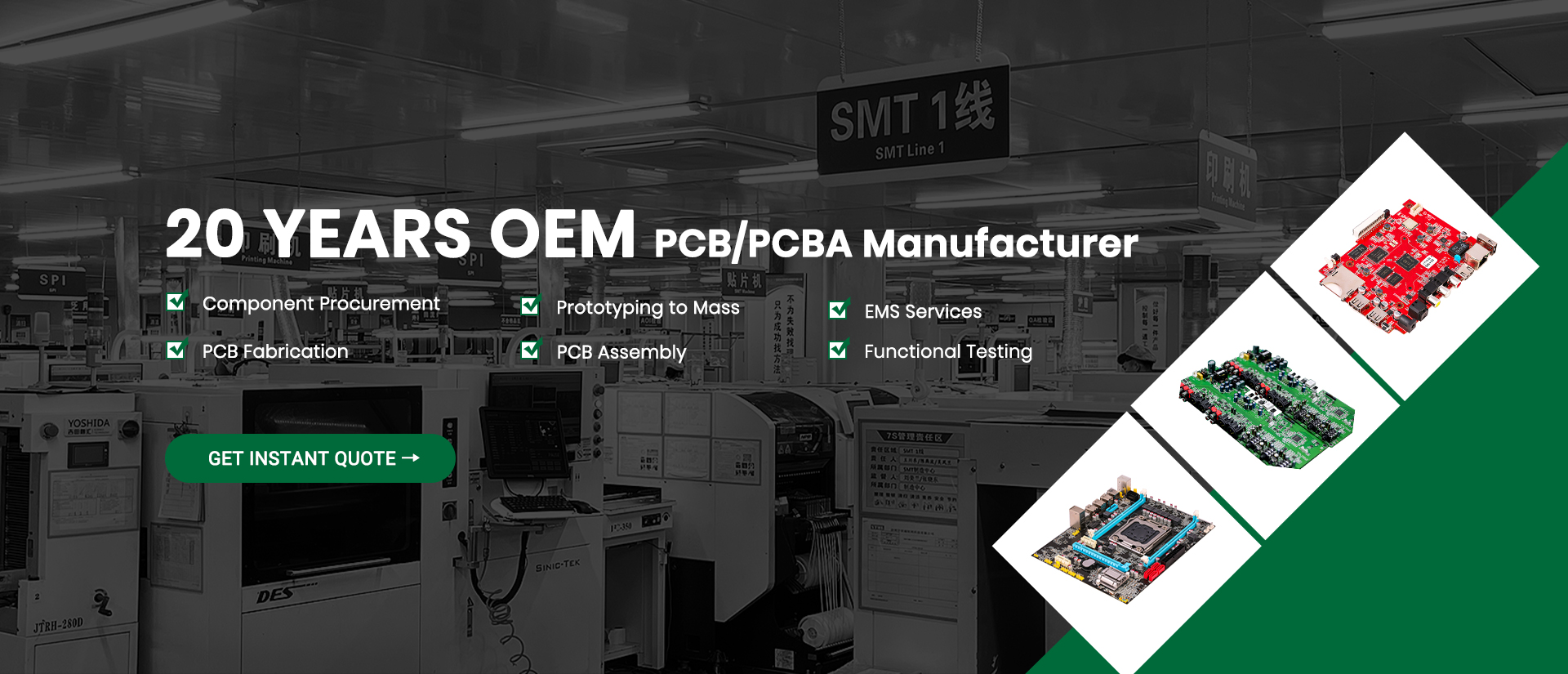
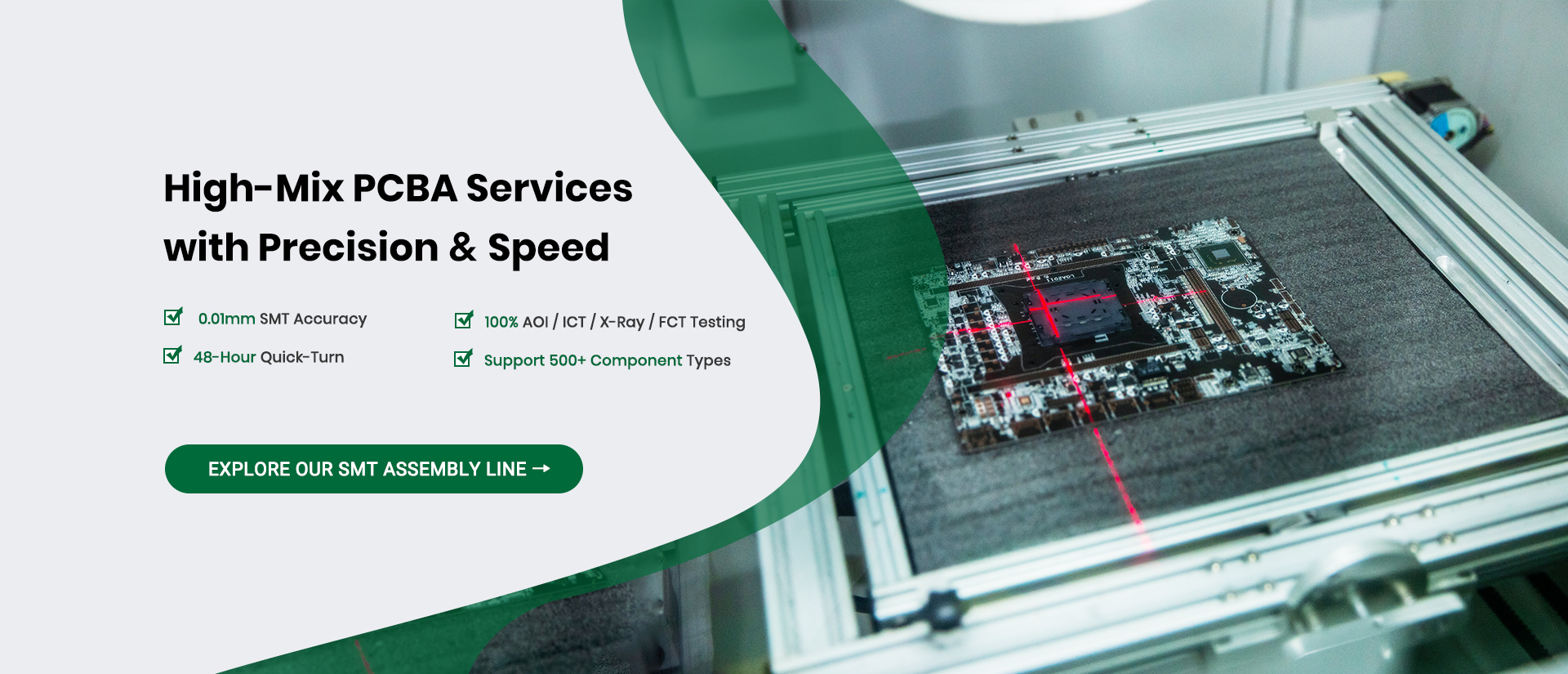
High-Mix Manufacturing, Inspection and Assembly
From automated SMT to flex PCB handling and final box build, the production environment is designed to support prototypes, low-volume builds and repeat volume programs.

Brands & Supply-Chain Partners We Work With
Long-term cooperation with global brands and established component distributors keeps your BOM genuine, traceable and available.
Brand Customers



















Component Sourcing Channels












What Engineers & Buyers Say About STHL
Feedback from hardware engineers, designers and company owners across North America, Europe and beyond.
“Excellent team to work with and fast delivery with high-quality boards. We are very happy to work with such a good supplier. Thanks again.”

“Please extend my thanks to your team for your hard work in preparing these samples. This positive experience has strengthened my confidence in your company, and I'm looking forward to discussing bulk orders in the near future.”

“We are satisfied with the last order. You did a great job on those boards and the lead time was short. I will place a new order soon.”

“The order was perfect — exactly as specified with top quality. Highly recommend this reliable supplier.”

“Exciting! Very fast delivery, a professional supplier and a professional product. We will place a new order very soon!”

“We have tested all the boards and I am highly pleased. I will repeat my order soon. Thank you again for your excellent service.”

“It's always a pleasure ordering. Very professional team and good quality — thanks for your great service.”

“Satisfied with the sample products delivered. Very good product, quick delivery and a good understanding of my requirements.”

“The supplier's professionalism is evident in their seamless communication, efficient processing and reliable service. They are a trustworthy and commendable partner.”

PCBA Insights & Factory News
Practical updates from our production floor — customer visits, traceability practices and what really drives PCBA lead time.




PCBA Sourcing FAQs for Overseas Buyers
Straight answers to the questions procurement and engineering teams ask before choosing a PCB assembly manufacturer in China.
What files do I need to submit for a PCBA project?
Send Gerber files, a BOM with manufacturer part numbers, the pick-and-place (centroid) file and assembly drawings. If you need IC programming or functional testing, include firmware and test procedures. Our engineers complete a DFM and BOM review before production starts.
Is there a minimum order quantity (MOQ)?
No. STHL accepts prototype, low-volume and high-volume PCB assembly orders, so you can validate a design and scale to mass production with the same supplier.
Can STHL source all the electronic components?
Yes. We offer full turnkey, partial turnkey and consigned assembly. Our sourcing team works with 100+ agents and suppliers covering more than 500,000 part numbers, with incoming inspection and traceability from reel to finished board.
Which quality certifications does STHL hold?
STHL is certified to IATF 16949, ISO 9001, ISO 14001 and ISO 13485, and produces RoHS-compliant assemblies. Boards are verified with AOI, X-ray, ICT and functional testing.
How do you protect our design files and IP?
We sign an NDA before RFQ, restrict project data to the assigned engineering team and track every build through our ERP and MES systems.
Can we audit or visit the factory?
Yes. Customers are welcome to visit our Shenzhen factory and R&D laboratory at any time, and a 360-degree virtual factory tour is available for remote evaluation.
How do I choose between flex, rigid-flex and rigid PCB?
Start with the mechanical envelope and movement. If the board must bend or fit through a narrow opening, consider flex or rigid-flex. If the board is fixed and the main goal is density or cost, a rigid PCB may be better. A rigid-flex design can reduce connectors and cable assemblies, but it requires careful stack-up and assembly planning. Share your 3D envelope, bend location and assembly constraints for a DFM review.
What bend radius and flex cycle requirements should be in the RFQ?
State whether the flex is static or dynamic, the minimum bend radius, the number of flex cycles, the copper thickness, the coverlay type and any stiffener requirements. If the product will be bent during installation or repeatedly in use, say so clearly. These details influence copper grain direction, trace routing, layer count and panel handling.
How are flex circuits tested after assembly?
Depending on the program, inspection can include AOI, X-ray, impedance verification, ICT, functional testing, visual inspection of bend areas and fixture-based flex verification. Test procedures and accept/reject criteria should be agreed before production. STHL logs inspection and test results through our MES for traceability.
What is the typical lead time for custom flex PCB assembly?
Lead time depends on the stack-up, bare-board fabrication, component lead time, assembly complexity and test requirements. Prototype and low-volume orders can often move faster than volume production, but long-lead components and custom tooling may extend the schedule. The fastest way to get a reliable answer is to send Gerber, BOM, centroid and mechanical requirements for a DFM and lead-time review.
Custom PCBA Solutions & Factory-Ready Programs
Explore additional production programs spanning power, medical, networking, display, metering and energy-control applications.
Planning Your Next Flex or Rigid-Flex PCBA Build?
Get our capability catalog with PCB fabrication options, assembly processes, testing methods and industry case references — everything your team needs to qualify STHL as a supplier.
