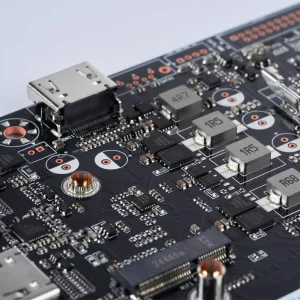
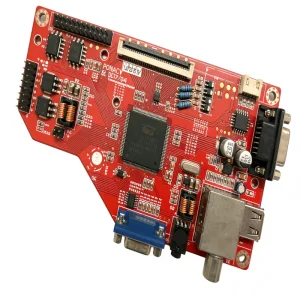
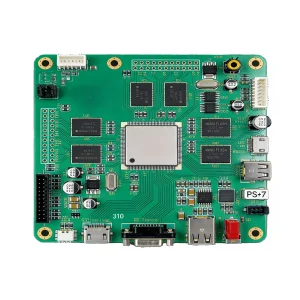
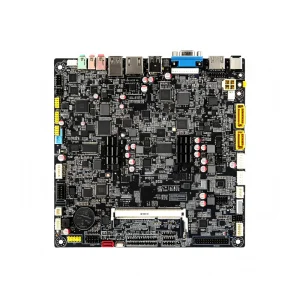
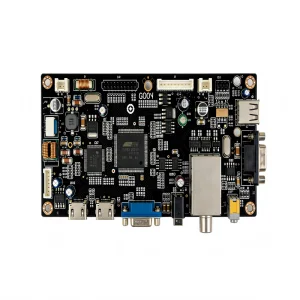
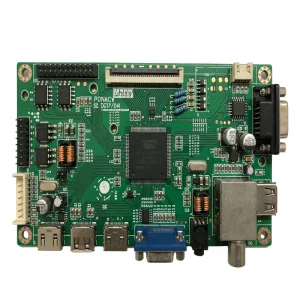
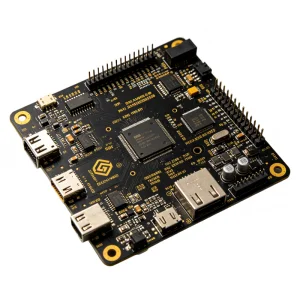
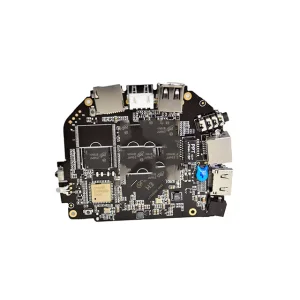
High-Reliability PCBA Projects for Global OEM Programs
From battery management and energy storage to medical video, security inspection, flight control, solar power and smart IoT, these programs show how ceramic-compatible substrates, rigorous DFM and traceable assembly are applied in real products.
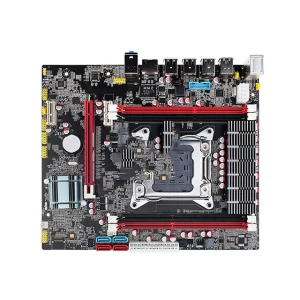
High-Reliability Battery Management System (BMS) PCB Assembly--STHL Factory, Solutions
View Solution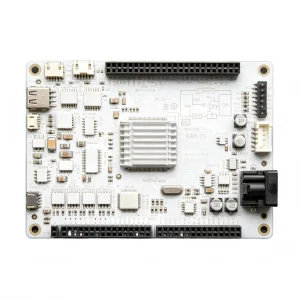
High Quality Operating Room Video Monitoring System PCB Assembly--STHL Company, Service
View Solution
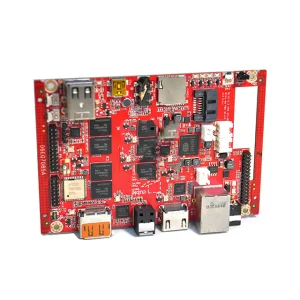
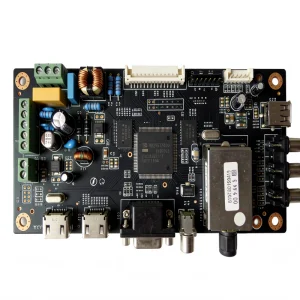
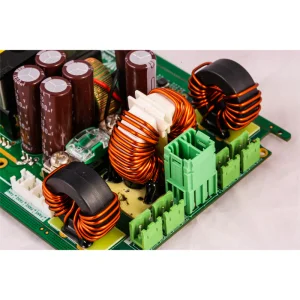
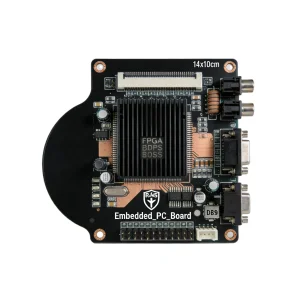
High-Mix PCBA Services with Precision & Speed
Turnkey PCB assembly from prototype to volume, built in Shenzhen for OEMs in 90+ regions. From Gerber to box build, one factory. Reliable boards for critical electronics, with AOI, X-ray, ICT and functional testing backed by MES traceability.
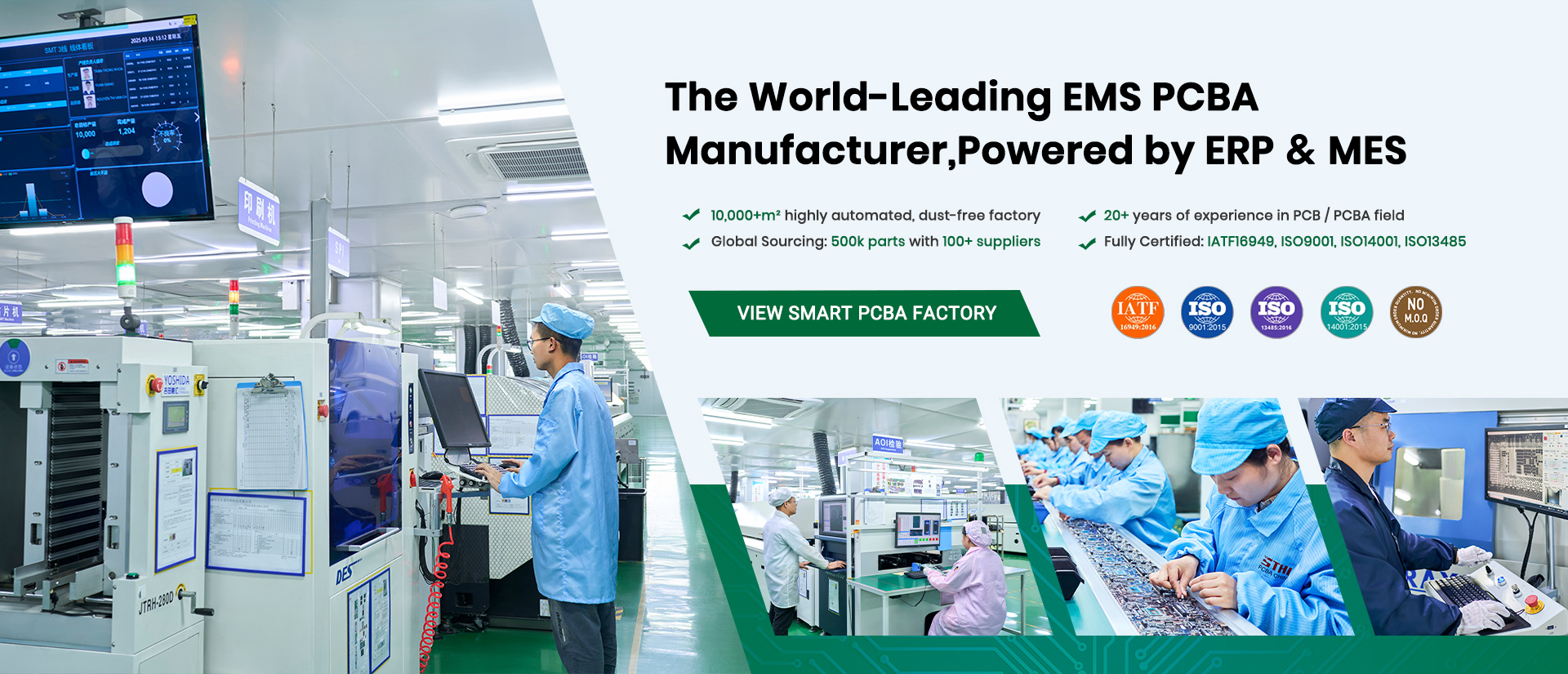
High-Mix PCBA Services with Precision & Speed
Turnkey PCB assembly from prototype to volume, built in Shenzhen for OEMs in 90+ regions.
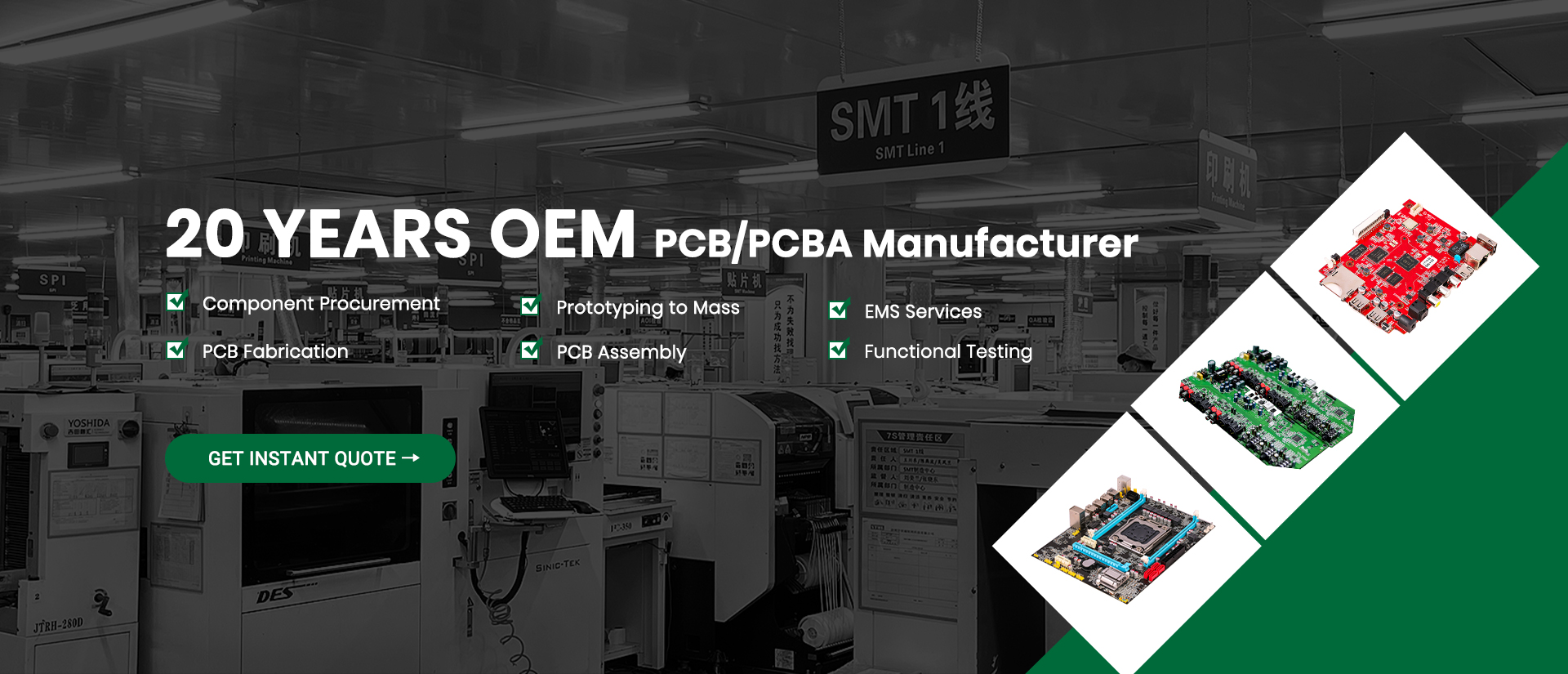
From Gerber to Box Build, One Factory
PCB fabrication, component sourcing, SMT/THT assembly, testing and final assembly under one roof.
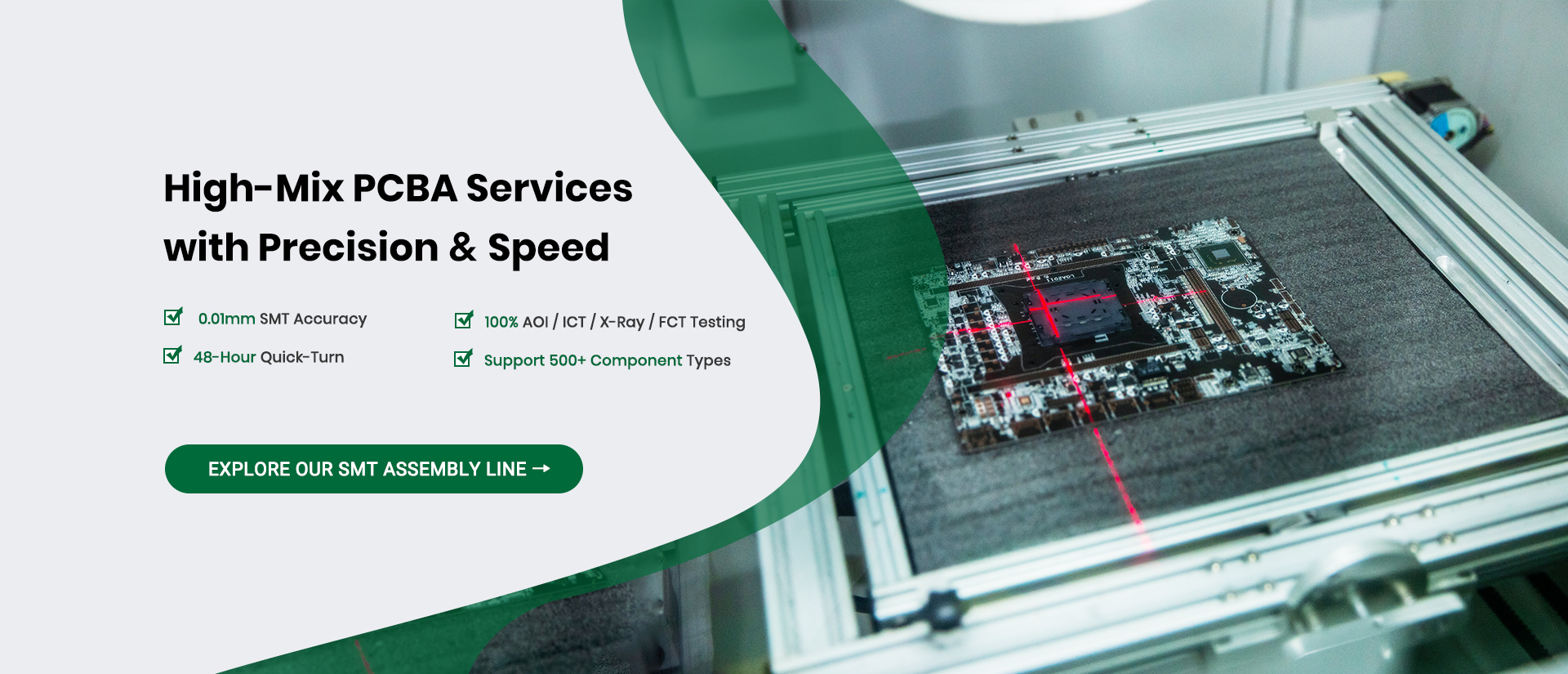
Reliable Boards for Critical Electronics
AOI, X-ray, ICT and functional testing with MES traceability on every build.

Certified Quality & environmental systems
Why Custom Ceramic Circuit Boards Are Becoming a Strategic Sourcing Category
A ceramic circuit board is not simply a PCB with a different substrate. It is a thermal, electrical, mechanical and supply-chain decision. For power electronics, high-brightness LED modules, RF front ends, medical imaging, aerospace controls, laser drivers and high-voltage industrial equipment, the substrate often determines whether the product can meet its reliability target at all.
Ceramic substrates such as alumina (Al2O3), aluminum nitride (AlN), silicon nitride (Si3N4), LTCC and HTCC are selected because they combine high thermal conductivity, low coefficient of thermal expansion (CTE), excellent dielectric strength and dimensional stability under heat. In an EV traction inverter, an 800 V DC-DC converter, a solar string inverter or a high-power LED engine, the PCB is no longer a passive carrier. It is part of the thermal path and part of the isolation system.
For global procurement teams, the real question is not “can a factory make a ceramic PCB?” The better question is “can this supplier demonstrate material traceability, copper-bonding quality, laser-drilling capability, surface-finish control, cleanliness, thermal-cycling validation and volume repeatability?” That is why the ceramic PCB supply base is consolidating around factories that can combine substrate fabrication, metallization, SMT/THT assembly, testing and documentation under one quality system.
This is also where China’s manufacturing ecosystem has changed. Shenzhen and the wider Pearl River Delta now offer deep access to AlN and Al2O3 substrate suppliers, DBC/AMB copper-bonding specialists, laser processing, precision metallization, ICs, connectors, thermal interface materials and advanced SMT capacity. A well-managed China program can compress engineering iterations, reduce total landed cost and give overseas OEMs a realistic path from prototype to qualified volume production.
What a Qualified Ceramic PCB Program Should Prove
Material grade, copper thickness, dielectric performance, thermal resistance, CTE match, solder-mask compatibility, assembly yield and failure analysis must be documented before a regulated OEM releases volume.
Choosing the Right Ceramic Material Is a System-Level Decision
There is no universal ceramic substrate. The best choice depends on thermal flux, voltage isolation, CTE mismatch, weight, RF loss, process compatibility and cost. A sourcing decision made only on unit price can create hidden costs in yield, field returns and qualification delays.
Alumina (Al2O3)
Cost-effective, mechanically robust and widely used in LED modules, power supplies, sensors and high-voltage isolation. Good balance of dielectric strength and thermal performance for mainstream programs.
Aluminum Nitride (AlN)
Selected for high-power density, fast switching, laser drivers, IGBT/SiC modules and thermal-sensitive electronics where heat removal is the primary constraint.
Silicon Nitride (Si3N4)
Known for toughness, thermal cycling reliability and mechanical strength in severe environments, especially where vibration, thermal shock and long service life intersect.
LTCC / HTCC & High-Frequency Ceramics
Multi-layer ceramic platforms support RF modules, antennas, sensors and high-density packaging where controlled dielectric properties and hermeticity matter.
The industry trend is clear: electrification, wide-bandgap semiconductors, 5G/6G RF, advanced driver assistance, renewable energy and minimally invasive medical devices are pushing thermal and reliability limits beyond what standard FR-4 can comfortably deliver. At the same time, procurement teams are under pressure to reduce supply risk, verify environmental compliance and secure second-source options. Ceramic PCB providers are therefore being evaluated less like commodity board shops and more like engineering partners with documented process capability.
For buyers, this shift changes the RFQ. A strong ceramic PCB quotation should clarify substrate grade, thickness, copper weight, metallization method, surface finish, CTE, thermal conductivity, dielectric strength, panelization, assembly constraints and test coverage. A low quotation that omits these details is not comparable to a properly engineered offer.
Why Global OEMs Source Ceramic Circuit Boards and PCBA from China
China’s advantage is no longer only labor cost. It is the density of process expertise, supplier depth, fast tooling, engineering responsiveness and the ability to scale from a 5-piece prototype to a repeat production order without changing the quality system.
Deep Process Ecosystem
Ceramic substrate fabrication, DBC/AMB bonding, laser drilling, metallization, SMT, underfill, conformal coating, wire bonding, testing and box build are available within a tightly connected regional supply chain.
Faster NPI Cycles
Engineering reviews, material sourcing, first-article builds and design iterations can run in parallel. For prototype and low-volume programs, this responsiveness often matters more than a marginal unit-price difference.
Mature Quality Systems
IATF 16949, ISO 9001, ISO 14001 and ISO 13485 systems are well established among qualified EMS providers, with AOI, X-ray, ICT, FCT and MES traceability available for controlled programs.
Component Sourcing Depth
More than 500,000 part numbers can be reached through distributor and agent networks, with BOM scrubbing, alternate-part recommendations and incoming inspection to reduce line-down risk.
Scalable Cost Structure
China factories support prototype, low-volume and high-volume production in one workflow. That continuity reduces re-qualification cost when a product moves from pilot build to mass production.
IP Protection & NDA Discipline
Experienced exporters routinely sign an NDA before RFQ, restrict design data to assigned engineers and track builds through ERP/MES controls. Factory audits and virtual tours are normal parts of supplier qualification.
Global Procurement Requirements for Ceramic PCB Programs
Multinational buyers typically require more than a sample. They need a supplier dossier that supports design review, risk assessment and regulatory release. This is where a China-based EMS partner with export experience can add real value: the factory must communicate in English, maintain revision control, provide first-article documentation, support PPAP or equivalent qualification packages and align with the customer’s change-notification process.
- ✓Gerber, BOM, pick-and-place and assembly drawing review
- ✓DFM and BOM feedback before material commitment
- ✓RoHS, REACH and material declarations where required
- ✓Lot traceability from incoming reel to finished board
- ✓NDA before RFQ and controlled project-data access
- ✓Factory audit, virtual tour and quality-system evidence
From EV and Energy Storage to Medical Imaging and Aerospace
Ceramic circuit boards and high-reliability PCBA are not confined to one market. The same thermal and isolation advantages appear in electric vehicles, renewable energy, industrial automation, security screening, medical video, communications, smart buildings and consumer devices. The difference is the documentation, testing and process discipline required by each industry.
Medical & Healthcare
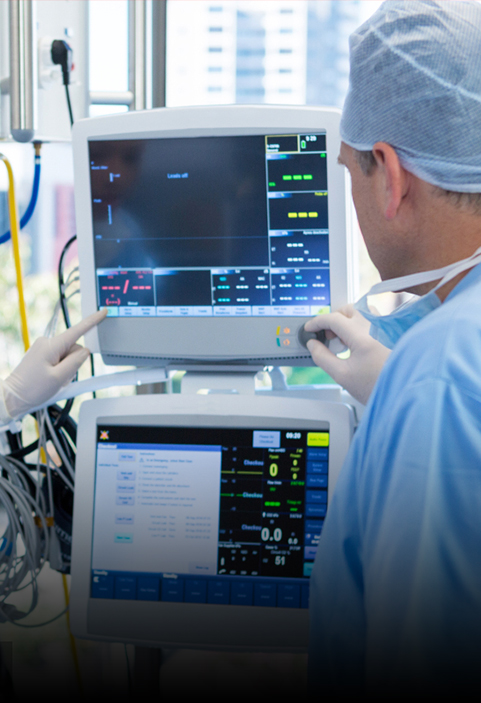
ISO 13485-controlled assembly for monitoring, diagnostic and wearable devices with full lot traceability. Localized scenarios include operating room video monitoring, patient monitoring, diagnostic imaging and portable medical electronics.
Automotive Electronics
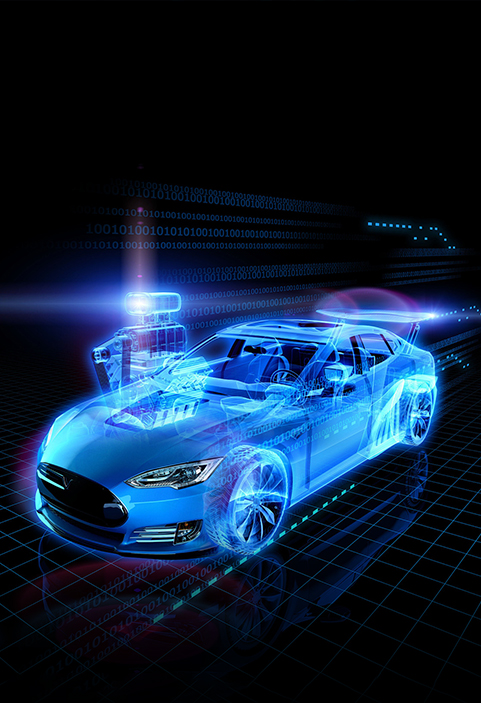
IATF 16949 processes for control modules, lighting and charging electronics that must survive heat and vibration. EV BMS, traction control, LED lighting, ESP and thermal-management modules are typical programs.
Computer & Storage
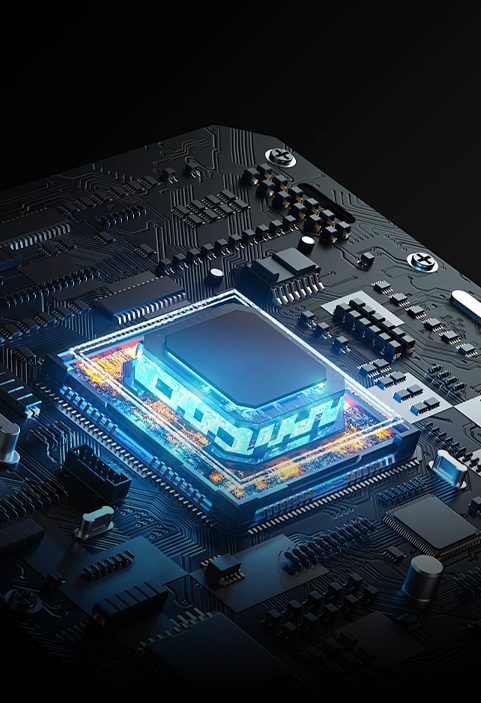
High-density, BGA-rich boards for computing, storage and peripherals, verified by X-ray inspection. Tablet platforms, edge devices and communication modules can be assembled under one turnkey workflow.
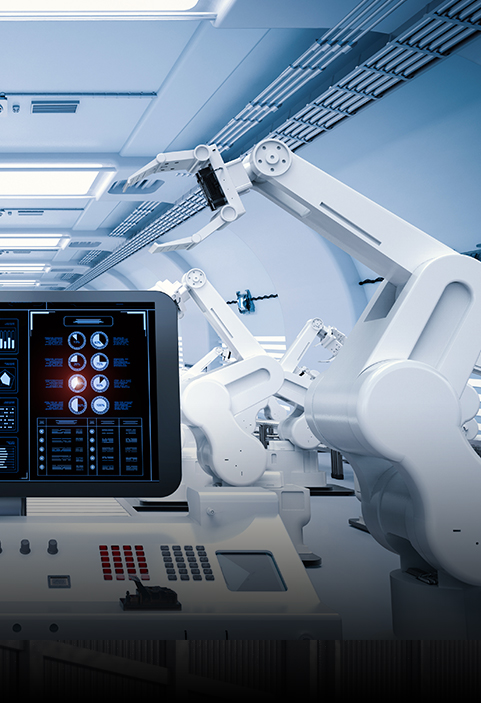
Industrial Control
Robust PCBAs for PLCs, motor drives and automation equipment, with conformal coating options. Ceramic substrates support high-voltage isolation, thermal management and long service life.
Macro-level solutions can be grouped into five procurement archetypes: power-dense systems that need thermal management; regulated systems that need medical or automotive documentation; RF and communication systems that need dielectric control; harsh-environment systems that need thermal-cycling and vibration reliability; and fast-iteration IoT systems that need low-MOQ prototypes and a reliable path to volume.
Your Turnkey PCBA & ODM Partner in Shenzhen Since 2006
Shenzhen STHL Electronics Co., Ltd. is a certified electronics manufacturing services (EMS) and ODM provider. We help hardware teams in the USA, Germany, Italy, the UK, Poland, New Zealand, Brazil and 90+ other regions move from schematic to shipped product — PCB layout, component sourcing, PCB fabrication, SMT/THT assembly, cable assembly, box build and full testing in one factory.
Our 220+ staff, including 50+ engineers, run a 10,000 m² facility with an in-house R&D laboratory for design verification and prototype testing. Every build is RoHS-compliant and controlled under IATF 16949, ISO 9001, ISO 14001 and ISO 13485 systems. Factory visits and audits are welcome at any time.
- ✓7 SMT assembly lines
- ✓2 DIP / THT lines
- ✓2 functional test lines
- ✓2 box build lines
- ✓In-house R&D laboratory
- ✓AOI · X-Ray · ICT · FCT
Years of EMS Experience
m² Production Facility
Professional Engineers
Production Lines
On-Time Delivery
Qualified Shipment Rate
From Gerber Files to Global Shipment in 6 Controlled Steps
Knowing what happens after you place a purchase order removes surprises. This is how every STHL PCBA project moves through our factory.
DFM & BOM Review
Engineers check Gerber, BOM and centroid data for manufacturability, footprint errors and end-of-life parts before any material is ordered.
Component Sourcing
Parts are purchased through 100+ agents and suppliers, then pass incoming inspection and moisture-sensitive device control.
PCB Fabrication
Bare boards are produced to your stack-up, surface finish and impedance requirements, from single-layer to HDI and rigid-flex.
SMT & THT Assembly
7 SMT lines and 2 DIP/THT lines handle fine-pitch, BGA and mixed-technology boards for prototypes and mass production.
Inspection & Testing
AOI, X-ray, ICT and functional tests, plus IC programming and conformal coating, with results logged in our MES.
Box Build & Delivery
Cable assembly, enclosure integration and ESD-safe packaging, shipped to customers in 90+ countries and regions.
End-to-End PCBA Manufacturing Services
For 20 years, STHL has combined component procurement, PCB fabrication, SMT and THT assembly and functional testing into one controlled workflow — so you deal with one accountable supplier from first article to repeat production.

Electronic Components Procurement
Full or partial turnkey sourcing through 100+ agents and suppliers, with BOM scrubbing, alternate-part suggestions and reel-level traceability.
Learn more
PCB Fabrication
Standard, prototype, aluminum, flexible, rigid-flex, HDI, Rogers, ceramic, heavy-copper, high-Tg and halogen-free boards built to your stack-up.
Learn more
SMT & THT PCB Assembly
Prototype, low-volume and high-volume assembly including fine-pitch, BGA and mixed-technology boards, verified by AOI and X-ray.
Learn more
Value-Added Services
PCB layout and design, IC programming, ICT and functional testing, conformal coating, cable and wire harness, and complete box build assembly.
Learn moreWhy Global OEMs Choose STHL for PCB Assembly
Measurable capacity, documented quality systems and engineering support that reduces your total cost — not just the unit price. For ceramic and advanced PCB programs, this means early DFM feedback, controlled sourcing and a clear path from sample to stable production.
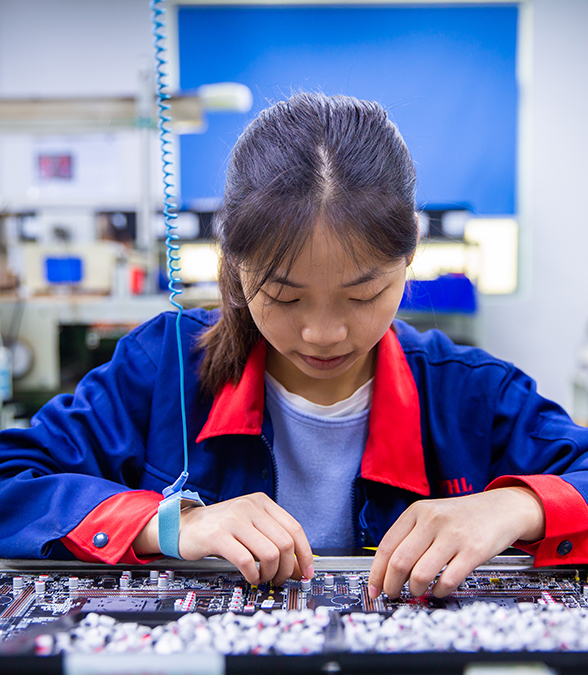

Dust-Free Smart Factory
10,000+ m² highly automated production space.

20 Years of Experience
Proven know-how across PCB and PCBA since 2006.

Global Sourcing
500k+ parts via 100+ agents and suppliers.

Fully Certified
IATF 16949, ISO 9001, ISO 14001, ISO 13485.

ERP & MES Tracking
Real-time production status and lot traceability.

Cost-Down Engineering
DFM and BOM optimisation by our engineering team.

No MOQ
Prototype and large-quantity orders both welcome.

NDA Before RFQ
Your design data and IP are protected from day one.

Fast Delivery
99.5% on-time delivery across global shipments.
Brands & Supply-Chain Partners We Work With
Long-term cooperation with global brands and established component distributors keeps your BOM genuine, traceable and available.
Brand Customers



















Component Sourcing Channels












Certified Quality Management Systems
Independent third-party audits confirm that our processes meet the requirements of automotive, medical and industrial customers. Click any certificate to view it in full size.

ISO 9001
Quality Management System

IATF 16949
Automotive Quality Management

ISO 13485
Medical Devices Quality Management

ISO 14001
Environmental Management System
Audit Our Factory Remotely with a 360° Virtual Tour
Walk through our SMT, THT, testing and warehouse areas before you visit. It is the fastest way for procurement and quality teams to pre-qualify a new PCBA supplier.
Interactive 360° panorama of the STHL Shenzhen production facility.
For ceramic and high-reliability programs, remote pre-qualification can start with a virtual tour, followed by document review, sample validation and an on-site audit when required.
What Engineers & Buyers Say About STHL
Feedback from hardware engineers, designers and company owners across North America, Europe and beyond.
Excellent team to work with and fast delivery with high-quality boards. We are very happy to work with such a good supplier. Thanks again.

Please extend my thanks to your team for your hard work in preparing these samples. This positive experience has strengthened my confidence in your company, and I'm looking forward to discussing bulk orders in the near future.

We are satisfied with the last order. You did a great job on those boards and the lead time was short. I will place a new order soon.

The order was perfect — exactly as specified with top quality. Highly recommend this reliable supplier.

Exciting! Very fast delivery, a professional supplier and a professional product. We will place a new order very soon!

We have tested all the boards and I am highly pleased. I will repeat my order soon. Thank you again for your excellent service.

It's always a pleasure ordering. Very professional team and good quality — thanks for your great service.

Satisfied with the sample products delivered. Very good product, quick delivery and a good understanding of my requirements.

The supplier's professionalism is evident in their seamless communication, efficient processing and reliable service. They are a trustworthy and commendable partner.

PCBA Insights & Factory News
Practical updates from our production floor — customer visits, traceability practices and what really drives PCBA lead time.




PCBA & Ceramic Circuit Board Sourcing FAQs for Overseas Buyers
Straight answers to the questions procurement and engineering teams ask before choosing a PCB assembly manufacturer in China.
What files do I need to submit for a PCBA project?
Send Gerber files, a BOM with manufacturer part numbers, the pick-and-place (centroid) file and assembly drawings. If you need IC programming or functional testing, include firmware and test procedures. Our engineers complete a DFM and BOM review before production starts.
Is there a minimum order quantity (MOQ)?
No. STHL accepts prototype, low-volume and high-volume PCB assembly orders, so you can validate a design and scale to mass production with the same supplier.
Can STHL source all the electronic components?
Yes. We offer full turnkey, partial turnkey and consigned assembly. Our sourcing team works with 100+ agents and suppliers covering more than 500,000 part numbers, with incoming inspection and traceability from reel to finished board.
Which quality certifications does STHL hold?
STHL is certified to IATF 16949, ISO 9001, ISO 14001 and ISO 13485, and produces RoHS-compliant assemblies. Boards are verified with AOI, X-ray, ICT and functional testing.
How do you protect our design files and IP?
We sign an NDA before RFQ, restrict project data to the assigned engineering team and track every build through our ERP and MES systems.
Can we audit or visit the factory?
Yes. Customers are welcome to visit our Shenzhen factory and R&D laboratory at any time, and a 360-degree virtual factory tour is available for remote evaluation.
What is a ceramic circuit board and when should we specify one?
Ceramic circuit boards use Al2O3, AlN, Si3N4, LTCC or HTCC substrates instead of organic laminates. Specify ceramic when thermal conductivity, CTE stability, high-voltage isolation, RF performance or long-term reliability in harsh environments is more important than the lowest possible bare-board cost.
Which ceramic material is best for high-power or high-frequency designs?
AlN is often preferred for high-power density and heat removal; Al2O3 offers a strong cost-performance balance for many isolation and LED applications; Si3N4 is valued for toughness and thermal-cycling reliability; LTCC/HTCC supports RF, microwave and high-density multilayer packaging. The final choice should follow thermal simulation, CTE review and assembly validation.
Can STHL support ceramic substrate sourcing through partner factories?
Yes. STHL coordinates ceramic substrate fabrication with qualified partner factories and integrates the substrate into our PCBA workflow for SMT/THT assembly, component sourcing, inspection and testing. This gives buyers one accountable program contact from substrate to tested assembly.
How do you control CTE mismatch and solder-joint reliability?
We review material CTE, copper thickness, component size, thermal vias, underfill, reflow profile and thermal-cycling requirements during DFM. For high-reliability programs, first-article inspection, X-ray, cross-section and functional testing can be included in the qualification plan.
What documentation is provided for regulated or global procurement?
Typical documentation includes BOM and revision control, material declarations, inspection reports, first-article data, test records, lot traceability, certificate copies and change-notification support. Additional PPAP-style or custom qualification packages can be discussed during RFQ.
What lead time and MOQ should we expect for custom ceramic PCB assembly?
Prototype lead time depends on substrate availability, tooling, component lead time and test requirements. STHL has no MOQ for PCBA and supports low-volume validation through volume production. A firm schedule is confirmed after DFM, BOM and material review.
Planning Your Next Ceramic PCB or PCBA Build?
Get our capability catalog with PCB fabrication options, ceramic substrate considerations, assembly processes, testing methods and industry case references — everything your team needs to qualify STHL as a supplier.
 STHLPCBA & EMS Since 2006
Certified EMS and ODM partner for ceramic-compatible PCB fabrication, turnkey PCBA, component sourcing, SMT/THT assembly, testing and box build.
PCBA Services
Capability Index
More Capabilities
Resource
Contact Us
- B4, AnLe Industrial Zone, No.172 Hangcheng Blvd, Bao'an Xixiang District, Shenzhen, 518126 China
- +86 135 1018 8049
+86 755 8936 9123 - [email protected]
 Scan for WhatsApp
 Scan for WeChat
Custom PCBA Projects from Communication to Smart Security
These additional programs show the breadth of the STHL production ecosystem: communication PCBA, edge-lit LED backlights, solar inverters, door/window sensors, smart light strips, biometric devices, biometric locks and electronic stability program assemblies.