
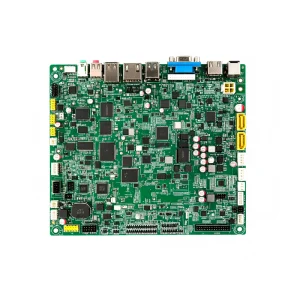
High Quality Leak Sensor PCBA Assembly--STHL Supplier, Company
Application focus: leak detection electronics requiring stable sensing, clean assembly and repeatable test coverage.
View product detailsThe first eight programs below reflect the high-mix reality of custom bare PCB boards service and turnkey electronics demand. They cover sensing, communications, displays, medical monitoring, smart energy, automotive, security and environmental monitoring — each requiring a different balance of stack-up, test coverage, documentation and supply-chain control.
Application focus: leak detection electronics requiring stable sensing, clean assembly and repeatable test coverage.
View product details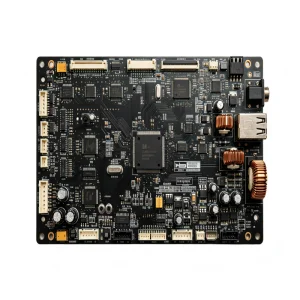
Application focus: wireless audio boards with tight BOM control, RF-sensitive layout and volume-ready assembly.
View product details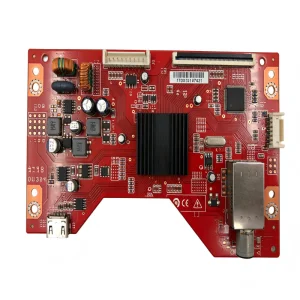
Application focus: display driver boards needing thermal discipline, solder-joint reliability and inspection data.
View product details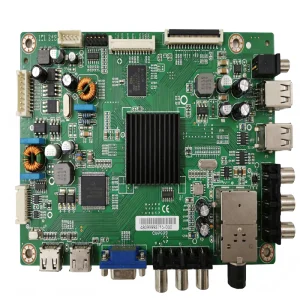
Application focus: precision receiver electronics where signal integrity, material stability and test repeatability matter.
View product details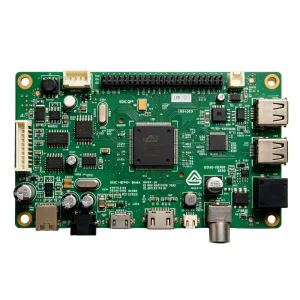
Application focus: network and control hardware with controlled impedance, firmware programming and functional testing.
View product details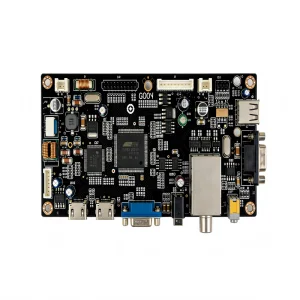
Application focus: smart lighting controls balancing cost, power handling, firmware and cosmetic finish.
View product details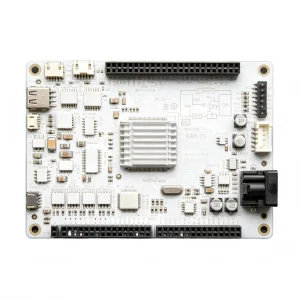
Application focus: medical video monitoring electronics with traceability, controlled processes and documentation depth.
View product details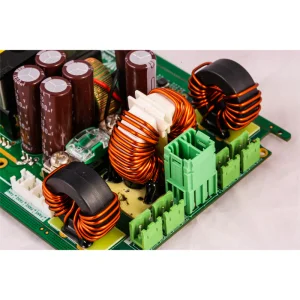
Application focus: tablet mainboards and peripherals needing dense routing, BGA inspection and stable sourcing.
View product detailsCustom bare PCB boards are unpopulated circuit boards manufactured to a defined stack-up, copper weight, dielectric material, surface finish, impedance target, panelization and inspection class. They are not commodities. A board that looks identical in a Gerber viewer can behave very differently when the laminate Tg, glass transition, copper roughness, drill registration, solder mask, finish thickness or electrical test coverage changes. For global OEMs, the real sourcing question is not simply “Who can make the board?” but “Who can prove that the board will remain repeatable across prototypes, pilot builds and mass production?”
China remains the world’s densest production ecosystem for bare PCB fabrication and electronics manufacturing. That density creates genuine advantages: rapid access to laminates, specialty materials, surface-finishing capacity, test laboratories, component distribution and engineering talent. However, the market is not a single price tier. A compliant quote should expose material grade, copper weight, finish type, impedance coupons, test coverage, panel utilization, acceptance criteria, change-control path and documentation package. Otherwise, the lowest unit price can become the highest total cost after freight, inspection, rework, line-down risk and engineering time are added.
Shenzhen STHL Electronics Co., Ltd. has operated as a certified EMS and ODM provider since 2006, serving hardware teams in the USA, Germany, Italy, the UK, Poland, New Zealand, Brazil and 90+ other regions. Our 220+ staff, including 50+ engineers, support PCB layout, component sourcing, PCB fabrication, SMT/THT assembly, cable assembly, box build and functional testing from a 10,000 m² facility. For bare PCB buyers, this matters because fabrication decisions can be reviewed against the downstream assembly process rather than in isolation. For turnkey buyers, it means one accountable supplier from first article to repeat production.
This guide translates supplier claims into procurement criteria. It covers China factory advantages, 2026 industry trends, localized application scenarios, macro industry solutions, global procurement requirements, quality systems, FAQ and 16 related custom board programs. The objective is to help engineering and sourcing teams compare suppliers on capability, evidence and total cost — not on headline unit price alone.
A supplier’s capability should be visible in numbers, systems and documentation. These figures summarize the operational scale behind STHL’s custom bare PCB and turnkey PCBA programs.
The China advantage is no longer just labor cost. It is the compound effect of material access, process depth, engineering speed, compliance maturity and export logistics — when the supplier is properly qualified.
China’s electronics clusters concentrate laminate suppliers, copper foil, solder mask, surface-finishing lines, drilling capacity, test laboratories and specialty material distributors. For high-Tg, Rogers, ceramic, aluminum, heavy-copper, HDI and rigid-flex projects, this density shortens material qualification and reduces the risk of last-minute substitutions.
Custom bare PCB projects often fail at the interfaces: footprint mismatch, drill-to-copper clearance, impedance assumptions, panelization and finish selection. A Shenzhen-based engineering team can review Gerber, stack-up, BOM and assembly data in the same time zone as fabrication and assembly partners, reducing clarification cycles before tooling is released.
Prototype, low-volume and mass-production orders can share the same process architecture. STHL accepts prototype and high-volume work with no MOQ, which allows buyers to validate a design, confirm yield and scale with the same supplier instead of re-qualifying a new factory at every stage.
Automotive, medical and industrial buyers increasingly require documented process control rather than verbal assurances. STHL operates under IATF 16949, ISO 9001, ISO 14001 and ISO 13485 systems, with RoHS-compliant assemblies and inspection records tied to production lots.
Export-ready packaging, ESD protection, commercial documentation and courier integration matter as much as fabrication. STHL ships to customers in 90+ countries and regions, with packaging and release documentation designed for overseas engineering, procurement and incoming inspection teams.
Global buyers rarely want single-point dependency. STHL’s sourcing team works with 100+ agents and suppliers covering more than 500,000 part numbers, enabling partial turnkey, consigned assembly, alternate-part proposals and buffer planning when a BOM faces allocation or end-of-life pressure.
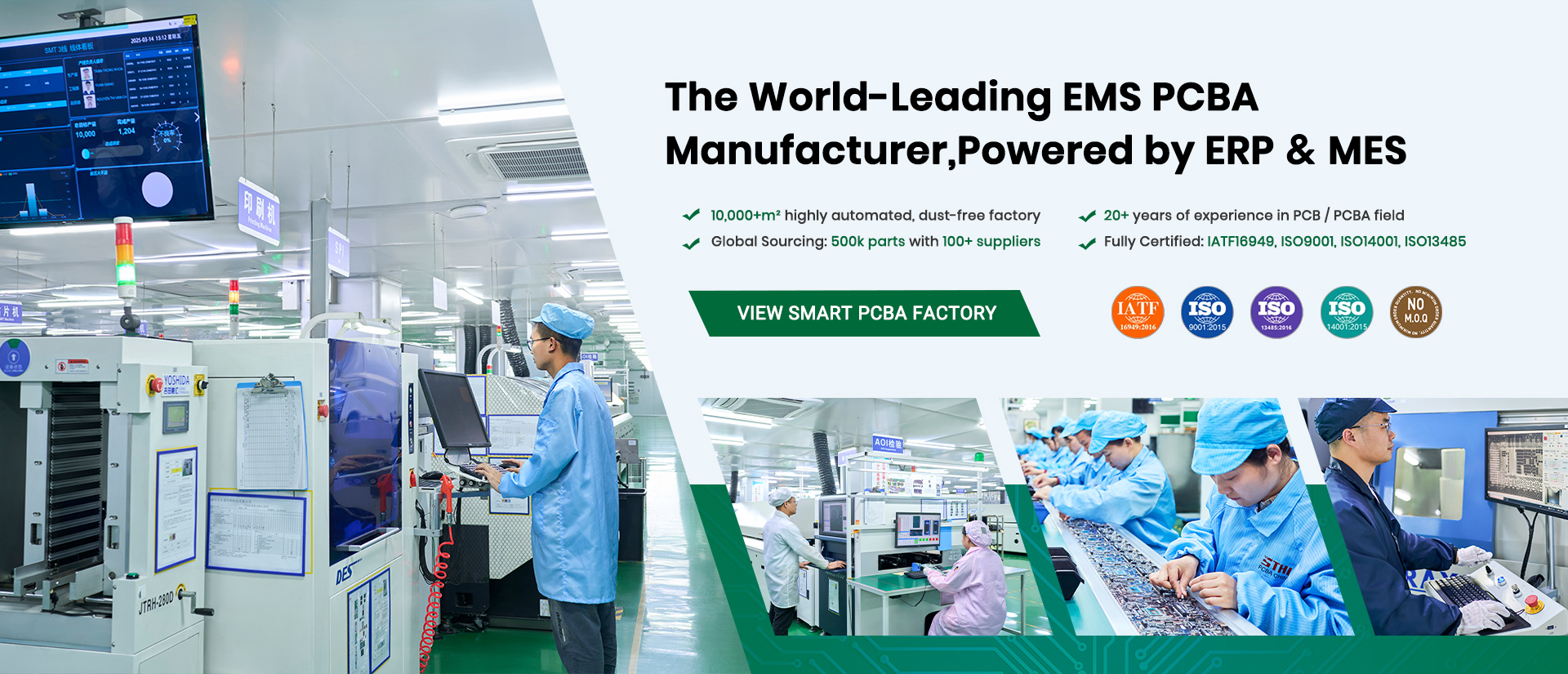
The Shenzhen facility combines fabrication sourcing, 7 SMT assembly lines, 2 DIP/THT lines, 2 functional test lines and 2 box build lines. An in-house R&D laboratory supports design verification and prototype testing, while ERP and MES systems track production status and lot traceability.
Bare PCB sourcing is moving from “fabrication plus price” toward “material science plus data.” Buyers who understand these shifts can ask better questions and avoid hidden cost later.
Wearables, medical monitors, automotive sensors and compact IoT devices continue to push finer lines, laser microvias and higher layer counts. Buyers should confirm via reliability, registration capability and inspection coverage before approving a high-density stack-up.
Rogers, ceramic, high-Tg and low-loss laminates are increasingly common in power, RF and automotive electronics. Material certificates, impedance coupon data and stack-up simulation are now part of a credible technical review.
ERP and MES records are no longer optional for enterprise buyers. A supplier should be able to link material lots, process parameters, test results and shipment data so that engineering teams can investigate field issues quickly.
RoHS, REACH, halogen-free options and conflict-mineral awareness are entering mainstream supplier questionnaires. Documented material declarations and repeatable sustainability practices reduce compliance risk for European and North American customers.
For OEMs, the practical implication is clear: a custom bare PCB boards service must provide both manufacturing capability and evidence. The strongest suppliers provide DFM feedback, material alternatives, impedance review, inspection data, change notification and packaging controls in one commercial workflow. This evidence-based approach is especially important for teams using a China factory as part of a multi-country supply chain.
Some projects need only an unpopulated board. Others need a complete build with components, firmware, testing and box assembly. STHL keeps both paths under one quality system.

Full or partial turnkey sourcing through 100+ agents and suppliers, with BOM scrubbing, alternate-part suggestions and reel-level traceability for integrated PCBA programs.
Explore capability
Standard, prototype, aluminum, flexible, rigid-flex, HDI, Rogers, ceramic, heavy-copper, high-Tg and halogen-free boards built to your stack-up and acceptance criteria.
Explore capability
Prototype, low-volume and high-volume assembly including fine-pitch, BGA and mixed-technology boards, verified by AOI and X-ray where the design requires it.
Explore capability
PCB layout and design, IC programming, ICT and functional testing, conformal coating, cable and wire harness, and complete box build assembly.
Explore capabilityA repeatable workflow removes surprises. This is how a custom bare PCB or turnkey PCBA project moves through STHL’s engineering and production process.
Engineers check Gerber, BOM and centroid data for manufacturability, footprint errors, impedance assumptions and end-of-life parts before material is ordered.
Laminates, surface finishes and components are purchased through qualified channels, then pass incoming inspection and moisture-sensitive device control where applicable.
Bare boards are produced to your stack-up, surface finish and impedance requirements, from single-layer and multilayer to HDI and rigid-flex.
When the scope includes assembly, 7 SMT lines and 2 DIP/THT lines handle fine-pitch, BGA and mixed-technology boards for prototypes and mass production.
AOI, X-ray, ICT and functional tests, plus IC programming and conformal coating where specified, with results logged in the production system.
Cable assembly, enclosure integration and ESD-safe packaging, shipped to customers in 90+ countries and regions with export documentation.
A precise RFQ shortens engineering review and protects the quoted price. The matrix below reflects the variables that most often change bare PCB cost, yield and lead time.
| Parameter | Buyer Specification | Why It Matters |
|---|---|---|
| Board type | Rigid, flex, rigid-flex, aluminum, HDI, heavy copper, high-Tg, Rogers or ceramic | Determines material route, tooling, lamination cycles and inspection method. |
| Stack-up | Layer count, dielectric thickness, copper weight, impedance targets and drill classes | Drives signal integrity, power handling, board thickness and fabrication yield. |
| Surface finish | HASL, ENIG, OSP, immersion silver/tin, hard gold or application-specific finish | Affects shelf life, solderability, contact resistance and cost. |
| Electrical test | Open/short test, flying probe, impedance coupon, test coverage and reporting | Prevents escapes and provides objective evidence for incoming inspection. |
| Documentation | Gerber, drill, stack-up drawing, acceptance criteria, CoC and lot traceability | Creates an auditable purchase specification instead of an informal drawing exchange. |
| Compliance | RoHS/REACH, IPC-oriented inspection, automotive, medical or industrial requirements | Aligns fabrication with the end market’s regulatory and quality expectations. |
When comparing quotations, ask whether the price includes panelization review, impedance coupons and the agreed documentation package. A quote that omits these items may look lower at the start but become more expensive when the receiving team must recreate test data or reject boards that do not meet the agreed acceptance criteria.
Localization is not only language. It is the ability to translate regional standards, field conditions and end-user expectations into the right bare board, test plan and documentation package.
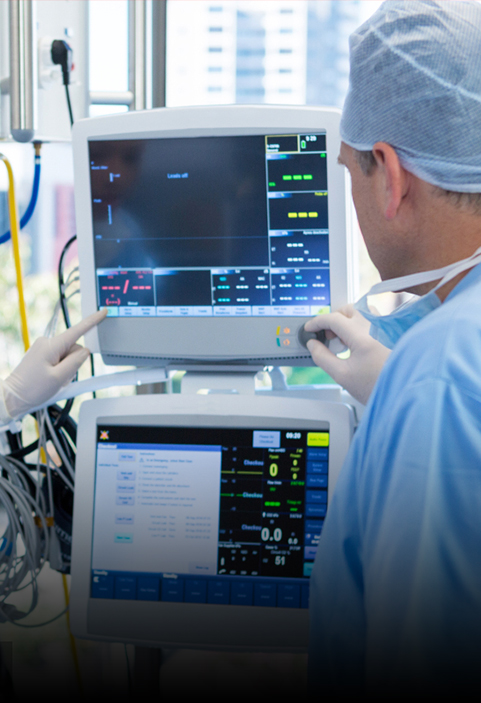
ISO 13485-controlled assembly for monitoring, diagnostic and wearable devices with lot traceability. For US and EU healthcare teams, documentation depth and change control are often as important as fabrication precision.
View medical solutions
IATF 16949 processes for control modules, lighting and charging electronics required to survive heat, vibration and long service life. Material traceability and process discipline are central.
View automotive solutions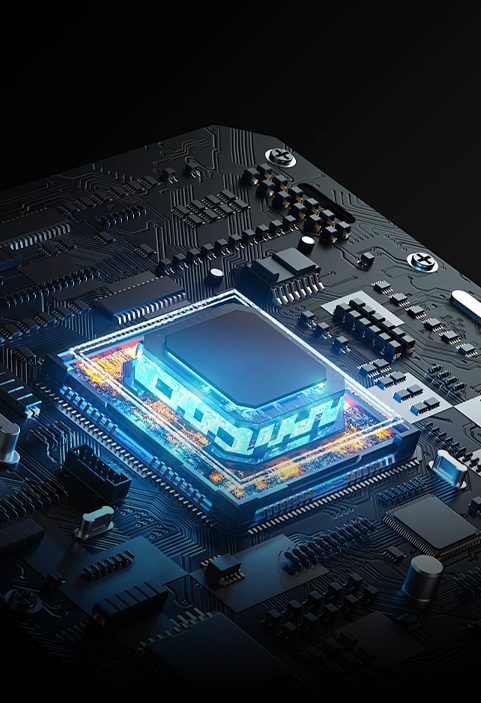
High-density, BGA-rich boards for computing, storage and peripherals, verified by X-ray inspection. Signal integrity, thermal design and firmware programming frequently define project success.
View computing solutions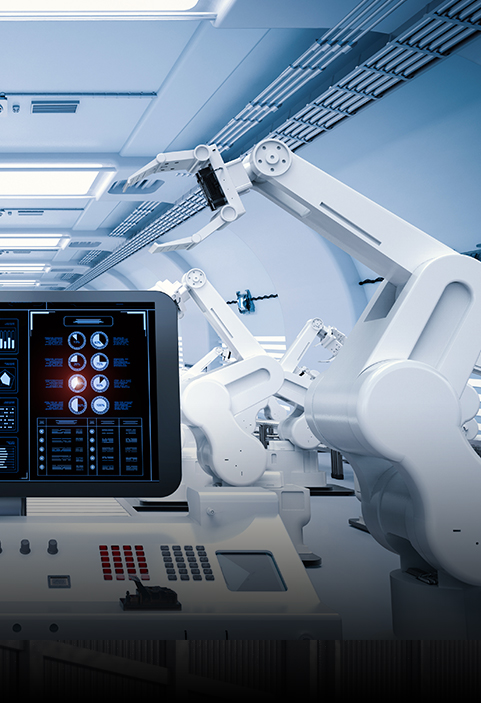
Robust PCBAs for PLCs, motor drives and automation equipment, with conformal coating options and wide-temperature material choices for factories, utilities and field installations.
View industrial solutionsSTHL supports demanding industries with a shared process architecture and industry-specific controls. Each solution page below connects a market requirement to a manufacturing response.
ISO 13485-controlled processes for diagnostic, monitoring and wearable electronics with traceability and change-control expectations.
IATF 16949 discipline for control modules, lighting, charging and sensor electronics that must perform under harsh conditions.
High-reliability builds requiring documentation, inspection evidence and controlled material selection for mission-critical electronics.
Robust boards for PLCs, drives, automation and instrumentation, with coating and wide-temperature material options.
Wireless, sensor and gateway electronics balancing cost, RF performance, firmware programming and fast market introduction.
Thermal-aware layouts, creepage and clearance discipline, heavy-copper options and test coverage for power electronics.
Global companies rarely buy bare boards as an isolated transaction. They buy continuity, documentation and risk reduction. The four areas below should be part of any supplier comparison.
Design files, stack-ups, BOMs and test procedures are sensitive. STHL signs an NDA before RFQ, restricts project data to the assigned engineering team and tracks builds through ERP and MES systems.
Require lot-level material traceability, incoming inspection records, test data, certificate of conformance and change notification. Documentation is part of the product, not an afterthought.
Ask how the supplier handles allocation, end-of-life notices, alternate parts and consigned material. A robust process protects production when a single component or laminate becomes unavailable.
Factory audits, certification validity, environmental compliance and change-control procedures should be reviewed before volume release. A 360° virtual tour can support remote pre-qualification.
A useful total-cost model is landed cost = piece price + freight + duty + incoming inspection + rework + inventory + risk. This is why experienced buyers compare suppliers on yield, documentation and communication speed as carefully as they compare unit price. For custom bare PCB boards from China, the strongest partner is the one that makes these variables visible before the purchase order is placed.
Independent third-party audits confirm that STHL’s processes meet the requirements of automotive, medical and industrial customers. Select any certificate to view it in full size.

Quality Management System

Automotive Quality Management

Medical Devices Quality Management

Environmental Management System
Feedback from hardware engineers, designers and company owners across North America, Europe and beyond.
“Excellent team to work with and fast delivery with high-quality boards. We are very happy to work with such a good supplier. Thanks again.”

“Please extend my thanks to your team for your hard work in preparing these samples. This positive experience has strengthened my confidence in your company, and I'm looking forward to discussing bulk orders in the near future.”

“We are satisfied with the last order. You did a great job on those boards and the lead time was short. I will place a new order soon.”

“The order was perfect — exactly as specified with top quality. Highly recommend this reliable supplier.”

Straight answers to the questions procurement and engineering teams ask before choosing a PCB assembly manufacturer in China.
A custom bare PCB is an unpopulated circuit board built to a specific stack-up, material, surface finish and acceptance criteria. PCBA means printed circuit board assembly, where components are soldered onto the bare board. STHL supports both scopes: bare board fabrication through qualified partners, and turnkey PCBA including sourcing, assembly, testing and box build.
For a bare PCB, send Gerber files, drill data, stack-up requirements, material grade, surface finish, impedance targets, quantity and acceptance criteria. If you need turnkey PCBA, also include a BOM with manufacturer part numbers, the pick-and-place file, assembly drawings, firmware and test procedures where applicable. Our engineers complete a DFM and BOM review before production starts.
No. STHL accepts prototype, low-volume and high-volume PCB assembly orders, so you can validate a design and scale to mass production with the same supplier. Prototype quantities and volume orders are both welcome.
Yes. We offer full turnkey, partial turnkey and consigned assembly. Our sourcing team works with 100+ agents and suppliers covering more than 500,000 part numbers, with incoming inspection and traceability from reel to finished board.
STHL is certified to IATF 16949, ISO 9001, ISO 14001 and ISO 13485, and produces RoHS-compliant assemblies. Boards are verified with AOI, X-ray, ICT and functional testing as required by the project, with bare-board electrical test and inspection criteria defined during RFQ.
We sign an NDA before RFQ, restrict project data to the assigned engineering team and track every build through our ERP and MES systems. Sensitive data is handled through controlled project folders and release procedures.
Quality control starts with DFM review and supplier qualification, then continues through incoming inspection, in-process checks, electrical test, visual inspection and functional test where applicable. Production data, test results and shipment records are maintained for traceability. For custom bare PCB projects, we agree the inspection standard, coupon requirements and documentation package before release.
Yes. Customers are welcome to visit our Shenzhen factory and R&D laboratory at any time, and a 360-degree virtual factory tour is available for remote evaluation. This is often the fastest way for procurement and quality teams to pre-qualify a new PCB assembly supplier.
These eight programs complete the related product set. They are useful reference points for teams comparing sensing, medical, automotive, security, power and environmental electronics requirements.
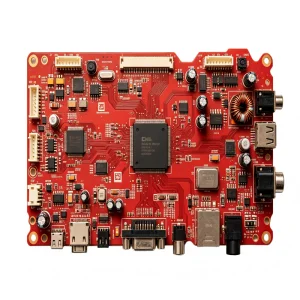
Application focus: wearable health monitoring with compact layout, low-power design and reliable traceability.
View product details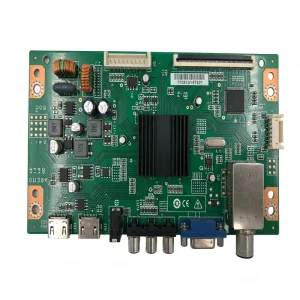
Application focus: rugged industrial and hazardous-area electronics needing robust build and inspection discipline.
View product details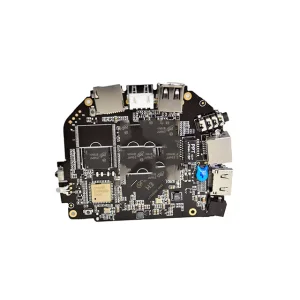
Application focus: automotive stability and safety electronics with IATF 16949 process expectations.
View product details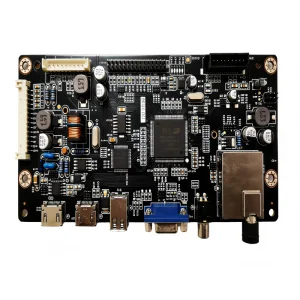
Application focus: smart home power control with safety spacing, firmware programming and volume consistency.
View product details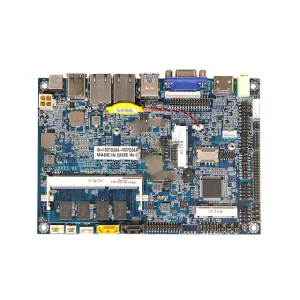
Application focus: power conversion boards with thermal design, creepage control and functional test coverage.
View product details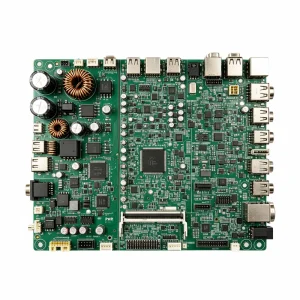
Application focus: medical power electronics requiring documentation, safety spacing and repeatable test data.
View product details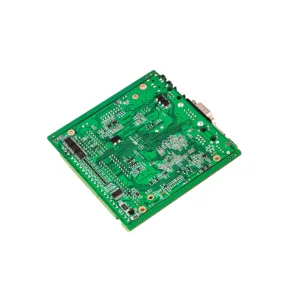
Application focus: security electronics with reliable sensing, firmware integration and consistent field performance.
View product details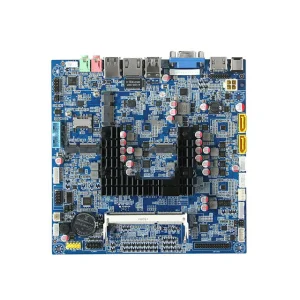
Application focus: environmental sensing with stable calibration support, low-noise layout and data-driven testing.
View product detailsGet the capability catalog with PCB fabrication options, assembly processes, testing methods and industry case references — everything your team needs to qualify STHL as a supplier. For urgent projects, send Gerber, stack-up and quantity details so our engineers can return a structured DFM and quotation review.
Include Gerber, drill file, stack-up, material, finish, impedance requirements, quantity and destination. If PCBA is in scope, add BOM, pick-and-place file and test procedure. The more precise the input, the faster STHL can provide a manufacturable, traceable quotation.
