China Top SMT Surface Mount Service & Solutions
A buyer-focused, engineering-grade guide to turnkey SMT, THT, component sourcing, testing and box build from Shenzhen — built for OEMs in 90+ regions and reviewed by STHL’s engineering and quality team.
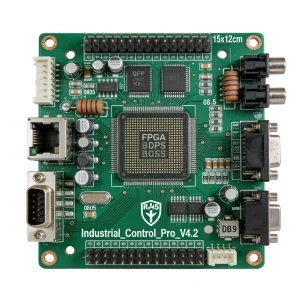
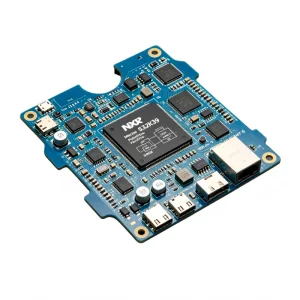
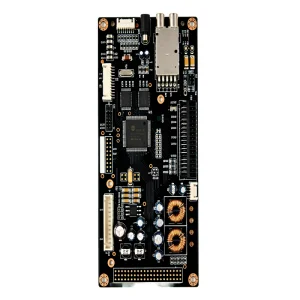
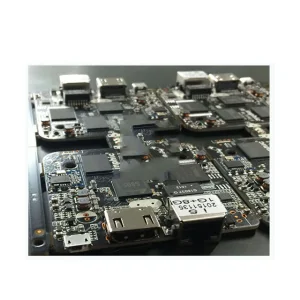
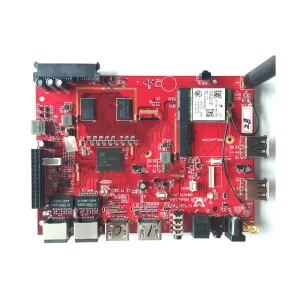
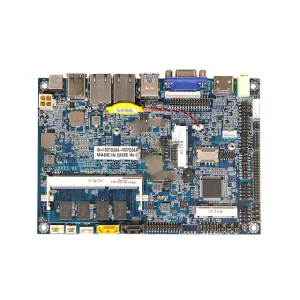
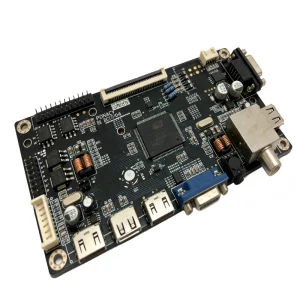
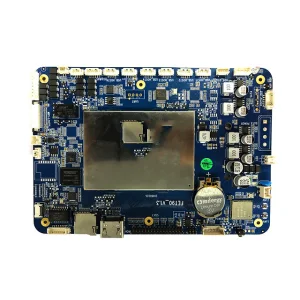
China SMT Surface Mount Product Programs
These eight programs show how SMT surface mount capability connects to real end markets. Each link below is preserved from the STHL product series and leads to the original product page for specification discussion, DFM review and quotation.
Why This SMT Surface Mount Guide Is Different
This is written as a working buyer document rather than a brochure. It maps search intent — compare, qualify, validate, localize and scale — to the evidence procurement and engineering teams actually need before releasing a purchase order.
Experience you can verify
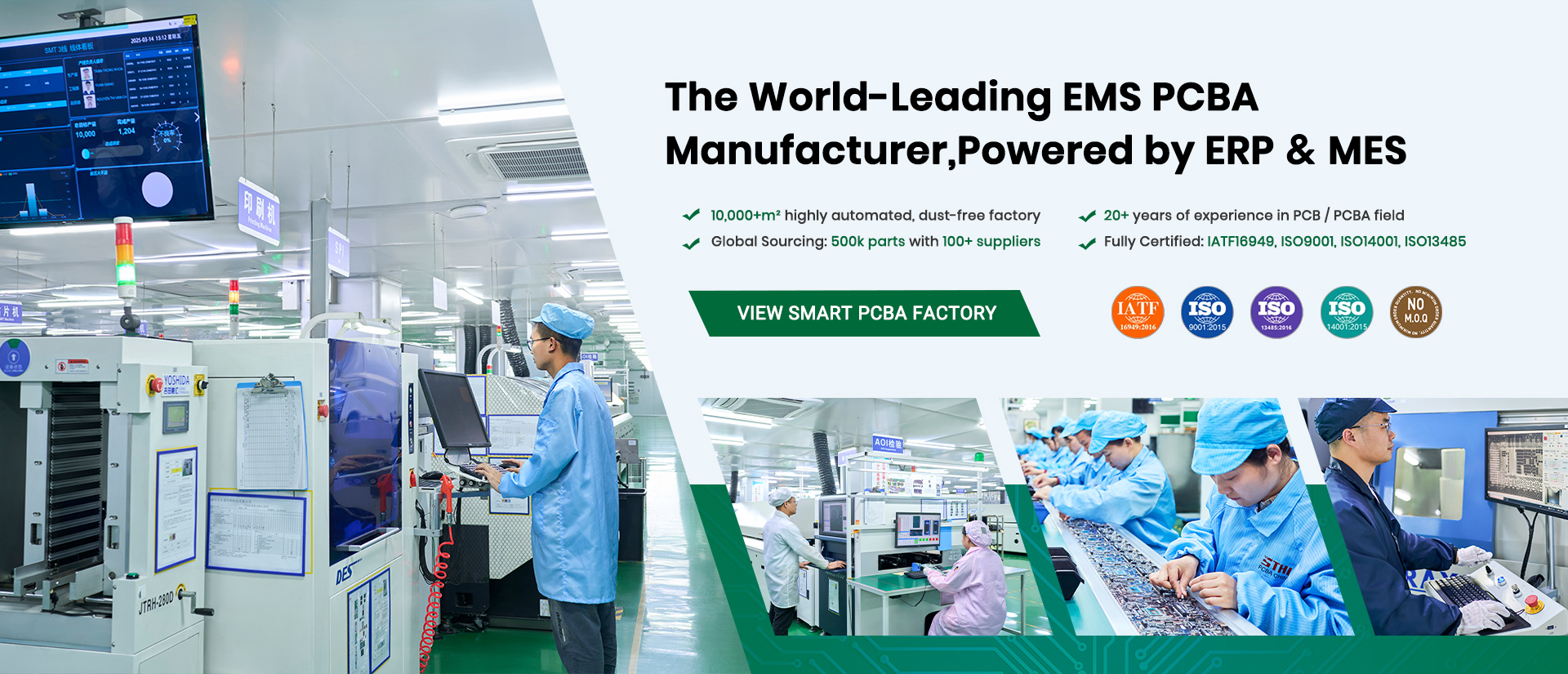
Shenzhen STHL Electronics Co., Ltd. has operated since 2006 with 220+ staff, 50+ engineers, 7 SMT assembly lines, 2 DIP/THT lines, 2 functional test lines, 2 box build lines and a 10,000 m² facility. The team supports customers in the USA, Germany, Italy, the UK, Poland, New Zealand, Brazil and 90+ other regions.
Expertise in high-mix PCBA
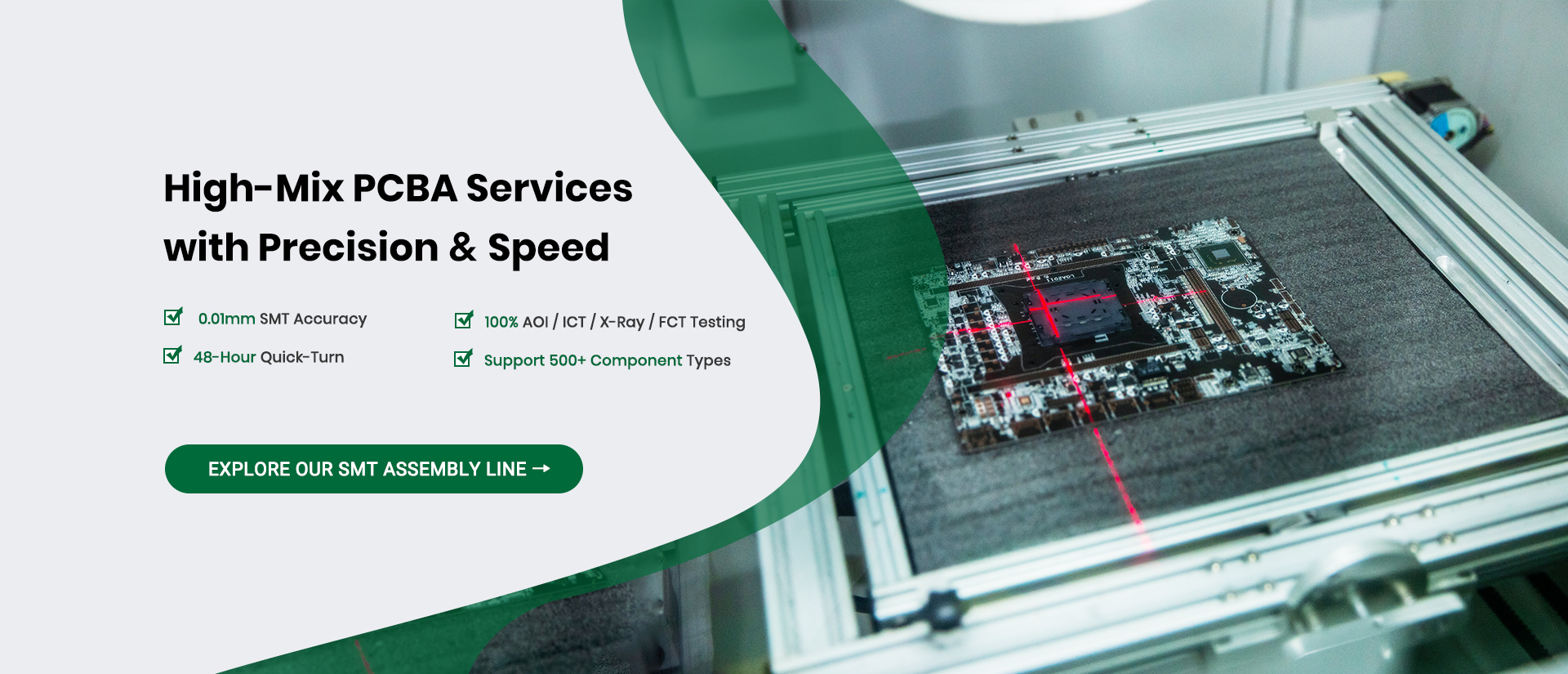
DFM and BOM review, component sourcing, fine-pitch SMT, BGA, mixed-technology THT, IC programming, conformal coating, cable assembly, box build, AOI, X-ray, ICT and functional testing are handled inside one controlled workflow.
Authority and reliability
STHL is certified to IATF 16949, ISO 9001, ISO 14001 and ISO 13485 and produces RoHS-compliant assemblies. Customers can audit the Shenzhen factory, request a 360° virtual tour and review certification evidence before placing volume orders.

Reviewed for E-E-A-T by STHL’s engineering and quality team. The page combines original company information with practical procurement guidance, global supply-chain context, localization controls, application scenarios, a technology roadmap and FAQ answers. Claims about capacity, certifications and service scope are tied to STHL’s published credentials and factory processes.
Years of EMS Experience
m² Production Facility
Professional Engineers
Production Lines
On-Time Delivery
Qualified Shipment Rate
Turnkey PCBA & ODM Partnership in Shenzhen Since 2006
Surface-mount technology places components directly onto PCB pads, then joins them through controlled solder paste printing, reflow and inspection. The value of a China top SMT surface mount service is not the machine alone — it is the process discipline that connects design data, material authenticity, assembly repeatability, test evidence and shipment readiness.
 ▶
EMS & PCBA
Your Turnkey PCBA & ODM Partner in Shenzhen Since 2006
Shenzhen STHL Electronics Co., Ltd. is a certified electronics manufacturing services (EMS) and ODM provider. We help hardware teams in the USA, Germany, Italy, the UK, Poland, New Zealand, Brazil and 90+ other regions move from schematic to shipped product — PCB layout, component sourcing, PCB fabrication, SMT/THT assembly, cable assembly, box build and full testing in one factory.
Our 220+ staff, including 50+ engineers, run a 10,000 m² facility with an in-house R&D laboratory for design verification and prototype testing. Every build is RoHS-compliant and controlled under IATF 16949, ISO 9001, ISO 14001 and ISO 13485 systems. Factory visits and audits are welcome at any time.
- 7 SMT assembly lines
- 2 DIP / THT lines
- 2 functional test lines
- 2 box build lines
- In-house R&D laboratory
- AOI · X-Ray · ICT · FCT
SMT in one sentence
SMT surface mount is the controlled placement and reflow of electronic components on PCB pads, followed by inspection and test so the assembled board performs as designed.
Where SMT fits best
Fine-pitch ICs, BGAs, passives, RF modules, sensors and dense logic boards benefit from SMT. Mixed-technology boards can combine SMT and THT in one controlled build.
What buyers should evaluate
Look beyond line count: DFM feedback, BOM risk, moisture-sensitive device control, reflow profile discipline, X-ray review, ICT/FCT coverage and lot traceability determine field quality.
How STHL supports scale
Prototype, low-volume and high-volume orders share the same process language. That reduces the classic “prototype worked, production drifted” gap when a product moves toward launch.
Where SMT Surface Mount Creates Industrial Leverage
Different end markets translate into different process controls. A smart-meter build, an anesthesia-machine board and an EFIS assembly may all use SMT equipment, but they should not use the same risk assumptions. This is the practical meaning of industry-focused PCBA.
Automotive & EV electronics
Battery monitoring, motor control, HUD, lighting and charging modules operate under heat, vibration and long duty cycles. STHL builds battery monitoring modules, motor control unit (MCU) assemblies, HUD boards and sensor-rich automotive PCBA under IATF 16949 controls. Buyers should require lot traceability, change control and a BOM strategy that avoids single-source end-of-life parts.
Medical & healthcare devices
Anesthesia machines, monitoring systems, diagnostic modules and wearables need ISO 13485 process discipline, controlled changes and test evidence. A turnkey model combines DFM, component sourcing, SMT/THT, IC programming and functional test. For localization, confirm document retention, change notification and containment of nonconforming material.
Industrial automation
PLCs, drives, sensors, motor controls and DC converters work in electrical noise, temperature swing and continuous operation. Mixed-technology assembly, conformal coating, ICT and functional testing reduce early-life failures. Procurement teams should verify that the supplier can maintain the same process window from prototype through repeat production.
Energy & smart grid
Smart meters, battery monitoring, DC conversion and energy-saving lamp control modules connect metering, power conversion and communications. Reliability depends on component authenticity, traceability and test coverage. Strong incoming inspection and MES records reduce the risk of counterfeit or mismatched parts entering the build.
Communications & computing
Wireless access points, smartphones, mini-LED backlight modules and dense computing boards use fine-pitch, BGA and high-layer-count designs. X-ray inspection, AOI and controlled reflow profiles are central. The supplier should demonstrate BGA void review, moisture-sensitive device control and repeatable first-article approval.
Consumer & IoT products
Smart speakers, smartwatches, floodlight cameras and connected home devices combine RF, sensors, power management and mechanical integration. High-mix low-volume NPI support helps brands validate industrial design and firmware before tooling spend. Box build and packaging reduce the number of suppliers a project team must manage.
Aerospace & instrumentation
Electronic flight instrument systems (EFIS) and critical instrumentation demand high-reliability assembly, documentation discipline and strong change control. Even when the EMS provider does not issue the end-product certification, the manufacturing process must support the customer’s certification and traceability obligations.
Lighting & horticulture
LED plant grow lights, energy-saving lamp control modules and mini-LED backlight assemblies depend on thermal design, driver reliability and consistent solder joints. SMT assembly with aluminum or metal-core boards, conformal coating and functional test can improve yield. Export-ready documentation matters as much as lumen performance.
What Global OEMs Should Know in 2026
China remains a deep electronics-manufacturing cluster, while buyers continue to diversify risk. The winning sourcing model is usually not “move everything” or “stay everywhere” — it is a qualified China SMT partner with transparent project controls, credible compliance evidence and a regional deployment plan.
China’s SMT cluster still matters
Component availability, tooling, engineering talent and mature SMT/THT lines make China effective for complex, high-mix assemblies. The practical question is not whether the cluster exists, but whether a specific supplier can prove process control, material authenticity and responsiveness.
High-mix low-volume is the new normal
Shorter product life cycles and more SKUs reward suppliers with fast NPI, BOM scrubbing, flexible line changeovers and engineering feedback before production. A supplier that only optimizes for one long-run product may create hidden cost elsewhere.
Component volatility requires BOM resilience
Allocation, obsolescence and counterfeit risk can affect any market. STHL works with 100+ agents and suppliers covering more than 500,000 part numbers, with incoming inspection and reel-level traceability. Buyers should request alternate-part logic and lifecycle checks during RFQ.
Compliance is now a gate
IATF 16949, ISO 13485, ISO 9001 and ISO 14001 are not decorative logos. They frame change control, document retention and nonconformance handling. For regulated products, place certification evidence and audit access in the qualification package.
NPI speed decides market timing
Prototype validation, first-article approval and pilot build should flow into volume without renegotiating the process. A 6-step workflow — DFM/BOM review, sourcing, fabrication, assembly, test and shipment — creates a repeatable path from Gerber to global delivery.
Total landed cost beats unit price
Rework, field returns, expedited freight and engineering delays can outweigh a lower quotation. Evaluate quotation transparency, test strategy, packing quality, traceability and on-time delivery alongside the bare board and assembly price.
Regional deployment notes
North America
Prototype-heavy teams often need fast DFM feedback, NDA-first communication and clear documentation for internal design reviews. For medical and industrial products, define test records, change notification and shipment consolidation before the pilot build.
Europe
German, Italian, UK and Polish buyers frequently prioritize IATF/ISO evidence, RoHS compliance, technical documentation and auditability. A practical localization plan includes English-speaking project coordination, factory audit access and export-ready labels and packing.
Asia-Pacific
Consumer and IoT teams benefit from high-mix NPI, rapid component sourcing and box build. New Zealand and Australian buyers should align freight consolidation, firmware programming instructions and acceptance criteria early.
Latin America
Brazil and neighboring markets often mix customs complexity with growing local electronics demand. Clear commercial documents, ESD-safe packaging, lot traceability and a repeatable shipment handoff reduce friction between engineering and receiving teams.
Compliance Assurance Without Losing Speed
Localized support means that a buyer in another country can qualify, communicate and audit with confidence. It does not mean creating a separate quality system for every market; it means translating each market’s expectations into controlled project evidence.
NDA before RFQ
Design files, BOMs and firmware can be commercially sensitive. STHL signs an NDA before RFQ, restricts project data to the assigned engineering team and supports confidential prototype builds.
DFM and BOM engineering review
Gerber, BOM and centroid data are checked for manufacturability, footprint errors, end-of-life parts and assembly risk before material is ordered. This is one of the earliest opportunities to reduce cost and delay.
Component traceability
Incoming inspection, moisture-sensitive device control and reel-to-board traceability help protect against counterfeit, mismatched and damaged parts. When component risk is high, alternate sourcing logic should be agreed in writing.
Quality system alignment
IATF 16949, ISO 9001, ISO 14001 and ISO 13485 systems guide process control, environmental management and medical-device work. Production is RoHS-compliant, and certification documents can be reviewed by procurement and quality teams.
Test evidence and documentation
AOI, X-ray, ICT and functional testing can be logged for traceability. When IC programming, conformal coating or box build is required, the acceptance criteria should be agreed before first article so the evidence matches the product risk.
Audit and export support
Customers can visit the Shenzhen factory and R&D laboratory at any time, or use a 360° virtual factory tour for remote pre-qualification. ESD-safe packaging, export labels and shipment documentation support global receiving teams.
PCB Assembly for Demanding Industries
From in-vehicle electronics to medical devices and smart IoT products, our process controls are matched to the reliability and compliance level each market requires. The original application links below remain available for deeper industry pages.



US prototype-to-pilot scenario
A hardware team sends Gerber, BOM and centroid files under NDA. STHL checks DFM, flags end-of-life parts, sources components, builds a small SMT lot, programs ICs and returns test evidence before the team commits to tooling.
German industrial validation scenario
A motor-control customer needs repeatable process windows and traceability. The project uses controlled reflow, AOI, X-ray where relevant, ICT/FCT and documented change control so the pilot build mirrors mass production.
UK / ANZ energy and security scenario
A smart-energy or security device requires mixed SMT/THT, enclosure integration and export packing. The factory aligns cable assembly, box build, firmware steps and shipment labels before first article approval.
End-to-End PCBA Manufacturing Services
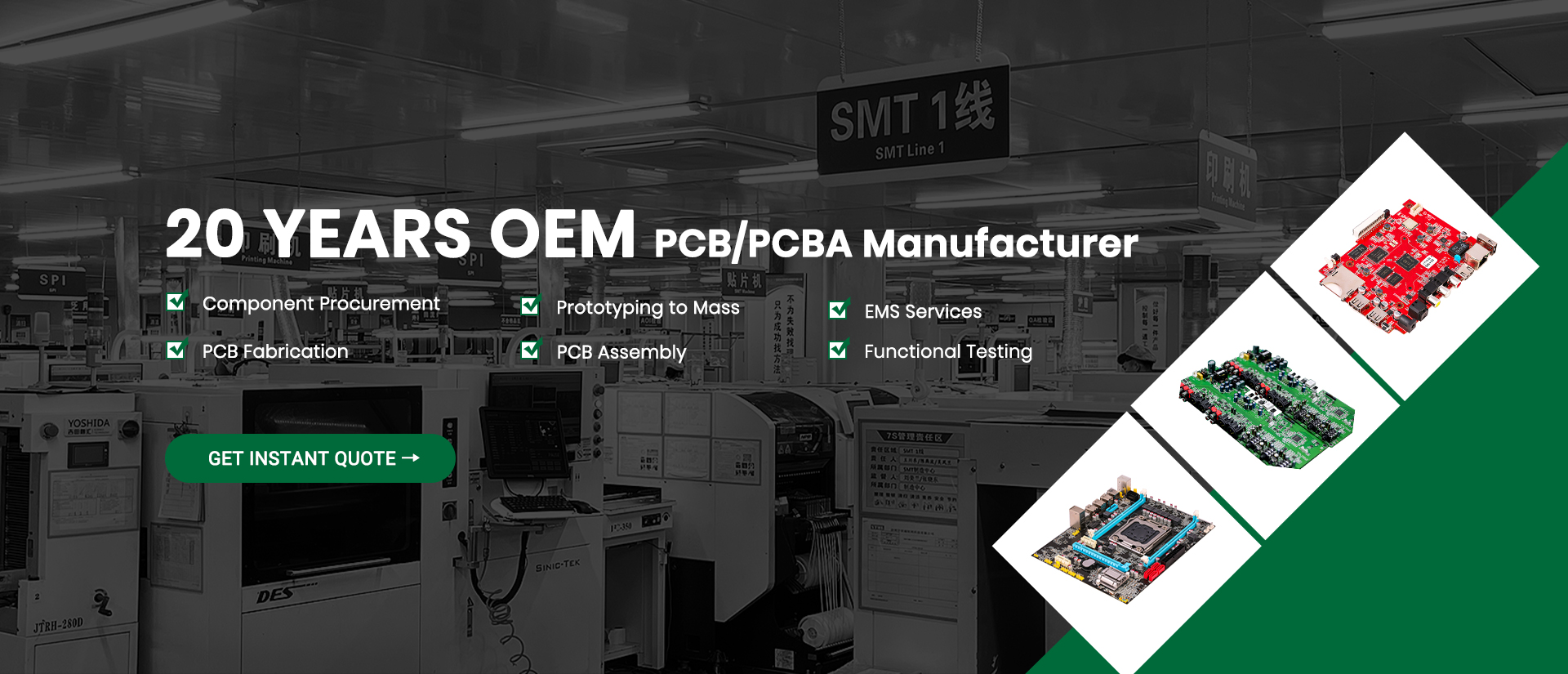
For 20 years, STHL has combined component procurement, PCB fabrication, SMT and THT assembly and functional testing into one controlled workflow — so you deal with one accountable supplier from first article to repeat production.

Electronic Components Procurement
Full or partial turnkey sourcing through 100+ agents and suppliers, with BOM scrubbing, alternate-part suggestions and reel-level traceability.
Learn more →
PCB Fabrication
Standard, prototype, aluminum, flexible, rigid-flex, HDI, Rogers, ceramic, heavy-copper, high-Tg and halogen-free boards built to your stack-up.
Learn more →
SMT & THT PCB Assembly
Prototype, low-volume and high-volume assembly including fine-pitch, BGA and mixed-technology boards, verified by AOI and X-ray.
Learn more →
Value-Added Services
PCB layout and design, IC programming, ICT and functional testing, conformal coating, cable and wire harness, and complete box build assembly.
Learn more →From Gerber Files to Global Shipment in 6 Controlled Steps
Knowing what happens after you place a purchase order removes surprises. This is how every STHL PCBA project moves through our factory.
DFM & BOM Review
Engineers check Gerber, BOM and centroid data for manufacturability, footprint errors and end-of-life parts before any material is ordered.
Component Sourcing
Parts are purchased through 100+ agents and suppliers, then pass incoming inspection and moisture-sensitive device control.
PCB Fabrication
Bare boards are produced to your stack-up, surface finish and impedance requirements, from single-layer to HDI and rigid-flex.
SMT & THT Assembly
7 SMT lines and 2 DIP/THT lines handle fine-pitch, BGA and mixed-technology boards for prototypes and mass production.
Inspection & Testing
AOI, X-ray, ICT and functional tests, plus IC programming and conformal coating, with results logged in our MES.
Box Build & Delivery
Cable assembly, enclosure integration and ESD-safe packaging, shipped to customers in 90+ countries and regions.
Why Global OEMs Choose STHL for PCB Assembly
Measurable capacity, documented quality systems and engineering support that reduces your total cost — not just the unit price.

Dust-Free Smart Factory
10,000+ m² highly automated production space.

20 Years of Experience
Proven know-how across PCB and PCBA since 2006.

Global Sourcing
500k+ parts via 100+ agents and suppliers.

Fully Certified
IATF 16949, ISO 9001, ISO 14001, ISO 13485.

ERP & MES Tracking
Real-time production status and lot traceability.

Cost-Down Engineering
DFM and BOM optimisation by our engineering team.

No MOQ
Prototype and large-quantity orders both welcome.

NDA Before RFQ
Your design data and IP are protected from day one.

Fast Delivery
99.5% on-time delivery across global shipments.

Evidence before promises
Procurement teams can review the factory, ask for certificates, check traceability logic and test the communication path before releasing a production order. The goal is a qualification process that holds up under customer, auditor and internal engineering scrutiny.
Audit Our Factory Remotely with a 360° Virtual Tour
Walk through our SMT, THT, testing and warehouse areas before you visit. It is the fastest way for procurement and quality teams to pre-qualify a new PCBA supplier.
Interactive 360° panorama of the STHL Shenzhen production facility. Customers are welcome to visit our Shenzhen factory and R&D laboratory at any time, and a 360-degree virtual factory tour is available for remote evaluation.
Certified Quality Management Systems
Independent third-party audits confirm that our processes meet the requirements of automotive, medical and industrial customers. Click any certificate to view it in full size.

ISO 9001
Quality Management System

IATF 16949
Automotive Quality Management

ISO 13485
Medical Devices Quality Management

ISO 14001
Environmental Management System

 Certified quality & environmental systems
Where SMT Surface Mount Is Heading, 2026–2030
The next procurement cycle will reward suppliers that can combine smaller packages, stronger traceability, higher reliability and faster NPI. The roadmap below is a planning lens for OEMs, not a prediction that every product needs every technology.
Advanced miniaturization
Fine-pitch ICs, 01005 passives, QFN, LGA, BGA, rigid-flex and HDI stack-ups will keep pressure on paste printing, placement accuracy, reflow profiling and X-ray review.
Smart factory traceability
ERP/MES records, automated inspection data and reel-to-board traceability become more valuable as customers ask for faster root-cause analysis and digital batch evidence.
High-reliability performance
Automotive, medical, energy and aerospace applications will demand stronger process windows for thermal cycling, vibration, contamination and conformal coating.
Sustainability & materials
RoHS-compliant builds, ISO 14001 environmental management, halogen-free options and packaging efficiency will shape supplier scorecards alongside price and lead time.
NPI velocity & resilience
BOM risk checks, alternate parts, quick-turn prototypes and scalable box build will determine how quickly a design moves from engineering validation to repeat shipment.
What OEMs should put in a 2026–2030 supplier roadmap
Define which products need IPC-A-610 Class 2 or higher acceptance criteria, which require IATF or ISO 13485 controls, and which should be dual-qualified for component alternates. Require the supplier to explain how DFM feedback, MES traceability, test coverage and change notification will scale as volume grows.
Information-gain checkpoint: ask for a sample qualification pack — DFM report, BOM risk list, first-article plan, inspection method, test coverage, traceability example, packaging standard and escalation path. A supplier that can produce this pack consistently is easier to audit and easier to scale.
Brands & Supply-Chain Partners We Work With
Long-term cooperation with global brands and established component distributors keeps your BOM genuine, traceable and available.
Brand Customers

















Contact Us
- B4, AnLe Industrial Zone, No.172 Hangcheng Blvd, Bao'an Xixiang District, Shenzhen, 518126 China
- +86 135 1018 8049
+86 755 8936 9123 - [email protected]


Copyright © 2026 Shenzhen STHL Electronics Co., Ltd. All rights reserved.
