
China Top SMT Assembly Line Manufacturers & Factories
A white-paper-style sourcing guide for global OEMs evaluating Chinese SMT assembly line factories, turnkey PCBA manufacturers, high-mix/low-volume EMS partners, and high-reliability box-build suppliers.
8 SMT Assembly Line Product Programs Built for Global Buyers
These representative programs show how a China SMT assembly line factory can support security, automotive display, environmental monitoring, laboratory automation, medical delivery, and network power electronics. Each product link below is preserved for direct inquiry.
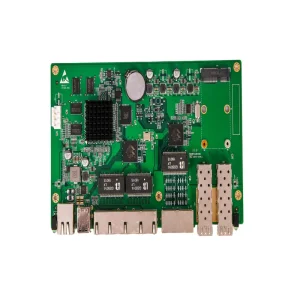
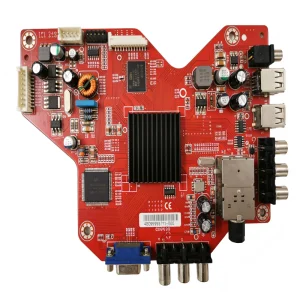
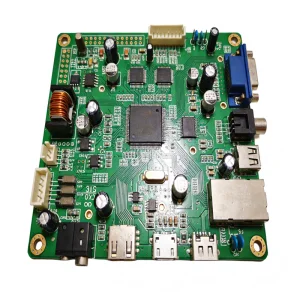
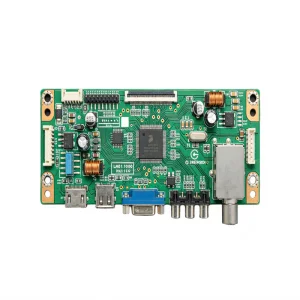
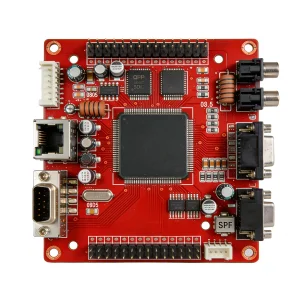
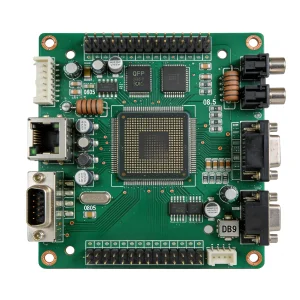
Top 10 Laboratory Automation Equipment PCB Assembly--STHL Manufacturers, Factories
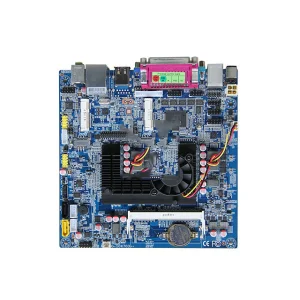
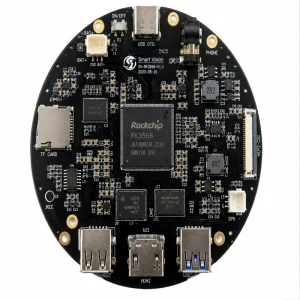
Executive Summary: What Buyers Really Mean by “China Top SMT Assembly Line Manufacturers & Factories”
The search phrase China Top SMT Assembly Line Manufacturers & Factories looks like a directory query, but the real user intent is much deeper. Global OEMs, hardware startups, procurement teams, and quality engineers are usually trying to answer four practical questions: who can assemble the board reliably, who can source components with traceability, who can prove process control with certifications and inspection data, and who can ship to my market without creating hidden cost or IP risk. That is why a true semantic search evaluation of a China SMT assembly line factory must look beyond machine lists and unit price.
In a semantic search context, this topic clusters with turnkey PCBA manufacturer, SMT and THT assembly, high-mix low-volume production, component sourcing, DFM and BOM review, AOI, X-ray, ICT and FCT, MES traceability, IATF 16949, ISO 13485, box build, and global logistics. A manufacturer that satisfies only one of those requirements is not a top supplier for critical electronics. A top supplier connects them into one controlled manufacturing system.
China remains the world’s most concentrated SMT assembly ecosystem because Shenzhen and the Greater Bay Area combine PCB fabrication, component distribution, tooling, fixtures, test engineering, conformal coating, cable assembly, enclosure integration, and export logistics within a short supply radius. For overseas buyers, this density reduces coordination time and creates more engineering alternatives when a part is obsolete or a design needs cost reduction. STHL, based in Shenzhen since 2006, is a practical benchmark: a 10,000+ m² facility, 220+ staff, 50+ engineers, 7 SMT lines, 2 DIP/THT lines, 2 functional test lines, 2 box build lines, full turnkey sourcing, no MOQ, NDA before RFQ, and 99.5% on-time delivery across 90+ regions.
This guide is written with information gain in mind: it maps the Chinese SMT assembly line advantage, explains how a top line is technically configured, identifies the 2026 trends reshaping supplier selection, localizes applications across medical, automotive, security, industrial, energy, and consumer markets, and provides a procurement checklist for global buyers. The product programs shown above and at the bottom of this page demonstrate the application breadth behind the term “China SMT assembly line factories.”
Why China’s SMT Assembly Line Ecosystem Still Wins Complex PCBA Projects
China’s advantage is not simply labor cost. It is a compressed supply chain where PCB fabrication, component sourcing, SMT assembly, testing, tooling, and final assembly can be coordinated under one quality system and one delivery plan.
Shenzhen Supply-Chain Density
PCB fabrication, component distribution, fixtures, stencils, cable assembly, and enclosure suppliers are close enough to resolve engineering issues quickly and reduce idle time between production steps.
High-Mix Flexibility
Prototype, low-volume, and mass-production orders can run through the same factory. STHL’s 7 SMT lines and 2 DIP/THT lines support mixed-technology boards, fine-pitch parts, BGA, and box build.
Engineering Depth
DFM review, BOM scrubbing, alternate-part suggestions, EOL risk review, test fixture planning, and cost-down engineering help buyers avoid expensive surprises after tooling and material commitments.
Quality System Maturity
IATF 16949, ISO 9001, ISO 14001, and ISO 13485 systems are supported by AOI, X-ray, ICT, functional testing, and lot traceability rather than by certificates alone.
Global Component Access
STHL works with 100+ agents and suppliers covering more than 500,000 part numbers. That network helps mitigate allocation risk, counterfeit exposure, and long lead-time components.
Export-Ready Delivery
ESD-safe packaging, shipment documentation, repeat-production planning, and experience across 90+ countries and regions make China SMT assembly a scalable option for global OEMs.
Inside a Top SMT Assembly Line: Process Control Beats Machine Count
A top SMT assembly line is defined by solder paste control, placement accuracy, thermal profiling, inspection feedback, traceability, and operator discipline. The machine list matters, but the process system matters more.
Solder Paste Printing & SPI
Stencil tension, paste shelf-life control, print pressure, and solder paste inspection determine whether fine-pitch and BGA placements have a stable foundation.
High-Speed Pick-and-Place
Placement accuracy, feeder reliability, nozzle strategy, and line balancing affect first-pass yield on high-mix boards with fine-pitch components and dense layouts.
Reflow & Thermal Profiling
Each board requires a validated thermal profile. Reflow control protects solder joint integrity and reduces warpage risk for BGAs, QFNs, and mixed-technology assemblies.
AOI, X-Ray & Visual Inspection
Automated optical inspection catches placement and solder defects, while X-ray verifies hidden joints. Inspection data should feed corrective actions, not just final reports.
THT, DIP & Selective Soldering
Mixed-technology products need reliable through-hole assembly, selective soldering, cleaning control, and handling plans for connectors, relays, and high-mass components.
ICT, FCT & Box Build
In-circuit testing, functional testing, IC programming, conformal coating, cable assembly, and enclosure integration turn a bare PCBA into a shippable product.
For buyers, the practical audit question is not “how many placement machines do you have?” but “how do you prevent, detect, contain, and trace a defect from paste printing to final shipment?” A factory that can answer that question with data is a stronger long-term partner than a factory that competes only on quoted unit price.
8 Trends Reshaping China SMT Assembly Line Factories
Procurement priorities are shifting from “can you assemble this board?” to “can you sustain quality, traceability, and supply continuity as our volumes and compliance requirements change?”
High-Mix, Low-Volume Growth
More SKUs, shorter product life cycles, and regional customization push factories to improve quick changeover, feeder setup, and engineering responsiveness.
MES & ERP Traceability
Reel-to-board traceability, lot control, work-order visibility, and inspection records are becoming baseline expectations for automotive and medical buyers.
Automotive-Grade Quality
IATF 16949 discipline, PPAP-style documentation, change control, and failure analysis support ADAS, VCU, ECU, TCU, HUD, and in-vehicle electronics.
Medical Device Compliance
ISO 13485 environments require clean process control, validated testing, lot traceability, and careful handling of drug delivery, monitoring, and diagnostic products.
Supply-Chain Resilience
Multi-source component strategies, alternate-part engineering, and early BOM risk screening reduce the impact of allocation and end-of-life events.
DFM-Driven Cost Engineering
Cost reduction is increasingly designed into the product through panelization review, layout recommendations, test simplification, and BOM optimization.
Advanced Packaging Demands
BGA, HDI, rigid-flex, fine-pitch, and high-density boards require stronger X-ray verification, stack-up control, and process capability analysis.
Sustainability & RoHS
RoHS-compliant assembly, ISO 14001 environmental management, waste control, and packaging optimization are now part of supplier qualification.
Where China SMT Assembly Lines Deliver Practical Value
Different markets demand different evidence. A security device buyer may prioritize cost and fast ramp, while an automotive or medical buyer needs tighter change control, testing evidence, and traceability.
Medical & Healthcare
Monitoring, diagnostics, wearables, drug delivery systems, and laboratory automation benefit from ISO 13485 controls and lot traceability.
Automotive Electronics
VCU, ECU, TCU, HUD, lighting, charging, and infotainment boards require IATF 16949 discipline and thermal/vibration resilience.
Aerospace & Cockpit Systems
Cockpit voice recorder PCBA, multifunction display PCBA, and high-reliability boards require strict documentation and inspection discipline.
Industrial Control
PLC, motor drive, sensor, metal detector, and automation boards need robust assembly, conformal coating options, and test coverage.
Smart Home & IoT
Door/window sensor PCBA, gateways, and connected devices require cost-effective BOM sourcing and stable repeat-production quality.
Security & Surveillance
DVR PCB assembly, security monitor PCB assembly, and electronic fence vibrator PCB assembly demand reliable video, power, and signal performance.
Communication & PoE
PoE injector PCB assembly and network power products require controlled magnetics handling, thermal planning, and functional testing.
Power Supply & Energy
Power electronics, energy storage, and charging systems need creepage/clearance control, heavy-copper capability, and safety-focused testing.
Environmental Monitoring
Noise monitoring equipment PCB assembly and environmental sensor boards require stable analog performance and long-field-life reliability.
Consumer Electronics
E-book readers PCBA, peripherals, and wearable products need fast prototyping, attractive cost engineering, and scalable mass production.
From Gerber Files to Global Shipment: One Controlled Workflow
Top China SMT assembly line manufacturers are not just assembly vendors. They act as manufacturing architects who connect design data, component supply, process engineering, testing, and logistics.
DFM & BOM Review
Engineering checks Gerber, BOM, centroid data, footprints, panelization, and end-of-life risk before material is ordered. This is where many delays and cost overruns are prevented.
Component Sourcing
Full turnkey, partial turnkey, and consigned assembly are supported. Parts pass incoming inspection, MSD control, and traceability checks before release to the line.
PCB Fabrication
Bare boards are produced to the required stack-up, surface finish, impedance, and material specification, from standard rigid boards to HDI, flexible, and rigid-flex.
SMT & THT Assembly
Fine-pitch, BGA, mixed-technology, and high-density boards are assembled with line balancing, inspection feedback, and controlled handling.
Inspection & Testing
AOI, X-ray, ICT, functional testing, IC programming, and conformal coating are selected according to product risk and end-market requirements.
Box Build & Delivery
Cable assembly, enclosure integration, final test, ESD-safe packaging, and export documentation prepare the product for shipment to 90+ regions.
For global OEMs, this workflow reduces supplier count and accountability gaps. Instead of managing a PCB shop, a component broker, an assembly house, a test house, and a box-build vendor separately, the buyer can use one manufacturing partner with a documented handoff at every stage.
How OEMs De-Risk a China SMT Assembly Partner
The lowest quoted unit price can become the most expensive decision if component authenticity, IP protection, delivery reliability, or testing evidence is weak. Supplier qualification should be structured around risk.
NDA Before RFQ
Design files, firmware, BOMs, and test procedures should be protected before technical review. STHL signs an NDA before RFQ and limits project access to the assigned engineering team.
No MOQ & Scalable Capacity
Prototype and mass-production orders should be supported by the same supplier so the design can be validated, then scaled without re-qualifying a new factory.
Component Authenticity
Incoming inspection, supplier qualification, reel traceability, and alternate-part engineering reduce counterfeit risk and allocation exposure.
Certification Evidence
IATF 16949, ISO 9001, ISO 14001, and ISO 13485 certificates should match the product’s end-market requirements and be supported by process data.
Documentation Package
Inspection reports, test logs, material declarations, change records, and traceability data should be available for audit and customer quality files.
Factory Audit & Virtual Tour
On-site visits or a 360° virtual factory tour help procurement and quality teams verify line conditions, material handling, and test areas before commitment.
Cross-Border Logistics
ESD packaging, carton labeling, shipment consolidation, and export experience reduce damage risk and customs friction for global deliveries.
Engineering Communication
Clear English communication, time-zone planning, RFQ discipline, and responsive change control are as important as machine capability.
STHL Factory Profile: A Practical Benchmark for China SMT Assembly Line Factories
Shenzhen STHL Electronics Co., Ltd. is a certified EMS and ODM provider founded in 2006. Its capabilities illustrate how a China SMT assembly line factory can combine engineering, sourcing, assembly, testing, and box build under one quality system.
Dust-Free Smart Factory
10,000+ m² highly automated production space with controlled material handling and dedicated assembly areas.
20 Years of Experience
Proven know-how across PCB fabrication, SMT/THT assembly, testing, and box build since 2006.
Global Sourcing
500,000+ part numbers through 100+ agents and suppliers, with BOM optimization and alternate-part support.
Fully Certified
IATF 16949, ISO 9001, ISO 14001, and ISO 13485 systems, with RoHS-compliant assembly.
ERP & MES Tracking
Real-time production status, work-order visibility, and lot traceability from incoming material to finished board.
Cost-Down Engineering
DFM and BOM optimization by an engineering team focused on reducing total cost, not just component price.
No MOQ
Prototype, low-volume, and large-quantity orders are welcome, enabling a smoother path from validation to mass production.
NDA Before RFQ
Design data and IP are protected from the first technical discussion, with restricted project access.
Fast Delivery
99.5% on-time delivery across global shipments, supported by 7 SMT lines, 2 DIP/THT lines, 2 test lines, and 2 box-build lines.
China SMT Assembly Line Sourcing FAQs for Overseas Buyers
These answers address the questions engineering, procurement, and quality teams ask before selecting a China SMT assembly line manufacturer or turnkey PCBA factory.
What files do I need to submit for a PCBA project?
Send Gerber files, a BOM with manufacturer part numbers, the pick-and-place centroid file, and assembly drawings. If you need IC programming or functional testing, include firmware and test procedures. A capable supplier will complete a DFM and BOM review before production starts.
Is there a minimum order quantity (MOQ)?
No. STHL accepts prototype, low-volume, and high-volume PCB assembly orders, so buyers can validate a design and scale to mass production with the same supplier. This reduces re-qualification effort and protects continuity.
Can STHL source all the electronic components?
Yes. Full turnkey, partial turnkey, and consigned assembly are supported. The sourcing team works with 100+ agents and suppliers covering more than 500,000 part numbers, with incoming inspection and traceability from reel to finished board.
Which quality certifications does STHL hold?
STHL is certified to IATF 16949, ISO 9001, ISO 14001, and ISO 13485, and produces RoHS-compliant assemblies. Boards are verified with AOI, X-ray, ICT, and functional testing according to product risk.
How do you protect our design files and IP?
An NDA is signed before RFQ. Project data is restricted to the assigned engineering team, and every build is tracked through ERP and MES systems. Buyers should always confirm document-control practices during supplier qualification.
Can we audit or visit the factory?
Yes. Customers are welcome to visit the Shenzhen factory and R&D laboratory, and a 360-degree virtual factory tour is available for remote evaluation. Audits should cover SMT lines, material storage, test areas, and traceability records.
How should I compare China top SMT assembly line manufacturers?
Compare line capability, certifications, component sourcing depth, inspection methods, traceability, engineering response, NDA policy, MOQ flexibility, on-time delivery data, and experience in your end market. Do not compare only unit price.
What lead time can buyers reasonably expect?
Lead time depends on PCB fabrication, component availability, assembly complexity, testing, and documentation. Prototype orders can move faster, while automotive or medical projects may require more validation time. A detailed RFQ should define material lead time, production time, test time, and shipping method.
8 Additional SMT Assembly Line Solutions for Critical Applications
These programs cover vehicle control, perimeter security, cockpit recording, smart home sensing, automotive electronics, multifunction displays, transmission control, and consumer electronics.
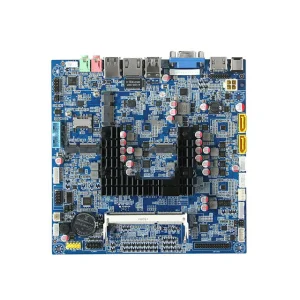
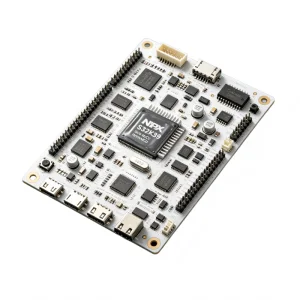
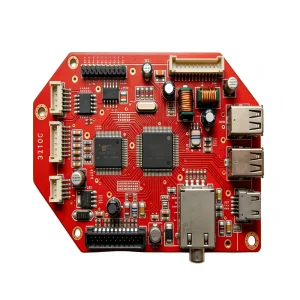
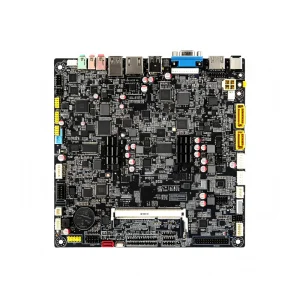
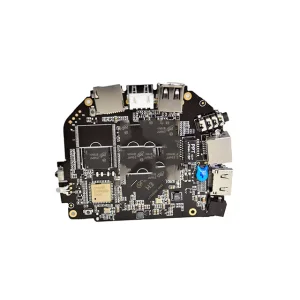
China Leading Electronic Control Unit (ECU) PCB Assembly Solution Provider, from China
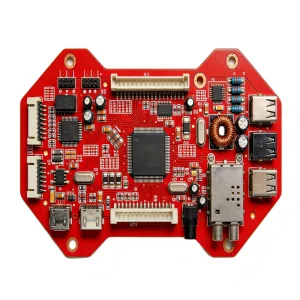
High-Reliability Multifunction Display (MFD) PCBA Assembly--STHL Solutions, from China
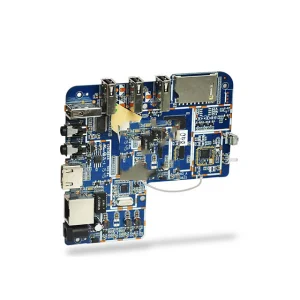
High-Reliability Transmission Control Unit (TCU) PCB Assembly Partner, Factories
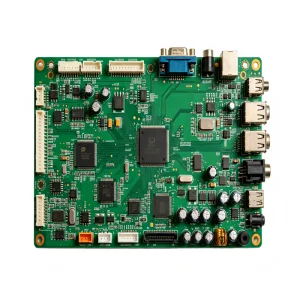
Planning a High-Reliability SMT Assembly Build in China?
Use this guide as a qualification checklist: verify the SMT line, ask for traceability evidence, review certifications, confirm IP protection, compare engineering response, and validate the application experience behind the factory. STHL combines 20+ years of EMS experience, 7 SMT lines, full turnkey sourcing, no MOQ, NDA before RFQ, IATF 16949, ISO 9001, ISO 14001, and ISO 13485 systems.
