China Top SMD Lines Solutions & from China
Turnkey SMT and THT PCBA manufacturing, component sourcing, functional testing and box build from Shenzhen STHL Electronics — a certified EMS partner for global OEMs since 2006.
China Top SMD Line PCBA Products for Demanding Applications
These eight product families show how STHL’s SMD lines support power, security, aerospace, medical imaging, inertial sensing and flight-control electronics. Each button preserves the original product URL.
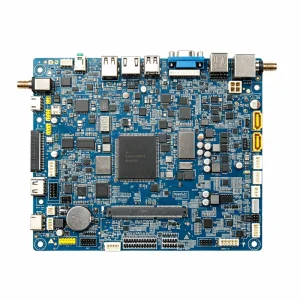
China Leading PoE Power Supply (Power over Ethernet) PCB Assembly--STHL Supplier, Manufacturers
View product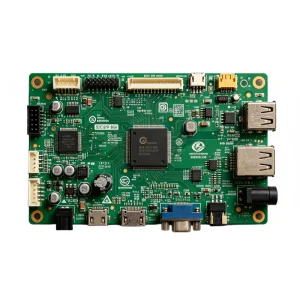
High Quality Air Data Inertial Reference Unit (ADIRU) PCBA Assembly--STHL Service, Factories
View product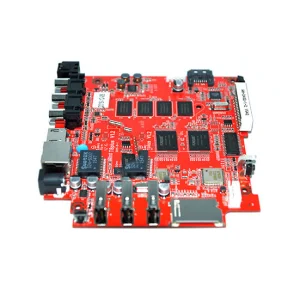
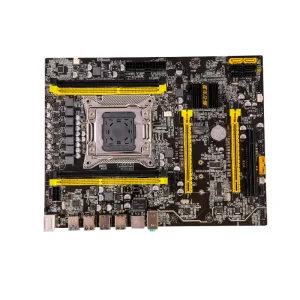
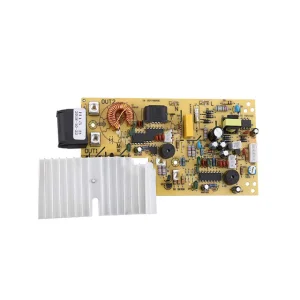
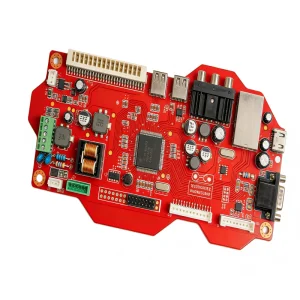
What Are SMD Lines, and Why Does the Definition Matter for Buyers?
An SMD line is not a single machine; it is a synchronized sequence of solder-paste printing, solder-paste inspection, high-speed pick-and-place, reflow, automated optical inspection, X-ray verification for hidden joints, and electrical or functional test. In a China PCBA factory, the quality of an SMD line is determined less by the latest model number on the label and more by recipe control, feeder discipline, moisture-sensitive device handling, first-article approval, traceability and engineering ownership.
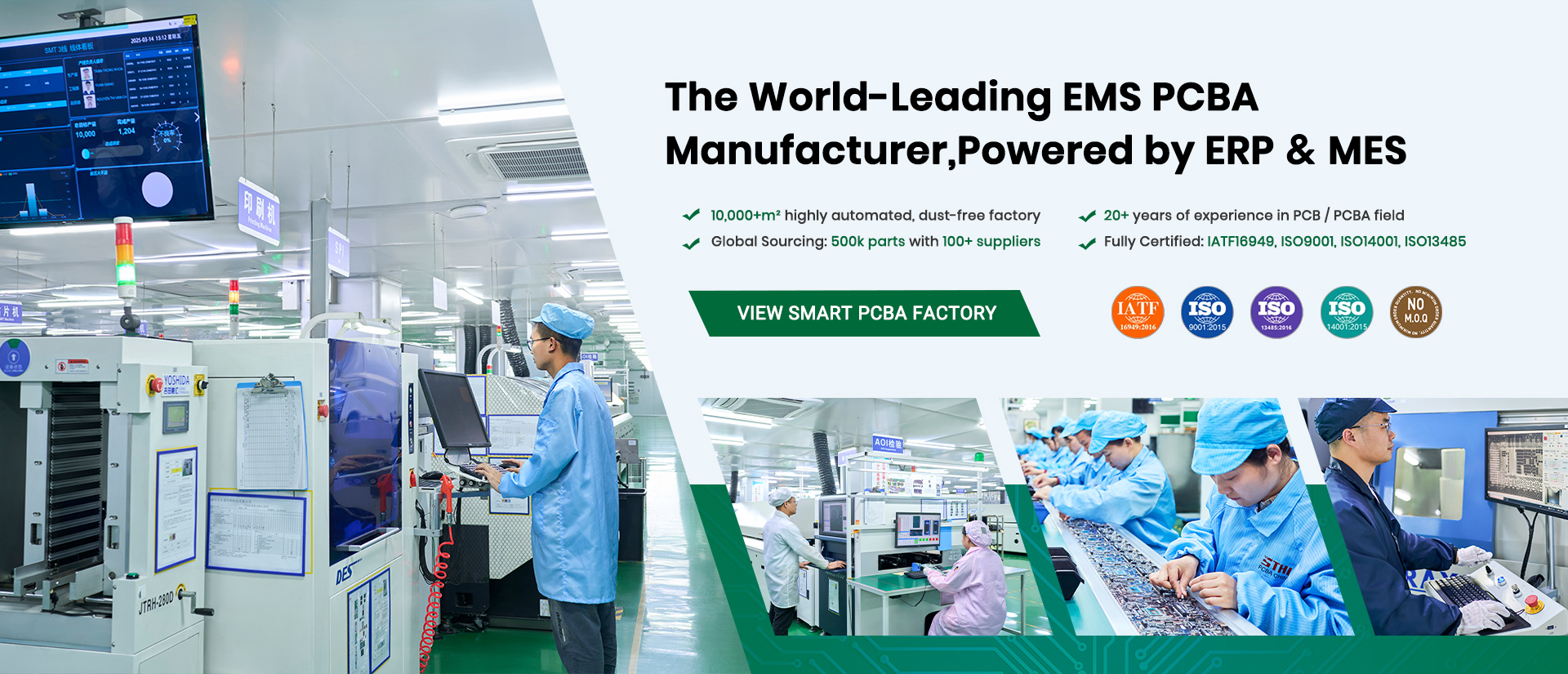
At Shenzhen STHL Electronics, SMD lines are configured for high-mix production: fine-pitch components, BGA, rigid-flex boards, HDI, mixed SMT/THT assemblies and low-to-volume orders. Since 2006, the company has combined PCB fabrication, component sourcing, SMT/THT assembly, cable assembly, box build and testing under one roof. The facility covers 10,000 m², employs 220+ staff and includes 50+ engineers, 7 SMT lines, 2 DIP/THT lines, 2 functional test lines and 2 box build lines. This matters because global buyers do not simply purchase machine time; they buy predictable yield, repeatable documentation and a partner who can solve design-for-manufacturing issues before mass production.
STHL accepts prototype, low-volume and high-volume orders with no MOQ, signs an NDA before RFQ, and reviews Gerber, BOM and centroid data for manufacturability before material is ordered. Components are sourced through 100+ agents and suppliers covering more than 500,000 part numbers, and assemblies are verified with AOI, X-ray, ICT and functional testing. The result is a China SMD line solution that can support a first article, a pilot run and repeat production without changing the quality system. Review the PCBA solution capability
- IATF 16949, ISO 9001, ISO 13485 and ISO 14001 controlled processes
- DFM and BOM review before production
- ERP/MES traceability from incoming reel to finished board
- No MOQ, NDA before RFQ, and factory audits welcome
Why China’s SMD Lines Remain the Benchmark for Turnkey PCBA
China’s manufacturing advantage is not only cost. It is the density of PCB fabrication, component sourcing, stencil tooling, test engineering, cable assembly and enclosure resources available within a short distance. For global OEMs, that ecosystem shortens engineering loops and reduces supply-chain friction.
Shenzhen Supply-Chain Depth
China’s SMD line advantage starts with the Shenzhen electronics cluster. PCB fabricators, component distributors, stencil makers, test houses and enclosure suppliers sit within a short logistics radius, so engineering changes and replacement parts move faster. STHL’s sourcing team works with 100+ agents and suppliers covering more than 500,000 part numbers, which helps buyers reduce line-down risk.
Engineering Velocity and DFM
STHL employs 50+ engineers who review Gerber, BOM and centroid data before production. That DFM review catches footprint errors, end-of-life parts, panelization issues and test-access problems while the design is still easy to change. For overseas buyers, this engineering layer often matters more than a lower unit price because it prevents expensive rework after the first article.
Flexible Capacity from Prototype to Volume
Prototype and mass production should not require two different suppliers. STHL runs 7 SMT lines, 2 DIP/THT lines, 2 functional test lines and 2 box build lines in a 10,000 m² facility. High-mix orders can share the same quality system, documentation and traceability rules as repeat production, with no MOQ on prototype builds.
Quality Systems and Documentation
Quality is documented, not implied. STHL operates under IATF 16949, ISO 9001, ISO 13485 and ISO 14001 systems and verifies assemblies with AOI, X-ray, ICT and functional testing. ERP and MES records support lot traceability, and customers can audit the Shenzhen factory or use a 360-degree virtual tour before placing production orders.
Cost-Down Without Quality Drift
Cost-down engineering focuses on the total landed cost. The team scrubs BOMs, suggests qualified alternates, reviews panel utilization, checks test strategy and removes avoidable process steps. This approach protects yield and reliability while reducing material and assembly waste, which is more sustainable than chasing the lowest quote and discovering hidden quality costs later.
Export-Ready Communication
Global procurement teams need clear communication as much as manufacturing capacity. STHL supports English and Chinese project communication, signs an NDA before RFQ, protects design files within the assigned engineering team and ships to OEMs in 90+ regions. The company reports 99.5% on-time delivery and a 99% qualified shipment rate across production.
Years of EMS experience
m² production facility
Professional engineers
SMT assembly lines
DIP / THT lines
Supplier and agent channels
Component part numbers
On-time delivery
SMD Line Trends Shaping PCBA Sourcing in 2025–2026
Buyers are not only comparing price per placement. They are evaluating how a China SMD line partner handles small lots, advanced packages, component volatility, audit evidence and total landed cost. These trends explain why process maturity matters more than machine brochures.
High-Mix, Low-Volume Production
High-mix, low-volume production continues to rise as OEMs localize product variants and shorten product life cycles. China SMD lines must switch recipes quickly, control feeder setup and maintain documentation across small lots. STHL’s no-MOQ model and 7 SMT lines are structured for prototypes, pilot runs and repeat volume without changing the quality system.
Advanced Packages and Fine-Pitch Boards
Fine-pitch, BGA, HDI, rigid-flex and mixed SMT/THT assemblies are becoming routine in industrial, medical and automotive designs. Buyers should ask how the supplier verifies hidden joints and how it controls stencil apertures, reflow profiles and moisture-sensitive devices. AOI and X-ray data are more useful when they are tied to lot traceability.
Digital Traceability and MES Discipline
Digital traceability is moving from a premium feature to a procurement requirement. MES and ERP records should connect incoming component lots, feeder setup, operator, machine recipe, test result and final shipment. This data shortens root-cause analysis and supports audits for regulated industries, especially automotive and medical device customers.
Automotive and Medical Compliance Convergence
Automotive and medical quality expectations are converging on documentation discipline, change control and risk management. IATF 16949 and ISO 13485 programs demand more than certificate logos; they require evidence that processes are followed. A China SMD partner should show how nonconforming material, engineering changes and rework are controlled.
Component Resilience and Alternate BOM Design
Component volatility has made alternate BOM engineering a core SMD line service. Buyers need suppliers who check lifecycle status, propose qualified substitutes and document approvals instead of silently swapping parts. STHL’s sourcing channels and DFM review help teams plan second sources, reduce counterfeit risk and keep production stable during allocation cycles.
Sustainability and Material Compliance
Sustainability requirements now include RoHS-compliant assemblies, waste control and environmental management. ISO 14001 certification signals that environmental processes are monitored, but buyers should still review material declarations, packaging choices and conformal coating requirements. A robust SMD line solution balances compliance, performance and cost without creating new supply-chain bottlenecks.
Application Scenarios That Stress-Test China SMD Lines
Different end markets place different demands on solder joints, traceability, test coverage and documentation. A medical monitor, an in-vehicle controller, an aerospace computer and a consumer router may share SMT equipment, but they should never share the same risk assumptions.
Automotive Electronics
IATF 16949-controlled SMT and THT assembly for control modules, lighting, charging electronics and sensor boards. Processes are selected for thermal cycling, vibration and long-term reliability, with AOI, X-ray and functional test evidence available for PPAP-style reviews.
Explore automotive PCBAMedical Devices
ISO 13485-controlled PCBA for monitoring, diagnostic, imaging and wearable devices. The MRI imaging and safety/security product families show how high-reliability boards are built with lot traceability, controlled rework and documented inspection for hospital and laboratory equipment programs.
Explore medical PCBAAerospace and Defense Electronics
Air data computers, ADIRU, EICAS, FBW control units, magnetometers and IMUs demand tight process control and strong traceability. STHL’s engineering review, AOI/X-ray inspection and functional test lines support prototype and production builds for aerospace and defense electronics.
Explore aerospace PCBASafety and Security Systems
PoE power supplies, outdoor security cameras, smoke detectors, alarm systems and access-control boards must perform reliably in connected environments. Conformal coating, ICT, functional testing and traceable material lots help protect these assemblies against moisture, contamination and field failures.
Explore safety and security PCBAEnergy, Power and Battery Systems
BMS boards, buck converters, power supplies and energy-management electronics require careful thermal design and component derating. STHL supports mixed SMT/THT assembly, heavy-copper boards and functional test development for power electronics used in storage, charging and industrial energy systems.
Explore energy PCBASmart Home, Routers and Consumer Devices
Wireless headsets, routers, smart-home controls and IoT devices combine fine-pitch SMT, RF layout considerations and cost-sensitive BOMs. Prototype router assembly and consumer-electronics PCBA programs show how STHL moves from small validation builds to repeat production without changing the manufacturing partner.
Explore smart home PCBAMacro Industry Solutions Delivered from a Single SMD Line Footprint
Global buyers increasingly prefer a supplier that can manage the full manufacturing path: engineering review, material sourcing, PCB fabrication, SMT/THT assembly, test, cable assembly and box build. This reduces handoff risk, shortens lead time and keeps traceability intact.
New Product Introduction and Prototype Acceleration
From first article to pilot run, STHL supports NPI with DFM review, BOM scrubbing, stencil and panel design feedback, ICT/FCT planning and fast sample builds. The goal is to find issues before tooling and volume materials are committed.
Turnkey Component Sourcing
Full turnkey, partial turnkey and consigned models are available. Procurement teams can use STHL’s 100+ supplier channels or keep strategic parts consigned, while incoming inspection and reel-to-board traceability are maintained either way.
SMT, THT and Mixed-Technology Assembly
Seven SMT lines and two DIP/THT lines handle fine-pitch, BGA, through-hole and mixed-technology boards. Assembly recipes, reflow profiles, AOI checks and X-ray inspection are documented for repeatability across prototypes and production.
Test Engineering and Traceability
Test engineering can include IC programming, ICT, functional test, burn-in support and fixture coordination. Results are logged against serial numbers or lots, giving buyers evidence for incoming quality, root-cause analysis and regulated-industry audits.
Cable Assembly, Box Build and Fulfillment
Beyond the board, STHL offers cable and wire harness assembly, enclosure integration, final packaging and ESD-safe shipment. Box build services reduce the number of suppliers a global OEM must manage while keeping final test and traceability close to PCBA production.
Lifecycle and Obsolescence Management
Lifecycle management includes alternate-part proposals, obsolete-part alerts, last-time-buy planning and documentation control. For long-life industrial, medical and aerospace programs, proactive support is as important as the SMD line’s placement speed.
Global Procurement Requirements for China SMD Line Partners
Overseas buyers need more than a quotation. They need evidence of IP protection, supplier qualification, BOM resilience, traceability, logistics control and total-cost engineering. These requirements are especially important when production supports products sold across the USA, Germany, Italy, the UK, Poland, New Zealand, Brazil and 90+ other regions.
NDA and IP Control
IP protection should begin before drawings are shared. STHL signs an NDA before RFQ, limits project data to the assigned engineering team and tracks builds through ERP and MES. Buyers should require written data-handling rules, user access controls and clear ownership of tooling, fixtures and test code.
Supplier Qualification and Factory Audit
A China SMD line partner should be auditable, not just certifiable. Review the quality manual, incident history, corrective-action process, equipment maintenance records and operator training. Factory visits and a 360-degree virtual tour help remote procurement teams pre-qualify STHL before a formal audit.
BOM Resilience and Counterfeit Avoidance
Global buyers need documented component decisions. Ask how the supplier verifies authorized channels, handles moisture-sensitive devices, records lot codes and approves alternate parts. Counterfeit avoidance, lifecycle checks and change notification are essential when a single BOM supports products sold in multiple regions.
Quality Documentation and Traceability
Required documentation may include CoC, test reports, first-article inspection, reflow records, AOI/X-ray results and traceability data. For medical and automotive programs, change control and nonconformance records matter as much as final yield. STHL’s quality systems are designed to support these audit trails.
Cross-Border Logistics and Incoterms
Cross-border PCBA procurement must account for Incoterms, ESD-safe packaging, export documentation, shipping method and customs requirements. STHL ships to customers in 90+ countries and regions and can support packaging and labeling needs for distributors, contract manufacturers and end-product assembly sites.
Total Cost Engineering
The lowest quotation is rarely the lowest total cost. Buyers should compare engineering hours, test coverage, yield, rework risk, freight and inventory exposure. STHL’s cost-down engineering focuses on BOM optimization, panel efficiency and process stability to reduce total landed cost rather than merely cutting material quality.
Quality Systems, Certifications and Verifiable Manufacturing Experience
E-E-A-T for a manufacturing page is built on verifiable experience, documented expertise, authority and trust signals. Buyers should be able to connect certifications to real processes, real equipment and real traceability records.
STHL has operated as a Shenzhen EMS and ODM provider since 2006, employs 220+ staff, including 50+ engineers, and runs a 10,000 m² facility with 7 SMT lines, 2 DIP/THT lines, 2 functional test lines and 2 box build lines. These are not vanity metrics; they explain why the factory can support high-mix programs without losing traceability. The engineering team reviews Gerber, BOM and centroid files before production, while the quality team controls incoming material, in-process inspection and final test.
This page is reviewed by STHL’s engineering and quality team against production data and the management systems used at the Shenzhen facility. Certifications include IATF 16949, ISO 9001, ISO 14001 and ISO 13485. Assemblies are RoHS-compliant and verified with AOI, X-ray, ICT and functional testing. Customers can request a catalog, audit the factory, or start with an NDA-protected RFQ through [email protected].
 IATF 16949
 ISO Certified
 ISO 9001
 ISO 14001
From Gerber Files to Global Shipment in Six Controlled Steps
Knowing what happens after a purchase order removes uncertainty. This is how an STHL PCBA project moves through engineering, sourcing, fabrication, assembly, test and final fulfillment.
DFM and BOM Review
Engineers check Gerber, BOM and centroid data for manufacturability, footprint errors and end-of-life parts before any material is ordered. This step also flags test access, panelization and stencil requirements.
Component Sourcing
Parts are purchased through 100+ agents and suppliers, then pass incoming inspection and moisture-sensitive device control. Every material lot is linked to the build record for traceability.
PCB Fabrication
Bare boards are produced to the required stack-up, surface finish and impedance targets, from single-layer and standard boards to HDI, rigid-flex and heavy-copper designs.
SMT and THT Assembly
Seven SMT lines and two DIP/THT lines handle fine-pitch, BGA and mixed-technology boards for prototypes and mass production. Reflow profiles and feeder setup are controlled by recipe.
Inspection and Testing
AOI, X-ray, ICT and functional tests, plus IC programming and conformal coating, are logged in MES. Test results support shipment release and traceability.
Box Build and Delivery
Cable assembly, enclosure integration and ESD-safe packaging are completed before shipment. STHL ships to OEMs in 90+ countries and regions with 99.5% on-time delivery.
Why Global OEMs Choose STHL for China SMD Lines
Measurable capacity, documented quality systems and engineering support that reduces total cost—not just the unit price—are the reasons buyers keep STHL on approved supplier lists.
Dust-Free Smart Factory
10,000+ m² highly automated production space with controlled environments.
20 Years of Experience
Proven EMS and PCBA know-how in Shenzhen since 2006.
Global Sourcing
500,000+ part numbers through 100+ agents and suppliers.
Fully Certified
IATF 16949, ISO 9001, ISO 14001 and ISO 13485 systems.
ERP and MES Tracking
Real-time production visibility and lot traceability.
Cost-Down Engineering
DFM and BOM optimization by an experienced engineering team.
No MOQ
Prototype, low-volume and high-volume orders are all welcome.
Fast Delivery
99.5% on-time delivery and a 99% qualified shipment rate.
What Engineers and Buyers Say About STHL
Feedback from hardware engineers, designers and company owners across North America, Europe and beyond provides a practical trust signal for new buyers evaluating a China SMD line partner.
Excellent team to work with and fast delivery with high-quality boards. We are very happy to work with such a good supplier. Thanks again.
PauloR&D Engineer · United StatesPlease extend my thanks to your team for your hard work in preparing these samples. This positive experience has strengthened my confidence in your company, and I am looking forward to discussing bulk orders in the near future.
OliviaHardware Engineer · GermanyWe are satisfied with the last order. You did a great job on those boards and the lead time was short. I will place a new order soon.
WilliamCEO · ItalyWe have tested all the boards and I am highly pleased. I will repeat my order soon. Thank you again for your excellent service.
AnnaSr. Hardware Designer · New ZealandFAQ: China SMD Lines and Turnkey PCBA Sourcing
Straight answers to the questions procurement and engineering teams ask before selecting a PCB assembly manufacturer in China.
What files do I need to submit for a PCBA project?
Send Gerber files, a BOM with manufacturer part numbers, the pick-and-place centroid file and assembly drawings. If you need IC programming or functional testing, include firmware and test procedures. STHL engineers complete a DFM and BOM review before production starts.
Is there a minimum order quantity (MOQ)?
No. STHL accepts prototype, low-volume and high-volume PCB assembly orders, so you can validate a design and scale to mass production with the same supplier.
Can STHL source all the electronic components?
Yes. Full turnkey, partial turnkey and consigned assembly are available. The sourcing team works with 100+ agents and suppliers covering more than 500,000 part numbers, with incoming inspection and traceability from reel to finished board.
Which quality certifications does STHL hold?
STHL is certified to IATF 16949, ISO 9001, ISO 14001 and ISO 13485, and produces RoHS-compliant assemblies. Boards are verified with AOI, X-ray, ICT and functional testing.
How do you protect our design files and IP?
STHL signs an NDA before RFQ, restricts project data to the assigned engineering team and tracks every build through ERP and MES systems. Buyers can also request written data-handling controls and clear ownership of tooling, fixtures and test code.
Can we audit or visit the factory?
Yes. Customers are welcome to visit the Shenzhen factory and R&D laboratory at any time, and a 360-degree virtual factory tour is available for remote evaluation.
How do China SMD lines handle BGA and fine-pitch components?
Fine-pitch and BGA assemblies are controlled through stencil design, solder-paste inspection, verified placement recipes, reflow profiling and X-ray inspection. AOI checks visible joints while X-ray verifies hidden solder joints. For prototypes, engineers review pad geometry and thermal reliefs before the first build; for production, critical parameters are locked in the MES recipe.
What lead times should global buyers expect?
Lead time depends on board complexity, component availability, testing and quantity. Prototype builds are scheduled after DFM/BOM review and material confirmation; volume orders include fabrication, assembly, test and final packaging time. STHL reports 99.5% on-time delivery and confirms a project schedule after engineering review.
What is the difference between full turnkey, partial turnkey and consigned assembly?
Full turnkey means STHL sources PCB fabrication, components and assembly. Partial turnkey means some parts are consigned by the customer or supplied through approved channels. Consigned assembly keeps more material control with the buyer but still passes incoming inspection and traceability. The right model depends on IP, strategic parts, cash-flow policy and supply risk.
More China SMD Lines PCBA Products from STHL
These additional product families extend STHL’s SMD line coverage into wireless audio, battery management, safety detection, alarm systems, avionics alerting, power conversion, networking and connected protection applications.
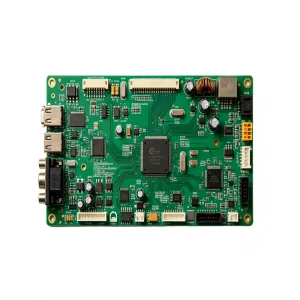
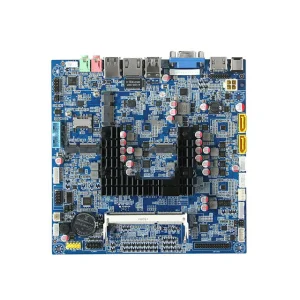
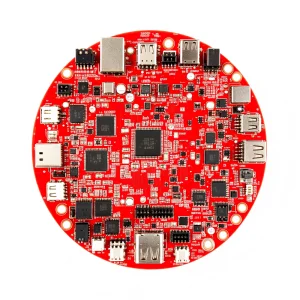
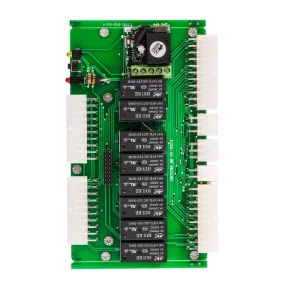
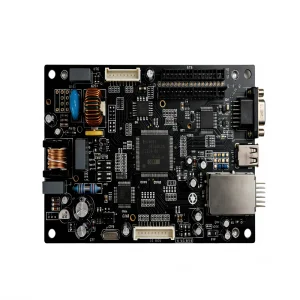
China Top Engine Indicating and Crew Alerting System (EICAS) PCBA Assembly--STHL from China, Manufacturers
View product