
Quick-Turn Cable Assembly & PCBA Programs Built Around Real Product Constraints
The platforms below show how cable assemblies, wire harnesses, PCBAs, power electronics, sensing modules and control boards converge in the same supply chain. Each product program benefits from STHL’s Shenzhen manufacturing ecosystem, engineering review, component sourcing and box-build capability.
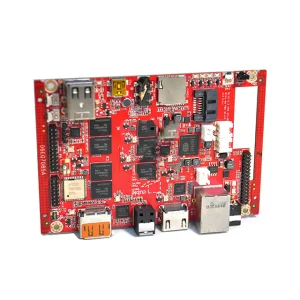
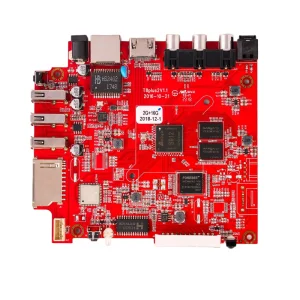
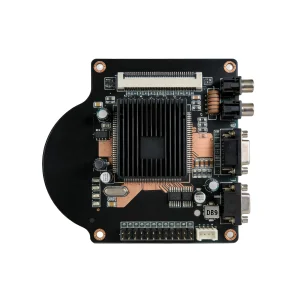
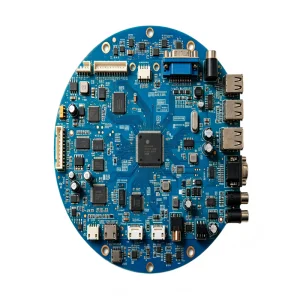
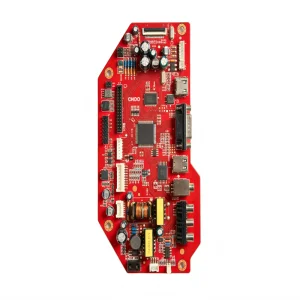
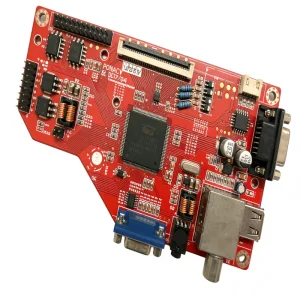
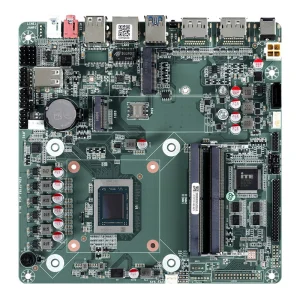
Quick Turn Cable Assemblies: From Prototype Urgency to Production Discipline
When engineering teams search for a China top quick turn cable assemblies company, the intent is rarely limited to “who can ship fastest?” The real question is who can absorb uncertainty: incomplete drawings, hard-to-find connectors, changing BOMs, short prototype runs, regulatory documentation and a production ramp that may follow within weeks.
In practice, a quick-turn cable assembly project combines three separate clocks. The engineering clock measures DFM feedback, connector availability, drawing clarification and first-article approval. The material clock measures component lead times, cross-reference validation, incoming inspection and lot traceability. The production clock measures crimping, soldering, overmolding where required, continuity testing, PCBA integration and ESD-safe packaging.
STHL’s model is built for the overlap between those clocks. With a factory in Shenzhen since 2006, more than 220 staff, 50+ engineers and a 10,000 m² facility, the company operates as an EMS and ODM partner rather than a single-process workshop. Quick-turn cable assembly work is supported by PCB fabrication, component sourcing, SMT/THT PCBA, IC programming, conformal coating, functional testing, cable assembly and box build. That integration is the information gain for buyers: fewer handoffs, fewer unknown quality gates, and clearer accountability when a design moves from prototype to production.
A quick-turn quotation should therefore be treated as an engineering document, not just a price. It should identify assumptions, alternate connectors, tooling requirements, test coverage, documentation, packaging and the exact point at which a low-volume build becomes a repeatable production build. STHL’s no-MOQ policy lets buyers validate a design first and scale later through the same controlled workflow.
Why quick turn is a supply-chain strategy
Speed matters most when it reduces the cost of being wrong. A fast prototype that cannot be traced, tested or repeated simply moves risk downstream.
- NDA before RFQ protects design files and IP from day one.
- DFM and BOM review catch footprint, lifecycle and assembly issues before material is ordered.
- ERP and MES tracking connect material lots, build status and shipment records.
- AOI, X-ray, ICT and FCT give engineering teams evidence, not assumptions.
Quote speed with engineering substance
Fast response is useful only when it is technically accurate. STHL reviews Gerber, BOM, centroid data, cable drawings and test expectations before production, so the quote reflects real manufacturability rather than wishful lead time.
NPI without tooling lock-in
Prototype and low-volume orders are welcome with no MOQ. This gives product teams room to iterate connectors, wire routing, enclosure fit and PCB interfaces before committing to larger volumes.
Traceability from reel to finished board
Incoming inspection and ERP/MES records help maintain continuity from component reel to finished PCBA, cable assembly and box-built system, supporting audits and field-quality investigations.
Industry Trends Expanding the Definition of Quick Turn
Quick-turn cable assembly is moving away from a simple “rush order” category. It is becoming a manufacturing model for high-mix, low-volume and engineering-led product companies that need speed without sacrificing compliance, traceability or repeatability.
High-mix, low-volume becomes normal
Industrial automation, medical devices, robotics, energy systems and smart infrastructure increasingly require many variants in modest quantities. Cable assemblies must be built, tested and documented without forcing a single high-volume configuration.
The digital thread reaches the harness
Buyers want revision-controlled drawings, component lot records, test evidence and shipment traceability. A cable assembly is no longer a passive accessory; it is part of the product’s quality record and lifecycle documentation.
Cable, PCBA and box build converge
More OEMs prefer one partner for board assembly, cable assembly, enclosure integration and final test. Integrated manufacturing reduces handoff delays, shipping risk and the finger-pointing that occurs when a system fails at the enclosure level.
Test-first engineering gains priority
Functional test, continuity checks and programming are being planned earlier in the NPI cycle. Designing test access into the cable and PCBA assembly improves first-pass yield and shortens the path from prototype to qualified shipment.
What Global Buyers Now Expect from a China Quick-Turn Partner
Procurement teams in the USA, Germany, Italy, the UK, Poland, New Zealand, Brazil and 90+ other regions are not simply comparing unit prices. They are comparing supplier resilience, engineering response, compliance evidence and the total cost of a delayed launch.
Faster engineering feedback
Buyers expect questions answered before a production order is placed: connector alternates, cable gauge, assembly sequence, panelization, test access and packaging. STHL’s engineering review helps convert incomplete RFQ documents into buildable instructions.
Supply-chain visibility
Component shortages and allocation risk have made sourcing a strategic function. STHL works through 100+ agents and suppliers covering more than 500,000 part numbers, with full turnkey, partial turnkey and consigned assembly options.
Compliance evidence
IATF 16949, ISO 9001, ISO 13485 and ISO 14001 systems are not decorative badges. Global buyers use these systems as filters for automotive, medical, industrial and environmentally controlled projects.
Continuity after the first shipment
The first quick-turn build is only one data point. Procurement wants a supplier that can repeat quality, manage revisions, preserve documentation and support box build, cable assembly and PCBA ramp-up through the same controlled workflow.
Supply-Chain Resilience and Efficiency Advantages
Factory 4.0 is often described as automation, but the stronger advantage is connected execution. In quick-turn cable assembly and PCBA, resilience means knowing what changed, why it changed and which builds are affected.
Shenzhen remains one of the world’s most concentrated electronics ecosystems. For quick-turn projects, that density matters: bare PCB fabrication options, connector distributors, component agents, tooling shops, test fixtures, cable materials, packaging suppliers and logistics providers are all within reach. STHL’s 10,000 m² facility operates with 7 SMT lines, 2 DIP/THT lines, 2 functional test lines, 2 box build lines and an in-house R&D laboratory. This allows engineering verification, prototype testing and production to be coordinated inside one quality system.
The company’s 220+ staff include 50+ engineers. That ratio is important for quick-turn work because speed is not created by machines alone. It is created by engineers who can review a cable drawing, cross-reference a connector, identify an end-of-life risk, suggest an alternate BOM line and define a functional test before production begins.
Factory 4.0 also changes the risk profile for international buyers. ERP and MES tracking support real-time production status and lot traceability. AOI, X-ray, ICT and functional testing create objective checkpoints. RoHS-compliant production and environmental controls support market access. The result is a manufacturing model that can handle prototype urgency while preserving the documentation discipline expected by regulated industries.
Key resilience indicators
- 20+ years of EMS and PCBA experience since 2006.
- 10,000 m² production facility with in-house R&D laboratory.
- 7 SMT + 2 DIP/THT + 2 test + 2 box build lines.
- 99.5% on-time delivery and 99% qualified shipment rate.
- No MOQ for prototype, low-volume and high-volume orders.
Connected traceability
Material lots, build records and test results can be tracked through ERP and MES systems, reducing the time needed to investigate quality questions.
Automated verification
AOI, X-ray, ICT and functional testing help verify fine-pitch, BGA and mixed-technology assemblies before they move to cable assembly or box build.
Sourcing depth
100+ agents and suppliers, 500,000+ part numbers and incoming inspection reduce exposure to counterfeit, obsolete or untraceable material.
Engineering cost-down
DFM and BOM optimization can improve buildability, testability and lifecycle resilience without waiting for the first mass-production feedback loop.
Why Cable Assembly Speed Is Becoming a Competitive Weapon
Across industries, products are becoming more electrified, connected and software-defined. That increases the number of cable assemblies and wire harnesses per system while reducing tolerance for late prototypes or inconsistent documentation.
Electrification and energy systems
Wind power controllers, industrial power supplies, rack-mount power systems and energy monitoring equipment require reliable cable interfaces, controlled assembly and test evidence before field installation.
Automation and robotics
Production cells, motor drives, PLCs, sensors and safety systems depend on compact cable assemblies that fit inside enclosures and survive vibration, heat and repeated motion.
Medical and healthcare devices
Ward monitoring, diagnostic equipment, pacemakers and wearable systems require ISO 13485-aligned controls, lot traceability, functional testing and careful IP protection.
Smart infrastructure and security
NVRs, gateways, thermostats, LED backlights, surveillance systems and smart-home devices need low-volume NPI support, fast design iterations and reliable production handoff.
Localized Application Scenarios with Global Reliability Requirements
The same quick-turn cable assembly capability must be applied differently depending on the installation environment, regulatory pathway and service model. These scenarios reflect the product categories that global buyers most often bring into STHL’s PCBA and cable assembly workflow.
Electric tools and outdoor equipment
Dust, vibration and battery interfaces demand strain relief, connector retention and repeatable test coverage for control boards and power cables.
Monitoring and environmental sensing
Soil detectors, monitoring systems and sensor nodes require stable interconnects, environmental protection and low-volume variant flexibility.
Smart home and gateways
Thermostats, gateways and smart controllers need compact cable routing, wireless module integration and production documentation for fast product refreshes.
Power supplies and rack systems
Rack-mount and industrial power supplies require controlled current paths, connector selection, thermal awareness and functional testing before shipment.
Medical diagnostics and patient care
Pacemakers, medical PCBAs and ward monitoring systems require ISO 13485-focused process discipline, reliable traceability and NDA-protected engineering collaboration.
CT scanners and imaging equipment
High-value diagnostic equipment demands stable storage, precise assembly and documented quality checks for boards and internal cable connections.
NVR, video and storage systems
High-definition video platforms need stable storage, thermal control and consistent connectivity between boards, drives, fans and front-panel interfaces.
LED lighting and wind power controls
LED strip lighting, direct-lit backlights and wind power controllers require reliable power connections, thermal management and scalable assembly.
From Cable Assembly to Fully Tested Electronic Systems
STHL is not positioned as a single-process cable shop. It is a turnkey EMS and ODM partner that connects PCB fabrication, component sourcing, SMT/THT assembly, cable assembly, testing, conformal coating, IC programming and box build inside one controlled workflow.
Quick-turn cable and wire assembly
Cable assembly is coordinated with board-level manufacturing, enclosure integration and final test, reducing handoffs between suppliers and improving accountability.
Electronic component procurement
Full turnkey, partial turnkey and consigned assembly are supported through 100+ agents and suppliers, BOM scrubbing, alternate-part suggestions and reel-level traceability.
PCB fabrication and PCBA
Standard, prototype, aluminum, flexible, rigid-flex, HDI, Rogers, ceramic, heavy-copper, high-Tg and halogen-free boards can be aligned with SMT/THT assembly.
Testing and inspection
AOI, X-ray, ICT and functional testing provide evidence at the board level. Test access for cable assemblies and box-built systems can be planned earlier in NPI.
Value-added services
IC programming, conformal coating, PCB layout support, cable and wire assembly, ESD-safe packaging and complete box build help simplify supplier management.
No-MOQ scalability
Prototype, low-volume and high-volume orders can run through the same supplier. Buyers validate a design first, then scale with the same quality system and documentation structure.
Certifications, IP Protection and Audit Readiness
For regulated or mission-critical products, supplier trust must be verifiable. STHL operates under IATF 16949, ISO 9001, ISO 13485 and ISO 14001 systems and produces RoHS-compliant assemblies. Every build can be supported by AOI, X-ray, ICT and functional testing, with ERP/MES traceability for production status and lot records.
IATF 16949
Automotive quality management discipline for control modules, lighting and charging electronics that must survive heat and vibration.
ISO 9001
Quality management system supporting repeatable processes, corrective action and consistent production documentation.
ISO 13485
Medical device quality management for monitoring, diagnostic and healthcare electronics with full lot traceability.
ISO 14001
Environmental management system aligned with responsible manufacturing and market access requirements.
IP protection is built into the commercial process. STHL signs an NDA before RFQ, restricts project data to the assigned engineering team and tracks every build through ERP and MES systems. Customers are welcome to visit the Shenzhen factory and R&D laboratory at any time; a 360-degree virtual factory tour is also available for remote evaluation. These practices reduce the friction that procurement and quality teams often experience when adding a new China supplier.
What Engineers and Buyers Say About Working With STHL
Feedback from hardware engineers, R&D teams, designers and company owners across North America, Europe, New Zealand, Brazil and other regions.
“Excellent team to work with and fast delivery with high-quality boards. We are very happy to work with such a good supplier. Thanks again.”
Paulo R&D Engineer · United States“Please extend my thanks to your team for your hard work in preparing these samples. This positive experience has strengthened my confidence in your company, and I'm looking forward to discussing bulk orders in the near future.”
Olivia Hardware Engineer · Germany“The supplier's professionalism is evident in their seamless communication, efficient processing and reliable service. They are a trustworthy and commendable partner.”
Dmitry Ivanov CEO · Romania“We have tested all the boards and I am highly pleased. I will repeat my order soon. Thank you again for your excellent service.”
Anna Sr. Hardware Designer · New ZealandThe Quick-Turn Workflow: From Drawings to Global Shipment
Knowing what happens after an RFQ removes uncertainty. This is how a quick-turn cable assembly, PCBA and box-build project can move through STHL’s factory with visible quality gates.
DFM, BOM and drawing review
Engineers check Gerber files, BOM, centroid data, cable drawings, connector choices, test procedures and assembly expectations before material is ordered.
Component and connector sourcing
Parts are purchased through a broad supplier network, then pass incoming inspection and moisture-sensitive device control where applicable.
PCB fabrication
Bare boards are produced to the required stack-up, surface finish and impedance requirements, from single-layer boards to HDI and rigid-flex.
SMT, THT and cable assembly
Seven SMT lines and two DIP/THT lines handle fine-pitch, BGA and mixed-technology boards. Cable assembly and enclosure integration can be coordinated in the same workflow.
Inspection and functional testing
AOI, X-ray, ICT and functional tests, plus IC programming and conformal coating where required, are logged for traceability.
Box build and global delivery
Cable assembly, final integration and ESD-safe packaging are prepared for shipment to customers in 90+ countries and regions.
20 Years of High-Mix Electronics Manufacturing
Numbers matter when they describe capacity, not marketing. These indicators show the operating base behind STHL’s quick-turn cable assembly and PCBA solutions.
Years of EMS and PCBA experience
Production facility with in-house R&D laboratory
Professional engineers supporting NPI and production
SMT, THT, test and box-build production lines
On-time delivery for global shipments
Qualified shipment rate
Additional capability facts: 220+ staff; 7 SMT assembly lines; 2 DIP/THT lines; 2 functional test lines; 2 box-build lines; full turnkey, partial turnkey and consigned component sourcing; AOI, X-ray, ICT and functional testing; RoHS-compliant production; NDA before RFQ; factory visits and audits welcomed.
Sourcing Quick-Turn Cable Assemblies from China: FAQ
Direct answers to the questions engineering and procurement teams ask before choosing a China quick-turn manufacturing partner for cable assemblies, PCBAs and integrated systems.
What files do I need to submit for a quick-turn cable assembly and PCBA project?
For PCBA, send Gerber files, a BOM with manufacturer part numbers, the pick-and-place centroid file and assembly drawings. For cable assembly, include cable drawings, connector specifications, wire gauge, routing, stripping and crimping requirements, polarity, labeling, continuity or functional test procedures, and packaging instructions. If you need IC programming or functional testing, include firmware and test steps. STHL engineers complete DFM and BOM review before production starts.
Is there a minimum order quantity for cable assembly or PCBA?
No. STHL accepts prototype, low-volume and high-volume orders, so you can validate a design and scale to mass production with the same supplier. This is especially important for quick-turn cable assemblies where connector choices and routing may change after first-article validation.
Can STHL source connectors, electronic components and cable materials?
Yes. STHL offers full turnkey, partial turnkey and consigned assembly. The sourcing team works with 100+ agents and suppliers covering more than 500,000 part numbers, with incoming inspection and traceability from reel to finished board. Connector and cable material sourcing can be coordinated with the PCBA BOM to reduce supplier fragmentation.
Which quality certifications does STHL hold?
STHL is certified to IATF 16949, ISO 9001, ISO 14001 and ISO 13485, and produces RoHS-compliant assemblies. Boards can be verified with AOI, X-ray, ICT and functional testing, with records supporting global buyer audits and regulated-industry requirements.
How do you protect our design files, cable drawings and IP?
STHL signs an NDA before RFQ, restricts project data to the assigned engineering team and tracks every build through ERP and MES systems. Buyers can discuss file-access controls, revision management and documentation requirements during supplier qualification.
Can we audit or visit the factory before placing a production order?
Yes. Customers are welcome to visit the Shenzhen factory and R&D laboratory at any time. A 360-degree virtual factory tour is also available for remote evaluation. For many buyers, an audit combined with a first-article quick-turn build is the fastest way to qualify a new China cable assembly and PCBA partner.
Request a Quick-Turn Cable Assembly and PCBA Quote
Share your Gerber files, BOM, cable drawings, connector list and test expectations. STHL will review manufacturability, sourcing risk and the production path before quoting — so your next prototype build becomes a repeatable supply-chain asset.
More Quick-Turn Cable Assembly and PCBA Applications
These product platforms illustrate the breadth of board-level and system-level programs that can be supported by integrated cable assembly, component sourcing, SMT/THT production, testing and box build.
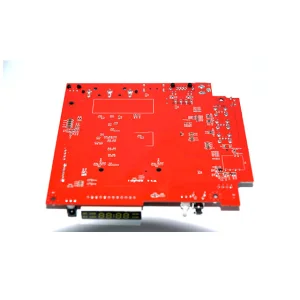
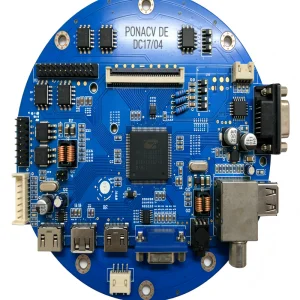
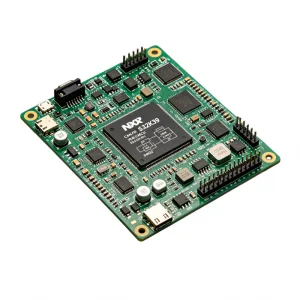
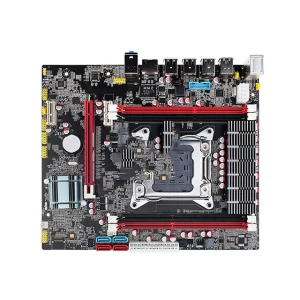
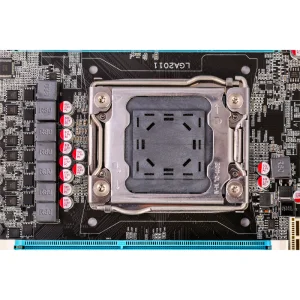
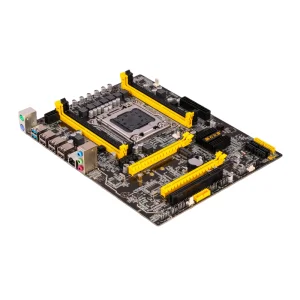
Top 10 NVR PCB Assembly--STHL: Engineering Stable Storage for High-Definition Video-1 Service, Manufacturers
View product ↗
Quick-turn cable assemblies succeed when engineering, sourcing, assembly, testing and documentation move as one system. STHL’s Shenzhen factory is structured to provide that continuity from first prototype to repeat production.
