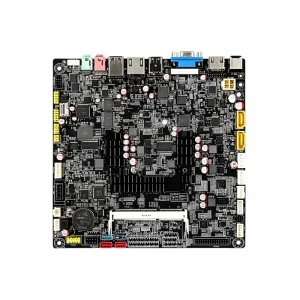
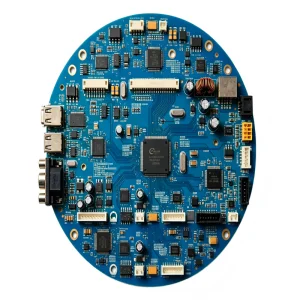
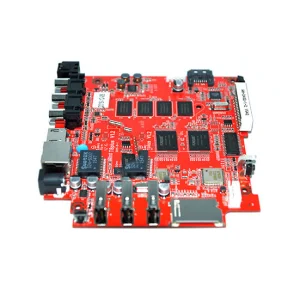
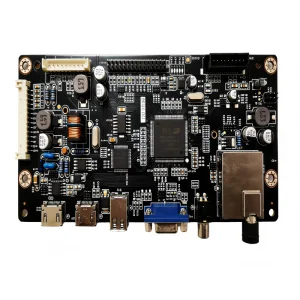
China Top Flex Circuit Factory & Manufacturers
Turnkey flex circuit, rigid-flex and high-mix PCBA manufacturing for global OEMs — DFM engineering, component sourcing, SMT/THT assembly, inspection, testing and box build under one certified roof.
Selected Flex Circuit and PCBA Product Solutions
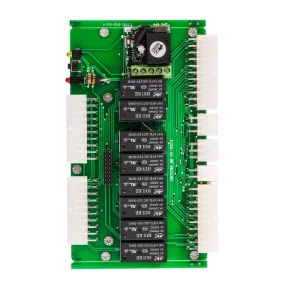
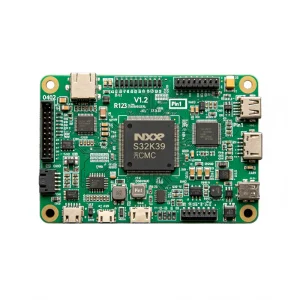
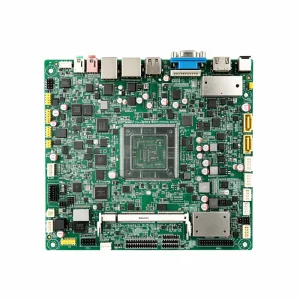
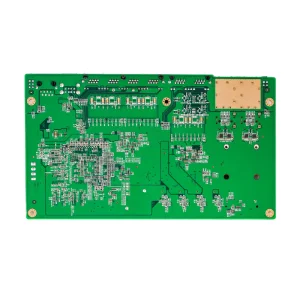
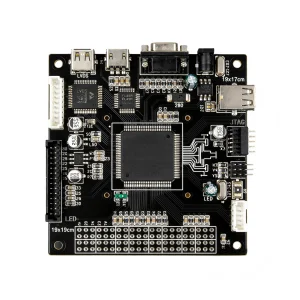
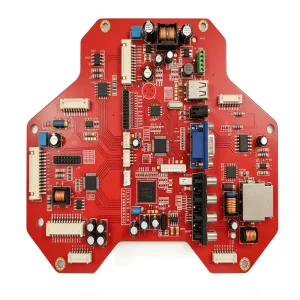
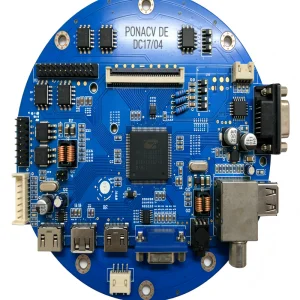
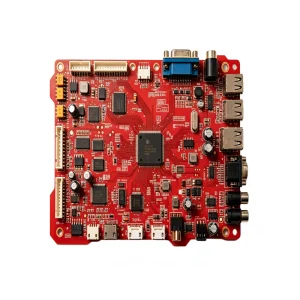
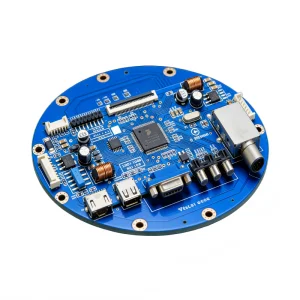
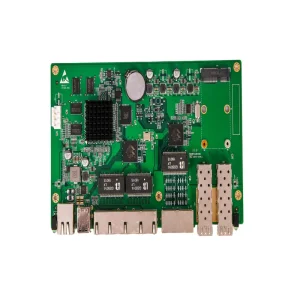
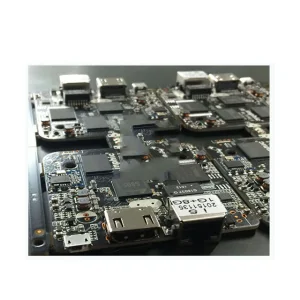
The first eight representative programs below reflect the high-mix nature of modern flex circuit procurement: medical monitoring, telematics, smart home control, security inspection, battery charging, smart metering, DVR and temperature/humidity recording. Each product page connects engineering intent with assembly, sourcing and testing requirements.
Why China’s Top Flex Circuit Factories Compete on Engineering, Not Just Unit Price
Flexible printed circuits (FPCs), rigid-flex boards and high-density PCBA assemblies are increasingly selected when a product must fit into a thinner enclosure, survive dynamic bending, reduce connector count or combine rigid control areas with flexible interconnect. For global OEMs, the real sourcing question is not simply “where is the cheapest flex circuit factory?” but “which manufacturer can provide repeatable engineering judgment, traceable materials, controlled assembly and clear compliance evidence?”
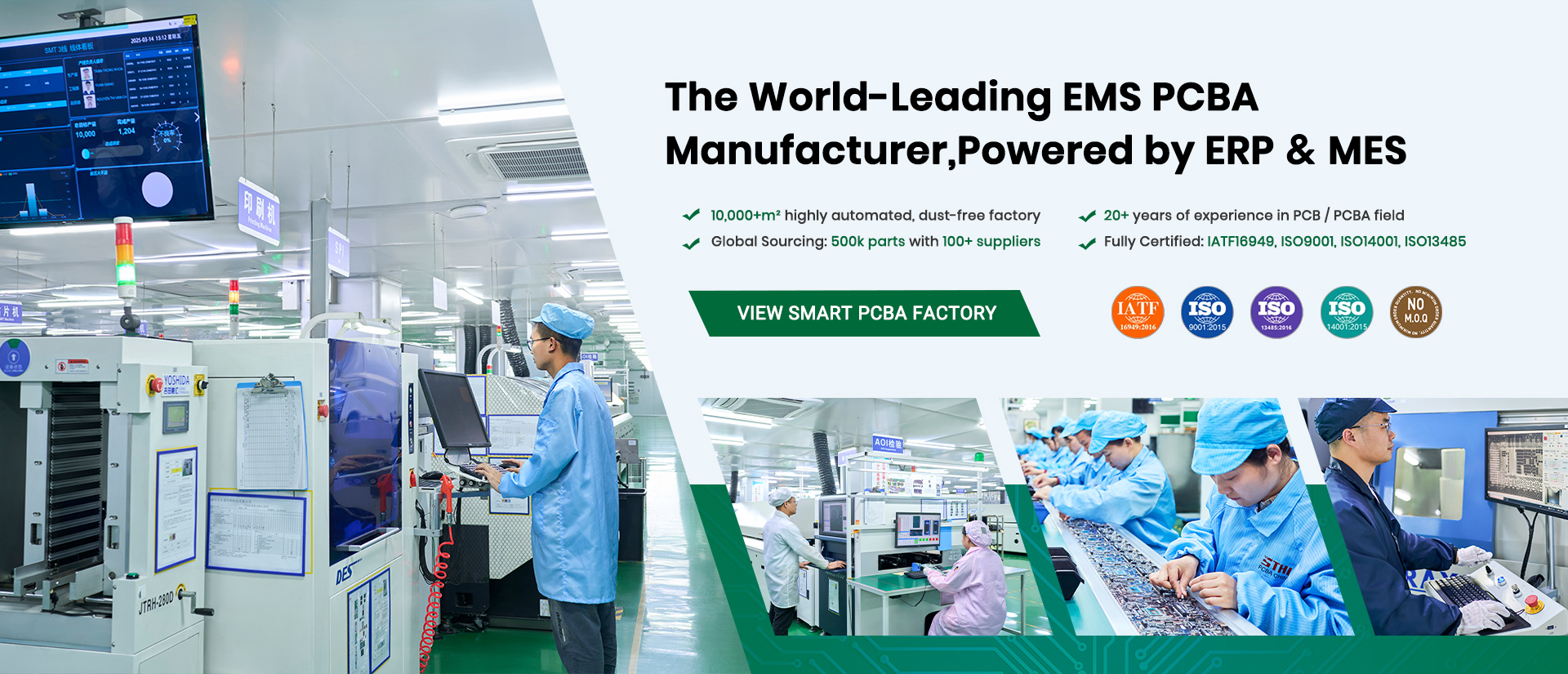
Shenzhen STHL Electronics Co., Ltd. is a certified electronics manufacturing services (EMS) and ODM provider. We help hardware teams in the USA, Germany, Italy, the UK, Poland, New Zealand, Brazil and 90+ other regions move from schematic to shipped product — PCB layout, component sourcing, PCB fabrication, SMT/THT assembly, cable assembly, box build and full testing in one factory. Our 220+ staff, including 50+ engineers, run a 10,000 m² facility with an in-house R&D laboratory for design verification and prototype testing. Every build is RoHS-compliant and controlled under IATF 16949, ISO 9001, ISO 14001 and ISO 13485 systems. Factory visits and audits are welcome at any time.
- 7 SMT assembly lines
- 2 DIP / THT lines
- 2 functional test lines
- 2 box build lines
- AOI · X-Ray · ICT · FCT
- No MOQ for prototype and volume orders
- NDA signed before RFQ
- ERP and MES lot traceability
Flex Circuit Technology Roadmap and Future Outlook
The next wave of flexible electronics will be shaped by miniaturization, rigid-flex integration, high-frequency signal integrity and sustainability. A top China flex circuit factory must translate these trends into practical stack-ups, assembly rules and test strategies rather than treating them as marketing labels.
Ultra-Thin Multilayer & HDI Flex
Product teams are moving toward thinner polyimide laminates, finer line/space, microvias and multilayer flex to fit wearables, handheld diagnostics and compact communication modules. The manufacturing challenge is balancing bendability with copper adhesion, coverlay registration and impedance control.
Rigid-Flex, Cavity & Embedded Components
Rigid-flex reduces connectors and assembly steps by combining durable rigid sections with dynamic or static flex tails. Future-ready programs also evaluate embedded active/passive components, cavity structures and selective stiffeners for 3D packaging in medical, automotive and industrial devices.
High-Frequency, Thermal & Heavy Copper
High-speed communication, EV battery management, power distribution and RF modules demand controlled dielectric properties, thermal vias, heavy copper and material compatibility. STHL’s fabrication menu covers flexible, rigid-flex, HDI, Rogers, ceramic, heavy-copper, high-Tg and halogen-free boards.
Digital Traceability & Sustainable Materials
The factory of the future links DFM simulation, material genealogy, reel-level traceability and test data through ERP and MES. At the same time, OEMs increasingly request RoHS-compliant assemblies, halogen-free options, waste reduction and documented environmental controls under ISO 14001.
2026: Fine-Pitch Flex for Miniaturized Devices
Medical wearables, portable sensors and smart access devices continue to shrink. The key value from a manufacturer is early DFM feedback on bend radius, stiffener placement, panelization and assembly handling before tooling is committed.
2027–2028: Integrated Power, RF and Sensing
As 5G/6G modules, battery sensing and edge AI expand, flex and rigid-flex designs will integrate more functions per unit area. Manufacturers must support mixed-technology assembly, selective shielding, conformal coating and functional test development.
2029+: Stretchable and Circular Electronics
Stretchable substrates, recycled or bio-based materials and design-for-disassembly are moving from research to pilot programs. For procurement teams, the practical next step is to require material declarations, process controls and documented change management today.
PCB Assembly for Demanding Industries
From in-vehicle electronics to medical devices and smart IoT products, our process controls are matched to the reliability and compliance level each market requires. The same flex circuit mindset — reduce weight, save space and improve interconnect reliability — now influences many adjacent PCBA categories.
Medical & Healthcare
ISO 13485-controlled assembly for monitoring, diagnostic and wearable devices with full lot traceability. Flex and rigid-flex designs are valuable in compact physiological monitoring and portable diagnostic equipment.
Automotive Electronics
IATF 16949 processes for control modules, lighting and charging electronics that must survive heat and vibration. Flexible interconnects can reduce harness complexity in space-constrained automotive modules.
Industrial Control
Robust PCBAs for PLCs, motor drives and automation equipment, with conformal coating options. Flex assemblies support compact sensor heads, moving arms and distributed control units.
Smart Home & IoT
Controllers, sensors, smart plugs and wireless modules require cost-effective high-mix assembly and reliable RF performance. Flexible circuitry helps fit electronics into curved or narrow product housings.
Safety & Security
X-ray inspection machines, alarms and DVR systems depend on stable boards, clear test coverage and consistent sourcing. We support turnkey assembly from prototype through repeat production.
Communication
Telematics boxes, routers, firewall appliances and communication modules benefit from controlled impedance, fine-pitch assembly and functional testing at the board or box-build level.
Power Supply & Energy
Battery chargers, PDUs, smart meters and energy-management electronics demand thermal awareness, traceable materials and safety-oriented process documentation.
Energy Systems
Energy storage, metering and power-conversion products require stable BOM sourcing and repeatable test data. Our ERP/MES workflow supports build history and inspection records.
Localized Engineering Support and Compliance Assurance
For overseas buyers, a China-based flex circuit manufacturer must behave like a local engineering partner: fast technical response, clear documentation, secure IP handling and audit-ready quality systems. Compliance should be visible in routing, material selection, inspection records and final shipment documentation.
STHL supports English and Chinese communication, with project review, DFM feedback and BOM analysis before production. We sign an NDA before RFQ, restrict project data to the assigned engineering team and track every build through ERP and MES systems. Customers are welcome to visit the Shenzhen factory and R&D laboratory, and a 360-degree virtual factory tour is available for remote pre-qualification.
Quality certifications include IATF 16949, ISO 9001, ISO 14001 and ISO 13485. Assemblies are RoHS-compliant and can be verified through AOI, X-ray, ICT and functional testing. For flex circuit and rigid-flex programs, documentation can include stack-up review, material declarations, first-article inspection, test reports and lot traceability from incoming reel to finished board.
Localization support also means understanding how global procurement teams work: engineering change requests, approved vendor lists, end-of-life notices, alternate part approvals, ESD-safe packaging and shipment documentation. The goal is to reduce surprises between prototype approval and volume release.

ISO 9001
Quality Management System
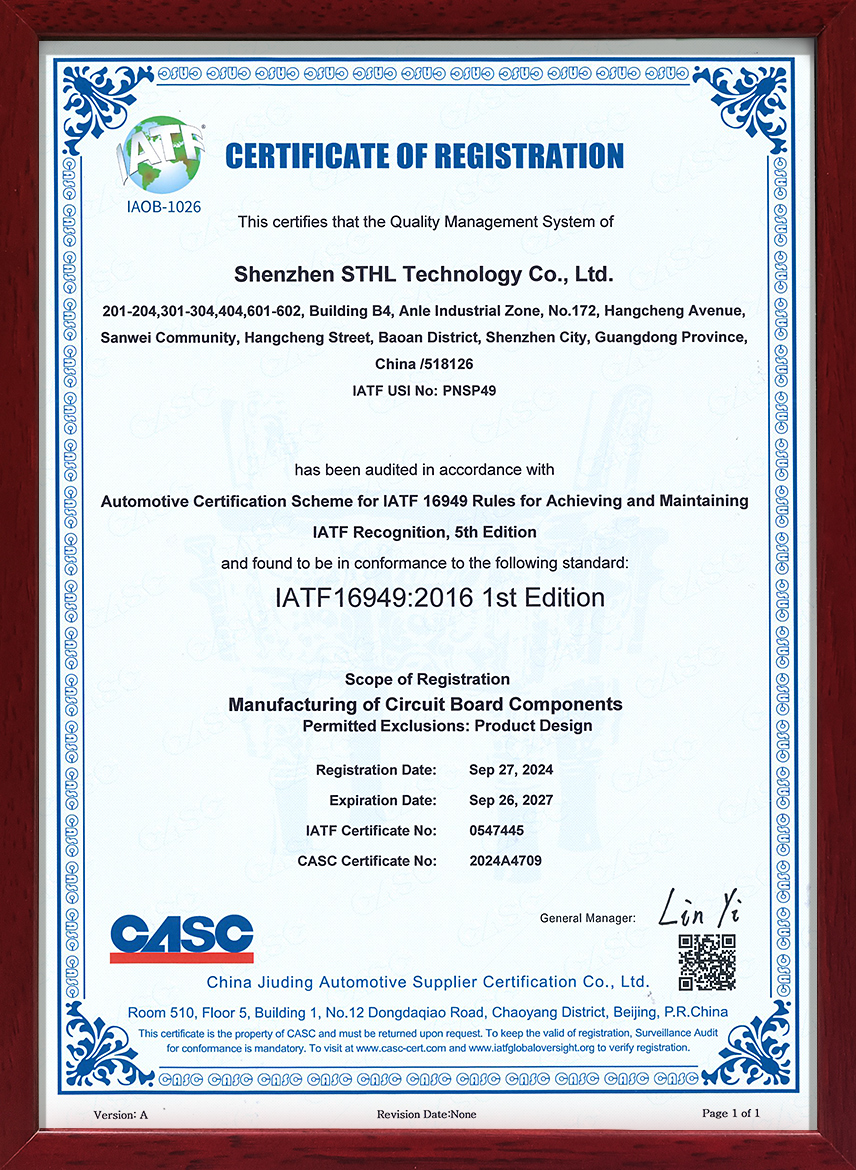
IATF 16949
Automotive Quality Management
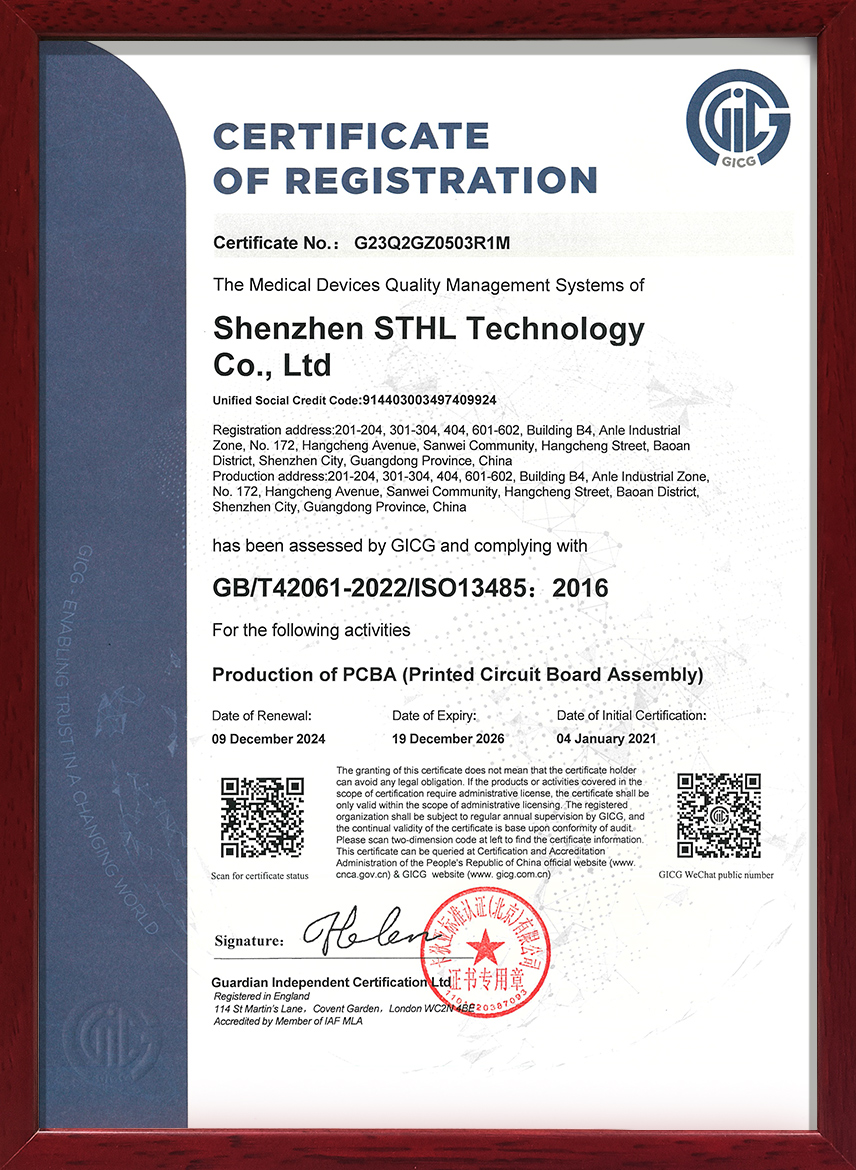
ISO 13485
Medical Devices Quality Management
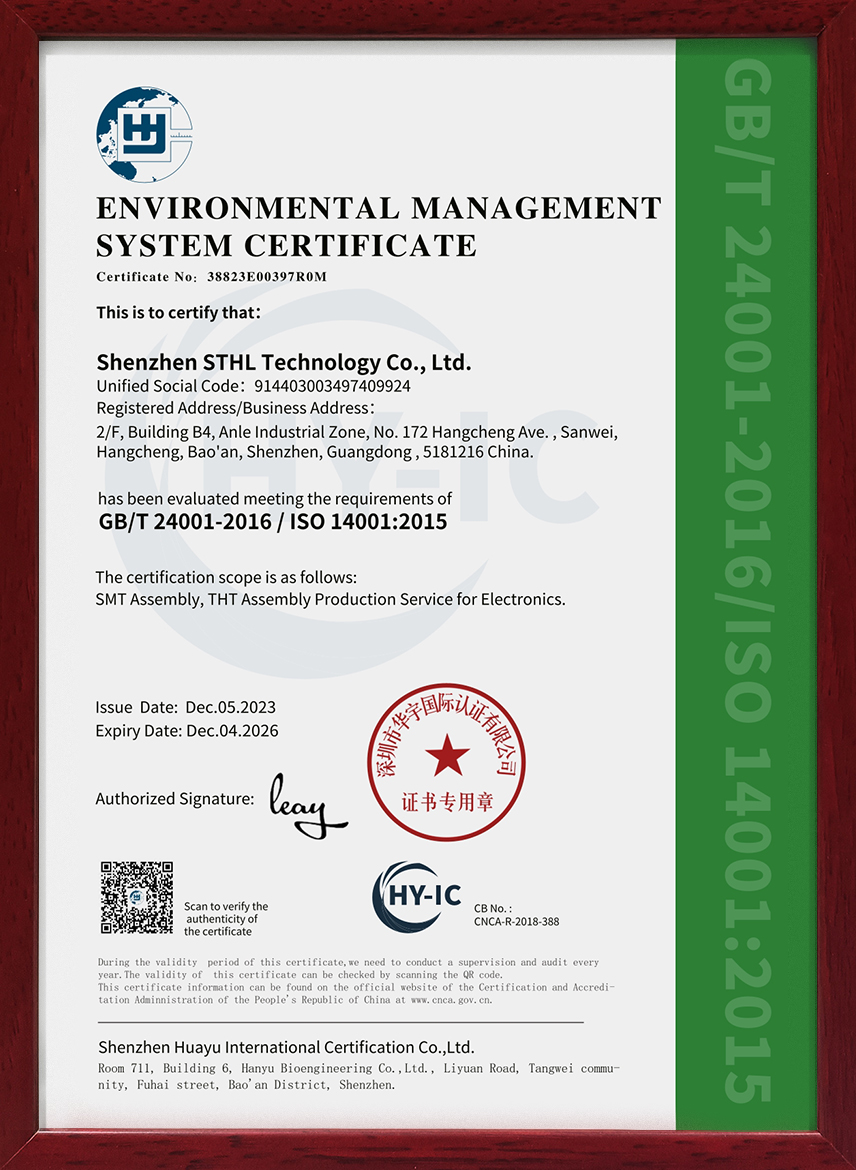
ISO 14001
Environmental Management System
China Factory 4.0: Supply Chain Resilience and Efficiency Advantages
China’s manufacturing advantage is no longer only scale. It is the density of component channels, engineering talent, rapid tooling and process know-how. For flex circuits and PCBA, resilience comes from multi-source BOM planning, incoming inspection, moisture-sensitive device control and digital traceability.
Years of EMS Experience
m² Production Facility
Professional Engineers
Production Lines
On-Time Delivery
Qualified Shipment Rate
STHL operates 7 SMT lines, 2 DIP/THT lines, 2 functional test lines and 2 box build lines, supported by an in-house R&D laboratory. Component sourcing is handled through 100+ agents and suppliers covering more than 500,000 part numbers. Incoming inspection and reel-level traceability help protect customers from counterfeit or out-of-spec material, while ERP and MES systems make production status and build history visible to the assigned project team.
Supply-Chain Resilience
BOM scrubbing, alternate-part suggestions, lifecycle checks and multi-channel sourcing reduce the risk of line-down situations. Full turnkey, partial turnkey and consigned assembly models let procurement teams match material responsibility to their internal policy.
Engineering Efficiency
DFM review, panelization feedback, BOM optimization and test-method planning shorten the loop between design release and first article. Prototype, low-volume and high-volume orders can run with the same supplier, reducing re-qualification effort.
Digital Traceability
AOI, X-ray, ICT and functional testing results can be logged against the build record. This supports root-cause analysis, customer audits and repeat production for medical, automotive and industrial programs where evidence matters as much as output.
What Global Enterprises Expect When Sourcing Flex Circuits from China
Procurement teams evaluate more than piece price. They need evidence of process control, material compliance, engineering responsiveness, IP protection and business continuity. The strongest China flex circuit manufacturers make these requirements visible before the first purchase order.
Technical Clarity
Send Gerber files, a BOM with manufacturer part numbers, the pick-and-place/centroid file and assembly drawings. If IC programming or functional testing is required, include firmware and test procedures. DFM and BOM review should happen before material is ordered.
Total Landed Cost
Unit price alone can hide sourcing risk. Buyers should compare DFM quality, BOM alternatives, engineering response time, yield, test coverage, packaging and logistics. No MOQ allows a design to be validated before it scales to mass production.
IP & NDA Protection
NDA before RFQ, restricted project access and traceable data handling are baseline expectations. Design files and IP should be protected from the quotation stage through production and post-delivery support.
Quality Evidence
Certifications, inspection methods and test reports should match the end market. Medical buyers look for ISO 13485 controls; automotive buyers look for IATF 16949; all buyers benefit from AOI, X-ray, ICT, FCT and lot traceability.
Audit & Continuity
Factory visits, virtual tours and documented process controls help procurement qualify a supplier. MES visibility, multi-source sourcing and controlled change management support long-term supply continuity.
Scaling from Prototype to Volume
The same supplier should be able to support prototype validation, pilot builds and repeat volume orders. That reduces engineering transfer risk and keeps process knowledge with the team that built the first article.
From Gerber Files to Global Shipment in 6 Controlled Steps
Knowing what happens after a purchase order removes uncertainty. This is how every STHL PCBA project moves through our factory, whether the board is a standard rigid PCB, a flexible circuit, a rigid-flex assembly or a complete box build.
DFM & BOM Review
Engineers check Gerber, BOM and centroid data for manufacturability, footprint errors and end-of-life parts before any material is ordered. For flex circuits, bend radius, stiffeners, coverlay and panel handling are reviewed at this stage.
Component Sourcing
Parts are purchased through 100+ agents and suppliers, then pass incoming inspection and moisture-sensitive device control. Alternate parts are proposed when availability or lifecycle risk affects the build.
PCB & Flex Circuit Fabrication
Bare boards are produced to your stack-up, surface finish and impedance requirements, from single-layer to HDI and rigid-flex. Flexible and rigid-flex constructions can include polyimide materials, coverlay, stiffeners and fine-line features.
SMT & THT Assembly
7 SMT lines and 2 DIP/THT lines handle fine-pitch, BGA and mixed-technology boards for prototypes and mass production. Flex assemblies are supported with suitable carriers, fixtures and handling controls.
Inspection & Testing
AOI, X-ray, ICT and functional tests, plus IC programming and conformal coating, with results logged in our MES. Test coverage is defined according to the product’s risk, end market and volume.
Box Build & Delivery
Cable assembly, enclosure integration and ESD-safe packaging, shipped to customers in 90+ countries and regions. Delivery planning includes documentation, labeling and handling requirements for flexible and rigid-flex boards.
What Engineers and Buyers Say About STHL
“Excellent team to work with and fast delivery with high-quality boards. We are very happy to work with such a good supplier. Thanks again.”
PauloR&D Engineer · United States“Please extend my thanks to your team for your hard work in preparing these samples. This positive experience has strengthened my confidence in your company, and I'm looking forward to discussing bulk orders in the near future.”
OliviaHardware Engineer · Germany“We are satisfied with the last order. You did a great job on those boards and the lead time was short. I will place a new order soon.”
WilliamCEO · ItalyThe original STHL site also references cooperation with brand customers such as Schneider Electric, Siemens, Razer, Geely, Anker, Corsair, Haier, Logitech and Mindray, alongside component sourcing channels including Arrow, Avnet, Digi-Key, Mouser, Future Electronics, TDK and STMicroelectronics. These relationships support genuine component sourcing, BOM availability checks and repeat-production stability.
Flex Circuit and PCBA Sourcing Q&A for Overseas Buyers
What files do I need to submit for a PCBA project?
Send Gerber files, a BOM with manufacturer part numbers, the pick-and-place (centroid) file and assembly drawings. If you need IC programming or functional testing, include firmware and test procedures. Our engineers complete a DFM and BOM review before production starts.
Is there a minimum order quantity (MOQ)?
No. STHL accepts prototype, low-volume and high-volume PCB assembly orders, so you can validate a design and scale to mass production with the same supplier.
Can STHL source all the electronic components?
Yes. We offer full turnkey, partial turnkey and consigned assembly. Our sourcing team works with 100+ agents and suppliers covering more than 500,000 part numbers, with incoming inspection and traceability from reel to finished board.
Which quality certifications does STHL hold?
STHL is certified to IATF 16949, ISO 9001, ISO 14001 and ISO 13485, and produces RoHS-compliant assemblies. Boards are verified with AOI, X-ray, ICT and functional testing.
How do you protect our design files and IP?
We sign an NDA before RFQ, restrict project data to the assigned engineering team and track every build through our ERP and MES systems.
Can we audit or visit the factory?
Yes. Customers are welcome to visit our Shenzhen factory and R&D laboratory at any time, and a 360-degree virtual factory tour is available for remote evaluation.
What is a flex circuit, and when should we choose it?
A flex circuit, or flexible printed circuit, uses a flexible substrate such as polyimide to create bendable interconnects and compact 3D packaging. It is suitable when a product needs thinner form factors, reduced connector count, dynamic movement, weight reduction or space savings inside a tight enclosure.
Can STHL support rigid-flex and high-density flex PCBA?
Yes. Our fabrication scope includes standard, prototype, aluminum, flexible, rigid-flex, HDI, Rogers, ceramic, heavy-copper, high-Tg and halogen-free boards. Assembly can be combined with SMT, THT, IC programming, conformal coating, testing and box build.
How do you control flex circuit quality during assembly?
We review panelization, stiffener placement, bend radius, handling and fixturing before production. Builds are supported by process controls, AOI, X-ray, ICT and functional testing where applicable, with inspection records and traceability stored through ERP and MES.
What is the typical lead time for flex circuit or PCBA orders?
Lead time depends on board type, material availability, assembly complexity, test requirements and quantity. Prototype and urgent orders can begin with DFM and BOM review immediately after NDA and file receipt; volume schedules are confirmed after engineering review and material planning.
Can you provide compliance and shipment documentation?
Yes. We can provide certification references, material and RoHS-related documentation where applicable, inspection and test records, packing lists and shipment documentation according to the project requirements. For regulated industries, documentation scope is agreed during quotation and pre-production review.
How do we start a quotation for a China flex circuit project?
Share your Gerber, BOM, centroid file, assembly drawings, quantity forecast and any special requirements such as impedance control, stiffeners, conformal coating, firmware programming or functional test. STHL signs an NDA before RFQ and returns DFM feedback, sourcing notes and a production plan.
Planning a Flex Circuit, Rigid-Flex or Turnkey PCBA Build?
Get engineering feedback before you commit tooling or material. STHL supports NDA-protected RFQs, DFM/BOM review, prototype validation and repeat volume production from Shenzhen, China.
Factory address
B4, AnLe Industrial Zone, No.172 Hangcheng Blvd, Xixiang, Bao'an District, Shenzhen, 518126 China
Telephone
+86 135 1018 8049
+86 755 8936 9123
Email
[email protected]
Quality systems
IATF 16949 · ISO 9001 · ISO 13485 · ISO 14001
More Flex Circuit and Turnkey PCBA Products from STHL
The remaining eight product solutions below extend the same high-mix manufacturing model to firewall appliances, smart speakers, magnetometers, smart plugs, alarm systems, physiological monitoring equipment, power distribution units and smartphones.