China PCB Assembly Training Partner & Factories
A factory-based training partner for global OEMs that need turnkey PCB assembly, DFM/BOM engineering support, audited China PCBA factories, controlled traceability, and scalable production from prototype to volume.
⚙ PCBA Training & Factory Solutions Immediately Below the Banner
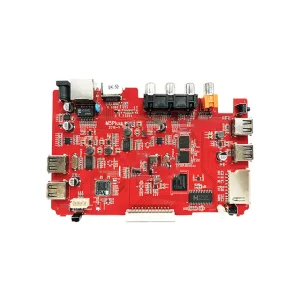
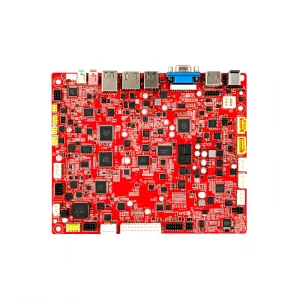
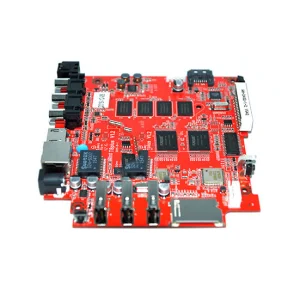
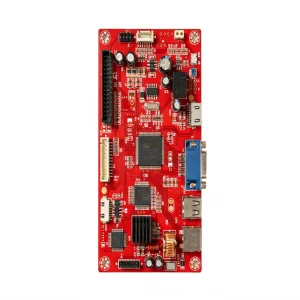
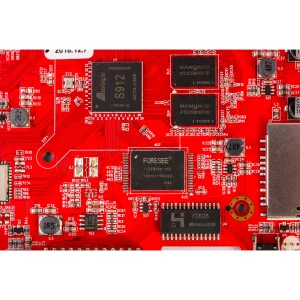
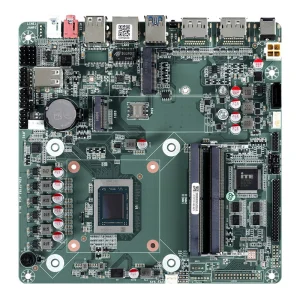
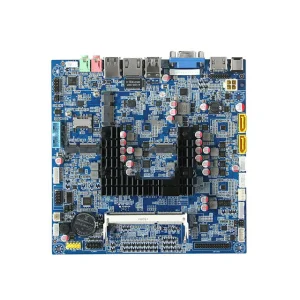
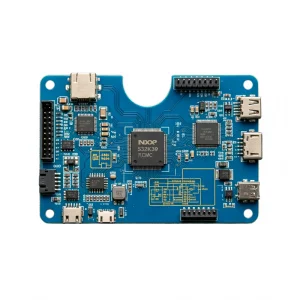
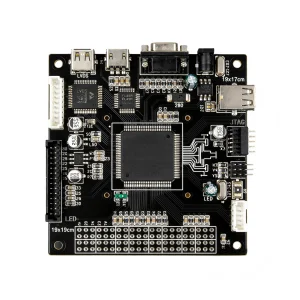
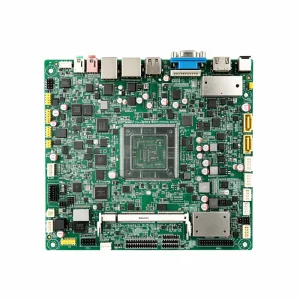
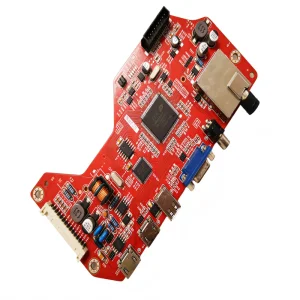
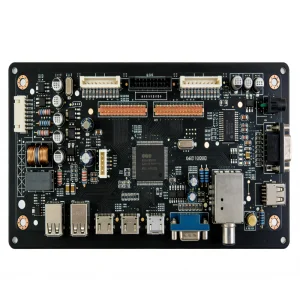
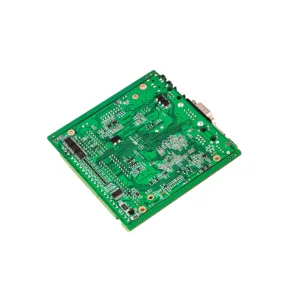
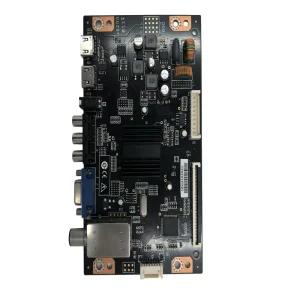
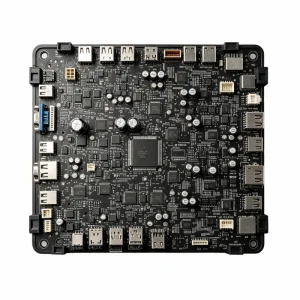
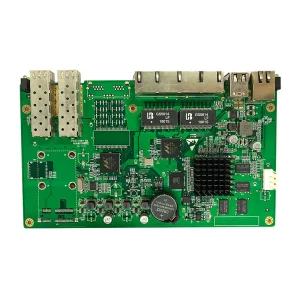
These application-focused manufacturing programs reflect the practical training topics global buyers discuss most often with China PCBA factories: temperature and humidity monitoring, power distribution, smart lighting control, audio amplification, safety and security, LED signage, modular power supplies, and connected protection systems.
🔎 Why Global Buyers Search for a China PCB Assembly Training Partner
The query “China PCB assembly training partner & factories” carries more than a simple supplier search. It combines supplier discovery, factory qualification, engineering education, compliance verification, and long-term capability transfer.
Engineering Teams Need DFM & NPI Guidance
Hardware teams want a partner that can explain manufacturability risks, BGA and fine-pitch requirements, panelization choices, test coverage, and prototype-to-production transitions before a costly tooling commitment.
Procurement Teams Need Supply-Chain Visibility
Buyers compare landed cost, component authenticity, alternate-part strategy, lead-time transparency, and the ability to source through full turnkey, partial turnkey, or consigned materials.
Quality Teams Need Audit-Ready Evidence
Quality and compliance leaders look for IATF 16949, ISO 13485, ISO 9001, ISO 14001, RoHS documentation, lot traceability, AOI and X-ray records, functional test logs, and a clear NDA process.
For semantic search, the winning content must demonstrate information gain: real factory capacity, documented process controls, training methods, industry-specific constraints, and measurable delivery performance rather than generic “low price” claims.
🏭 STHL: A Factory-Based Training Partner Since 2006
Shenzhen STHL Electronics Co., Ltd. is a certified electronics manufacturing services (EMS) and ODM provider. Since 2006, STHL has helped hardware teams in the USA, Germany, Italy, the UK, Poland, New Zealand, Brazil, and 90+ other regions move from schematic to shipped product through PCB layout, component sourcing, PCB fabrication, SMT/THT assembly, cable assembly, box build, and full testing under one factory.
The company’s 220+ staff include 50+ engineers and operate a 10,000 m² facility with an in-house R&D laboratory for design verification and prototype testing. Every build is RoHS-compliant and controlled under IATF 16949, ISO 9001, ISO 14001, and ISO 13485 systems. Factory visits, remote audits, and 360-degree virtual tours are available for global buyers who need to pre-qualify a China PCBA supplier.
For a training partnership, that combination matters. Buyers are not only purchasing boards; they are gaining access to practical knowledge about DFM review, BOM risk management, SMT process windows, mixed-technology assembly, inspection strategy, and shipment traceability. This is the operational knowledge that reduces repeated prototypes, late-stage changes, and hidden quality costs.
- 7 SMT assembly lines, 2 DIP/THT lines, 2 functional test lines, and 2 box build lines
- In-house R&D laboratory plus AOI, X-ray, ICT, and FCT verification
- Full turnkey, partial turnkey, and consigned component models
- No MOQ, NDA before RFQ, and support from prototype through mass production
Shenzhen Manufacturing Base
B4, AnLe Industrial Zone, No.172 Hangcheng Blvd, Bao'an Xixiang District, Shenzhen, 518126 China. English and Chinese communication are available for engineering, sourcing, quality, and project management.
🎓 What a PCB Assembly Training Partnership Should Include
A credible China PCBA training partner should transfer actionable manufacturing knowledge while proving it through documented factory processes. The strongest programs combine engineering workshops, production exposure, quality evidence, and commercial clarity.
DFM & BOM Review Workshops
Review Gerber data, centroid files, stack-up choices, footprint risks, component availability, end-of-life exposure, and alternate-part strategies before material purchase. The output should be a documented action list, not a verbal comment.
NPI and Prototype Validation
Use first-article builds to validate stencil design, reflow profile, placement accuracy, test fixtures, firmware programming, and packaging. A training partner should explain why each parameter matters for repeat production.
SMT, THT, and Mixed-Technology Control
Understand fine-pitch placement, BGA reflow, through-hole soldering, conformal coating, and mixed-technology handling. Ask for AOI and X-ray examples, defect classifications, and corrective-action workflows.
Test Strategy: AOI, X-Ray, ICT, FCT
Define what is inspected, what is electrically tested, what is functionally verified, and how failures are contained. Test coverage should be matched to product risk, volume, and end-market regulation.
Traceability, ERP/MES, and IP Protection
Map lot traceability from incoming reel to finished board, including moisture-sensitive device control, material authenticity checks, work-order records, and restricted access to customer design data.
Compliance and Audit Readiness
Prepare for IATF 16949, ISO 13485, ISO 9001, ISO 14001, RoHS, REACH, and customer-specific audit checklists. Training should clarify which records are retained and how deviations are closed.
📈 PCB Assembly Trends Reshaping Buyer Expectations
Global procurement teams now evaluate PCBA factories through a wider lens than unit price. They want resilient supply, engineering transparency, traceability, compliance evidence, and faster response to design changes.
High-Mix, Low-Volume Production
More products are launched in smaller batches and scaled only after validation. Flexible SMT lines and quick changeover capability reduce the cost of uncertainty.
Miniaturization, HDI, and BGA
Wearables, medical monitors, smart speakers, and connected devices push finer pitch, higher density, and stricter inspection requirements.
Smart Factory and MES Traceability
Buyers expect real-time work-order status, material genealogy, inspection records, and quality data that can be audited after shipment.
Supply-Chain Resilience
Dual sourcing, alternate components, and transparent lead-time management are now part of PCBA supplier qualification, especially for critical industries.
Component Authenticity
Incoming inspection, authorized distribution channels, reel-level traceability, and moisture-sensitive device control protect against counterfeit and handling risks.
Sustainability and RoHS/REACH
Environmental compliance, waste control, lead-free processes, and documentation are increasingly requested by European and North American customers.
AI-Assisted Inspection
AI-supported AOI and image analytics help detect placement defects and trends earlier, while engineers remain responsible for root-cause analysis and corrective action.
IP Security and Data Governance
NDA-first workflows, restricted project access, controlled file transfer, and documented data retention practices are now central to supplier trust.
🌍 International Procurement Demand for Turnkey PCBA
Overseas buyers increasingly need one accountable partner for PCB fabrication, component sourcing, SMT/THT assembly, testing, cable assembly, and box build. STHL supports OEMs and engineering teams across 90+ regions with flexible turnkey models and NDA-first communication.
Full turnkey sourcing is preferred when buyers want a single BOM responsibility. Partial turnkey is useful when critical semiconductors are consigned while passives and mechanical parts are sourced by the factory. Consigned assembly supports customers with established global contracts or tightly controlled approved-vendor lists.
STHL’s sourcing team works with 100+ agents and suppliers covering more than 500,000 part numbers, with incoming inspection and traceability from reel to finished board. No MOQ means a design can be validated at prototype volume and scaled with the same process controls, reducing the risk of a different factory, different stencil, or different test strategy between prototype and mass production.
Long-term cooperation with global brands and established component distributors keeps the BOM genuine, traceable, and available. Brand relationships referenced by the factory include Schneider Electric, Siemens, Razer, Minfei Motor, Geely Automobile, Maxmore, Anker, Corsair, Daisen, D-Link, Garin, Haier, i-Smell, JP, Kaadas, Konka, Logitech, LOQED, and Mindray. Sourcing channels include Arrow Electronics, Avnet, Digi-Key, Farnell, Future Electronics, Master Electronics, Microchip Technology, Mouser Electronics, STMicroelectronics, TDK, Verical, and Littelfuse.
Prototype to Volume
Same supplier, process, and documentation trail from first article to repeat production.
Open BOM Communication
BOM scrubbing, alternate-part suggestions, and availability feedback before purchase.
Lead-Time Transparency
Clear material, fabrication, assembly, test, and shipment milestones for planning.
NDA Before RFQ
Design files and IP are protected from the first technical discussion.
ESD-Safe Delivery
Packaging, labeling, and shipment preparation aligned with product sensitivity.
Global Service Mindset
English/Chinese support, remote audits, and documentation for overseas quality teams.
🧩 From Medical PCBA to Industrial Control
Different end markets require different evidence, process controls, and testing depth. STHL aligns manufacturing solutions to the reliability and compliance expectations of each application.
Medical & Healthcare
ISO 13485-controlled assembly for monitoring, diagnostic, and wearable devices with lot traceability.
Explore medical PCBA →Automotive Electronics
IATF 16949 processes for control modules, lighting, and charging electronics that must withstand heat and vibration.
Explore automotive PCBA →Computer & Storage
High-density, BGA-rich boards for computing, storage, and peripherals verified by X-ray inspection.
Explore computer PCBA →Industrial Control
Robust PCBAs for PLCs, motor drives, and automation equipment with conformal coating options.
Explore industrial PCBA →LED PCB Assembly
Thermal-aware layouts, aluminum boards, and production controls for lighting and signage applications.
Explore LED PCBA →Aerospace
High-reliability assembly support with inspection discipline and documentation for demanding environments.
Explore aerospace PCBA →Smart Home & IoT
Connected device PCBA with wireless modules, sensor integration, and scalable test coverage.
Explore IoT PCBA →Safety & Security
Reliable protection electronics for alarms, access control, monitoring, and connected security systems.
Explore security PCBA →Communication
Signal-integrity-aware assembly for communication modules, networking devices, and infrastructure electronics.
Explore communication PCBA →Power Supply
Power distribution, DIN rail supplies, modular power, and high-voltage safety considerations.
Explore power PCBA →Energy
Battery management, energy monitoring, and power electronics with careful thermal and safety control.
Explore energy PCBA →Consumer Electronics
Audio, wearables, smart speakers, and user-facing devices with cosmetic and functional requirements.
Explore consumer PCBA →Environmental Monitoring
Sensor-driven PCBAs for temperature, humidity, air quality, and remote monitoring systems.
Explore monitoring PCBA →PCBA Solution
Turnkey PCB fabrication, sourcing, assembly, testing, and box build under one manufacturing workflow.
Explore PCBA solutions →Battery Management Systems
BMS PCBA programs covering cell monitoring, protection, communication, and thermal considerations.
View BMS PCBA →Medical Information Terminals
One-stop PCBA for medical terminals requiring controlled quality, traceability, and reliable interfaces.
View medical terminal PCBA →🛡 Localization Support, Compliance, and IP Protection
China PCBA sourcing works best when engineering communication, documentation, and audit evidence are designed for overseas teams from the beginning. STHL’s localization support is built around transparency, access, and controlled data handling.
NDA Before RFQ
Project discussions begin with an NDA, design data is restricted to the assigned engineering team, and every build is tracked through ERP and MES systems.
IATF 16949 & ISO 13485
Automotive and medical quality management systems provide a framework for risk control, traceability, change management, and customer-specific audit preparation.
English/Chinese Project Support
Sales, engineering, sourcing, and quality communication can be handled in English or Chinese, with documentation suitable for global procurement teams.
Factory Audits and Remote Visits
Customers are welcome to visit the Shenzhen factory and R&D laboratory, while a 360-degree virtual factory tour supports remote pre-qualification and audit planning.
RoHS-compliant production, incoming inspection, reel-level traceability, AOI, X-ray, ICT, and functional testing turn compliance from a claim into a repeatable factory routine.
🚀 The Next Stage of China PCBA Training and Manufacturing
The future training partner will be judged by how well it connects people, data, process control, and supply-chain resilience. The roadmap is not only about faster machines; it is about clearer decisions and auditable execution.
AI-Assisted Inspection and Analytics
AI-supported AOI classification and defect trending can shorten feedback loops, but human engineering review remains essential for root cause and corrective action.
Closed-Loop MES and Digital Thread
Connecting BOM, material lots, machine programs, inspection results, and shipment records creates a digital thread that supports audits and continuous improvement.
Advanced Packaging and HDI Growth
Higher density, system-in-package, rigid-flex, and fine-pitch BGA require tighter process windows, better inspection, and earlier DFM collaboration.
High-Frequency and Thermal Management
Rogers, ceramic, heavy-copper, and high-Tg boards demand material-specific process knowledge as power and signal speeds increase.
Carbon-Aware and Compliance Data
Customers increasingly expect documented environmental compliance and a clearer view of material, process, and logistics impacts.
Resilient Global Support Models
Dual sourcing, regional inventory planning, remote audits, and transparent communication help buyers balance cost, speed, and supply risk.
⚙ Six Controlled Steps from Gerber to Global Shipment
Knowing what happens after a purchase order removes surprises. This is how a PCBA project moves through the factory and where training moments create measurable value.
DFM & BOM Review
Engineers check Gerber, BOM, and centroid data for manufacturability, footprint errors, and end-of-life parts before any material is ordered.
Component Sourcing
Parts are purchased through 100+ agents and suppliers, then pass incoming inspection and moisture-sensitive device control.
PCB Fabrication
Bare boards are produced to the required stack-up, surface finish, and impedance requirements, from single-layer to HDI and rigid-flex.
SMT & THT Assembly
7 SMT lines and 2 DIP/THT lines handle fine-pitch, BGA, and mixed-technology boards for prototypes and mass production.
Inspection & Testing
AOI, X-ray, ICT, and functional tests, plus IC programming and conformal coating, with results logged in MES.
Box Build & Delivery
Cable assembly, enclosure integration, and ESD-safe packaging, shipped to customers in 90+ countries and regions.
✅ Why OEMs Choose STHL for PCB Assembly
Measurable capacity, documented quality systems, and engineering support that reduces total cost rather than only the unit price.
Dust-Free Smart Factory
10,000+ m² of highly automated production space supporting consistent process control.
20 Years of Experience
Proven know-how across PCB and PCBA since 2006, with engineering depth built through repeat production.
Global Sourcing
500k+ parts via 100+ agents and suppliers, with incoming inspection and traceability.
Fully Certified
IATF 16949, ISO 9001, ISO 14001, and ISO 13485 systems support automotive, medical, and industrial customers.
ERP & MES Tracking
Real-time production status and lot traceability from material receipt to finished shipment.
Cost-Down Engineering
DFM and BOM optimization by the engineering team to reduce avoidable cost and supply risk.
No MOQ
Prototype and large-quantity orders are both welcome, enabling validation before scaling.
NDA Before RFQ
Design data and IP are protected from day one through controlled access and documented workflows.
Fast Delivery
99.5% on-time delivery across global shipments, supported by planning and production visibility.
📜 Certified Quality Management Systems
Independent third-party audits confirm that factory processes meet automotive, medical, and industrial requirements. Certificates support supplier qualification and customer audit preparation.

ISO 9001
Quality Management System
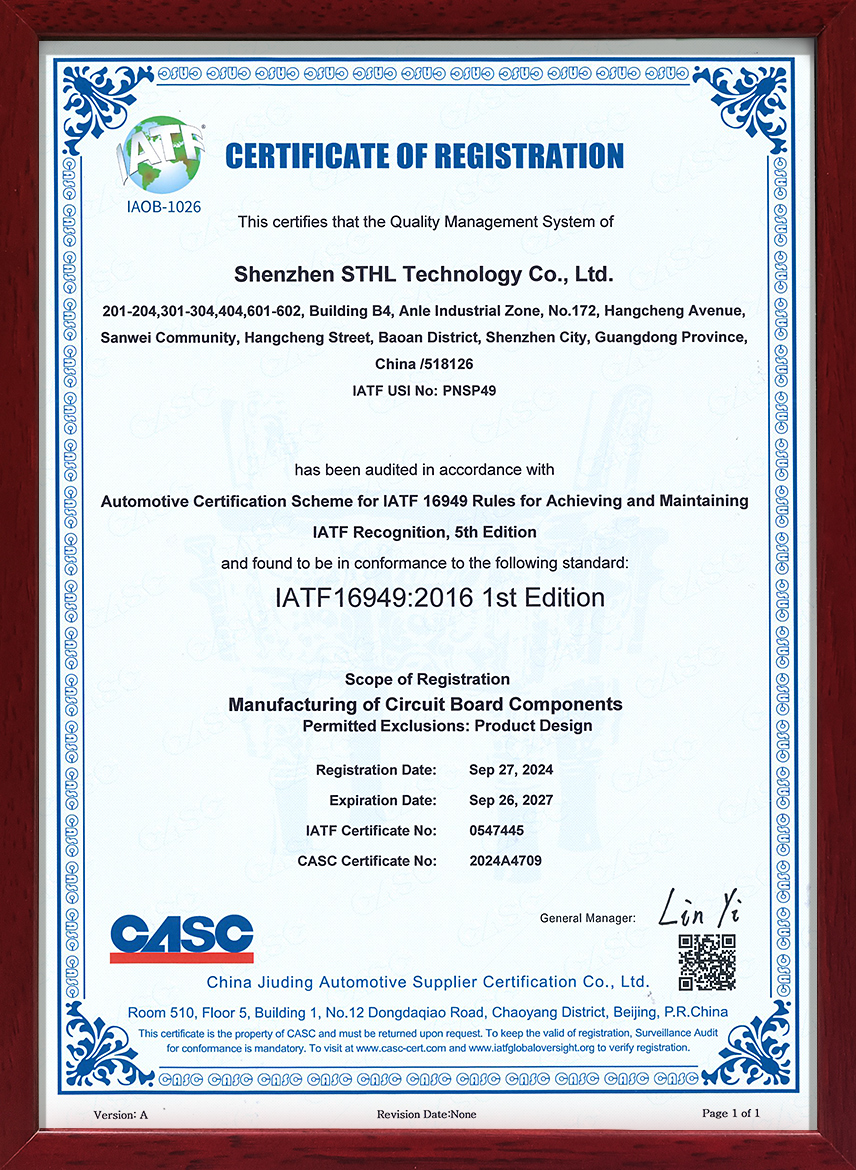
IATF 16949
Automotive Quality Management
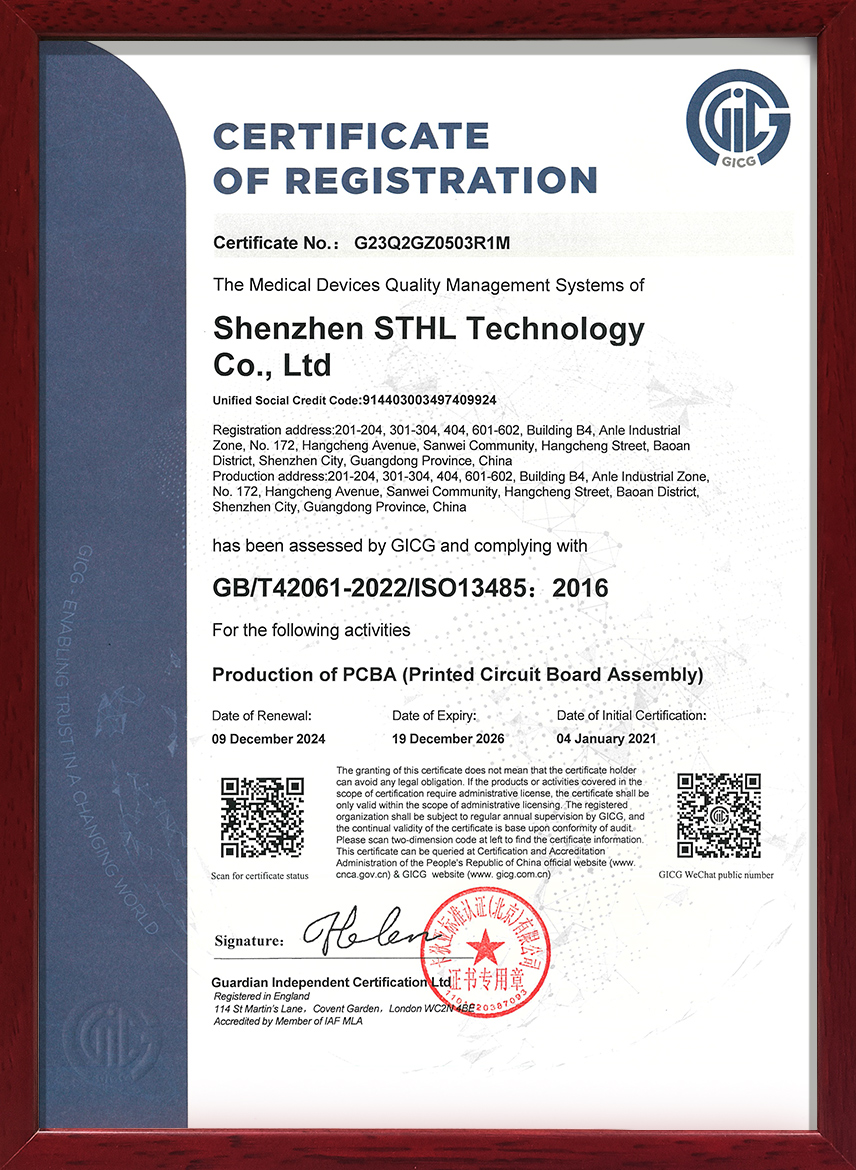
ISO 13485
Medical Devices Quality Management
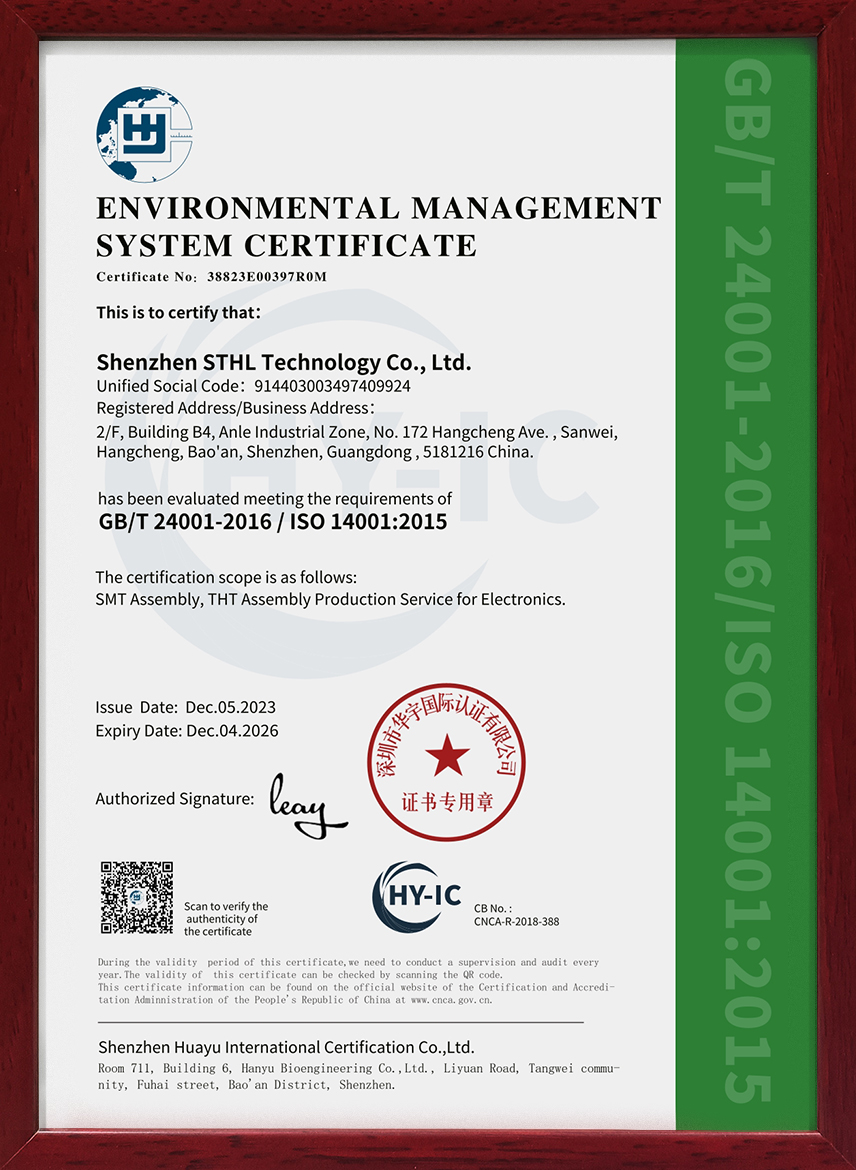
ISO 14001
Environmental Management System
💬 What Engineers and Buyers Say About STHL
Feedback from hardware engineers, designers, and company owners across North America, Europe, and beyond reflects the day-to-day experience of working with a China PCBA factory.
“Excellent team to work with and fast delivery with high-quality boards. We are very happy to work with such a good supplier. Thanks again.”

“Please extend my thanks to your team for your hard work in preparing these samples. This positive experience has strengthened my confidence in your company, and I'm looking forward to discussing bulk orders in the near future.”

“We are satisfied with the last order. You did a great job on those boards and the lead time was short. I will place a new order soon.”

“The order was perfect — exactly as specified with top quality. Highly recommend this reliable supplier.”

“Exciting! Very fast delivery, a professional supplier and a professional product. We will place a new order very soon!”

“We have tested all the boards and I am highly pleased. I will repeat my order soon. Thank you again for your excellent service.”

“It's always a pleasure ordering. Very professional team and good quality — thanks for your great service.”

“Satisfied with the sample products delivered. Very good product, quick delivery and a good understanding of my requirements.”

📰 PCBA Insights and Factory News
Practical updates from the production floor: customer visits, traceability practices, and the operational details that really drive PCBA lead time.


STHL Hosts Two German Visitors for an SMT, THT and Material Preparation Walkthrough

STHL PCBA Component Traceability: From Incoming Reel to Finished Board

PCBA Lead Time: Where the Days Go Between Purchase Order and Shipment
❓ China PCBA Training, Factories, and Sourcing FAQs
Straight answers to the questions procurement and engineering teams ask before choosing a PCB assembly manufacturer in China.
What files do I need to submit for a PCBA project?
Send Gerber files, a BOM with manufacturer part numbers, the pick-and-place (centroid) file, and assembly drawings. If you need IC programming or functional testing, include firmware and test procedures. Our engineers complete a DFM and BOM review before production starts.
Is there a minimum order quantity (MOQ)?
No. STHL accepts prototype, low-volume, and high-volume PCB assembly orders, so you can validate a design and scale to mass production with the same supplier.
Can STHL source all the electronic components?
Yes. We offer full turnkey, partial turnkey, and consigned assembly. Our sourcing team works with 100+ agents and suppliers covering more than 500,000 part numbers, with incoming inspection and traceability from reel to finished board.
Which quality certifications does STHL hold?
STHL is certified to IATF 16949, ISO 9001, ISO 14001, and ISO 13485, and produces RoHS-compliant assemblies. Boards are verified with AOI, X-ray, ICT, and functional testing.
How do you protect our design files and IP?
We sign an NDA before RFQ, restrict project data to the assigned engineering team, and track every build through our ERP and MES systems.
Can we audit or visit the factory?
Yes. Customers are welcome to visit our Shenzhen factory and R&D laboratory at any time, and a 360-degree virtual factory tour is available for remote evaluation.
How does a training partnership reduce new product risk?
It moves critical knowledge earlier in the project: DFM feedback before tooling, BOM risk review before material purchase, test strategy before production, and traceability requirements before shipment. Early clarity reduces rework, repeated prototypes, and late-stage surprises.
Can STHL support localized documentation and compliance needs?
Yes. For qualified projects, we support English communication, quality records, material traceability, RoHS documentation, certification evidence, and audit preparation. The appropriate documentation package is defined during RFQ and confirmed before production.
Planning Your Next PCBA Build?
Get the capability catalog with PCB fabrication options, assembly processes, testing methods, and industry case references — the practical information your team needs to qualify STHL as a China PCB assembly training partner and factory.
🏭 Additional PCB Assembly Training & Application Factories
Explore further application-focused PCBA programs for medical monitoring, DIN rail power, sensing, smart audio, video servers, battery management, and medical information terminals. Every program is supported by the same factory controls, sourcing discipline, traceability, and NDA-first project process.