
Productized Builds · 8 of 16
Automated Wire Harness & PCBA Reference Builds for Global OEMs
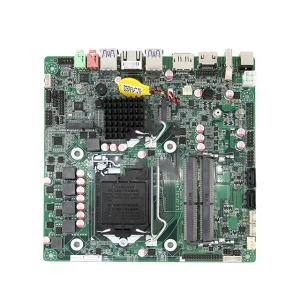
The published product series below shows the breadth of electronics, cable integration and enclosure-level work that STHL supports. Each project is retained with its original product image and link so engineering and sourcing teams can review real application references.
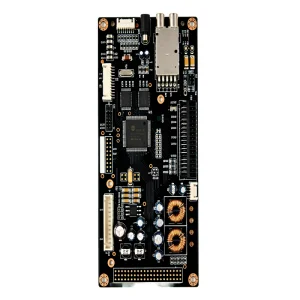
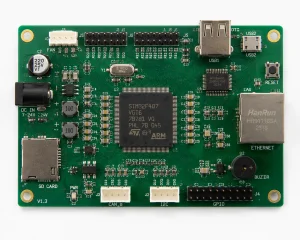
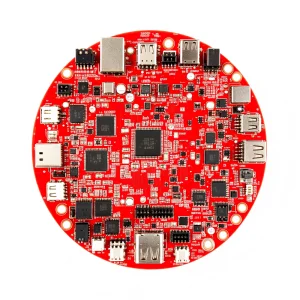
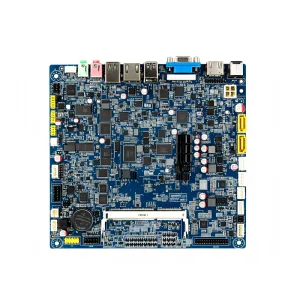
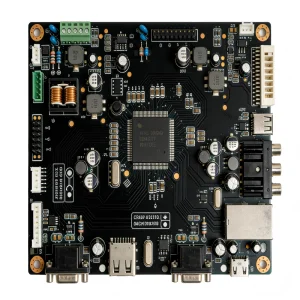
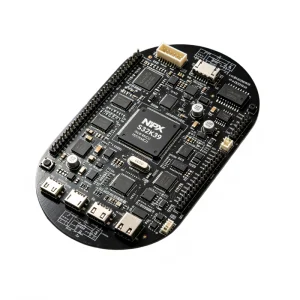
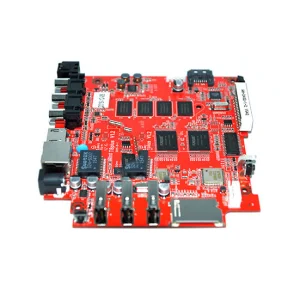
Product titles, images and linked destinations are retained exactly from the supplied series. Applications shown here often combine PCB assembly with cable, connector, harness or box-build integration.
What China Automated Wire Harness Assembly Service Really Means in 2026
A buyer typing “China automated wire harness assembly service” is usually not looking for a generic definition. They are trying to resolve three practical questions at the same time: can the supplier interpret a harness drawing correctly, can it hold crimp and connector quality across a high-mix build, and can it provide evidence that a global OEM will accept during supplier qualification? That is why a useful supplier page must connect wire harness assembly to PCBA, component sourcing, testing, box build and compliance evidence rather than treating it as a simple cable-cutting service.
A wire harness is an engineered interconnection assembly. It may include cut-to-length wire, terminals, connectors, seals, ferrules, splices, shielding, heat-shrink tubing, conduit, labels and branch breakouts. A cable assembly is often a single cable with one or two connectors; a harness is more likely to be a multi-branch system that must fit a specific enclosure, survive vibration, route around mechanical obstructions and pass continuity, withstand-voltage or functional tests. Automation can cover wire cutting, stripping, terminal crimping, seal insertion, ultrasonic welding, label printing, vision inspection and electrical test, but the service is still engineering-led. Automation is not the same as capability. The supplier must prove that the tooling, crimp height monitoring, pull-test records, connector position assurance and traceability are under control.
China remains important in this category because the country combines a dense component ecosystem with mature EMS clusters. A Shenzhen-based supplier can often consolidate PCB fabrication, SMT/THT assembly, wire and cable sourcing, connector procurement, programing, conformal coating, functional test and box build inside one project workflow. For global buyers, the benefit is not simply a lower unit price. The real value is fewer hand-offs between a PCB supplier, cable supplier, connector distributor, test house and final assembler. Fewer hand-offs mean fewer accountability gaps when a harness or board fails at system integration.
Information Gain: what most supplier pages omit
Most manufacturing pages stop at “we provide wire harness assembly.” A procurement-ready page should explain how the supplier protects the interface between the harness and the PCB. Does the harness drawing include the connector keying, wire gauge, insulation material, strip length, crimp specification, pull-force limit, label placement and test specification? Does the supplier review the harness drawing together with the BOM and Gerber data? Will it propose a safer breakout, strain relief or alternate connector when the design is difficult to assemble? Does it capture lot traceability from incoming reel and wire spool to the finished assembly? These details reduce hidden cost during NPI and mass production.
For a project involving automated wire harness assembly and PCBA, the best supplier behaves like an integration partner. The engineering team confirms that connector footprints match the harness drawing, that wire dress does not interfere with enclosure assembly, that test fixtures can access every circuit, and that packaging protects terminals and pins. This is where experience matters. Shenzhen STHL Electronics Co., Ltd. has operated as a certified EMS and ODM provider since 2006. Its published capabilities include PCB layout, component sourcing, PCB fabrication, SMT/THT assembly, cable assembly, box build and testing. STHL reports 220+ staff, 50+ engineers, a 10,000 m² facility, 7 SMT lines, 2 DIP/THT lines, 2 functional test lines, 2 box build lines and an in-house R&D laboratory. Factory visits and audits are welcome, and a 360-degree virtual factory tour is available for remote evaluation.
The most reliable sourcing decision is therefore based on a scorecard, not a single quotation. Compare engineering responsiveness, DFM feedback quality, component authenticity controls, harness-test capability, certification fit, documentation, lead-time transparency and escalation behavior when a defect is found. The lowest quote can become expensive if the supplier cannot supply a crimp record, a test log or a replacement connector quickly. The sections below expand those evaluation criteria with concrete questions global buyers should ask.
Supplier Scorecard
A Factory Footprint You Can Audit, Not Just a Quotation
Capability claims should be measurable. These published figures help global procurement teams test whether a China wire harness and PCBA supplier has the depth to support NPI, repeat production and multi-industry compliance.
20+Years of EMS Experience
10,000+m² Production Facility
50+Professional Engineers
13+Production Lines
99.5%On-Time Delivery
99%Qualified Shipment Rate
Service Capabilities
Automated Wire Harness Assembly Service Capabilities
A complete harness service connects wire preparation, connector procurement, crimp control, electrical verification, PCBA integration and final packaging. The better the supplier controls those interfaces, the lower the risk at system assembly.
Automated Cut, Strip & Crimp
Wire cutting, stripping and terminal crimping can be programmed for repeatable strip length and crimp geometry. Buyers should request crimp-height records and pull-test evidence for critical terminals.
Connector & Terminal Sourcing
Connectors, seals, ferrules, terminals and wire are sourced with incoming inspection and lot traceability. STHL's published sourcing network covers 100+ agents and suppliers and 500,000+ part numbers.
Harness Drawing Review
Engineering checks wire gauge, insulation, keying, branch length, connector orientation, strip length, labeling and test points before production. DFA feedback can prevent late-stage assembly errors.
PCBA & Cable Integration
Harnesses can be assembled with the PCB, enclosure and accessories under one project. This is especially useful for emergency buttons, wall switches, monitoring devices and controllers.
Continuity & Functional Test
Harness continuity, short checks, withstand-voltage tests and application-level functional tests can be combined with AOI, X-ray, ICT and FCT for the PCB side.
Labeling & Traceability
Part number, revision, lot, date code, serialization and test status can be captured. Traceability should connect incoming material to the finished assembly and shipment record.
Low-Volume NPI, No MOQ
Prototype and low-volume orders are accepted without a minimum order quantity, so a design can be validated and then scaled with the same supplier and process controls.
Box Build & Global Delivery
Cable assembly, enclosure integration, ESD-safe packaging and final shipment can be managed as one controlled build. Published delivery reach is 90+ countries and regions.
Localized Support & Compliance
Why Global Buyers Ask for Local Support Before They Ask for a Price
Wire harness projects fail for predictable reasons: unclear drawings, late connector changes, missing test criteria, weak IP protection or a supplier that cannot answer an audit question. Localized support and compliance evidence are therefore part of the product, not a back-office extra.
NDA Before RFQ
Design files, BOMs, harness drawings and test procedures can be protected before quotation. STHL signs an NDA before RFQ and restricts project data to the assigned engineering team.
DFM, DFA & BOM Review
Engineers review Gerber, BOM and centroid data together with harness drawings, so connector footprints, wire routing and test access are considered before materials are ordered.
Quality Systems
Published certifications include IATF 16949, ISO 9001, ISO 14001 and ISO 13485. Assemblies are produced to RoHS-compliant requirements and can be verified with AOI, X-ray, ICT and functional testing.
Audit & Virtual Tour
Factory visits are welcome. Remote teams can pre-qualify the supplier with a 360-degree virtual tour before committing to an on-site audit or a purchase order.
English Project Communication
Global buyers need clear documentation, revision control and responsive technical discussion. STHL supports English and Chinese communication for sales, engineering and customer-service contact points.
Electronic Traceability
ERP and MES tracking can connect production status, lot data and inspection records. For regulated industries, traceability must survive the hand-off from PCB assembly to harness, box build and shipment.
Certification Evidence Matters in Supplier Qualification
Certification images below are retained from the supplied company profile. A certificate should always be checked for scope, validity date and site coverage during an actual audit.

ISO 9001
Quality Management System
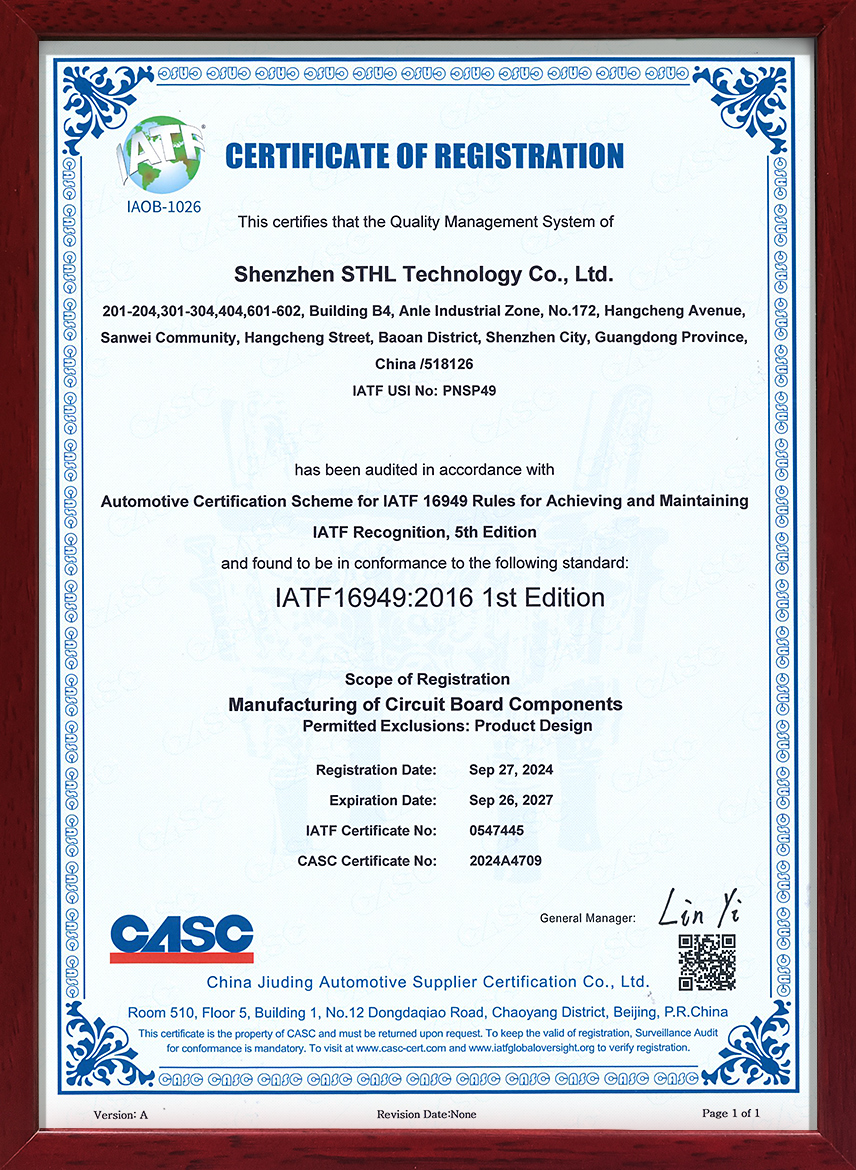
IATF 16949
Automotive Quality Management
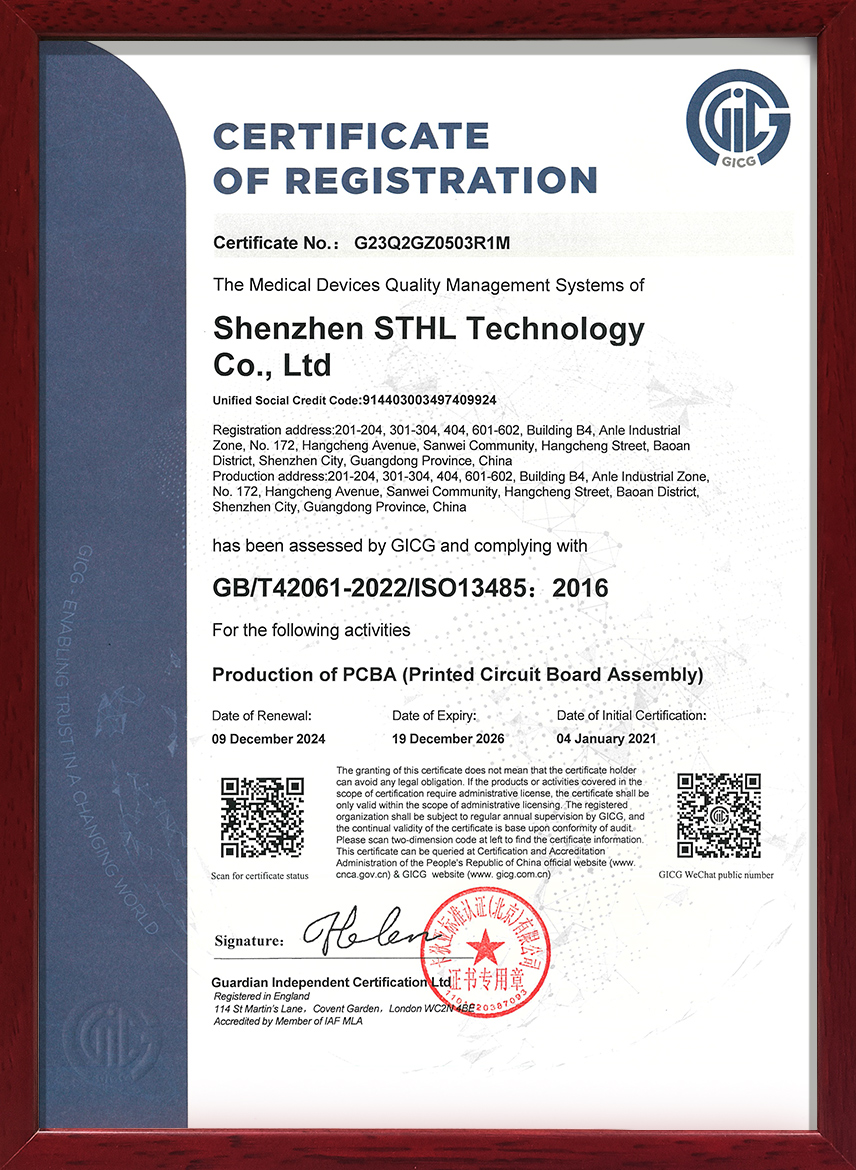
ISO 13485
Medical Devices Quality Management
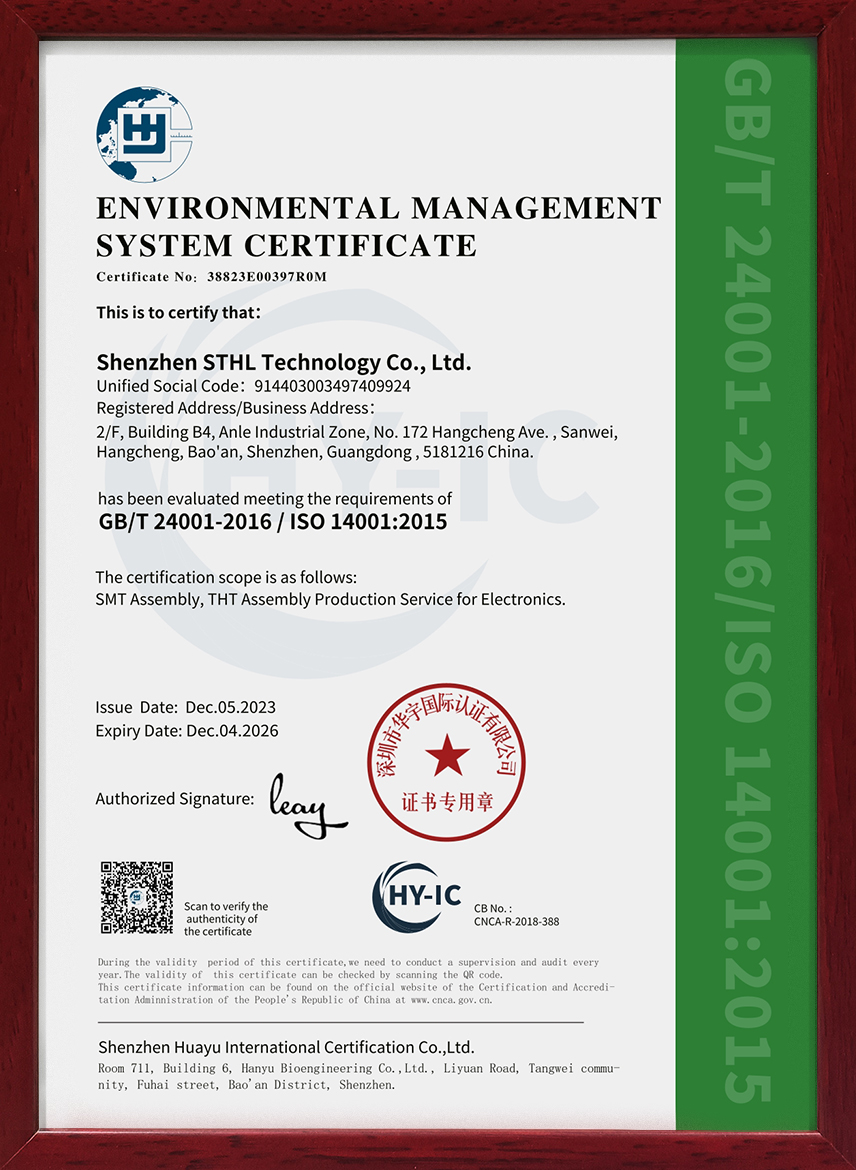
ISO 14001
Environmental Management System
China Supply-Chain Advantage
How China Factories Create Value Beyond Labor Cost
The modern advantage is not simply low-cost assembly. It is supply-chain density, component availability, engineering speed and the ability to combine multiple production steps under one quality system.
Shenzhen Electronics Ecosystem
Connectors, cable, passive components, PCB fabrication, SMT and enclosure suppliers are concentrated enough to shorten sourcing and problem-solving cycles.
500,000+ Part Numbers
STHL's published sourcing network includes 100+ agents and suppliers covering more than 500,000 part numbers, with incoming inspection and traceability from reel to finished board.
BOM + Harness Consolidation
One purchase order can cover PCB fabrication, electronic components, cable, connectors, labels and box-build accessories. Consolidation reduces freight and supplier-management overhead.
Counterfeit-Risk Controls
Incoming inspection, approved supplier channels and lot records matter for connectors, terminals and active components. Buyers should ask how non-authorized sources are excluded.
High-Mix, Low-Volume Flexibility
No MOQ supports prototypes and low-volume builds. The same supplier can later scale repeat production, avoiding a costly re-qualification cycle.
Cost-Down Engineering
DFM feedback, alternate-part proposals and BOM optimization can reduce total cost. The cheapest component is not always the lowest-cost decision if it creates yield or warranty risk.
Life-Cycle & EOL Support
Buyers should ask how end-of-life notices, last-time buys, alternate connectors and bridge inventory are handled before a harness enters volume production.
Documentation Readiness
BOM, test logs, inspection records, packaging instructions and shipment evidence can be prepared for buyer audits, quality reviews and incoming inspection.
Global Procurement Requirements
What Global Enterprises Need From a China Harness Assembly Manufacturer
A supplier that works well for a local prototype may not meet the documentation, traceability and change-control expectations of a global OEM. These are the requirements procurement teams should clarify before awarding volume.
Complete RFQ Package
Send Gerber, BOM with manufacturer part numbers, pick-and-place file, assembly drawings, harness drawing, wire specification, connector list and test requirements.
Total Landed Cost
Compare unit price, tooling, test fixture, freight, packaging, tariff exposure, inventory carrying cost and engineering effort. The lowest piece price can hide the highest total cost.
Documentation Package
Quality records, material declarations, inspection reports, test logs, label artwork, packaging instructions and revision history should be available for review.
Traceability by Lot
Ask how wire, terminals, connectors and PCBAs are linked to the finished harness. In regulated products, lot traceability may need to support recall or field investigation.
Compliance Evidence
Check whether the supplier’s certificate scope actually covers the product and process. For automotive, medical or industrial markets, audit evidence matters more than a logo wall.
NPI to Mass Production
A strong partner assigns engineering support from first article to repeat production. The goal is to freeze the process while still improving yield and packaging as volume increases.
Packaging & ESD Protection
Harnesses with exposed terminals and pins need protected packaging. PCBAs need ESD-safe bags, moisture control where relevant and clear box labels.
Global Shipping Discipline
Shipping labels, packing lists, commercial invoices, HS-code support and delivery schedules should be confirmed before the first shipment leaves China.
Production Workflow
From Harness Drawing to Global Shipment in 6 Controlled Steps
Good sourcing decisions become easier when the process is transparent. This is the core workflow for projects that combine PCB assembly, cable assembly, wire harness preparation and box build.
01
NDA, Requirements & RFQ
Share the Gerber, BOM, centroid file, harness drawing, wire list, connector list and test specification. NDA can be signed before the RFQ so IP is protected early.
02
DFM, DFA & BOM Review
Engineers check footprint accuracy, end-of-life parts, connector mating, wire routing, strip length, test access and assembly sequence before material is ordered.
03
PCB Fabrication & Component Sourcing
Bare boards are fabricated to the required stack-up. Components are sourced through approved channels with incoming inspection and moisture-sensitive device control.
04
SMT/THT, Wire Prep & Harness Build
PCBs are assembled on SMT and DIP/THT lines. Wire, terminals and connectors are prepared and assembled in parallel, then released to final integration.
05
Inspection, Test & Programming
AOI, X-ray, ICT, functional testing, IC programming, conformal coating and continuity checks are performed according to the approved inspection plan.
06
Box Build, Packaging & Delivery
Harnesses, boards, enclosures and accessories are integrated, labeled and packed. Shipment is documented and sent to the buyer’s destination.
Industry Trends
Automated Wire Harness Assembly Trends Reshaping Global Sourcing
The market is moving toward higher documentation, smaller production lots and closer integration between electronics and mechanical assemblies. Buyers who plan for these trends avoid re-qualifying suppliers later.
High-Mix, Low-Volume Production
Electronics companies increasingly launch many variants with lower volumes. A supplier must handle frequent changeovers, mixed harnesses and small PCBA lots without losing traceability.
Automation Plus Human Verification
Automated cut-and-crimp improves repeatability, but connector insertion, complex routing and first-article review still depend on trained operators and clear work instructions.
EV, Energy & Industrial Demand
Automotive electronics, energy storage, charging equipment and industrial controls require rugged harnesses, controlled crimps and documented environmental performance.
Medical & Regulated Traceability
Medical device manufacturing pushes suppliers toward lot-level traceability, change control, clean handling and ISO 13485-aligned process discipline.
Digital MES & ERP Visibility
Global buyers expect production status, traceability and inspection records to be available digitally. ERP and MES tracking reduce the risk of undocumented manual changes.
China Plus Regional Diversification
Many OEMs keep China for engineering depth and supply-chain density while qualifying regional assembly. Suppliers that document processes well are easier to replicate or audit.
Localized Applications
Application Scenarios for Wire Harness and PCBA Integration
The same harness factory can serve very different markets, but the quality controls are not identical. Buyers should match the supplier’s process evidence to the application risk.
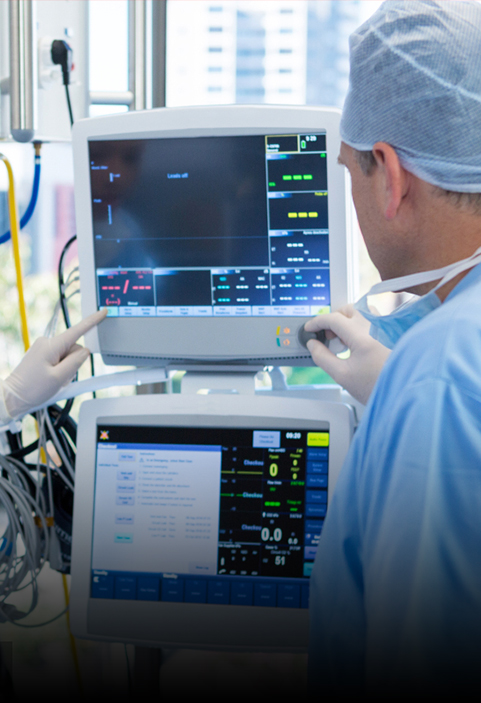
Medical & Healthcare
ISO 13485-controlled assembly for monitoring, diagnostic and wearable devices with lot traceability and careful change control.

Automotive Electronics
IATF 16949 processes for control modules, lighting and charging electronics that must survive heat, vibration and long field life.
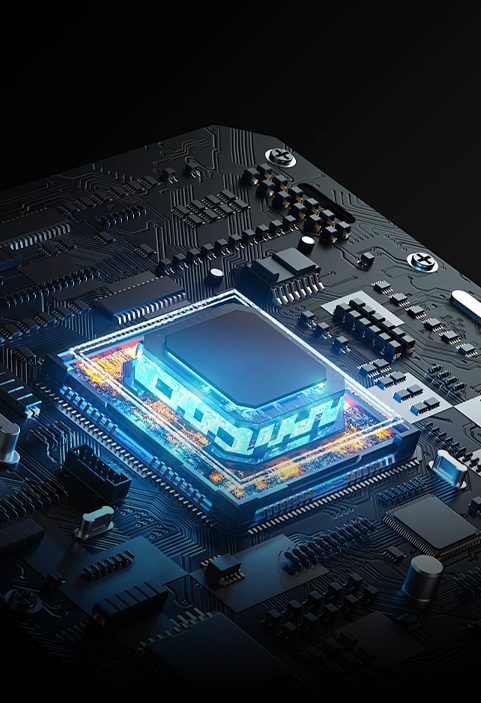
Computer & Storage
High-density boards for computing, storage and peripherals, with BGA inspection and test data suitable for demanding hardware teams.
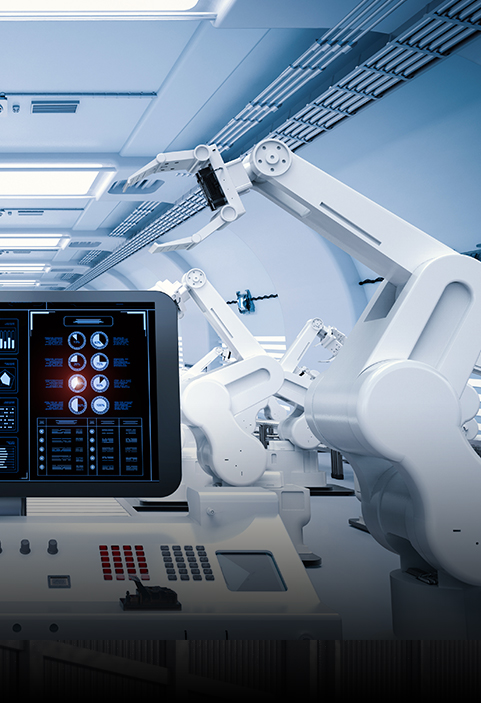
Industrial Control
Robust PCBAs and harnesses for PLCs, motor drives and automation equipment, with conformal coating and test options.
More industries we build for
Why Choose STHL
Why Global OEMs Choose STHL for Harness & PCBA Integration
STHL’s published strengths are relevant to automated wire harness assembly because they reduce the distance between design review, component sourcing, PCB assembly, cable integration, testing and shipment.

Dust-Free Smart Factory
10,000+ m² highly automated production space supports disciplined SMT, DIP, test and box-build operations.

20 Years of Experience
Proven know-how across PCB and PCBA since 2006, with engineering support for first article and repeat production.

Global Sourcing
500k+ parts through 100+ agents and suppliers, supporting BOM and connector procurement with incoming inspection.

Fully Certified
IATF 16949, ISO 9001, ISO 14001 and ISO 13485 systems support automotive, medical and industrial buyer reviews.

ERP & MES Tracking
Real-time production status and lot traceability help global buyers monitor builds and prepare audit documentation.

Cost-Down Engineering
DFM and BOM optimization by the engineering team can reduce material waste, assembly risk and avoidable rework.

No MOQ
Prototype and large-quantity orders are both welcome, making it easier to validate a harness or PCBA design before volume release.

NDA Before RFQ
Design data and IP are protected from day one, with access limited to the assigned project team.

Fast Delivery
Published on-time delivery performance of 99.5% supports production schedules across global shipments.
End-to-End Services
One Controlled Workflow for PCB, Cable, Harness and Box Build
A wire harness is rarely the only deliverable. The board, components, enclosure and test process must arrive together. STHL’s service scope is designed to reduce those multi-supplier hand-offs.

Electronic Components Procurement
Full or partial turnkey sourcing through 100+ agents and suppliers, with BOM scrubbing, alternate-part suggestions and reel-level traceability.
Learn More
PCB Fabrication
Standard, prototype, aluminum, flexible, rigid-flex, HDI, Rogers, ceramic, heavy-copper, high-Tg and halogen-free boards built to your stack-up.
Learn More
SMT & THT PCB Assembly
Prototype, low-volume and high-volume assembly including fine-pitch, BGA and mixed-technology boards, verified by AOI and X-ray.
Learn More
Value-Added Services
PCB layout and design, IC programming, ICT and functional testing, conformal coating, cable and wire harness assembly, and complete box build.
Learn More
Client Feedback
What Engineers and Buyers Say About Working With STHL
Feedback from hardware engineers, designers and company owners is useful evidence, especially when it mentions delivery, sample quality, communication and repeat orders.
Excellent team to work with and fast delivery with high-quality boards. We are very happy to work with such a good supplier. Thanks again.

PauloR&D Engineer · United States
Please extend my thanks to your team for your hard work in preparing these samples. This positive experience has strengthened my confidence in your company, and I'm looking forward to discussing bulk orders in the near future.

OliviaHardware Engineer · Germany
We are satisfied with the last order. You did a great job on those boards and the lead time was short. I will place a new order soon.

WilliamCEO · Italy
The order was perfect — exactly as specified with top quality. Highly recommend this reliable supplier.

DmitryCEO · Brazil
Exciting! Very fast delivery, a professional supplier and a professional product. We will place a new order very soon!

SohiabHardware Engineer · Turkey
We have tested all the boards and I am highly pleased. I will repeat my order soon. Thank you again for your excellent service.

AnnaSr. Hardware Designer · New Zealand
It's always a pleasure ordering. Very professional team and good quality — thanks for your great service.

JohnsonR&D Engineer · United States
Satisfied with the sample products delivered. Very good product, quick delivery and a good understanding of my requirements.

SarahHardware Engineer · United Kingdom
The supplier's professionalism is evident in their seamless communication, efficient processing and reliable service. They are a trustworthy and commendable partner.

Dmitry IvanovCEO · Romania
Factory Insights
Recent Factory News and Practical Sourcing Notes
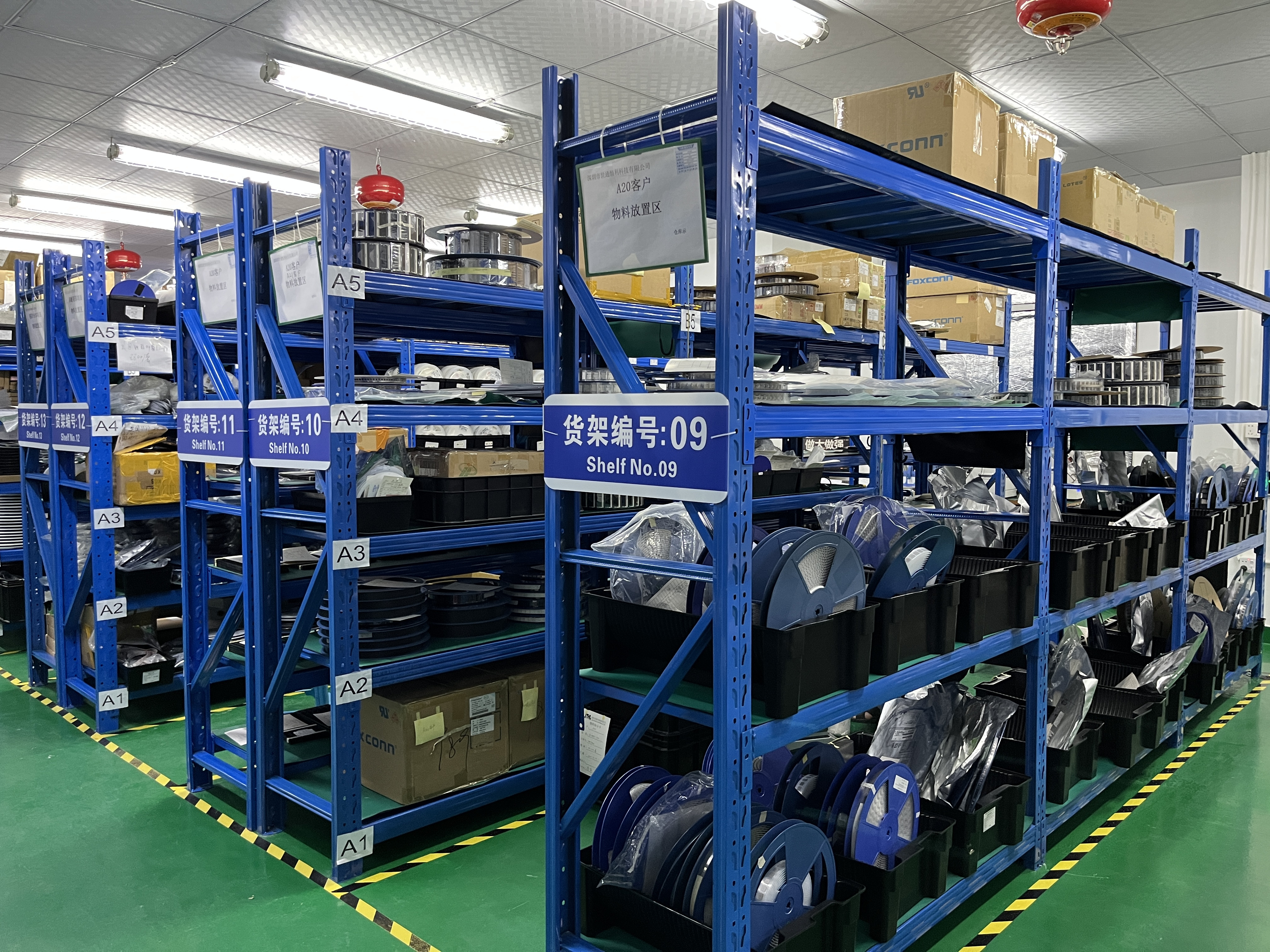
Factory visits, traceability practices and lead-time discussions are useful signals for buyer pre-qualification. These published updates show how engineering and sourcing topics connect.



FAQ
China Automated Wire Harness Assembly Service FAQs
Straight answers to the questions procurement, quality and engineering teams ask before choosing a wire harness and PCBA manufacturer in China.
What is automated wire harness assembly, and how is it different from manual harness assembly?
Automated wire harness assembly uses programmable equipment for wire cutting, stripping, terminal crimping, seal insertion, labeling and test. Manual harness assembly relies more heavily on operator routing and connector insertion. In practice, most high-quality harness production is hybrid: automation improves repeatability and throughput, while trained operators handle flexible routing, complex breakouts, connector position assurance and first-article verification. The important question is not whether a supplier owns automation, but whether it controls crimp force, strip length, pull strength, connector keying and test records.
What files should I provide for a wire harness and PCBA RFQ?
Send Gerber files, a BOM with manufacturer part numbers, the pick-and-place centroid file, assembly drawings, harness drawing, wire list, connector list, wire gauge and insulation requirements, strip-length criteria, label rules and test procedures. If you need IC programming or functional testing, include firmware and test steps. A good supplier will complete a DFM, DFA and BOM review before production begins.
Can STHL combine wire harness assembly with PCB assembly and box build?
Yes. STHL’s published service scope includes component sourcing, PCB fabrication, SMT/THT assembly, cable assembly, box build and testing. This is useful for products where the harness, PCB, enclosure and accessories must be validated together. It also reduces the risk of finger-pointing between separate board, cable and final-assembly suppliers.
Is there a minimum order quantity for automated wire harness assembly?
STHL publishes a no-MOQ policy, accepting prototype, low-volume and high-volume PCB assembly orders. For harness projects, MOQ often depends on connector packaging, wire spool minimums and custom tooling rather than assembly labor. Buyers should confirm material minimums separately from assembly minimums before placing a first order.
How do you protect our harness drawings, BOM and design IP?
STHL signs an NDA before RFQ, restricts project data to the assigned engineering team and tracks builds through ERP and MES systems. For extra security, buyers can remove unnecessary proprietary details from RFQ documents, use revision-controlled file packages and request confirmation of which team members will access the data.
Which certifications and compliance documents can STHL provide?
STHL’s published certifications include IATF 16949, ISO 9001, ISO 14001 and ISO 13485. Assemblies are RoHS-compliant and boards can be verified with AOI, X-ray, ICT and functional testing. During supplier qualification, always confirm the certificate scope, validity date and site coverage, and request material declarations or test evidence relevant to your industry.
Can STHL source connectors, terminals, wire and other harness components?
Yes. STHL offers full turnkey, partial turnkey and consigned assembly. Its published sourcing team works with 100+ agents and suppliers covering more than 500,000 part numbers, with incoming inspection and traceability from reel to finished board. For harness components, buyers should specify preferred connector brands, plating requirements, wire insulation and approved alternates.
How do you control quality and traceability for harness and PCBA builds?
A robust build links incoming material to the finished assembly. That can include wire spool lot, terminal lot, connector lot, PCB lot, component reel, operator, equipment, test result and shipment record. Optical inspection, X-ray, ICT and functional test cover the PCBA side; continuity, short checks and application-level tests cover the harness side. The supplier should define which records are retained and for how long.
Can we audit the factory or use a virtual tour before ordering?
Yes. Customers are welcome to visit the Shenzhen factory and R&D laboratory at any time, and a 360-degree virtual factory tour is available for remote evaluation. For a remote pre-audit, prepare specific questions about crimp validation, test fixtures, traceability, non-conforming material control and change notification.
How should global buyers evaluate China automated wire harness manufacturers?
Use a scorecard that covers engineering response, drawing review quality, crimp and connector validation, component sourcing controls, test capability, certification fit, traceability, documentation, lead-time transparency, packaging and escalation. Ask for evidence, not just capability statements. A supplier that can explain how it will prevent a harness-to-board mismatch before production is usually a stronger partner than one that only competes on unit price.
More Published Builds · 8 of 16
Additional Productized References for Global Procurement Teams
The final eight published product references cover vehicle control, LED lighting, smoke detection, cockpit voice recording, smart wall switching, perimeter protection, Wi-Fi modules and custom medical PCBA applications.
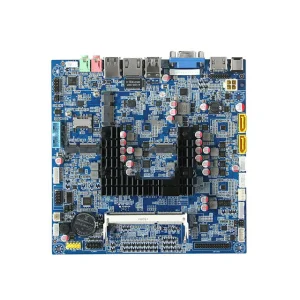
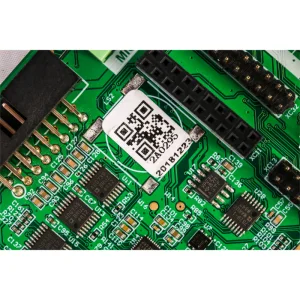
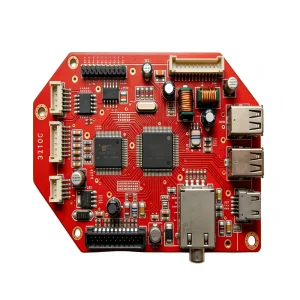
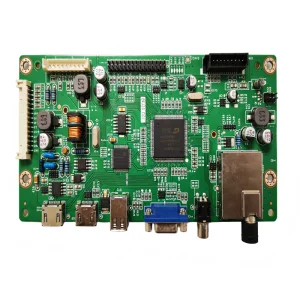
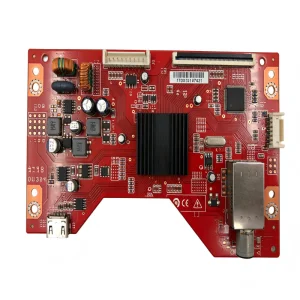
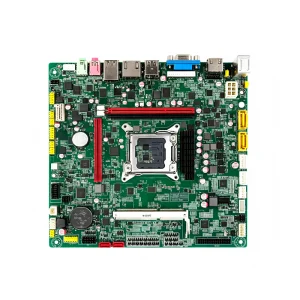
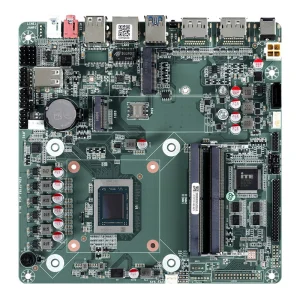
All original product images and destination URLs are preserved. For new projects, combine the closest reference above with your harness drawing, BOM and test specification in the RFQ.
Next Step
Planning a Wire Harness + PCBA Build?
Send the harness drawing, BOM, Gerber, test requirements and target schedule. STHL can review the project under NDA, identify manufacturability risks and quote prototype or volume production with cable, PCB and box-build scope aligned.
- [email protected]
- +86 135 1018 8049
- B4, AnLe Industrial Zone, No.172 Hangcheng Blvd, Bao'an Xixiang District, Shenzhen, 518126 China
- Shenzhen STHL Electronics Co., Ltd. · EMS & ODM since 2006