 STHLPCBA & EMS Since 2006
Certified Rigid-Flex Circuits Supplier & Company for Critical Electronics
Rigid-flex PCB fabrication, component sourcing and turnkey assembly for OEMs that need 3D packaging, vibration resistance, weight reduction and documented traceability. IATF 16949, ISO 9001, ISO 14001 and ISO 13485 systems support prototype through volume production.



 Certified quality & environmental systems · No MOQ · NDA before RFQ
Product Platforms for Rigid-Flex and Advanced PCBA Builds
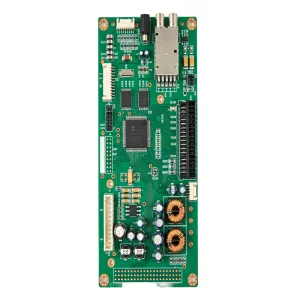
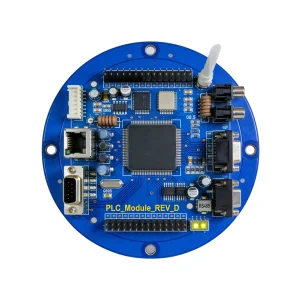
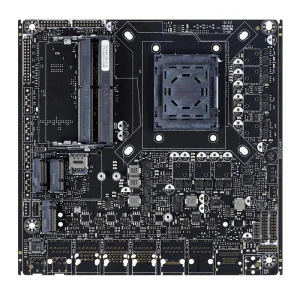
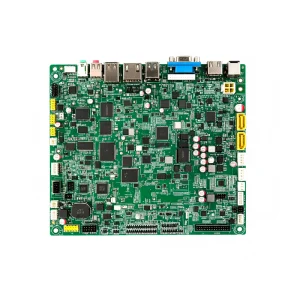
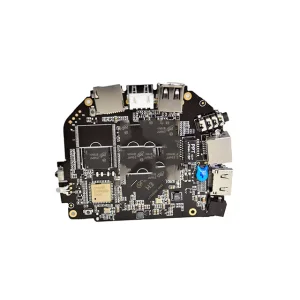
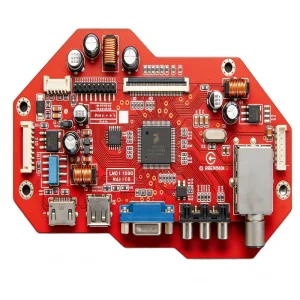
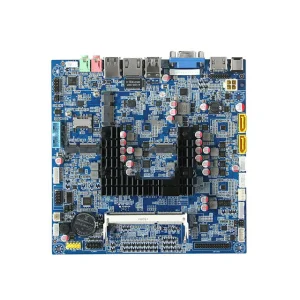
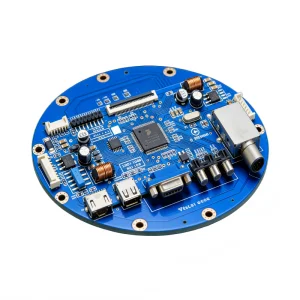
These programs show the breadth of STHL’s manufacturing experience across LED lighting, aerospace, automotive safety, battery management, security, power, telemedicine, motor control and communication electronics. Each product URL is retained for direct technical review.
What a Certified Rigid-Flex Circuits Supplier Must Prove
Rigid-flex circuits combine rigid FR-4 sections with flexible polyimide layers in a single monolithic structure. Instead of joining separate boards with connectors and cables, rigid-flex designs route conductors through bendable zones. The result is a lighter, thinner assembly with fewer solder joints, fewer connector interfaces and better resistance to vibration and 3D packaging constraints.
One structure, three functions
A rigid-flex board performs three jobs at once: it carries high-density circuitry, replaces discrete cables and connector assemblies, and creates mechanical stability where the product needs it. The flexible section absorbs tolerance stack-up and movement, while the rigid section supports fine-pitch components, shielding and thermal spreading.
For procurement teams, the real qualification question is not simply “can you fabricate a rigid-flex PCB?” It is whether the supplier can control stack-up design, material selection, bend-radius validation, assembly yield, inspection and traceability under one quality system.
When rigid-flex is the right choice
- The product needs 2.5D or 3D packaging with a controlled bend.
- Connector height, weight or cable routing is a limiting factor.
- The assembly faces shock, vibration, thermal cycling or moisture.
- High-speed signals require controlled impedance through a flex transition.
- The program needs fewer mechanical interfaces and better reliability.
- Prototype validation must transition smoothly to repeat volume production.
Semantic search intent
Buyers searching for a “certified rigid-flex circuits supplier” usually compare engineering review, compliance evidence, assembly capability and availability, not only unit price. A credible page therefore needs to show process discipline, examples and audit-ready documentation.
Compliance evidence
IATF 16949, ISO 9001, ISO 14001 and ISO 13485 systems, RoHS-compliant assemblies, incoming inspection, reel-to-board traceability and NDA-covered engineering reviews reduce supplier risk for regulated programs.
Horizontal + vertical integration
PCB fabrication, component sourcing, SMT/THT assembly, testing, conformal coating and box build inside one factory shorten the loop between design review, first article and series production.
Miniaturization, Electrification and Traceability Are Reshaping PCB Assembly
The global electronics supply chain is being reshaped by electrification, edge computing, medical decentralization, automation, energy storage and stricter product-compliance expectations. Rigid-flex sits directly at the intersection of these trends: it helps engineers reduce weight and connector count while improving signal integrity and mechanical reliability in compact products.
Demand signal · Automotive
EV platforms, ADAS, lighting and battery management push more electronics into vibration-heavy environments. IATF 16949 process discipline and PPAP-style evidence matter.
Illustrative STHL project-mix signal, not a market forecast.
Demand signal · Medical
Point-of-care diagnostics, telemedicine and wearable monitoring require ISO 13485 controls, lot traceability and repeatable assembly for low- and high-volume builds.
Illustrative STHL project-mix signal, not a market forecast.
Demand signal · Aerospace & industrial
Extreme-temperature operation, shock and long lifecycle requirements favor rigid-flex architectures with validated materials, inspection records and controlled change management.
Illustrative STHL project-mix signal, not a market forecast.
Demand signal · Consumer & IoT
Wearables, smart home and security devices use compact rigid-flex assemblies to fit more functionality into thin enclosures while simplifying final assembly.
Illustrative STHL project-mix signal, not a market forecast.
Application-Specific Manufacturing for Demanding Environments
From in-vehicle electronics to medical devices and smart IoT products, our process controls are matched to the reliability and compliance level each market requires. The same engineering discipline supports prototype validation and repeat production.

Medical & Healthcare
ISO 13485-controlled assembly for monitoring, diagnostic and wearable devices with full lot traceability.
View medical solutions →
Automotive Electronics
IATF 16949 processes for control modules, lighting and charging electronics that must survive heat and vibration.
View automotive solutions →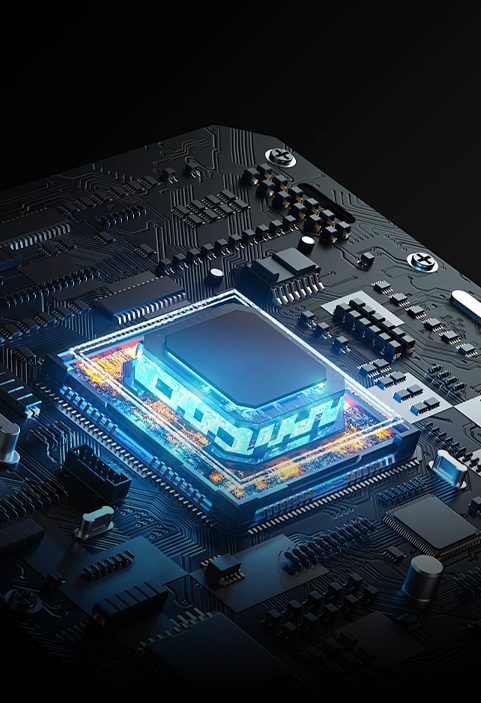
Computer & Storage
High-density, BGA-rich boards for computing, storage and peripherals, verified by X-ray inspection.
View computer solutions →
Industrial Control
Robust PCBAs for PLCs, motor drives and automation equipment, with conformal coating options.
View industrial solutions →Aerospace & Extreme Environments
Engineering reliability for high-reliability programs where traceability, change control and inspection evidence are central to supplier qualification.
View aerospace solutions →LED Lighting & Grow Lights
Thermal management, long-board assembly and driver integration for strip lights, modules and horticultural lighting boards.
View LED assembly →Energy, BMS & Power
Battery management, DC converters and hot-swappable power supplies with high-current, thermal and safety considerations.
View energy solutions →Safety, Security & Smart Home
Outdoor cameras, access control, leak sensors and smart-home devices built for long-term stability and global compliance.
View security solutions →Design Rules That Separate Reliable Rigid-Flex from Fragile Prototypes
Rigid-flex reliability is decided long before assembly. The layer stack-up, coverlay opening, bend radius, copper grain direction, adhesive selection, stiffener placement and panelization all influence yield and field life. STHL engineers review these variables before material is ordered.
Stack-up & bend radius
We review layer count, flex-core thickness, copper weight and neutral-axis placement. A bend radius that is too tight or a copper transition that is poorly placed can create latent opens after thermal cycling.
Materials & adhesives
Polyimide, FR-4, acrylic, epoxy and low-flow prepreg systems are selected for temperature, flex fatigue, dielectric performance and assembly compatibility, not merely availability.
Impedance & high speed
Controlled impedance, differential pairs, shielding and reference-plane continuity are evaluated across rigid-to-flex transitions to protect signal integrity in high-speed designs.
Thermal management
Copper balancing, thermal relief, metal stiffeners and heat-spreading strategies help protect solder joints and components in compact, high-power assemblies.
EMI / EMC control
Grounding, shielding films, guard traces and layer symmetry are considered together with enclosure design to reduce emissions and susceptibility.
DFM & assembly
Stiffeners, connectors, fine-pitch components, panelization and fixture design are reviewed with the BOM and centroid data so the design is buildable before production starts.
From Gerber Files to Global Shipment in Six Controlled Steps
Knowing what happens after a purchase order reduces uncertainty. This is how every STHL PCBA project moves through our factory, whether it is a prototype rigid-flex build or a repeat production order.
DFM & BOM Review
Engineers check Gerber, BOM and centroid data for manufacturability, footprint errors and end-of-life parts before any material is ordered.
Component Sourcing
Parts are purchased through 100+ agents and suppliers, then pass incoming inspection and moisture-sensitive device control.
PCB Fabrication
Bare boards are produced to your stack-up, surface finish and impedance requirements, from single-layer to HDI and rigid-flex.
SMT & THT Assembly
7 SMT lines and 2 DIP/THT lines handle fine-pitch, BGA and mixed-technology boards for prototypes and mass production.
Inspection & Testing
AOI, X-ray, ICT and functional tests, plus IC programming and conformal coating, with results logged in our MES.
Box Build & Delivery
Cable assembly, enclosure integration and ESD-safe packaging, shipped to customers in 90+ countries and regions.
One Factory in Shenzhen, Local Support for Global Programs
Overseas buyers need more than a price list. They need a supplier that can answer engineering questions in the customer’s time zone, prepare audit documents, protect IP and keep delivery commitments across regions with different compliance expectations.
North America
Support for US and Canadian hardware teams in medical, industrial, security and consumer electronics, with NDA-first RFQs and prototype-to-volume transitions.
Europe & UK
English-language engineering communication, RoHS documentation, traceability records and support for automotive, medical and industrial compliance reviews.
Asia-Pacific
Fast engineering feedback for smart-home, communication, computer and consumer programs that demand quick-turn prototypes and repeat production.
Latin America & ANZ
Support for Brazilian, New Zealand and Australian customers that value responsive communication, short lead times and documented quality controls.
Compliance and IP protection are part of the workflow
- IATF 16949, ISO 9001, ISO 14001 and ISO 13485 certified systems.
- RoHS-compliant assemblies and documented material controls.
- NDA before RFQ, restricted project access and ERP/MES traceability.
- AOI, X-ray, ICT and functional test records retained for review.
- Factory visits and audits welcome; 360-degree virtual tour available.
- Prototype, low-volume and high-volume production under one roof.
Designing for Real Operating Environments
Rigid-flex performance depends on where the product is used, how it is installed and what compliance evidence the buyer must retain. These scenarios reflect common requirements from global OEM programs.
EV charging & automotive control in Europe
Rigid-flex boards fit behind compact displays and sensor clusters, where vibration, thermal cycling and EMC performance must be validated before series production.
Point-of-care diagnostics in North America
Medical device teams need ISO 13485 controls, lot traceability, repeatable assembly and documentation that supports internal quality reviews.
Industrial automation in Germany
PLC, drive and sensor modules require robust PCBAs, conformal coating options and consistent quality across low-volume variants.
Wearables & smart home in Asia-Pacific
Space-constrained products use rigid-flex to combine circuitry, antenna keep-out zones and display connections without separate cables.
Outdoor security in the UK & ANZ
Outdoor cameras and access-control devices need moisture resistance, stable imaging performance and reliable assembly for long product life.
Energy storage in Latin America
Battery management and power-conversion products require high-current design discipline, thermal planning and traceable component sourcing.
Where Rigid-Flex Manufacturing Is Heading
The next wave of rigid-flex demand will be shaped by finer features, higher layer counts, embedded components, sustainable materials and digital traceability. STHL’s roadmap focuses on the capabilities that improve first-pass yield and supplier confidence.
HDI & fine-pitch
Microvias, finer lines and laser-direct imaging support denser rigid-flex designs for wearables, cameras and medical devices.
Embedded components
Embedded actives and passives can reduce board area and improve signal paths, but require tighter process control and new inspection strategies.
Sustainable materials
Halogen-free laminates, lower-waste panelization and RoHS/REACH-aligned material choices are becoming part of supplier scorecards.
Smart factory & MES
Real-time production visibility, lot traceability and digital inspection records help global buyers audit quality without adding administrative friction.
Roadmap direction: shorter engineering loops, more complete first-article documentation, higher mix flexibility and repeatable quality data across prototype and volume builds.
One Accountable Supplier from First Article to Repeat Production
For 20 years, STHL has combined component procurement, PCB fabrication, SMT and THT assembly and functional testing into one controlled workflow, so your team deals with one supplier from first article to repeat production.

Electronic Components Procurement
Full or partial turnkey sourcing through 100+ agents and suppliers, with BOM scrubbing, alternate-part suggestions and reel-level traceability.
Learn more →
PCB Fabrication
Standard, prototype, aluminum, flexible, rigid-flex, HDI, Rogers, ceramic, heavy-copper, high-Tg and halogen-free boards built to your stack-up.
Learn more →
SMT & THT PCB Assembly
Prototype, low-volume and high-volume assembly including fine-pitch, BGA and mixed-technology boards, verified by AOI and X-ray.
Learn more →
Value-Added Services
PCB layout and design, IC programming, ICT and functional testing, conformal coating, cable and wire harness, and complete box build assembly.
Learn more →Why Global OEMs Choose STHL for PCB Assembly
Measurable capacity, documented quality systems and engineering support that reduces total cost, not just unit price.

Dust-Free Smart Factory
10,000+ m² highly automated production space.

20 Years of Experience
Proven know-how across PCB and PCBA since 2006.

Global Sourcing
500k+ parts via 100+ agents and suppliers.

Fully Certified
IATF 16949, ISO 9001, ISO 14001, ISO 13485.

ERP & MES Tracking
Real-time production status and lot traceability.

Cost-Down Engineering
DFM and BOM optimisation by our engineering team.

No MOQ
Prototype and large-quantity orders both welcome.

NDA Before RFQ
Your design data and IP are protected from day one.

Fast Delivery
99.5% on-time delivery across global shipments.
Brands, Supply-Chain Partners and Engineers Who Build With STHL
Long-term cooperation with global brands and established component distributors keeps your BOM genuine, traceable and available. Feedback from hardware engineers, designers and company owners reflects the day-to-day experience of working with our team.
Brand Customers



















Component Sourcing Channels












Excellent team to work with and fast delivery with high-quality boards. We are very happy to work with such a good supplier. Thanks again.

Please extend my thanks to your team for your hard work in preparing these samples. This positive experience has strengthened my confidence in your company, and I'm looking forward to discussing bulk orders in the near future.

We are satisfied with the last order. You did a great job on those boards and the lead time was short. I will place a new order soon.

The order was perfect — exactly as specified with top quality. Highly recommend this reliable supplier.

Exciting! Very fast delivery, a professional supplier and a professional product. We will place a new order very soon!

We have tested all the boards and I am highly pleased. I will repeat my order soon. Thank you again for your excellent service.

It's always a pleasure ordering. Very professional team and good quality — thanks for your great service.

Satisfied with the sample products delivered. Very good product, quick delivery and a good understanding of my requirements.

The supplier's professionalism is evident in their seamless communication, efficient processing and reliable service. They are a trustworthy and commendable partner.

Certified Quality Management Systems
Independent third-party audits confirm that our processes meet the requirements of automotive, medical and industrial customers. Click any certificate to view it in full size.

ISO 9001
Quality Management System

IATF 16949
Automotive Quality Management

ISO 13485
Medical Devices Quality Management

ISO 14001
Environmental Management System
PCBA Insights & Factory News
Practical updates from our production floor: customer visits, traceability practices and what really drives PCBA lead time.




Rigid-Flex & PCBA Sourcing FAQs for Overseas Buyers
Straight answers to the questions procurement and engineering teams ask before choosing a PCB assembly manufacturer in China.
What is a rigid-flex circuit, and when should our team use one?
A rigid-flex circuit combines rigid FR-4 areas with flexible polyimide areas in one board. It is usually chosen when the product needs 3D packaging, weight reduction, fewer connectors, better vibration resistance or a more reliable connection between two tightly spaced assemblies. Early DFM review is important because bend radius, stiffener placement and stack-up choices affect both yield and field life.
What files do I need to submit for a PCBA project?
Send Gerber files, a BOM with manufacturer part numbers, the pick-and-place (centroid) file and assembly drawings. If you need IC programming or functional testing, include firmware and test procedures. Our engineers complete a DFM and BOM review before production starts.
How do you validate rigid-flex bend reliability?
We review the neutral axis, copper weight, bend radius, coverlay design and stiffener transition during DFM. Where the program requires it, first-article samples can be checked with dimensional inspection, continuity testing, thermal cycling or application-specific mechanical validation before volume production.
Is there a minimum order quantity (MOQ)?
No. STHL accepts prototype, low-volume and high-volume PCB assembly orders, so you can validate a design and scale to mass production with the same supplier.
Can STHL source all the electronic components?
Yes. We offer full turnkey, partial turnkey and consigned assembly. Our sourcing team works with 100+ agents and suppliers covering more than 500,000 part numbers, with incoming inspection and traceability from reel to finished board.
Which quality certifications does STHL hold?
STHL is certified to IATF 16949, ISO 9001, ISO 14001 and ISO 13485, and produces RoHS-compliant assemblies. Boards are verified with AOI, X-ray, ICT and functional testing.
How do you protect our design files and IP?
We sign an NDA before RFQ, restrict project data to the assigned engineering team and track every build through our ERP and MES systems.
Can we audit or visit the factory?
Yes. Customers are welcome to visit our Shenzhen factory and R&D laboratory at any time, and a 360-degree virtual factory tour is available for remote evaluation.
Can STHL support both rigid-flex fabrication and assembly?
Yes. Our workflow covers PCB fabrication options including rigid-flex, HDI, flexible, Rogers, ceramic and heavy-copper boards, followed by component sourcing, SMT/THT assembly, inspection, testing, conformal coating and box build.
How do you handle engineering changes after first article?
Changes are reviewed against the approved BOM, fabrication notes, test plan and inspection criteria. We document the revision, confirm material impact and update MES records so repeat production matches the approved build.
Additional Rigid-Flex & PCBA Product References
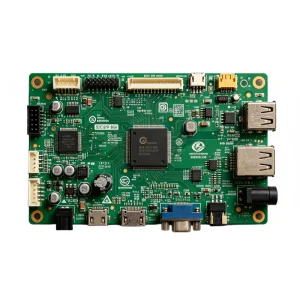
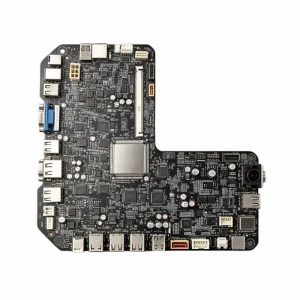
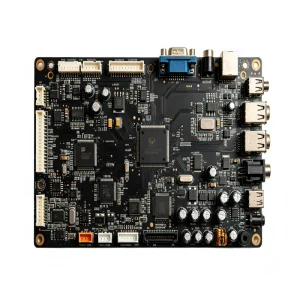
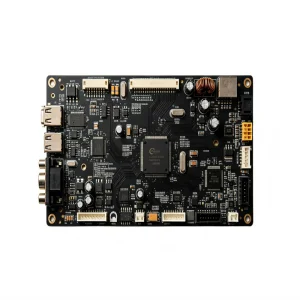
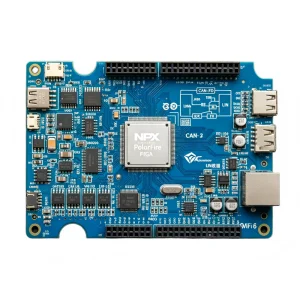
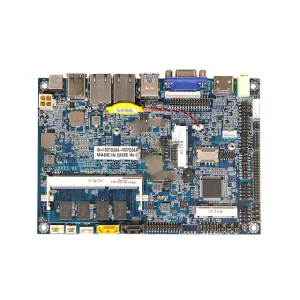
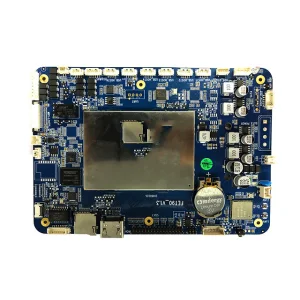
These product references cover security, power, in-vehicle Bluetooth, wireless phones, telemedicine, DC conversion, motor control and call-center communication electronics. The original product URLs and images are retained below.
Planning a Rigid-Flex or High-Reliability PCBA Build?
Send us your Gerber, BOM, centroid file and assembly notes. Our engineers will review the stack-up, component availability, test strategy and production path before you commit to tooling or material. STHL has supported OEMs in the USA, Germany, Italy, the UK, Poland, New Zealand, Brazil and 90+ other regions since 2006.
