Certified PCB Stencil Solution Provider & from China
Laser-cut, electroformed, step and nano-coated SMT stencils engineered in Shenzhen for fine-pitch, BGA, power electronics and high-mix PCBA programs. One quality system, one engineering contact and a supply chain built for global OEMs.
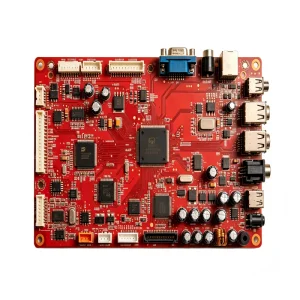
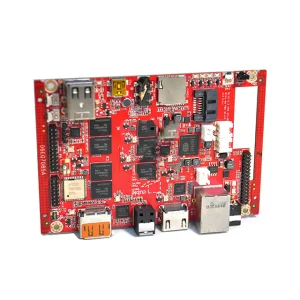
Featured PCBA Platforms Supported by Certified Stencil Engineering
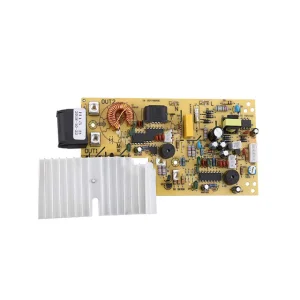
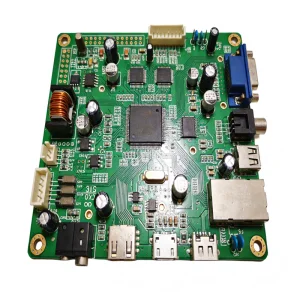
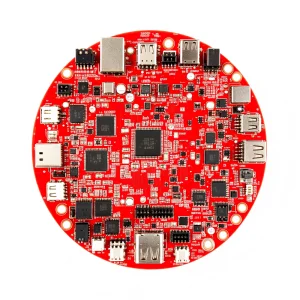
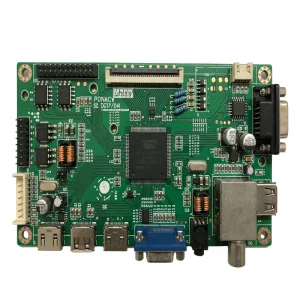
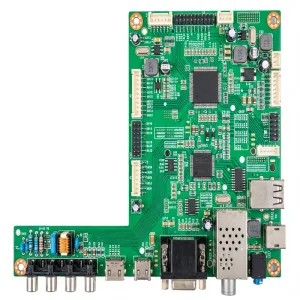
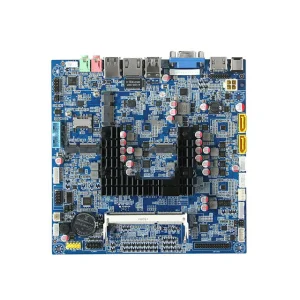
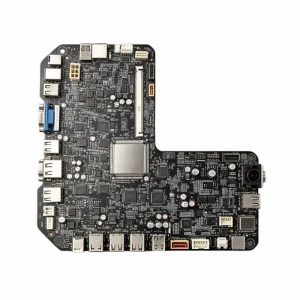
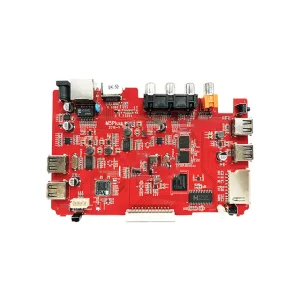
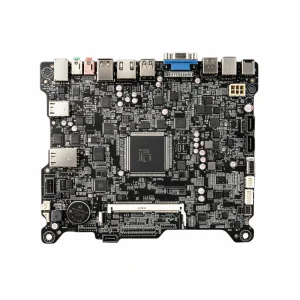
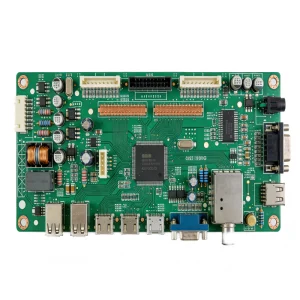
A stencil is never a standalone item. It is part of an application stack that includes PCB finish, paste chemistry, component pitch, reflow profile and test strategy. These eight programs show the practical range of STHL’s stencil and PCBA support — from automotive HUD and battery management to power supplies, wastewater monitoring and infotainment.
Search Intent: What Buyers Really Need from a Certified PCB Stencil Solution Provider from China
The query “Certified PCB Stencil Solution Provider & from China” is not a simple product search. It is a qualification query that combines technical capability, quality evidence, geography, lead time and supply-chain risk. An SMT engineer wants to know whether the aperture design will release paste reliably on a 0.4 mm pitch QFN. A procurement manager wants proof that documentation, traceability and IP protection are controlled. An NPI team wants a rapid first article and a path to repeat volume.
A stencil is one of the smallest tools in the SMT process, yet it influences paste volume, bridging, insufficient solder, tombstoning, voiding and first-pass yield. The difference between a commodity stencil and a certified stencil solution is not only the stainless steel foil. It is the DFM review, aperture engineering, laser cutting control, post-processing, tensioning, cleaning, inspection, packaging and documentation that surround it.
“From China” adds another layer. Global buyers want access to the Shenzhen electronics ecosystem, quick-turn tooling and competitive total cost, but they also need English-speaking engineering support, NDA protection, export documentation and a supplier that can survive demand spikes. STHL has served OEMs since 2006 from Shenzhen, with a 10,000 m² facility, 220+ staff, 50+ engineers and a quality system built around IATF 16949, ISO 9001, ISO 14001 and ISO 13485 requirements. The same discipline used for PCBA programs can be applied to stencil review, fabrication and verification.
Certified Quality Is a System, Not a Certificate on a Wall
Certification is only meaningful when it changes daily behavior: incoming material control, calibrated equipment, documented work instructions, change management, corrective action and traceability. STHL’s quality culture is built for automotive, medical, industrial and consumer buyers who cannot accept undocumented process drift.
ISO 9001 Process Discipline
Work instructions, equipment calibration, incoming inspection, nonconforming-material control and corrective action protect repeatability from prototype to mass production.
IATF 16949 Automotive
Automotive programs demand APQP thinking, change control, error proofing and disciplined documentation. These habits support HUD, BMS, OBC, infotainment and navigation electronics.
ISO 13485 Medical
Medical and diagnostic boards require contamination control, full lot traceability and reliable documentation. Stencil handling and cleaning practices are aligned with controlled production.
ISO 14001 & Compliance
Environmental control, waste handling and material declarations support RoHS and REACH-conscious supply chains. Documentation can be prepared for customer audits and qualification files.
From Gerber to First Article: The 6-Step Route for SMT Stencils
A certified stencil solution is a controlled sequence of engineering decisions. Each step creates evidence that the stencil will perform in your printer, with your paste and on your board — not merely that a foil was cut to a drawing.
DFM & Stencil Data Review
Review Gerber, paste layer, board thickness, surface finish, component pitch, mixed-technology areas, fiducials and panelization. Identify apertures that may fail area-ratio or aspect-ratio rules before cutting.
Aperture & Thickness Strategy
Select foil thickness, aperture geometry, home-plate or rounded-corner options, step or micro-step zones and nano coating based on paste type, particle size and print parameters.
Material & Laser Cutting
Stainless steel foil is cut with controlled laser parameters to limit burrs, taper and heat effects. Fine-pitch and BGA areas receive additional process attention and verification.
Electropolish & Coating
Post-processing improves aperture wall quality and paste release. Nano coating can reduce paste adhesion and cleaning frequency, especially for high-mix and fine-pitch production.
Framing & Tension Control
Framed and frameless options are available. Tension uniformity and attachment quality influence print repeatability, squeegee pressure and stencil life on high-volume lines.
Inspection & Documentation
2D/3D inspection, aperture verification, first-article reports, QR labeling and traceability records accompany the stencil. For PCBA programs, AOI, X-ray, ICT and functional test provide further evidence.
Where applicable, aperture design follows customer-approved rules and IPC 7526-aligned guidance for paste release. Engineering teams should always confirm the stencil specification against the paste manufacturer’s data sheet, printer capability and SPI results.
Technical Roadmap and Future Outlook: Stencils for the Next SMT Decade
The next wave of electronics packaging will push stencil design further into the center of yield engineering. Miniaturization, heterogeneous integration, power density and traceability will require suppliers to contribute engineering insight, not just tooling capacity.
Miniaturization & Advanced Packages
01005 components, 0.3 mm pitch, SiP, package-on-package and high-density modules demand precise aperture walls, lower paste volume variation and tighter process windows.
Closed-Loop Digital Printing
SPI data can feed back into aperture optimization, paste-volume targets and print parameters. Digital twins and AI-assisted inspection will help engineering teams shorten NPI cycles.
Materials & Surface Engineering
Electroformed, ultra-thin and nano-coated stencils will continue to evolve for fine-pitch and high-mix production. Additive manufacturing may create new options for complex step geometries.
Sustainability & Traceability
Paperless documentation, QR-based lot tracking, energy controls and recyclable packaging are becoming part of supplier qualification. Buyers increasingly want visibility from material to shipment.
China Factory Supply Chain Resilience and Efficiency Advantages
China’s strength in electronics manufacturing is not only labor cost. It is the density of material suppliers, laser-cutting equipment, surface-treatment chemistry, precision frames, inspection systems and logistics partners within a short distance. For stencils and PCBA, this ecosystem supports fast engineering iterations and repeatable volume production.
STHL operates inside the Shenzhen electronics cluster with 7 SMT lines, 2 DIP/THT lines, 2 functional test lines and 2 box-build lines. Component sourcing is supported by 100+ agents and suppliers covering more than 500,000 part numbers. Incoming inspection, moisture-sensitive-device control and reel-level traceability help keep BOM risk visible before assembly begins.
Resilience is built through dual-source options for critical materials, capacity planning, first-article approval, corrective-action loops and export documentation. STHL ships to OEMs in 90+ countries and regions, with a reported 99.5% on-time delivery rate and 99% qualified shipment rate. For overseas buyers, the practical benefit is shorter communication loops: stencil engineering, PCBA process review, component sourcing and final inspection can be coordinated through one accountable team.
Global Business and Industrial Landscape
Procurement teams are balancing cost, resilience and compliance across regions. Stencils may be a small spend category, but a missed stencil can stop an SMT line. That is why buyers increasingly evaluate stencil suppliers with the same rigor as PCB fabricators and EMS partners.
Regionalization & Dual Sourcing
China plus regional inventory is becoming common. Buyers want a China-based engineering partner that can provide repeatable documentation, replacement tooling and predictable lead times.
EV, Energy & Power Density
BMS, OBC, charging equipment, UPS and power supplies use thick copper, thermal pads and mixed paste requirements. Step stencils and robust process control are essential.
Miniaturization Everywhere
Consumer, medical, automotive and data-center boards are packing more functions into less space. Fine-pitch apertures and nano coatings help protect print yield as density increases.
Compliance & Documentation
Customers expect RoHS and REACH awareness, material declarations, inspection records and corrective-action transparency. Supplier qualification is increasingly evidence-based.
Localized Application Scenarios for Certified PCB Stencils
Different markets express the same requirement in different language. A German automotive buyer asks for process reliability. A US medical team asks for traceability. A Brazil power-electronics customer asks for fast replacement and practical support. STHL maps stencil engineering to the application, not to a generic catalogue.
Automotive & EV
HUD, BMS, OBC, infotainment, navigation and charger boards require fine-pitch printing, thermal management and documentation discipline. IATF-aligned controls support PPAP discussions.
Medical & Healthcare
Monitoring, diagnostic and wearable electronics demand clean stencil handling, lot traceability and ISO 13485-aware production. Consistent paste release supports low-void joints and reliable test yields.
Power Supplies & UPS
UPS, hot-swappable supplies and industrial power boards often mix heavy copper with fine SMT. Step stencils and thickness zoning help balance paste volume across the board.
Telecom & Data
Ethernet switches, communication modules and data-center boards require dense interconnects, BGA printing and repeatable aperture quality across high-mix and volume builds.
LED & Display
LED high-bay lighting, TV backlight strips and display modules demand stable aperture geometry, durable coatings and fast replenishment for high-volume SMT lines.
Environmental & Safety
Wastewater monitoring equipment and smoke detectors require consistent paste deposits for sensor and communication circuits, plus reliable documentation for tender and compliance reviews.
Industrial & Automation
PLC, motor drives, electric forklift controls and factory automation boards need robust printing on mixed-technology assemblies, with conformal-coating and test support available.
New Energy Systems
BMS, on-board chargers, NEV charging equipment and energy-storage electronics require safety-focused process control, traceability and high reliability across thermal and vibration loads.
Localized Support and Compliance Assurance
International buyers do not need a supplier that is “only cheap.” They need a partner that can communicate, document, protect IP and ship without surprises. STHL’s overseas support model is designed around those practical risks.
NDA Before RFQ
Design files, BOMs, paste data and test procedures are treated as confidential. Project data is restricted to the assigned engineering team and tracked through ERP/MES systems.
Documentation Pack
First-article reports, inspection records, material declarations, RoHS/REACH information and traceability data can be prepared for supplier qualification and internal audits.
Remote & On-Site Audits
Customers can visit the Shenzhen factory and R&D laboratory. A 360° virtual tour helps procurement and quality teams pre-qualify the facility before travel.
Export Logistics
ESD-safe and moisture-protective packaging, QR labeling, cartonization and freight coordination support shipment to North America, Europe, APAC and other regions.
What Global Engineering and Procurement Teams Say
Feedback from engineers and buyers is useful only when it reflects repeat work. These comments come from customers in the United States, Germany, Italy and Brazil who tested boards, reviewed samples and placed repeat orders.
“Excellent team to work with and fast delivery with high-quality boards. We are very happy to work with such a good supplier. Thanks again.”

“Please extend my thanks to your team for your hard work in preparing these samples. This positive experience has strengthened my confidence in your company, and I'm looking forward to discussing bulk orders in the near future.”

“We are satisfied with the last order. You did a great job on those boards and the lead time was short. I will place a new order soon.”

“The order was perfect — exactly as specified with top quality. Highly recommend this reliable supplier.”

PCB Stencil Solution Provider FAQ
Straight answers for engineering, procurement and quality teams evaluating a China-based stencil and PCBA partner. Open each item for details.
What files do I need to submit for a PCB stencil or PCBA project?
Send Gerber files, paste-layer data, a BOM with manufacturer part numbers, the pick-and-place (centroid) file and assembly drawings. For stencils, include board thickness, component pitch, mixed-technology areas, paste type and any step-stencil requirements. If you need IC programming or functional testing, include firmware and test procedures. Our engineers complete a DFM and BOM review before production starts.
What stencil types can STHL support?
Laser-cut stainless steel stencils, electroformed stencils, framed and frameless stencils, step and micro-step stencils, nano-coated stencils, and application-specific options for fine-pitch, BGA, QFN, LED, power electronics and mixed-technology boards. The correct choice depends on paste chemistry, aperture area ratio, printer capability and production volume.
Can you support fine-pitch, BGA, QFN and 01005 assemblies?
Yes. Fine-pitch, BGA, QFN, 01005 and mixed-technology boards can be supported when apertures are engineered around area ratio, aspect ratio, paste particle size, surface finish and print parameters. Share your paste specification and SPI results where available so the stencil design can be reviewed against real process data.
Is there a minimum order quantity (MOQ)?
No. STHL accepts prototype, low-volume and high-volume PCB assembly orders, so you can validate a design and scale to mass production with the same supplier. Stencil and tooling quantities are quoted according to the technical requirements and program stage.
Which quality certifications does STHL hold?
STHL is certified to IATF 16949, ISO 9001, ISO 14001 and ISO 13485, and produces RoHS-compliant assemblies. Boards are verified with AOI, X-ray, ICT and functional testing. Stencil fabrication and PCBA programs can be supported with inspection records, first-article documentation and traceability data.
How do you protect our design files and IP?
We sign an NDA before RFQ, restrict project data to the assigned engineering team and track every build through our ERP and MES systems. Design files, BOMs, firmware and test procedures are treated as confidential customer property.
Can STHL source all the electronic components?
Yes. We offer full turnkey, partial turnkey and consigned assembly. Our sourcing team works with 100+ agents and suppliers covering more than 500,000 part numbers, with incoming inspection and traceability from reel to finished board. Critical parts can be reviewed for lifecycle risk and alternate options.
How is stencil and PCBA quality verified?
Stencil quality can be verified through aperture inspection, 2D/3D measurement, first-article reports and labeling. PCBA quality is supported by AOI, X-ray, ICT and functional testing, with results logged in our MES. The exact inspection plan depends on the application, volume and customer requirements.
Can we audit or visit the factory?
Yes. Customers are welcome to visit our Shenzhen factory and R&D laboratory at any time, and a 360-degree virtual factory tour is available for remote evaluation. Quality teams can review process controls, equipment, traceability and documentation during an audit.
How do you support overseas customers across time zones?
English-speaking project engineers, email and WhatsApp communication, export packaging, shipping documentation and remote factory tours keep projects moving across time zones. Quotation can be structured around prototype, sample and volume phases.
What about RoHS, REACH and material traceability?
RoHS-compliant assemblies and material declarations can be provided according to project requirements. Incoming materials and production lots are controlled through documented procedures, and traceability records can be prepared for quality and compliance reviews.
What is the usual path from prototype to volume?
A typical path is DFM review, stencil and tooling confirmation, first-article build, functional verification, pilot run and then repeat production. STHL’s no-MOQ policy supports this progression so the same supplier and quality system can carry the program from prototype to volume.
Certified Quality Management Systems
Independent third-party audits confirm that our processes meet the requirements of automotive, medical and industrial customers. Click any certificate to view it in full size.

ISO 9001
Quality Management System

IATF 16949
Automotive Quality Management

ISO 13485
Medical Devices Quality Management

ISO 14001
Environmental Management System
Send Your Gerber, Paste Layer and BOM for a Certified Stencil Review
Share your board data under NDA. STHL can review stencil requirements, PCBA sourcing, prototyping and volume manufacturing through one engineering and quality workflow.
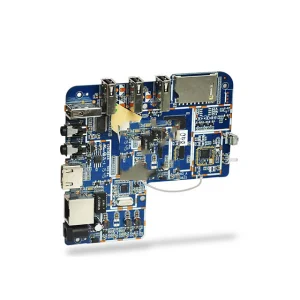
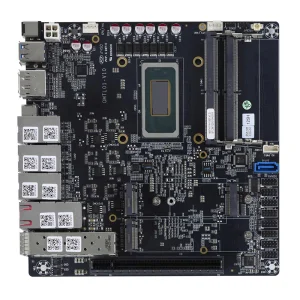
PCBA Product Platforms Supported by STHL Engineering
These additional platforms demonstrate how stencil design, component sourcing, SMT assembly, testing and box build are coordinated across new energy, safety, networking, display, navigation and industrial mobility applications.