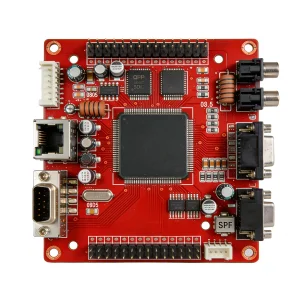
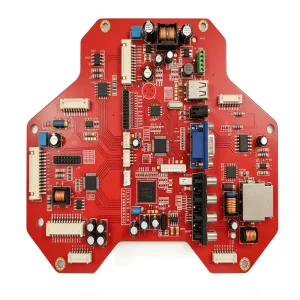
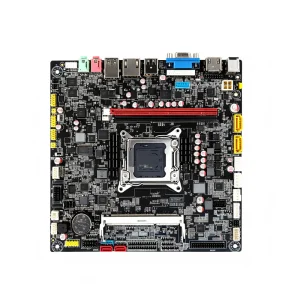
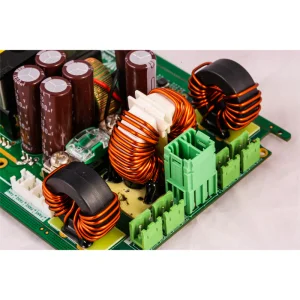
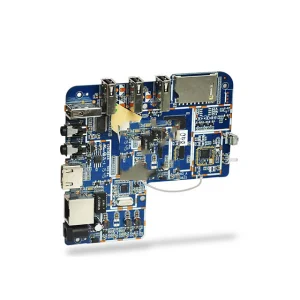
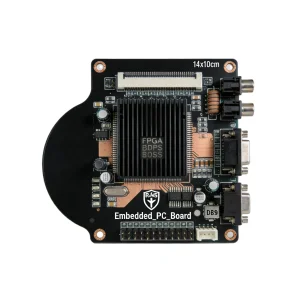
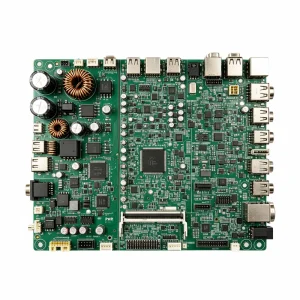
Certified PCB Gerber Factory & Factories
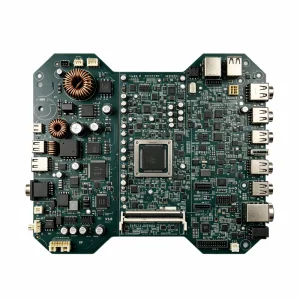
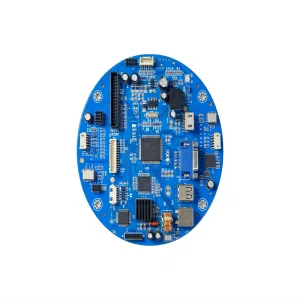
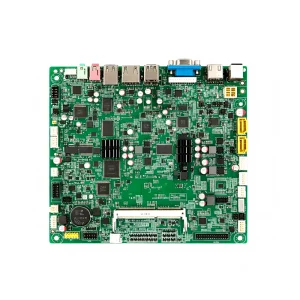
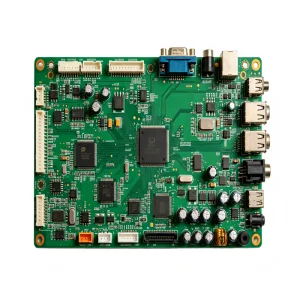
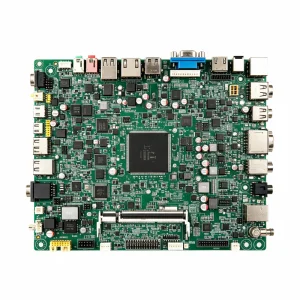
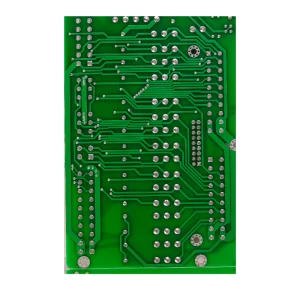
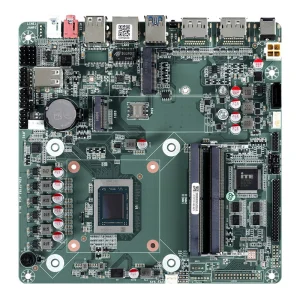
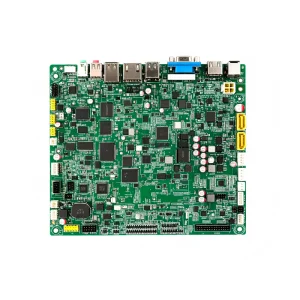
Certified PCB Gerber Factory Product Programs: Top 8
A Gerber package is the digital DNA of the board, but a certified factory must also control the BOM, centroid data, stack-up, component sourcing, assembly process, test coverage and traceability. These eight programs show how application-specific PCB Gerber requirements are translated into repeatable PCBA outcomes.
Search Intent Decoded: What Buyers Actually Mean by Certified PCB Gerber Factory & Factories
The query Certified PCB Gerber Factory & Factories is not a single request for a factory list. In semantic search, it represents a cluster of high-value procurement intents: a hardware engineer wants a Gerber file reviewed for manufacturability, a sourcing manager wants a certified China PCBA manufacturer, a quality manager wants audit evidence and traceability, and a founder wants a supplier that can move from prototype to volume without changing factories.
Google’s Search Quality Rater Guidelines reward content that demonstrates experience, expertise, authoritativeness and trust. For a PCB Gerber factory, those qualities must be shown through process evidence, not marketing adjectives. Buyers need to see how Gerber data is checked, how the BOM is validated, how components are sourced, how solder joints are inspected, how failures are contained, and how intellectual property is protected.
This white paper provides that information gain. It explains the China factory advantage, industry trends, localized application scenarios, macro industry solutions, global procurement requirements, and a practical supplier checklist. It also uses STHL’s verified factory data — founded in 2006, 220+ staff, 50+ engineers, 10,000+ m² production space, 7 SMT lines, 2 DIP/THT lines, 2 functional test lines, 2 box-build lines, IATF 16949, ISO 9001, ISO 14001 and ISO 13485 systems — as an auditable reference point.
Query cluster
Factory, factories, certified, Gerber, China, PCBA, EMS, prototype, low volume and high volume are evaluated as connected semantic entities.
Buyer roles
Hardware engineers need DFM feedback. Procurement teams need capacity and continuity. Quality teams need certification and traceability.
Trust proof
IATF 16949 and ISO 13485 are not decorative logos; they require documented process control, corrective action and lot-level discipline.
Information gain
Useful content shows how to evaluate a supplier: file completeness, stack-up review, component risk, inspection methods and change control.
Experience You Can Audit: Factory Signals Behind the Certified Claim
Certification becomes credible when it is supported by measurable capacity, engineering depth and repeatable delivery data. STHL’s factory signals help global OEMs compare a certified PCB Gerber factory & factories beyond unit price.
Years of EMS Experience
m² Production Facility
Professional Engineers
Production Lines
On-Time Delivery
Qualified Shipment Rate
STHL operates 7 SMT assembly lines, 2 DIP/THT lines, 2 functional test lines, 2 box-build lines and an in-house R&D laboratory. NDA is signed before RFQ, and customers in the USA, Germany, Italy, the UK, Poland, New Zealand, Brazil and 90+ other regions are supported.
The E-E-A-T Standard: What Makes a PCB Gerber Factory Truly Certified?
A Gerber file is an open vector format used to describe PCB copper layers, solder mask, silkscreen and drill data. It is not, by itself, a complete manufacturing contract. A certified factory must validate the Gerber package against the BOM, centroid file, assembly drawings, stack-up, impedance requirements, panelization and test strategy. When a factory says it is certified, the buyer should ask: certified to which standard, for which process, with what audit evidence, and under what change-control system?
For STHL, the practical answer is a controlled Gerber-to-shipment workflow under IATF 16949, ISO 9001, ISO 14001 and ISO 13485. The process is designed to reduce ambiguity before material is ordered and to preserve traceability after the board is built. That is the difference between a low-cost quote and a reliable certified PCB Gerber factory.
Gerber completeness
Layer count, apertures, drill files, board outline, impedance notes and surface finish are checked before DFM release.
BOM & centroid control
Manufacturer part numbers, alternate parts, moisture sensitivity, lifecycle status and pick-and-place coordinates are verified.
DFM & stack-up review
Footprint errors, solderability risks, panel utilization, via design, heavy copper and thermal demands are reviewed by engineers.
Inspection & traceability
AOI, X-ray, ICT and functional testing are logged with lot traceability from incoming reel to finished board.
A quality rater does not need to be a PCB engineer to recognize trust signals: clear process descriptions, named certifications, test methods, audit access, contact details and consistent company data all reduce uncertainty for buyers and search engines.
Why China Continues to Win High-Value PCB Gerber Manufacturing Work
China’s electronics manufacturing advantage is not only a lower unit price. For complex PCB Gerber projects, the real advantage is the density of the supply chain: PCB fabricators, component distributors, stencil makers, test houses, cable assemblers, enclosure suppliers and logistics providers operate within a short distance. Shenzhen and the wider Pearl River Delta allow a factory to solve engineering and sourcing problems faster than many fragmented supply chains.
At the same time, global buyers are not looking for a generic “China factory.” They want a certified PCB Gerber factory & factories that can support dual sourcing, provide process evidence, protect IP and communicate engineering changes. STHL’s 220+ staff, 50+ engineers and 10,000+ m² facility are positioned for that requirement: high-mix, low-to-high-volume PCBA with documented quality systems.
Shenzhen ecosystem density
Quick access to PCB fabrication, components, stencils, test fixtures, cables and enclosures reduces coordination friction and lead time.
Engineering depth
50+ engineers, an in-house R&D laboratory and DFM/BOM review help catch issues before production, not after shipment.
Flexible scale
No MOQ supports prototypes and low-volume builds; 7 SMT lines and 2 DIP/THT lines support repeat production and volume ramp.
Certified quality systems
IATF 16949, ISO 9001, ISO 14001 and ISO 13485 systems support automotive, medical, industrial and environmental customers.
Component sourcing network
100+ agents and suppliers covering 500,000+ part numbers help mitigate allocation risk, counterfeits and end-of-life surprises.
Global delivery and IP protection
NDA before RFQ, ERP/MES tracking and 99.5% on-time delivery align China manufacturing with global procurement expectations.
Industry Trends Reshaping Certified PCB Gerber Factories
Procurement strategies are changing as advanced packaging, supply-chain resilience, compliance and digital traceability converge. A factory that only competes on bare-board price will struggle to support the next generation of PCBA programs.
High-mix, low-volume demand
Hardware teams need faster prototypes and frequent revisions. No-MOQ flexibility and engineering review become competitive advantages.
Advanced boards and packaging
HDI, rigid-flex, BGA, fine-pitch, heavy copper and high-Tg boards require tighter DFM and inspection discipline.
Digital thread and MES
ERP and MES tracking turn Gerber data, material lots, machine programs and test results into an auditable production record.
Supply resilience
China plus regional alternatives, dual-approved parts and proactive lifecycle checks reduce line-down risk for global OEMs.
Compliance convergence
Medical, automotive and industrial buyers increasingly expect ISO 13485, IATF 16949, RoHS and REACH evidence in one supplier.
AI, edge and thermal pressure
Edge devices concentrate power and heat. Copper balance, thermal vias and test coverage matter more than ever.
Sustainability and materials
Halogen-free, low-VOC processes, waste control and energy management are becoming part of supplier scorecards.
Component lifecycle risk
Allocation, counterfeits and end-of-life notices require BOM scrubbing, approved alternates and incoming inspection.
These trends explain why a certified PCB Gerber factory is expected to behave like an engineering partner: review the file, flag risks, propose alternatives, document changes and prove that the finished assembly matches the approved package.
Localized Application Scenarios Where Gerber Quality Becomes Product Reliability
Gerber quality is application-specific. A medical monitor, a smart meter and a wind-turbine controller may share a PCB fabrication process, but they do not share the same risk profile. The supplier must localize process controls to the final use environment.
Medical & healthcare
ECG monitors, medical power supplies and diagnostic devices require ISO 13485 discipline, lot traceability and functional testing.
Automotive & telematics
T-Box, control modules and charging electronics require IATF 16949 processes, thermal robustness and vibration-tolerant assembly.
Smart grid & metering
Smart meters and energy-management boards demand long service life, stable calibration and protection against environmental stress.
Environmental monitoring
Air-quality, water-quality and noise-monitoring assemblies require sensor stability, calibration support and reliable field enclosures.
Industrial control & wind power
PLC, motor-drive and wind-turbine control boards require conformal coating, wide-temperature materials and rugged test plans.
Power supplies
Redundant power supplies, wall adapters and medical power boards require creepage, clearance, thermal and isolation verification.
Communication & repeaters
Modems, repeaters and wireless headsets require RF-aware layout support, controlled impedance and stable material selection.
Consumer & computing
Tablets, e-book readers and smart-home devices balance cost, miniaturization, cosmetic requirements and fast ramp schedules.
Localized application knowledge helps the factory ask better questions before RFQ: What is the operating temperature? Is there conformal coating? Does the product require medical traceability? What test fixture and firmware are available? These questions change the manufacturing plan and the true landed cost.
Macro Industry Solutions: From Gerber File to Box Build
Global buyers increasingly prefer one accountable supplier for the full manufacturing chain. This reduces handoff risk between PCB fabrication, component sourcing, SMT/THT assembly, testing, cable assembly and final box build.
Gerber engineering & PCB fabrication
DFM review, stack-up support, standard and advanced PCB fabrication including rigid, flex, rigid-flex, HDI, aluminum, Rogers, ceramic and heavy copper.
Turnkey component sourcing
Full turnkey, partial turnkey and consigned assembly with BOM scrubbing, approved alternates, incoming inspection and reel-level traceability.
SMT & THT assembly
7 SMT lines and 2 DIP/THT lines support fine-pitch, BGA, mixed-technology, prototype and volume builds with AOI and X-ray verification.
Testing & IC programming
ICT, functional testing, boundary scan where applicable, firmware loading and test documentation support quality release.
Conformal coating & cable assembly
Protective coating, wire harnesses, cable assembly and enclosure integration reduce the number of suppliers the buyer must manage.
Box build & global delivery
ESD-safe packaging, final assembly and shipment to 90+ regions with production status tracked through ERP and MES systems.
Global Enterprise Procurement Requirements: A Due-Diligence Framework
For enterprise buyers, the real question is not “Can this factory assemble a board?” It is “Can this factory prove control when the design changes, the component market shifts, an audit is requested, or a quality escape occurs?” The following framework applies to certified PCB Gerber factory & factories across regions.
Complete RFQ package
Gerber or ODB++, BOM with manufacturer part numbers, centroid file, assembly drawing, stack-up, test specification and approved vendor list.
Certification and audit evidence
IATF 16949, ISO 9001, ISO 14001 and ISO 13485 certificates should be current, auditable and matched to the product category.
IP and NDA protection
NDA before RFQ, restricted project access, secured data handling and clear ownership of Gerber files, firmware and test fixtures.
Traceability and counterfeit mitigation
Reel-level traceability, incoming inspection, MSD control and approved distributor channels reduce counterfeit and mix-up risk.
Regulatory compliance
RoHS, REACH, conflict-minerals declarations, halogen-free options and application-specific documentation should be available on request.
Supply continuity and change control
PCN/EOL alerts, alternate part validation, last-time-buy planning, FAI/PPAP support and production status visibility are essential.
A practical evaluation should include Incoterms, shipment packaging, warranty terms, RMA process, failure-analysis turnaround and escalation contacts. These operational details often decide whether a supplier is truly reliable.
How STHL Converts a Certified Gerber Package Into Repeatable Quality
For overseas buyers, a transparent process is a risk-control tool. STHL’s workflow keeps engineering, sourcing, fabrication, assembly and testing under one quality system, with clear checkpoints before shipment.
01 · DFM & BOM review
Engineers check Gerber, BOM and centroid data for manufacturability, footprint errors, end-of-life parts and test requirements before material is ordered.
02 · Component sourcing
Parts are purchased through 100+ agents and suppliers, inspected on receipt and controlled for moisture sensitivity and authenticity.
03 · PCB fabrication
Bare boards are produced to the approved stack-up, surface finish and impedance requirements, from single-layer to HDI and rigid-flex.
04 · SMT & THT assembly
7 SMT lines and 2 DIP/THT lines handle fine-pitch, BGA and mixed-technology boards for prototypes and mass production.
05 · Inspection & testing
AOI, X-ray, ICT and functional tests, plus IC programming and conformal coating, with results logged in the MES.
06 · Box build & delivery
Cable assembly, enclosure integration, ESD-safe packaging and shipment to customers in 90+ countries and regions.
Certified Quality Management Systems
Independent third-party audits confirm that STHL’s processes are aligned with automotive, medical, industrial and environmental customer requirements. Click-to-view lightbox behavior is intentionally omitted in this static layout, but the original certificate evidence remains visible for evaluation.

ISO 9001
Quality Management System
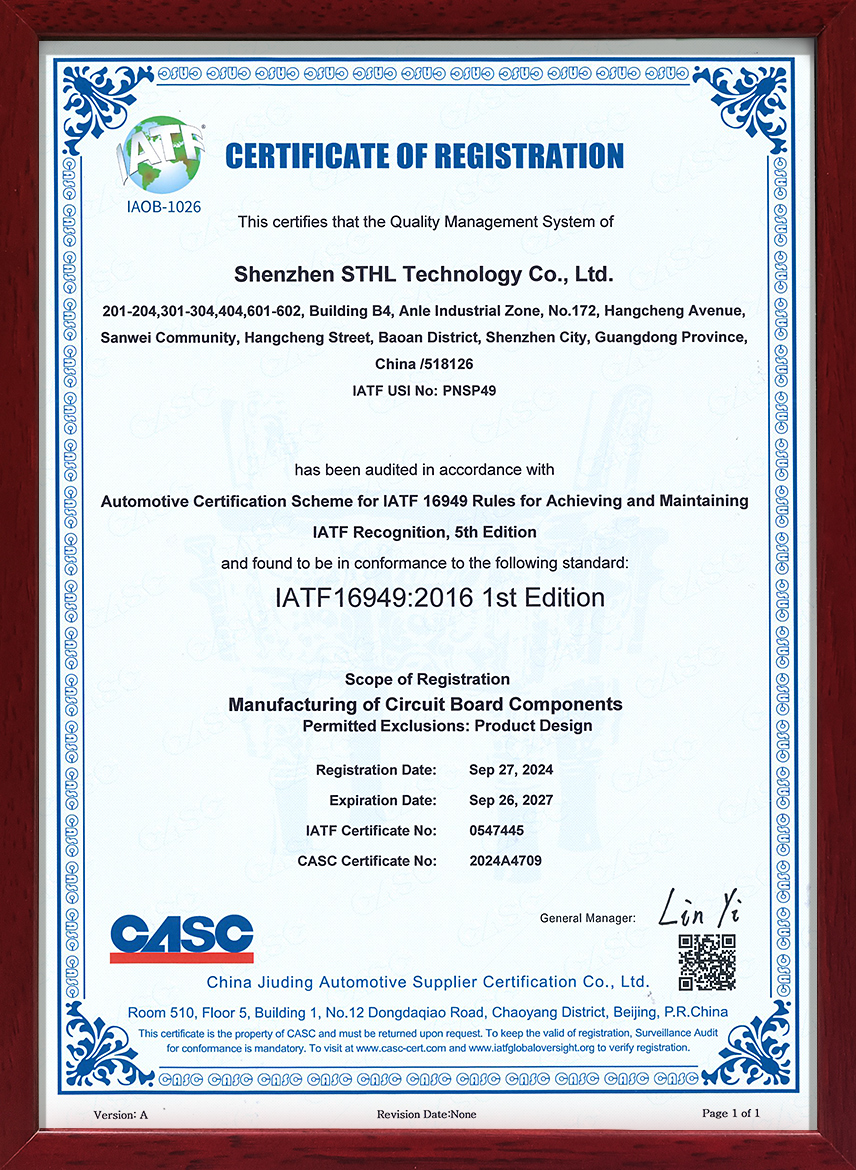
IATF 16949
Automotive Quality Management
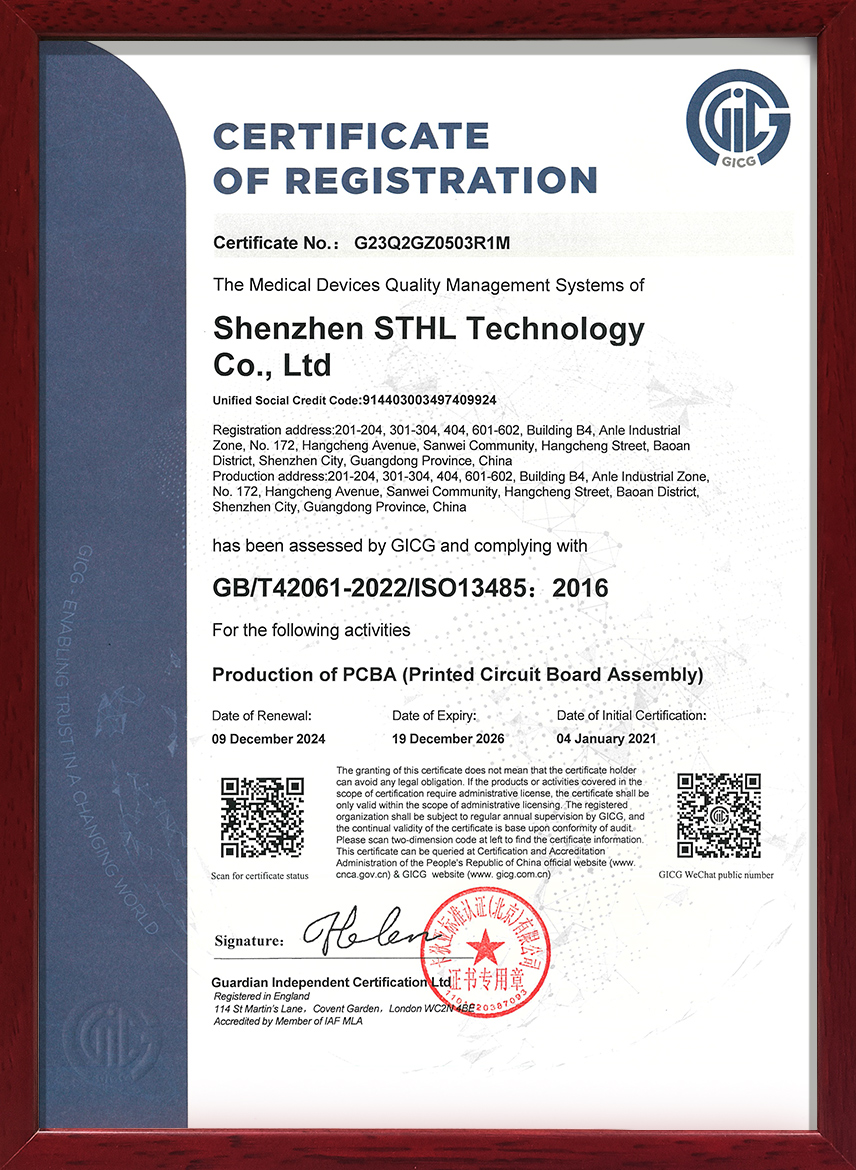
ISO 13485
Medical Devices Quality Management
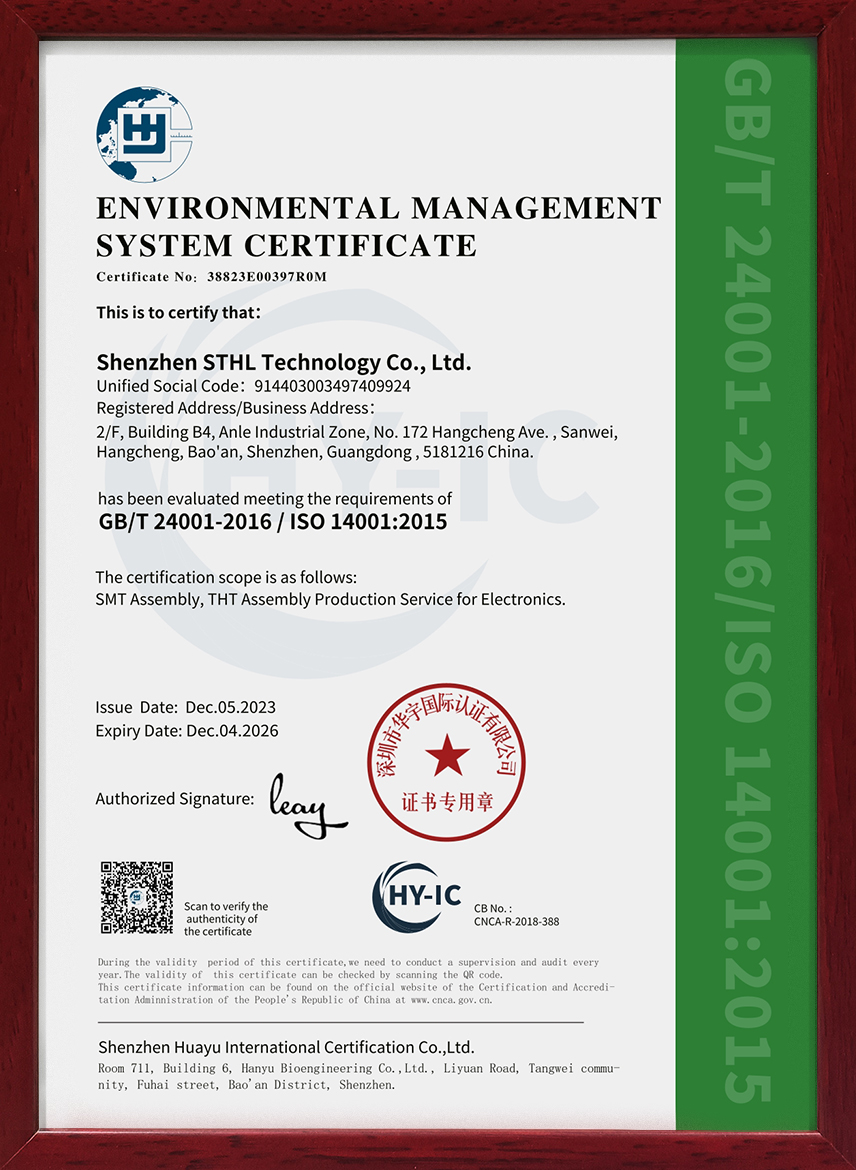
ISO 14001
Environmental Management System
STHL produces RoHS-compliant assemblies and verifies boards with AOI, X-ray, ICT and functional testing. The combination of certification, process data and audit access gives global buyers a stronger basis for supplier approval.
Why Global OEMs Choose STHL as a Certified PCB Gerber Factory
STHL combines a Shenzhen manufacturing base with certified quality systems, engineering support and flexible volume. For buyers comparing a certified PCB Gerber factory & factories, the value is not one low quote but a repeatable supply relationship.
Dust-free smart factory
10,000+ m² highly automated production space with controlled processes for high-mix PCBA.
20 years of experience
Proven know-how across PCB and PCBA since 2006, including prototype and volume programs.
Global sourcing
500k+ parts via 100+ agents and suppliers, with incoming inspection and traceability.
Fully certified
IATF 16949, ISO 9001, ISO 14001 and ISO 13485 systems support regulated industries.
ERP & MES tracking
Real-time production status and lot traceability from incoming material to finished board.
Cost-down engineering
DFM and BOM optimisation by our engineering team can reduce total cost without compromising reliability.
No MOQ
Prototype, low-volume and high-volume orders are welcome, allowing one supplier from validation to ramp.
NDA & fast delivery
NDA signed before RFQ, with 99.5% on-time delivery and 99% qualified shipment rate.
FAQ: Certified PCB Gerber Factory & Factories
These answers address the questions procurement and engineering teams ask before selecting a PCB assembly manufacturer in China.
What is a certified PCB Gerber factory?
A certified PCB Gerber factory is a manufacturing partner that reviews Gerber or ODB++ data under a documented quality system and converts it into a controlled PCB fabrication and assembly plan. Certification should be specific: IATF 16949 for automotive, ISO 13485 for medical devices, ISO 9001 for general quality management and ISO 14001 for environmental management.
What files should I submit for a Gerber-based RFQ?
Send Gerber or ODB++ files, a BOM with manufacturer part numbers, the pick-and-place centroid file, assembly drawings, stack-up requirements and test specifications. If you need IC programming or functional testing, include firmware and test procedures. STHL engineers complete a DFM and BOM review before production starts.
Do I need different factories for prototype and volume?
No. STHL accepts prototype, low-volume and high-volume PCB assembly orders with no MOQ. Beginning with the same supplier helps preserve process knowledge, test fixtures and material history when the design moves from validation to mass production.
How do certifications reduce procurement risk?
Certifications indicate that quality, environmental and application-specific processes are audited. STHL is certified to IATF 16949, ISO 9001, ISO 14001 and ISO 13485, produces RoHS-compliant assemblies and verifies boards with AOI, X-ray, ICT and functional testing.
How is our Gerber data and IP protected?
STHL signs an NDA before RFQ, restricts project data to the assigned engineering team and tracks every build through ERP and MES systems. Buyers should always confirm data ownership, access control and post-project file retention policies.
Can overseas buyers audit or visit the factory?
Yes. Customers are welcome to visit the Shenzhen factory and R&D laboratory, and remote evaluation can be supported with video walkthroughs or a 360-degree virtual factory tour. Audits are especially valuable for medical, automotive and regulated industrial programs.
Planning a Certified Gerber Build?
Send your Gerber, BOM and centroid files for an engineering-led review. STHL supports prototype, low-volume and volume PCBA with NDA-first communication and certified quality systems.
Recommended RFQ package: Gerber or ODB++, BOM with manufacturer part numbers, centroid file, assembly drawing, stack-up, test specification and any approved supplier constraints.
Certified PCB Gerber Factory & Factories: Bottom 8 Programs
These additional product programs demonstrate the breadth of certified Gerber-to-PCBA work across telematics, smart metering, communication, computing, water-quality analysis, wind-turbine control and medical power.