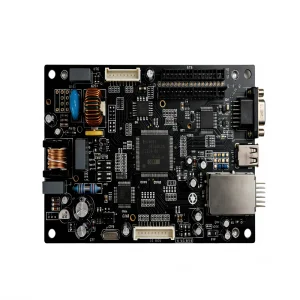
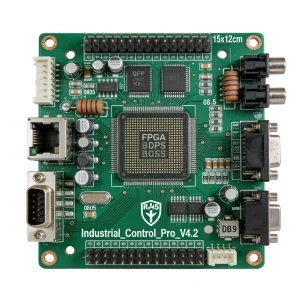
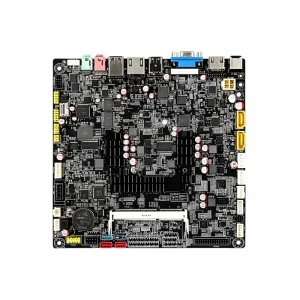
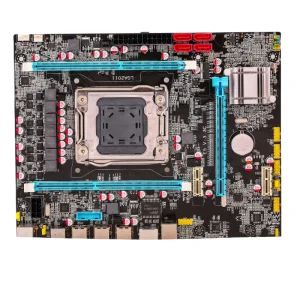
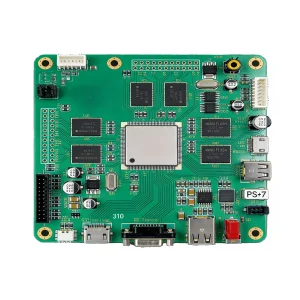
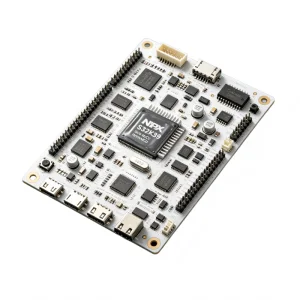
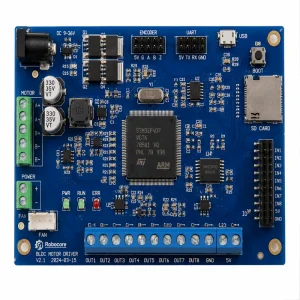
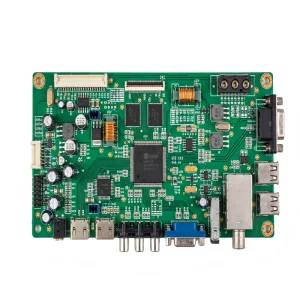
Certified FPC Board & PCBA Projects from STHL
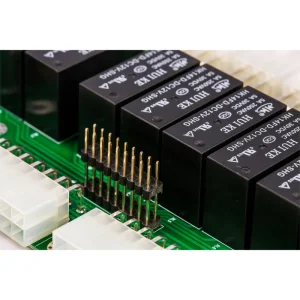
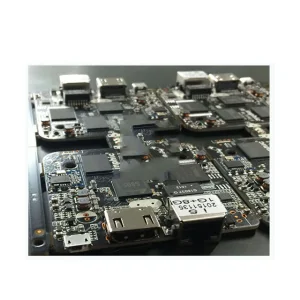
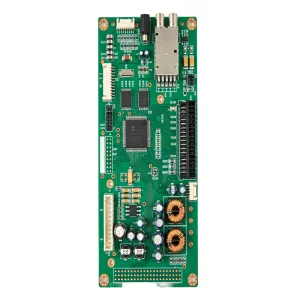
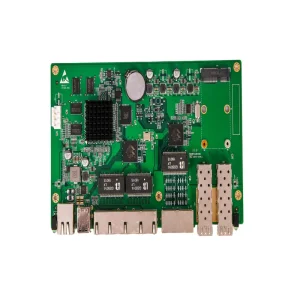
These production examples show how flexible circuit know-how, rigid-flex integration and turnkey electronics manufacturing translate into application-specific assemblies for medical, aerospace, automotive, industrial and consumer products.
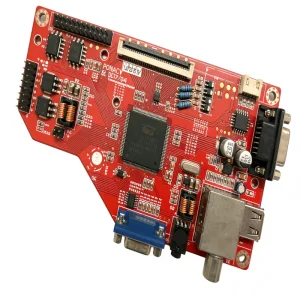
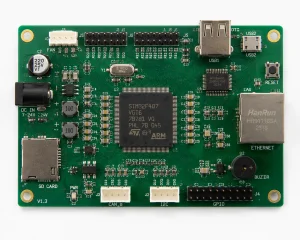
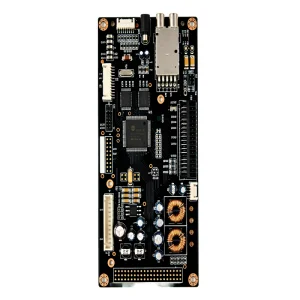
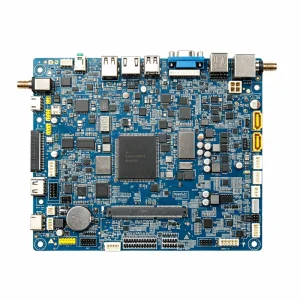
What “Certified FPC Board Company & Factories” Really Means for Global OEMs
The search phrase Certified Fpc Board Company & Factories usually signals a buyer with a real project: a flexible circuit that must bend, fold, survive vibration, fit a compact enclosure or connect a moving assembly without a connector-heavy harness. That buyer does not only compare price per square meter. They compare engineering response, material traceability, certification scope, process control, yield, lead time and the credibility of the factory audit.

Shenzhen STHL Electronics Co., Ltd. is a certified EMS and ODM provider established in 2006. The factory operates a 10,000 m² production facility with 220+ staff, including 50+ engineers, 7 SMT assembly lines, 2 DIP/THT lines, 2 functional test lines, 2 box build lines and an in-house R&D laboratory. The company supplies PCB fabrication, component sourcing, SMT/THT assembly, cable assembly, testing and box build to OEMs in the USA, Germany, Italy, the UK, Poland, New Zealand, Brazil and 90+ other regions.
For flexible and rigid-flex projects, certification is not a decorative logo. It is a documented system: IATF 16949 for automotive-grade process discipline, ISO 13485 for medical device quality management, ISO 9001 for consistent manufacturing, ISO 14001 for environmental responsibility, and RoHS-compliant assembly. The practical evidence is a complete traceability chain from incoming reel to finished board, backed by AOI, X-ray, ICT, functional testing and MES records.
- 20+ years in EMS and PCBA
- 10,000+ m² production facility
- 7 SMT lines and 2 DIP/THT lines
- 50+ professional engineers
- In-house R&D and prototype verification
- 100+ component agents and suppliers
- 500,000+ part numbers sourced
- 99.5% on-time delivery; 99% qualified shipment
Years of EMS Experience
m² Production Facility
Professional Engineers
Production Lines
On-Time Delivery
Qualified Shipment Rate
FPC Board Industry Trends Shaping 2025–2030 Sourcing Decisions
Flexible printed circuits are moving from simple static interconnects to engineered electromechanical components. The next sourcing cycle will reward factories that can combine thinner materials, tighter bend radii, rigid-flex integration, high-layer HDI and traceability without sacrificing yield.
Miniaturization & Fine Pitch
Wearables, hearables, medical catheters and compact sensors demand thinner polyimide stacks, fine line width/spacing, low-profile connectors and controlled impedance. FPC suppliers must prove capability through first-article inspection, bend testing and process capability studies.
Rigid-Flex Integration
A single rigid-flex assembly can replace cables, connectors and multiple boards. This reduces assembly steps, improves signal integrity and saves space in automotive sensors, camera modules, drones and portable instruments. The manufacturing challenge is combined rigid and flexible process control.
High-Reliability Materials
Adhesiveless polyimide, high-Tg FR4 stiffeners, improved coverlay and surface finishes are being selected for thermal cycling, humidity and vibration. Automotive and medical buyers increasingly ask for material declarations, lot traceability and IPC-6013 Class 2 or Class 3 acceptance.
Sustainability & Traceability
Procurement teams now include ESG in supplier scorecards. Factories need documented RoHS compliance, waste control, energy management and responsible sourcing. Digital MES records, reel-level traceability and audit-ready quality data are becoming competitive differentiators.
What Global Enterprises Expect from a Certified FPC Board Factory
Global buyers are not simply shifting orders to lower-cost regions. They are rebuilding supply chains around dual sourcing, engineering depth, quality evidence and communication speed. A China FPC board factory that can combine competitive cost with fast DFM feedback, verified components, traceable assembly and consistent delivery remains highly attractive — provided the supplier can prove it with data.
North America
OEMs in medical diagnostics, aerospace, networking and industrial automation emphasize DFM support, NDA protection, PPAP-like documentation, counterfeit-component prevention and fast prototype turns before mass production.
Europe
German, Italian, UK and Polish customers frequently require CE-ready documentation, RoHS compliance, environmental management, traceability and a supplier that can handle high-mix, low-to-medium-volume production without hidden engineering charges.
Asia-Pacific
Consumer electronics, smart home, EV and communication infrastructure buyers value rapid component sourcing, flexible MOQ, new product introduction speed and the ability to ramp from 100 pieces to 100,000 pieces with one accountable EMS partner.
Latin America & Middle East
Energy, security, agricultural electronics and telecom projects need robust assemblies for heat, dust and unstable grids. Buyers look for conformal coating, wide-temperature validation, export packaging and after-sales responsiveness.
The strongest procurement scorecards now combine total cost of ownership, not just unit price: engineering hours saved, first-pass yield, rework rate, field failure risk, inventory carrying cost, tariff exposure and supply continuity. STHL supports full turnkey, partial turnkey and consigned assembly, with no MOQ and an NDA signed before RFQ. That model allows engineering teams to validate a flexible or rigid-flex design and scale to repeat production with the same supplier.
Supply-Chain Resilience and Efficiency Advantages of a Shenzhen FPC/PCBA Factory
Factory 4.0 is not only automation. It is the ability to convert customer data into stable process control: BOM scrubbing, component risk review, MES routing, AOI/X-ray feedback, test records and shipment traceability. Shenzhen’s electronics ecosystem adds another layer of resilience because components, PCB fabrication, connectors, cables, enclosures and test fixtures are concentrated within a mature regional supply chain.
Smart Production & MES/ERP
Real-time production status, lot traceability, material control and test-result logging reduce the risk of mixed lots, missed processes and unverified shipments. Engineering changes are controlled rather than communicated informally.
Component Sourcing Resilience
100+ agents and suppliers, 500,000+ part numbers, incoming inspection and alternate-part recommendations help protect schedules during allocation. BOM scrubbing identifies end-of-life and long-lead items before material is ordered.
Engineering-Led DFM
FPC and rigid-flex designs are reviewed for bend radius, stiffener placement, coverlay access, panelization, assembly clearance and test access. Early DFM reduces scrap and avoids late-stage redesign.
Mixed-Model Flexibility
Prototype, low-volume and high-volume orders can share one controlled workflow. That matters for customers that need 50 boards for validation and 20,000 boards for market launch without changing documentation or quality systems.
Inspection & Test Depth
AOI, X-ray, ICT, flying probe and functional testing are matched to product risk. For flexible circuits, bend and visual inspection criteria are documented according to IPC-6013 and customer drawings.
ESG & Audit Readiness
ISO 14001, RoHS-compliant processes and documented waste controls support European and North American compliance teams. Factory visits and 360° virtual audits can be arranged before a purchase order is released.
End-to-End PCBA Manufacturing Services for Flexible and Rigid-Flex Projects
STHL combines component procurement, PCB fabrication, SMT and THT assembly, testing and box build into one controlled workflow. The result is fewer handoffs, clearer accountability and faster problem solving when a flexible circuit interacts with connectors, housings or firmware.
Electronic Components Procurement
Full or partial turnkey sourcing through 100+ agents and suppliers, BOM scrubbing, alternate-part suggestions and reel-level traceability. Consigned components can be integrated into the same controlled build.
PCB & FPC Fabrication
Rigid, flex, rigid-flex, HDI, aluminum, Rogers, ceramic, heavy-copper, high-Tg and halogen-free boards. Stack-ups can include polyimide core, coverlay, stiffeners, shielding and selective surface finishes.
SMT & THT Assembly
Fine-pitch, BGA, mixed-technology and rigid-flex assembly for prototypes through mass production. AOI, X-ray and functional testing are selected according to product risk and customer requirements.
Value-Added Services
PCB layout support, IC programming, ICT and functional testing, conformal coating, cable and wire harness assembly, enclosure integration, ESD-safe packaging and complete box build.
Certification, Technical Control and Audit Evidence
Independent third-party audits confirm that processes meet automotive, medical and industrial requirements. For buyers comparing FPC board companies and factories, the certificate is the starting point; the audit trail, process capability and corrective-action discipline are the real proof.

ISO 9001
Quality Management System

IATF 16949
Automotive Quality Management

ISO 13485
Medical Devices Quality Management

ISO 14001
Environmental Management System
Why Global OEMs Choose STHL for FPC Board and PCBA Manufacturing
Measurable capacity, documented quality systems and engineering support can reduce total cost — not just unit price. The following advantages are especially relevant to buyers evaluating a long-term China FPC board company and factory.
Dust-Free Smart Factory
10,000+ m² highly automated production space with controlled material flow.
20 Years of Experience
Proven PCB and PCBA know-how since 2006 across multiple industries.
Global Sourcing
500,000+ parts through 100+ agents and suppliers with incoming inspection.
Fully Certified
IATF 16949, ISO 9001, ISO 14001 and ISO 13485 quality systems.
ERP & MES Tracking
Real-time production status, material control and lot traceability.
Cost-Down Engineering
DFM and BOM optimization by an in-house engineering team.
No MOQ
Prototype, low-volume and high-volume orders are both welcome.
NDA Before RFQ
Design data and IP are protected from the first technical discussion.

Additional strengths include 99.5% on-time delivery, 99% qualified shipment rate, factory audits and visits at any time, and a 360° virtual tour for remote pre-qualification. The company also offers a global service model, blog-based technical updates and a searchable product catalog for procurement teams.
Where Certified FPC Boards and PCBA Assemblies Create Value
Flexible circuits are often hidden inside the product, yet they determine assembly yield, user experience and field reliability. The following localized application scenarios show how FPC and PCBA engineering decisions connect to real commercial outcomes.
Medical & Healthcare
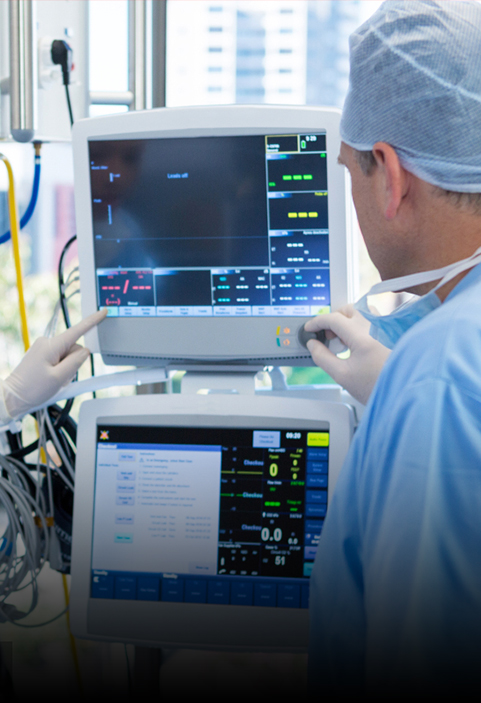
Diagnostic analyzers, monitoring devices, wearable sensors and pacemaker assemblies require ISO 13485 discipline, lot traceability and high-reliability inspection.
Automotive Electronics
Camera modules, battery monitoring, lighting and control modules need IATF 16949 processes, thermal cycling validation and vibration-resistant rigid-flex structures.
Consumer Electronics
Smartwatches, smart speakers, wearables and portable devices use fine-pitch FPC, antenna integration and compact rigid-flex layouts to save space.
Industrial Control
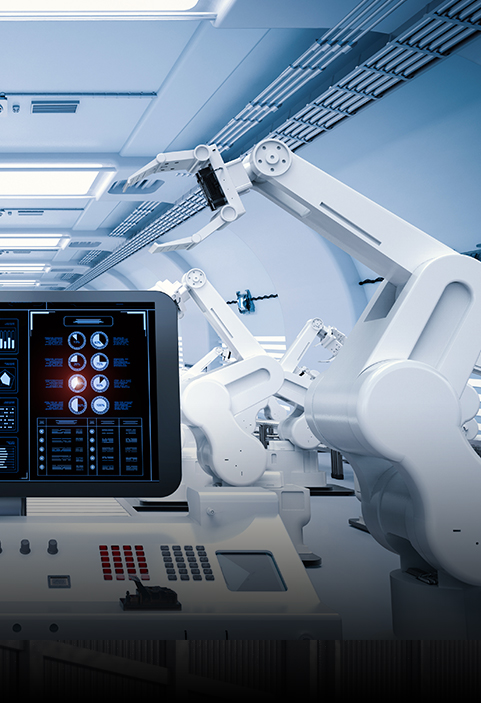
PLCs, motor drives, sensors and automation equipment benefit from conformal coating, robust connectors and long-life component sourcing.
Aerospace & Defense
ADIRU, EICAS and avionics assemblies demand strict documentation, controlled processes and Class 3 inspection discipline.
Energy & Power
Solar inverters, boost converters, PoE power supplies and battery modules require thermal management and stable high-volume assembly.
Smart Home & IoT
Smart locks, sensors, cameras and gateways need low-power design support, wireless module integration and fast new product introduction.
Communication
Firewalls, networking equipment and communication modules require controlled impedance, high-layer boards and reliable functional testing.

From Gerber Files to Global Shipment in Six Controlled Steps
Knowing what happens after a purchase order removes surprises. This is how every STHL PCBA and FPC project moves through the factory — with engineering review before material is committed.
DFM & BOM Review
Engineers check Gerber, BOM and centroid data for manufacturability, footprint errors, coverlay access, stiffener placement and end-of-life parts before any material is ordered.
Component Sourcing
Parts are purchased through 100+ agents and suppliers, then pass incoming inspection and moisture-sensitive device control. Alternate parts are proposed when allocation threatens the schedule.
PCB / FPC Fabrication
Bare boards are produced to the stack-up, surface finish and impedance requirements, from single-layer flex to HDI and rigid-flex. First article inspection confirms critical dimensions.
SMT & THT Assembly
Seven SMT lines and two DIP/THT lines handle fine-pitch, BGA and mixed-technology boards for prototypes and mass production. Rigid-flex carriers and tooling are controlled for repeatability.
Inspection & Testing
AOI, X-ray, ICT and functional tests, plus IC programming and conformal coating, are logged in MES. Test procedures can be developed with the customer’s engineering team.
Box Build & Delivery
Cable assembly, enclosure integration and ESD-safe packaging are followed by shipment to customers in 90+ countries and regions. Export documentation and traceability records support customs and quality audits.
Brands and Supply-Chain Partners That Build Confidence
Long-term cooperation with global brands and established component distributors keeps BOMs genuine, traceable and available. These relationships matter when a flexible circuit project moves from sample validation to repeat production.
Brand customers and cooperative enterprises



















Component sourcing channels












What Engineers and Buyers Say About STHL
Feedback from hardware engineers, designers and company owners across North America, Europe and beyond. These comments reflect the operational experience buyers value when selecting a long-term EMS partner.
Excellent team to work with and fast delivery with high-quality boards. We are very happy to work with such a good supplier. Thanks again.

Please extend my thanks to your team for your hard work in preparing these samples. This positive experience has strengthened my confidence in your company, and I'm looking forward to discussing bulk orders in the near future.

We are satisfied with the last order. You did a great job on those boards and the lead time was short. I will place a new order soon.

The order was perfect — exactly as specified with top quality. Highly recommend this reliable supplier.

Exciting! Very fast delivery, a professional supplier and a professional product. We will place a new order very soon!

We have tested all the boards and I am highly pleased. I will repeat my order soon. Thank you again for your excellent service.

It's always a pleasure ordering. Very professional team and good quality — thanks for your great service.

Satisfied with the sample products delivered. Very good product, quick delivery and a good understanding of my requirements.

The supplier's professionalism is evident in their seamless communication, efficient processing and reliable service. They are a trustworthy and commendable partner.

PCBA Insights and Factory News
Practical updates from the production floor — customer visits, traceability practices and what really drives PCBA lead time.




FPC Board and PCBA Sourcing FAQs for Overseas Buyers
Straight answers to the questions procurement and engineering teams ask before choosing a certified FPC board company and factory in China.
What files do I need to submit for a PCBA project?
Send Gerber files, a BOM with manufacturer part numbers, the pick-and-place centroid file and assembly drawings. If you need IC programming or functional testing, include firmware and test procedures. Our engineers complete a DFM and BOM review before production starts.
Is there a minimum order quantity (MOQ)?
No. STHL accepts prototype, low-volume and high-volume PCB assembly orders, so you can validate a design and scale to mass production with the same supplier.
Can STHL source all the electronic components?
Yes. We offer full turnkey, partial turnkey and consigned assembly. Our sourcing team works with 100+ agents and suppliers covering more than 500,000 part numbers, with incoming inspection and traceability from reel to finished board.
Which quality certifications does STHL hold?
STHL is certified to IATF 16949, ISO 9001, ISO 14001 and ISO 13485, and produces RoHS-compliant assemblies. Boards are verified with AOI, X-ray, ICT and functional testing.
How do you protect our design files and IP?
We sign an NDA before RFQ, restrict project data to the assigned engineering team and track every build through our ERP and MES systems.
Can we audit or visit the factory?
Yes. Customers are welcome to visit our Shenzhen factory and R&D laboratory at any time, and a 360-degree virtual factory tour is available for remote evaluation.
Can STHL manufacture flexible printed circuits and rigid-flex boards?
Yes. The manufacturing ecosystem covers single-sided and double-sided FPC, multilayer flex, rigid-flex, HDI, stiffener-reinforced designs and selective surface finishes. Assembly services include SMT, THT, fine-pitch and BGA soldering, conformal coating and functional testing.
How do you control bend radius and coverlay quality?
Engineering reviews discuss bend direction, dynamic or static flex requirements, stiffener placement, coverlay openings and connector strain relief. Inspection criteria are aligned with IPC-6013 and customer drawings, and first article inspection is performed before volume production.
What is the typical lead time for FPC and PCBA orders?
Lead time depends on board complexity, component availability, testing requirements and order volume. Prototype PCBAs often move faster than volume builds, while long-lead components can extend schedules. STHL provides a project-specific schedule after DFM and BOM review, with 99.5% on-time delivery across global shipments.
Which industries does STHL serve?
Medical and healthcare, automotive electronics, aerospace, industrial control, computer and storage, communication, power supply, energy, smart home, safety and security, consumer electronics and environmental monitoring. Industry-specific pages are available through the product and application links on this page.
Planning Your Next FPC Board or PCBA Build?
Get the capability catalog with PCB fabrication options, assembly processes, testing methods and industry references. Talk to an engineer about flexible circuits, rigid-flex assemblies, component sourcing and audit requirements.
Certified quality systems: IATF 16949 · ISO 9001 · ISO 14001 · ISO 13485 · RoHS-compliant assemblies
Certified FPC Board, PCBA and Factory Solutions
Explore additional production examples for avionics, battery monitoring, security, sensors, solar energy, power conversion and smart consumer products.