
What Are the Best PCB Fabrication Companies in China?

Time:2026-11-27 Author:Henry
0%

Choosing among the best PCB fabrication companies in China takes more than comparing unit prices. A capable partner should match your board’s layer count, material, copper weight, tolerances, and production volume. It should also explain its process clearly. Look for documented quality controls, responsive engineering support, and realistic lead times. Ask how the company handles design-for-manufacturing checks, electrical testing, and inspection records. These details matter when a prototype must become a stable production run. Small details count.

China’s Pcb Fabrication market includes suppliers serving quick-turn prototypes, complex multilayer boards, and high-volume orders. Yet “best” depends on your project. A low-cost quote may not include the same testing, finish, or packaging as another supplier’s quote. Request comparable specifications, sample documentation, and clear answers about revisions before deciding. Verify certifications and capabilities directly; company websites can be incomplete or outdated. I cannot name one universal winner without knowing your board requirements. That is a limitation worth admitting. This guide will compare practical selection factors and company capabilities, helping you build a shortlist rather than rely on bold marketing claims. A careful review can reduce surprises, though it cannot remove every production risk.
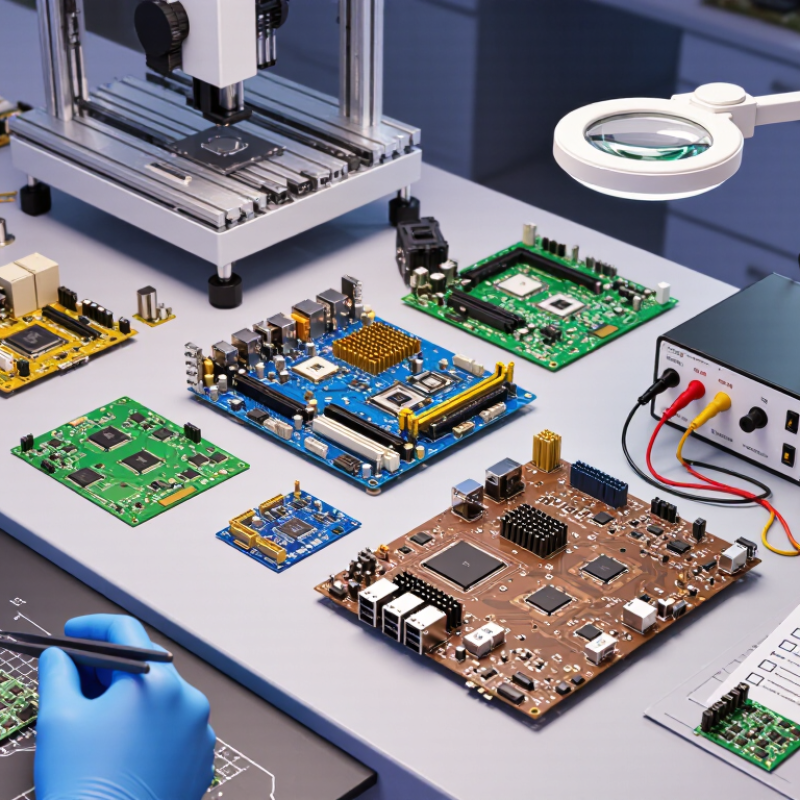
What Are the Best PCB Fabrication Companies in China?

What PCB Fabrication Companies in China Do

PCB fabrication companies in China turn design files into tested circuit boards. Their work begins with a manufacturability review. Engineers check trace widths, hole sizes, layer stack-ups, and material choices before production. This can reveal problems early. A board that looks fine on screen may need wider spacing or a different copper thickness. Fabricators then image and etch copper patterns, laminate layers, drill holes, plate connections, and apply solder mask and surface finishes. Electrical testing checks whether each board’s circuits connect as intended.

Their role is not just machine operation. They also advise on tolerances, panel layout, material availability, and production quantities. Prismark’s 2023 industry analysis reported global PCB production value of about $73.4 billion, down roughly 15% from 2022. That downturn makes yield control and realistic lead times important. For buyers, clear fabrication notes and early design reviews can reduce avoidable revisions. Ask for test records and inspection criteria, not only a quoted price. Details matter.

Some issues remain easy to miss. A tight bend or tiny annular ring can complicate production, even when the layout passes basic checks. Fabricators may suggest a practical adjustment, but the designer should confirm its electrical impact. That handoff is imperfect. Good communication helps.

How to Evaluate PCB Fabrication Companies

A reliable PCB fabricator should prove process control, not just quote a low price. Prismark’s 2024 PCB industry analysis estimated global production value at about US$69.5 billion in 2023, a year-on-year decline of roughly 15%. In a changing market, compare suppliers on measurable evidence: layer registration, finished copper thickness, drill capability, and documented test results. Ask for a sample inspection report and check whether its measurements match your drawing. Details matter.

Review quality systems and engineering support, too. IPC-6012 sets qualification and performance requirements for rigid printed boards, while IPC-A-600 describes acceptance criteria. Ask how the factory handles nonconforming panels, lot traceability, and corrective actions. A clear answer should include records, not promises. For a small pilot order, inspect cross-sections, solder-mask alignment, and impedance coupons where relevant. Check whether the supplier can explain deviations in plain language. I would still want more than a polished audit sheet; production can expose weaknesses that a sample hides. Lead time, material sourcing, and communication during a design change deserve equal scrutiny.

What Are the Best PCB Fabrication Companies in China? - How to Evaluate PCB Fabrication Companies
Evaluation Dimension What to Check Useful Evidence or Benchmark Why It Matters
Process and design fit Confirm support for the board’s layer count, material, thickness, copper weight, finish, and required tolerances. A current capability sheet with limits for the specific process and an engineering review of the actual Gerber or ODB++ data. Advertised maximum capabilities may not apply to every material, stack-up, or production route.
Quality system Check whether the manufacturer’s quality system fits the product’s risk and end market. A valid, in-scope ISO 9001 certificate; for automotive supply, check whether IATF 16949 certification is applicable and current. Certification scope and status matter; a certificate alone does not guarantee a defect-free board.
Product standards and acceptance Agree on the applicable performance specification and visual acceptance requirements before ordering. Specify the relevant IPC-6012 requirements for rigid boards or IPC-6013 for flexible and rigid-flex boards; use IPC-A-600 as an acceptability reference where appropriate. Clear acceptance criteria reduce ambiguity during inspection and nonconformance reviews.
Inspection and test coverage Ask which checks are included for the quoted board and what inspection records are available. A documented inspection plan covering applicable checks such as electrical testing, solder-mask and surface-finish inspection, and cross-section analysis when specified. The appropriate test plan depends on board design, specification, and intended use.
Traceability and corrective action Determine whether production lots, materials, inspection results, and reported defects can be traced and investigated. Example lot records, a written nonconformance process, and documented corrective-action follow-up. Traceable records help identify affected production and support root-cause analysis.
Materials and compliance Verify laminate, copper, and finish requirements, as well as any customer or regulatory substance restrictions. Material identification and declarations relevant to the order; check RoHS documentation when the product requires it. Material substitutions or incomplete compliance documents can affect product approval and downstream assembly.
Lead time and delivery reliability Compare the quoted production schedule, shipping method, and how schedule changes are communicated. A written schedule for the specific stack-up and order quantity, plus historical on-time delivery data if available. Turnaround depends on design complexity, materials, quantity, capacity, and transport; compare like-for-like quotes.
Engineering communication Assess how design questions, manufacturability concerns, and revision changes are handled. A named technical contact, documented design queries, and confirmation of the released data revision before production. Timely, documented communication can prevent avoidable fabrication errors and revision mix-ups.
Environmental management Review environmental controls where they are relevant to procurement requirements. A current, in-scope ISO 14001 certificate, if environmental management certification is required by the buyer. ISO 14001 concerns an environmental management system; it is not a product performance certification.
Commercial clarity Review tooling charges, testing, packaging, shipping, payment terms, and the process for handling nonconforming product. A written, itemized quotation and agreed terms that identify assumptions, exclusions, and remedies. A clear scope makes total cost and supplier responsibilities easier to compare.

Leading Chinese PCB Fabricators and Their Specialties

Chinese PCB fabricators often specialize by board type, production volume, and engineering support rather than serving every project equally. Some focus on quick-turn prototypes, where clear design files and responsive engineering checks can save days. Others are better suited to multilayer boards with tightly controlled impedance for communications or computing equipment. Their strength is often process flexibility.

For dense designs, ask about minimum trace width, layer registration, via options, and documented inspection steps. A capable supplier should explain how it checks drilling, copper thickness, and solder-mask alignment. Requesting a sample inspection report can reveal more than a broad capability list. Look for specifics. Also confirm whether the quoted lead time includes fabrication, testing, and packing.

High-volume manufacturers may offer stable repeatability and automated inspection, while smaller production teams may provide closer engineering communication for unusual layouts. Neither is automatically better. A useful evaluation compares the factory’s demonstrated process limits with the actual board files and expected order volume. One caveat: published specifications can be hard to compare when measurement methods differ. Ask how each figure is verified, and clarify what happens when a first article fails inspection.

How Capabilities and Services Differ Among Suppliers

What Are the Best PCB Fabrication Companies in China?

How Capabilities and Services Differ Among Suppliers

There is no single best supplier for every board. A factory focused on quick-turn prototypes may not suit a high-volume build with tight impedance tolerances. Compare layer count, minimum trace and spacing, copper weight, via filling, and supported materials against your actual design. Ask for a sample inspection report, not just a capability table. Small details matter. IPC-6012 and IPC-A-600 provide useful benchmarks for rigid-board qualification and acceptability, though your product may need additional checks.

Service depth matters as much as machinery. Look for design-for-manufacturing feedback, controlled-impedance testing, cross-section analysis, and clear engineering change procedures. Prismark’s 2024 industry review estimated global PCB production value at about US$69.5 billion in 2023, following a market contraction. That scale does not make every supplier equally capable. Request separate quotations for prototypes and production, and compare tooling charges, panel utilization, inspection scope, and realistic lead times. I would still verify quoted capacity with a pilot order; paperwork can look reassuring.

Tips: Send the same Gerber files and specifications to each shortlisted supplier. Ask how they handle a failed impedance test, then request the test method and acceptance limits in writing. A fast answer is useful. A specific answer is better.

How to Choose a Fabrication Partner for Your Project

Choosing a PCB fabrication partner starts with matching capabilities to your board, not comparing headline prices. Share the stack-up, Gerber data, drill files, copper weights, and impedance requirements before requesting a quote. Ask whether the factory can meet your tolerances and what information it needs to confirm them. Details matter.

Look beyond a sample board. Request process documentation, inspection criteria, electrical-testing options, and a clear explanation of how defects are handled. For a prototype, ask about minimum feature sizes, via construction, panelization, and first-article review. For repeat orders, check material traceability, revision control, and how engineering changes are recorded. Ask for evidence.

Communication is part of manufacturing quality. Notice whether questions about annular rings, solder-mask clearance, or impedance receive precise answers—and whether risks are raised before production. Compare the quoted lead time with the stated process steps, and confirm how delays are reported. A fast quote can feel reassuring, but it does not prove production readiness. No supplier is perfect. A documented sample build and candid feedback are stronger signs. Keep requirements specific, while revisiting assumptions after the first batch.

FAQS

Is there one best PCB fabricator for every project?

No. A prototype specialist may not suit large production runs or tightly controlled impedance requirements.

What capabilities should I compare?

Check layer count, trace width, spacing, copper weight, via options, and supported materials. Match them to your board files.

What inspection evidence should I request?

Ask for a sample inspection report covering drilling, copper thickness, and solder-mask alignment. Specific records help.

How can I check a quoted lead time?

Confirm whether it includes fabrication, testing, and packing. A short estimate can hide missing steps.

What engineering services may be useful?

Look for design-for-manufacturing feedback, impedance testing, cross-section analysis, and clear procedures for design changes.

Should I choose a large or small production team?

Larger teams may offer repeatability and automated inspection. Smaller teams may communicate more closely. Neither is automatically better.

How should I compare supplier quotations?

Send identical files and specifications. Compare tooling, panel use, inspection scope, and realistic lead times.

What should I do before placing a large order?

Consider a pilot order. Ask how failed impedance tests are handled, and request test methods and limits in writing. I would still verify the details.

Conclusion

Choosing among PCB fabrication companies in China requires understanding what they make and how their services match a project’s needs. A capable supplier may support different board materials, layer counts, production volumes, and finishing options, while also offering design-for-manufacturing feedback, prototype production, and quality checks. Comparing these capabilities helps clarify whether a company can meet the project’s technical requirements and delivery expectations.

When evaluating a fabrication partner, consider manufacturing experience, process controls, communication, lead times, scalability, and the clarity of its quotations. Suppliers may specialize in areas such as rapid prototyping, complex multilayer boards, flexible designs, or high-volume production, so the lowest price alone may not indicate the best fit. Pcb Fabrication decisions should be guided by the board’s specifications, required service level, budget, and future production plans. A careful comparison can help identify a reliable partner suited to both immediate needs and potential growth.


Henry

Henry

Henry is a dedicated marketing professional with a profound expertise in the company's offerings. With years of experience in the industry, he possesses an impressive understanding of the market dynamics and consumer behaviors that drive success. Henry is committed to sharing his insights through......